





101 homes for sale in Indische Buurt-West, Amsterdam
View the current supply of homes for sale in Indische Buurt-West and compare prices, neighbourhood scores, and resident reviews.
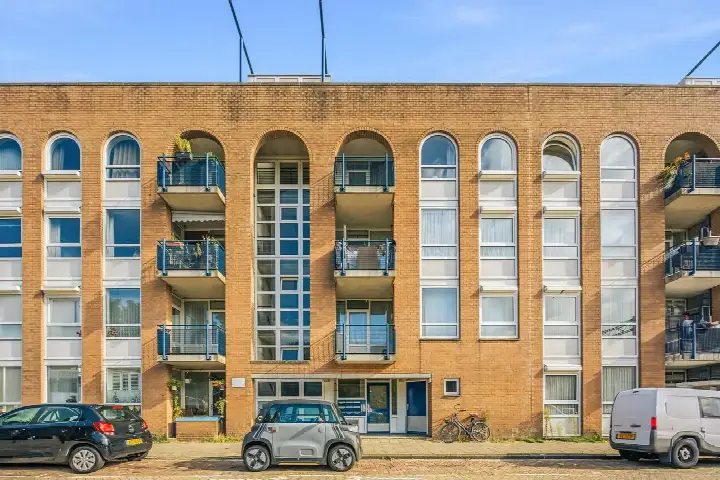
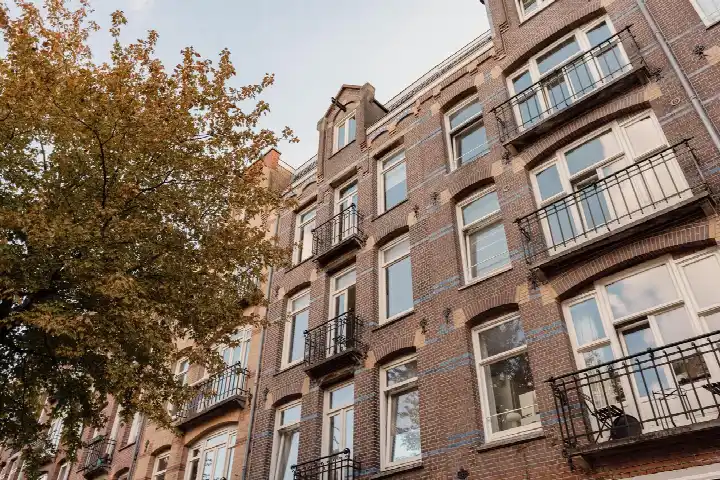
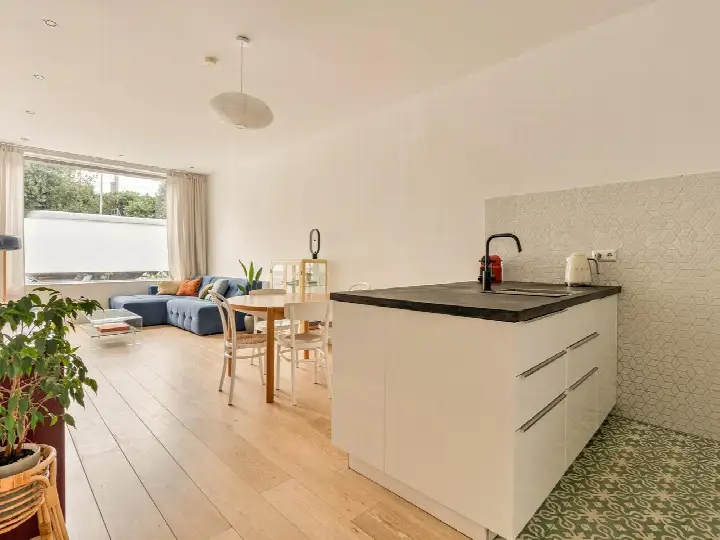
Javastraat 24-2

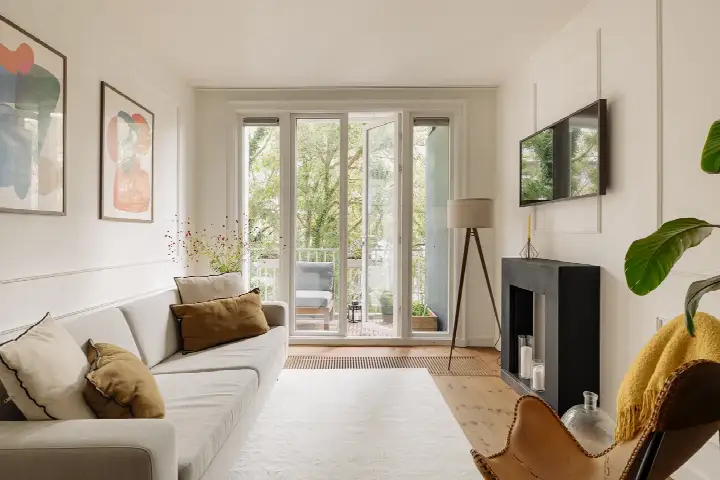
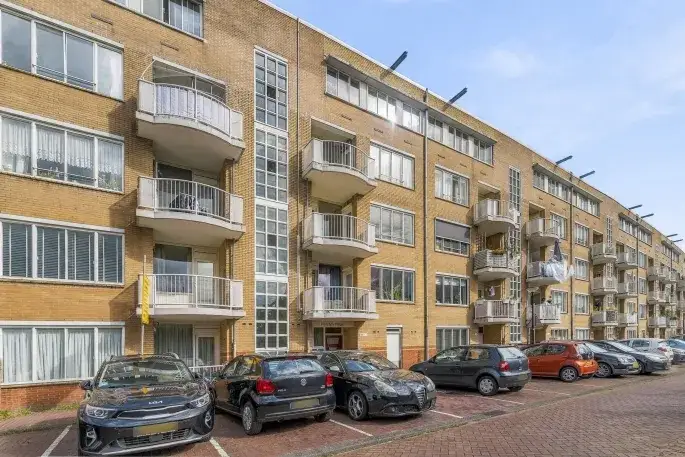
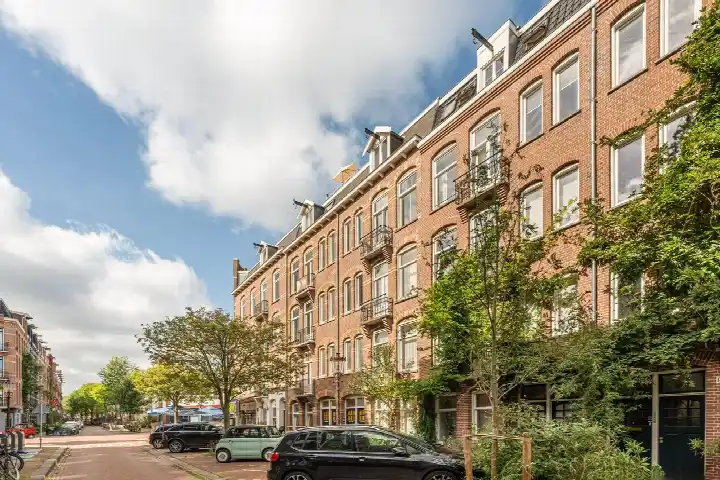
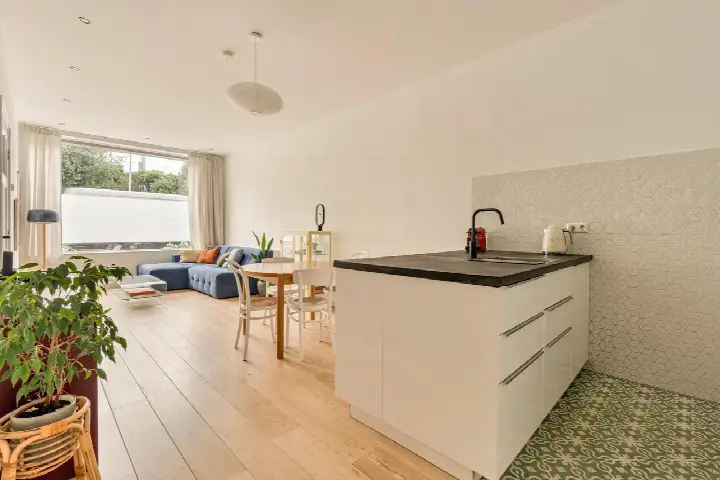






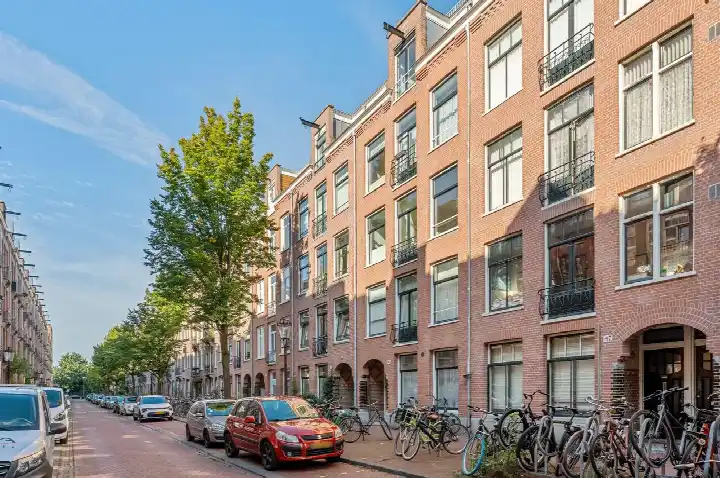

Javaplein 12F

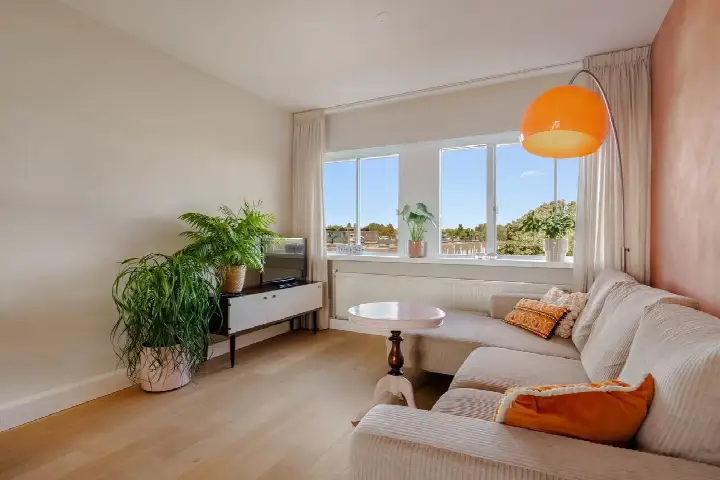

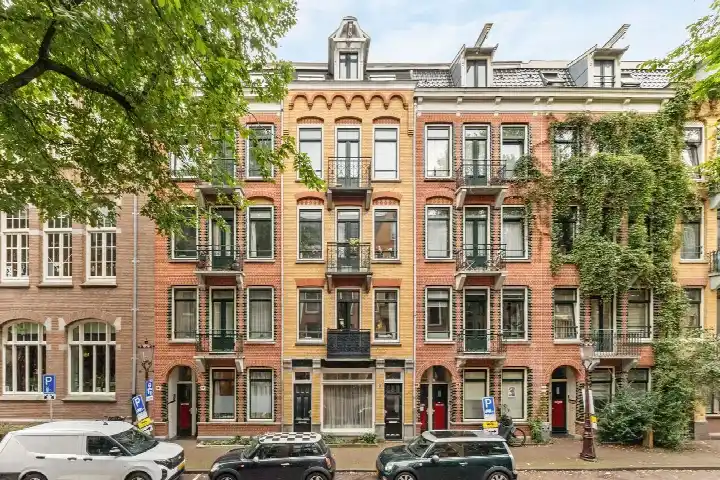
Balistraat 46D
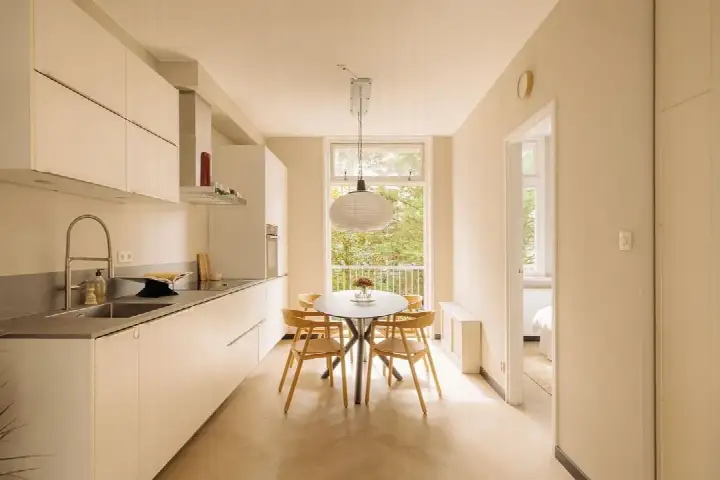
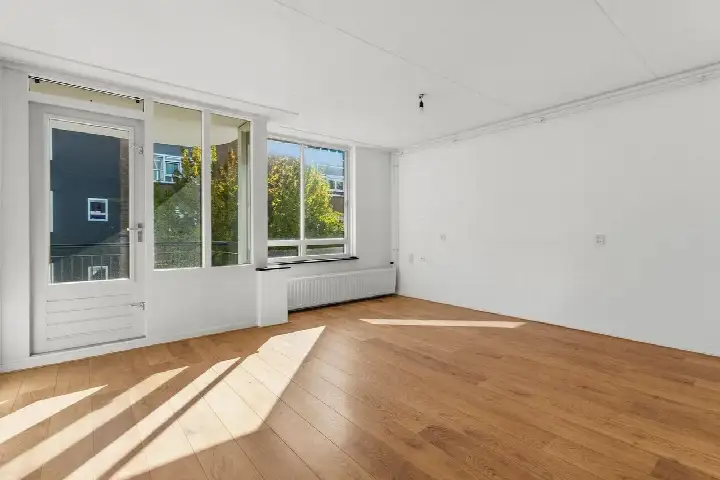


What does a home in Indische Buurt-West cost?
The owner-occupied market in Indische Buurt-West is relatively small: only 27% of the more than 6,690 homes are owner-occupied, while 72% are rental properties (more than half of which are owned by housing corporations). This limited supply of homes for sale creates fierce competition among buyers. The average WOZ value is €475,000, which is slightly below the Amsterdam average of €517,000. Looking at actual sale prices over the past year, buyers paid an average of €527,442 for a home. The range runs from approximately €285,000 for a small apartment to €1,180,000 for larger homes. With an average living area of 66 m², these are mainly apartments. Single-family homes are scarce. See the overview at the top of this page for current asking prices and selling times.
Living in Indische Buurt-West: multicultural, lively, and sometimes messy
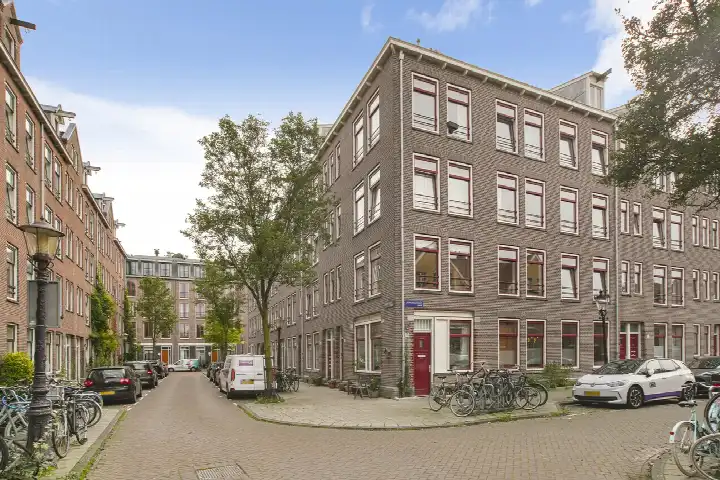
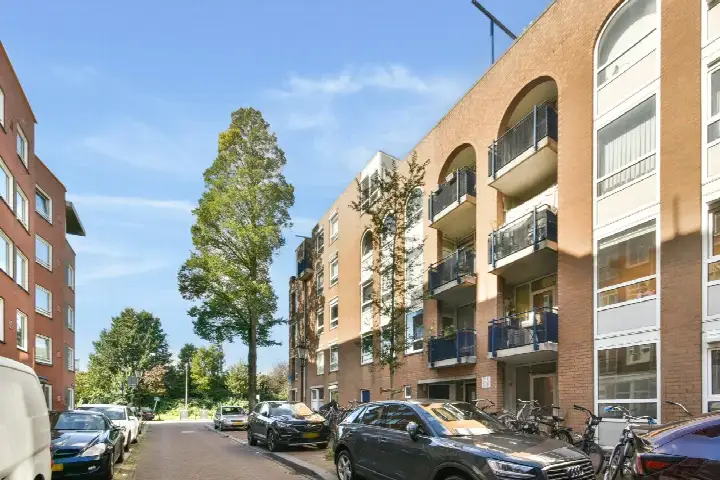
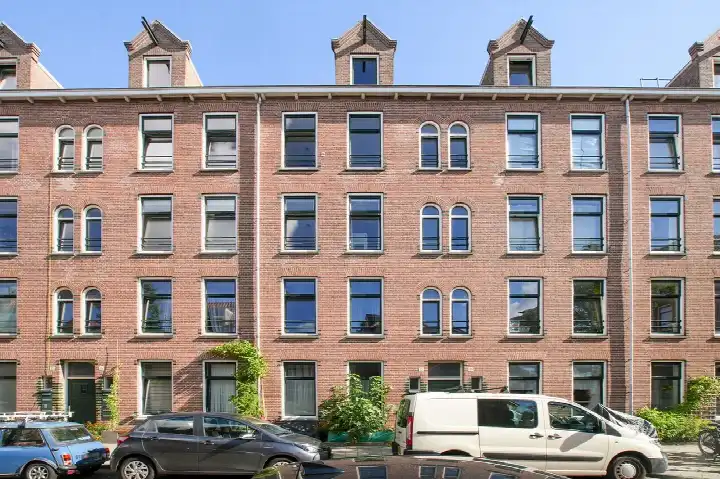
Indische Buurt-West is one of those Amsterdam neighbourhoods where you feel city life on the street. The Javastraat is the backbone of the neighbourhood: a long shopping street with Turkish and Moroccan bakeries, tropical grocery stores, coffee shops, and small restaurants. There is an Albert Heijn and a Lidl in the immediate vicinity, and a market is regularly held at Javaplein. It is not a slick shopping area, but it is precisely that mix of cultures and entrepreneurs that gives the neighbourhood character.
On Buurtje.nl, Indische Buurt-West scores 6.4 out of 10 based on resident reviews. Notably, accessibility scores 8.0 and community spirit scores 7.0. Resident Mara sums it up well: "I don't find the neighbourhood extremely special, but the atmosphere is nice and there are nice people living there." She also mentions a frequently heard criticism: there should be more greenery and there is often rubbish on the streets. The score for beauty (5.0) confirms that picture. Oosterpark lies just south of the neighbourhood and offers a green escape, but greenery is limited in the streets themselves.
In terms of accessibility, the neighbourhood is strong. Tram stops on Javastraat and Eerste van Swindenstraat take you to Amsterdam Centraal in fifteen minutes. Muiderpoort metro station is within walking distance and provides a connection to the North-South line via a transfer. By bike, you can reach Waterlooplein or the Jordaan in ten minutes. The A10-East is quickly accessible via the Zeeburgertunnel for motorists. Schools in the neighbourhood include the Eerste Openluchtschool at Timorplein and primary school De Kleine Kapitein. For secondary education, children go to Fons Vitae Lyceum or Montessori Lyceum, both easily accessible by tram. The neighbourhood consists of several sub-areas, each with its own atmosphere: around Timorplein in the north it is quieter, while the Ambonpleinbuurt is closer to the lively Javastraat. More information about the municipality can be found on the page about Amsterdam and on the website of the municipality of Amsterdam.
Is Indische Buurt-West right for you as a buyer?
With an average income of €37,700 in the neighbourhood and purchase prices starting around €285,000, buying an apartment in Indische Buurt-West is only feasible for first-time buyers with a modal income if they have substantial personal funds or a partner with income. Single-person households form the largest group (nearly 4,000), so the neighbourhood mainly attracts single professionals and young couples. Families with children can find more affordable options here than in the Grachtengordel-West, but must take into account limited living areas. When buying in Indische Buurt-West, keep in mind overbidding (common in Amsterdam), 2% transfer tax, and notary costs. If you are not yet ready to buy, you can also look at rental properties in Indische Buurt-West.
Searching for a home in Indische Buurt-West
On Buurtje.nl, you combine the current housing supply with neighbourhood scores, resident reviews, and district statistics, so you choose not just a house but also the right neighbourhood. Feel free to compare Indische Buurt-West with other neighbourhoods: for example, see the supply in the Haarlemmerbuurt or view all homes for sale in Amsterdam for a broader picture of the market.
What is the average purchase price of a house in Indische Buurt-West?
In the past year, the average purchase price in Indische Buurt-West was €527,442. Prices ranged from approximately €285,000 to €1,180,000, depending on the size and condition of the property. Almost exclusively apartments with an average size of 66 m².
How does the WOZ value of a home in Indische Buurt-West compare to Amsterdam?
The average WOZ value in Indische Buurt-West is €475,000. That is below the Amsterdam average of €517,000. This makes the neighbourhood relatively more affordable than many other neighbourhoods within the ring, although actual selling prices are often higher than the WOZ value.
What additional costs do I incur when buying a home in Indische Buurt-West?
In addition to the purchase price, you pay transfer tax (2% for your own home, 0% if you are a first-time buyer under 35 and the home is below the threshold), notary costs, valuation costs and possibly estate agent commission. In Amsterdam, overbidding is common, so expect a higher amount than the asking price.
Is Indische Buurt-West suitable for families looking to buy a home?
The neighbourhood has primary schools such as Eerste Openluchtschool and De Kleine Kapitein, and Oosterpark is within walking distance. However, most homes are apartments averaging 66 m², which can be cramped for larger families. Most households are single-person households, but there are also families with children.
How is the accessibility of Indische Buurt-West by public transport?
Accessibility is good and scores an 8.0 among residents. Tram 14 runs along Javastraat towards the city centre and Muiderpoort station is within walking distance for train and bus. By bike, you can reach Amsterdam Central Station in about ten minutes. The A10-East is quickly accessible via the Zeeburgertunnel.
I don't think the neighbourhood is extremely special, but I do like the atmosphere and there are nice people living here. I would like to see a bit more greenery, like more flowers and plants. That would make the neighbourhood a bit cosier. Also, there is often litter on the streets, which doesn't look nice and especially not cosy. Other than that, I'm happy with my neighbourhood!
Auto-translated to English by AI