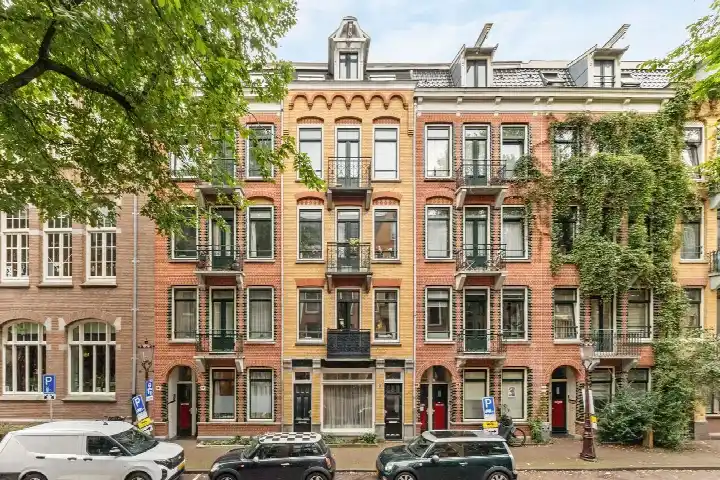
Sumatrastraat 35C
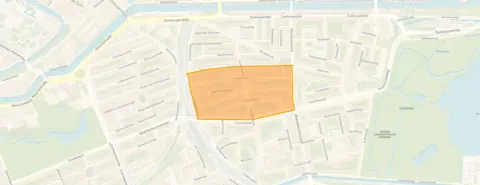
Timorpleinbuurt-Zuid, Amsterdam
 Area
AreaA classic Amsterdam apartment in a lively corner of the Indische Buurt
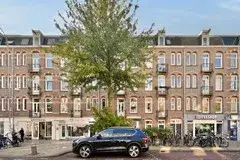
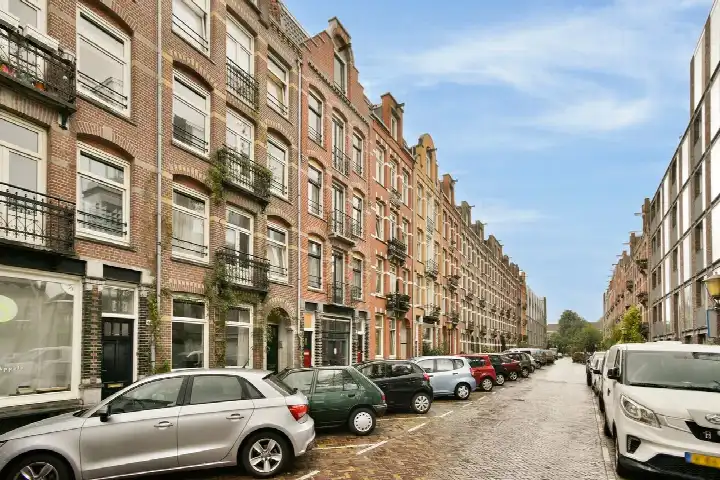
This apartment on Sumatrastraat 35C sits in the Timorpleinbuurt-Zuid, a pocket of the Indische Buurt that feels both urban and village-like. The area is dense with young professionals and students, and the streets hum with energy. At €425,000 for 57 m² (based on the BAG registration), the price per square metre is €7,456, on the high side compared to the neighbourhood average of €8,793, but in line with the tight supply of just 28 apartments for sale. For context, apartments in Amsterdam typically command a premium.
A compact home from 1902 with label C
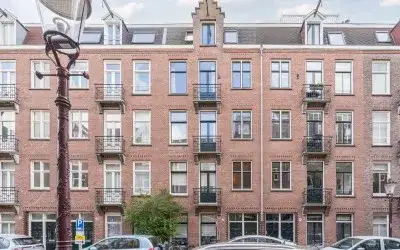
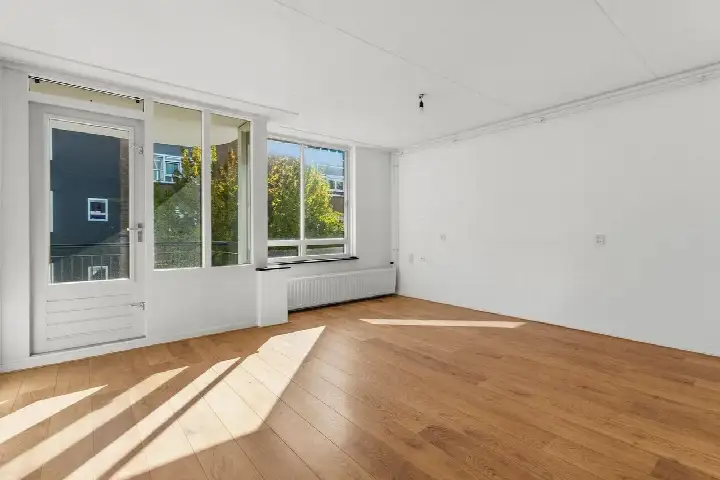
The apartment was built in 1902 and carries energy label C. The listing does not mention any specific features like insulation, heating, or outdoor space, so details on the layout and installations are limited. What is clear is that this is a compact city apartment, typical of the era.
Timorpleinbuurt-Zuid: a neighbourhood in transition
Timorpleinbuurt-Zuid is part of the Indische Buurt, an area that has seen significant change over the past decades. With 4,450 residents and a high proportion of single-person households (58%), it is a young, dynamic part of Amsterdam. The neighbourhood has a very strong urban character, address density is 8,482 addresses per km². Residents of the municipality of Amsterdam give their surroundings an average score of 7.35 out of 10, based on 252 reviews. One resident describes it as "quiet, peaceful, relaxed, green, social and a nice mix of people." Another notes that "the neighbourhood has clear advantages: good connections by tram, bus and ferry/boat, plenty of supermarkets, gyms and practical amenities nearby." However, the same resident warns about structural low-frequency noise from commercial shipping on the Amsterdam-Rijnkanaal, which can be burdensome indoors, especially at night. For a closer look, explore the Timorpleinbuurt-Zuid neighbourhood.
Amenities and transport: everything within walking distance
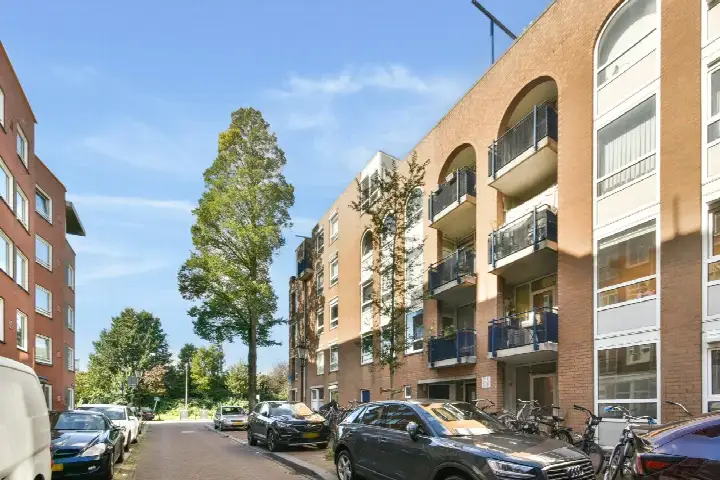
Daily life here is convenient. The nearest Albert Heijn is just around the corner, and a Lidl is a couple of streets away. For primary schools, the Bataviaschool is on your doorstep, and De Indische Buurt School is a five-minute walk. The GP, Huisartsenpraktijk Zeeburgerdijk, is a couple of streets away, and the Service Apotheek Sumatra is even closer. Public transport is excellent: tram stop Javaplein, served by lines 4, 14, 19, 25, 37, 65, 245 and N89, is just around the corner. Amsterdam Muiderpoort station is a ten-minute walk. For more on the wider area, see the municipality of Amsterdam. Regarding address risks: the area has a medium foundation risk indication (the building dates from 1902, and 100% of properties in this postcode area were built before 1970). Noise from road traffic is above the norm at 55 dB Lden, while railway and aircraft noise are within limits. Climate risks include medium pluvial flooding and medium heat stress currently, with heat stress expected to become elevated by 2050. These are area-level indications, not an inspection of this specific home.
Source and agent
At the time of writing, the home is offered via multiple channels, including JA! Makelaardij and JA! Makelaardij.
This summary was generated with AI and may contain errors. Always verify the details with the provider.
Features
Details of this home
Transfer
Price
Energy
 Save up to € 400 on your energy billCompare now
Areas and volume
 Insure your home and belongingsGet insured
Layout
Construction
Outdoor space
Frequently asked questions
About Sumatrastraat 35C, Amsterdam
What is the asking price and how does it compare to the neighbourhood?
The asking price is €425,000. In the Timorpleinbuurt-Zuid, the average asking price for apartments is €489,964, with a median of €470,000. The price per square metre here is €7,456, while the neighbourhood average is €8,793. So this apartment is priced below the neighbourhood average per square metre, but the total price is in line with the compact size.
What is the energy label and what does it mean?
The energy label is C. This is a mid-range label, meaning the home is reasonably energy-efficient but not top-tier. Expect moderate energy costs.
What is the WOZ value of this apartment?
The WOZ is the municipal valuation used for taxes, but without it, no comparison with the asking price or historical development can be made.
Are there any known risks for this address?
Yes, there are area-level indications. The foundation risk is medium, as the building dates from 1902 and the area has many pre-1970 homes. Road traffic noise is above the norm at 55 dB Lden. Climate risks include medium pluvial flooding and medium heat stress currently, with heat stress expected to become elevated by 2050. These are not an inspection of this specific home.
What amenities are nearby?
There are several supermarkets within walking distance, including Albert Heijn and Lidl. Primary schools like Bataviaschool and De Indische Buurt School are nearby. The GP Huisartsenpraktijk Zeeburgerdijk and Service Apotheek Sumatra are close. Public transport is excellent, with tram stops at Javaplein and Muiderpoortstation, and Amsterdam Muiderpoort train station is a ten-minute walk.
What is the neighbourhood like?
Timorpleinbuurt-Zuid is a very urban, young neighbourhood with many single-person households. Residents of Amsterdam rate the municipality 7.35 out of 10. Reviews mention it as quiet, peaceful, and green, with good connections. However, one resident warns about low-frequency noise from shipping on the Amsterdam-Rijnkanaal, which can be bothersome indoors, especially at night.
How many rooms does the apartment have?
The living area is 57 m² according to the BAG registration, but the layout is not described.
Is there a garden or balcony?
The listing does not mention any outdoor space such as a garden, balcony, or terrace. So it is unclear whether the apartment has any private outdoor area.
What is the year of construction and does it affect maintenance?
The apartment was built in 1902. This is a fact about its age, but no specific maintenance issues are stated. The foundation risk indication for the area is medium, which is common for pre-1970 buildings, but this does not mean the home itself has problems.
How is the public transport connection?
Very good. Tram stop Javaplein is just around the corner, with lines 4, 14, 19, 25, 37, 65, 245 and N89. Amsterdam Muiderpoort station is a ten-minute walk, providing train connections. Bus and tram options are plentiful.