Homes for sale in Koepoort, Delft
Discover the current supply of homes for sale in Koepoort and check neighbourhood scores, market figures, and resident reviews to determine if this neighbourhood suits you.

House prices and market figures for Koepoort, Delft
Koepoort is quintessentially an owner-occupied neighbourhood: 64% of the housing stock is owner-occupied, compared to 36% rented. This gives the neighbourhood a stable, owner-oriented character that is reflected in the prices. The average WOZ value is €446,000, significantly higher than the average for the district Vrijenban (€338,000) and the municipality of Delft as a whole (€322,000). Koepoort thus ranks among the more expensive segments of the city.
Based on the past twelve months, 12 homes changed hands here, with an average sale price of €538,917. The range runs from €349,000 to €745,000, indicating that both more modest homes and larger, more luxurious properties come onto the market. With an average living area of 102 m², this works out at around €5,285 per square metre. That is steep, but fitting given the location and the quality of the housing stock. For current asking prices and the average time on market, you can consult the overview at the top of this page. If you also want to explore rental homes in Koepoort, you will find them on a separate page.
Living in Koepoort, Delft
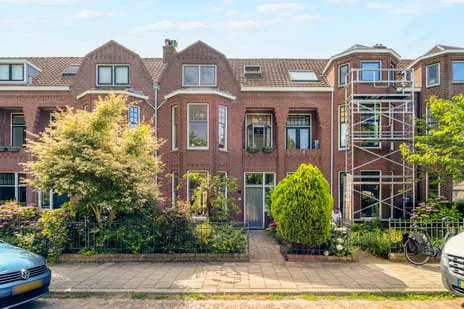
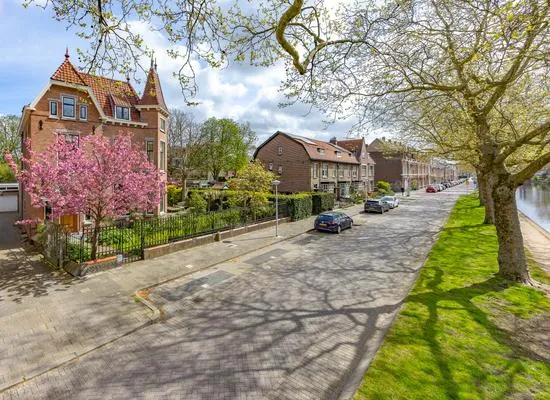
Koepoort is a quiet, well-maintained neighbourhood in the east of Delft, part of the Vrijenban district. The neighbourhood has an urban-village atmosphere: you live close to the centre of Delft, but the streets themselves are clear and human-scale. The housing stock consists mainly of ground-floor homes from the post-war period, supplemented by a limited number of apartments. The buildings look well-kept and the public space is well-maintained, contributing to a sense of a neighbourhood residents are proud of.
Resident Jesse describes it as a "good, beautiful, cosy, well-maintained neighbourhood" where everyone is in contact with each other. That sense of community is something that stands out in Koepoort: the neighbourhood scores a 9.0 for community in resident reviews, as high as for safety and accessibility. It is not an anonymous through-neighbourhood, but a place where you know your neighbours.
In terms of amenities, the location is strong. The centre of Delft is within cycling distance, with all the shops, markets and hospitality that entails. Daily groceries can be done at supermarkets in the immediate vicinity, and for schools, a GP and a dentist you hardly need to leave the neighbourhood. Jesse explicitly mentions this: "Close to everything: centre, schools, GP, dentist, supermarket." For families with children, that is a concrete advantage.
Accessibility is excellent. Delft station is a short cycle away, from where you can quickly reach The Hague or Rotterdam. The connection to the A13 and A4 motorways is good for drivers. Bus services connect Koepoort with other parts of the city. The resident score for accessibility is not for nothing a 9.0. The only aspect that scores slightly lower is green space, with a 7.0. Koepoort is not a park neighbourhood; green space is present but not abundant. If you are looking for more greenery, you could look at Biesland or the district Delftse Hout, which offer more space and nature.
Compared to sister neighbourhoods in Vrijenban, Koepoort has a quieter and more established character than, for example, Indische Buurt-Noord or Sint Joris. The largest age group in Koepoort is 45 to 65 years, which fits the quiet, stable profile of the neighbourhood. More about the residents, scores and character of the neighbourhood can be found on the Koepoort neighbourhood page with all reviews and district data. The municipality of Delft publishes additional information about the neighbourhood and its development at delft.nl.
Who is a home for sale in Koepoort interesting for?
Koepoort best suits movers and families seeking peace and community without giving up the city centre. The high WOZ value and average sale price of over €538,000 make it difficult for first-time buyers, especially because supply is limited and there is a chance of overbidding on sought-after properties. With only 12 transactions in a year, the market is tight: anyone seriously wanting to buy a home in Koepoort would do well to act quickly and engage a buying agent. If you are not yet ready to take the step to buying, you could also look at rental homes in Koepoort as an intermediate step. Seniors looking to downsize but stay in the neighbourhood sometimes find suitable apartments here, although supply is scarce.
What residents say about Koepoort
Koepoort receives an overall score of 8.2 out of 10 from residents. The highest sub-scores are for safety, accessibility and community, all three a 9.0. Green space scores the lowest with a 7.0. Jesse, a resident, sums it up succinctly: "Good beautiful cosy well-maintained neighbourhood" with a "safe cosy atmosphere, also in the other streets." That image of a neighbourhood that is pleasant to live in and well accessible comes back consistently. All reviews and sub-scores can be found on the Koepoort neighbourhood page.
Compare homes for sale in and around Koepoort
Buurtje.nl combines current housing supply from more than 1,500 sources with resident reviews and district data, so you not only find a home but also know whether the neighbourhood suits you. Want to search more broadly? Then also check out homes for sale in Vrijenban as a whole, or explore adjacent neighbourhoods such as Bomenwijk and Indische Buurt-Zuid. For a complete picture of the Delft sales market, including districts such as Binnenstad and Hof van Delft, you can compare all homes for sale in Delft.
Frequently asked questions
What is the cost of a home in Koepoort?
The average purchase price in Koepoort over the past year was €538,917, based on 12 sold homes. Prices ranged from €349,000 to €745,000. With an average living area of 102 m², the price per square metre comes to approximately €5,285. This is significantly higher than the Delft average, making Koepoort one of the more expensive neighbourhoods in the city.
What is the WOZ value in Koepoort?
The average WOZ value in Koepoort is €446,000. This is well above the district average of Vrijenban (€338,000) and considerably higher than the municipal average of Delft (€322,000). This reflects the desirable location and quality of the housing stock in this neighbourhood.
What is it like to live in Koepoort?
Koepoort is a quiet, well-maintained neighbourhood with a strong sense of community. Residents appreciate the safety, good accessibility, and proximity to the city centre. The neighbourhood scores 8.2 out of 10 in resident reviews. Green spaces are present but limited, which explains the only lower sub-score (7.0).
Is Koepoort suitable for families with children?
Yes, Koepoort is well-suited for families. Schools, a GP, a dentist, and supermarkets are all within walking distance. The neighbourhood is safe and the atmosphere is quiet without being isolated. The largest age group is 45 to 65 years, indicating a stable, established population. First-time buyers will find the high purchase prices a barrier.
How accessible is Koepoort?
Accessibility in Koepoort scores a 9.0 among residents. Delft Station is a short bike ride away, with direct connections to The Hague and Rotterdam. For motorists, access to the A13 and A4 is good. Bus services connect to other parts of the city. The centre of Delft itself is also easily reachable by bike.
What types of homes are for sale in Koepoort?
The supply in Koepoort mainly consists of ground-floor homes, such as terraced houses and semi-detached houses from the post-war construction period. Occasionally, an apartment comes onto the market. With an average area of 102 m², these are medium to spacious homes. The annual number of transactions is limited, making buying in Koepoort a matter of keeping a close eye.
How safe is the Koepoort neighbourhood in Delft?
Safety is one of Koepoort's strongest points: residents give it a score of 9.0. Resident Jesse describes it as a "safe, cosy atmosphere, also in the other streets." The neighbourhood has a manageable scale and an active social network among neighbours, which contributes to the feeling of safety.
Good experience with the neighbourhood, very cosy street where everyone is in touch with each other. Safe and cosy atmosphere, also in the other streets. Close to everything: city centre, schools, GP, dentist, supermarket, etc.
Auto-translated to English by AI