Homes for sale in Waterland, Amsterdam
Looking for a home to buy in Waterland? Check the current listings on this page, including asking prices and time on market.
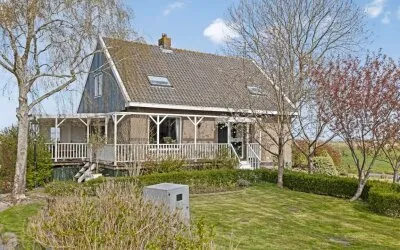
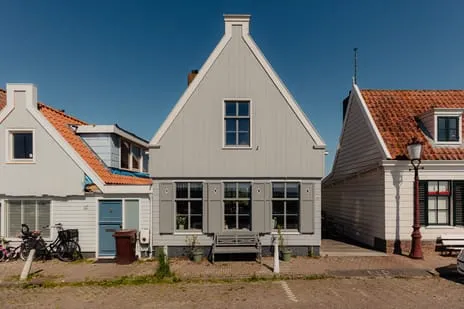

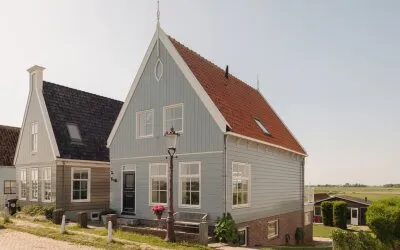
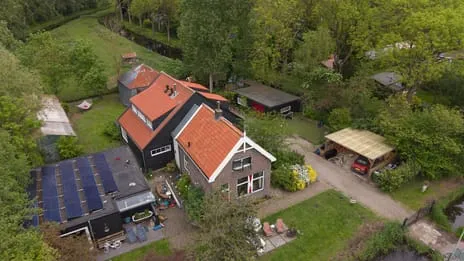


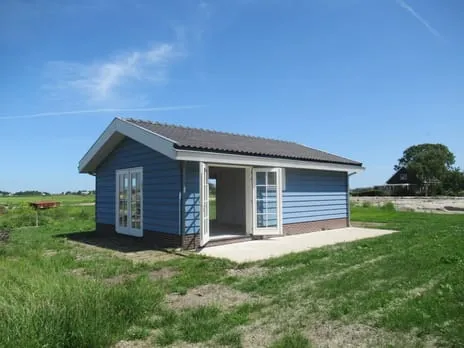
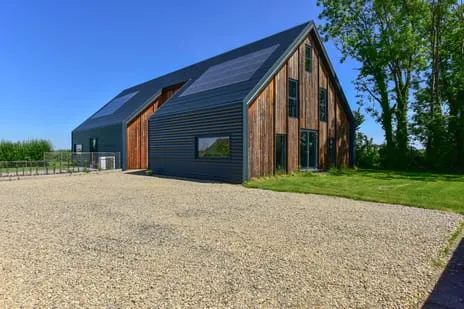
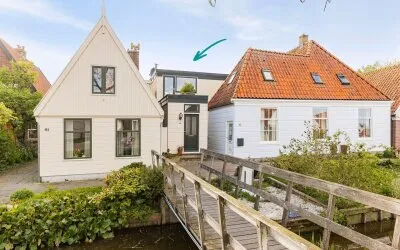
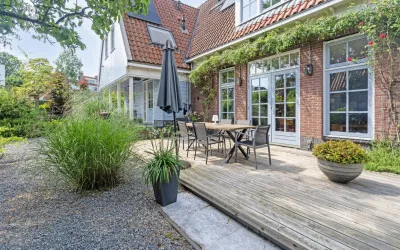
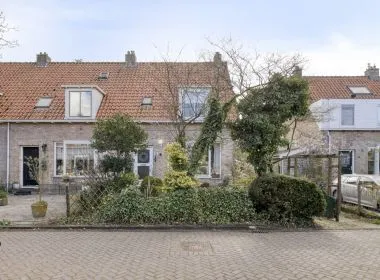
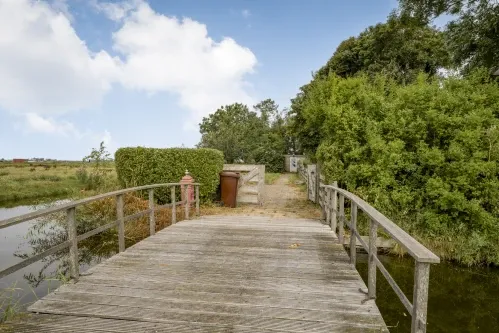
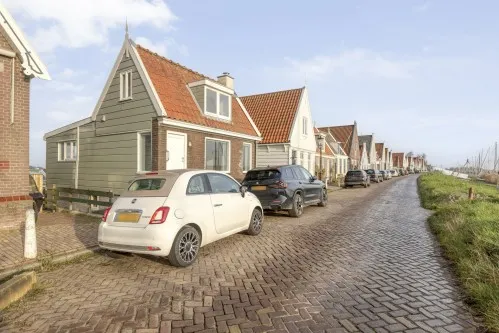
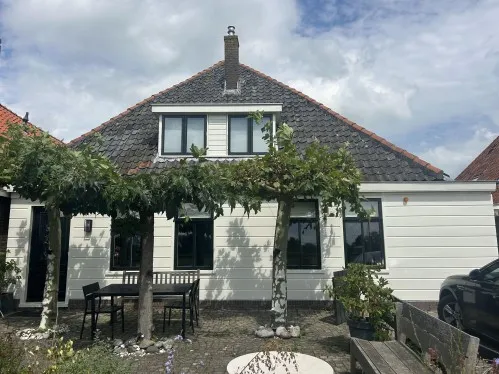
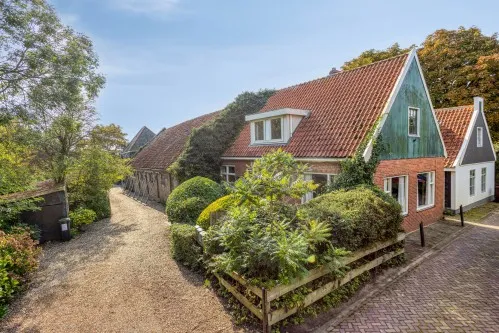

House prices in Waterland: well above the Amsterdam average
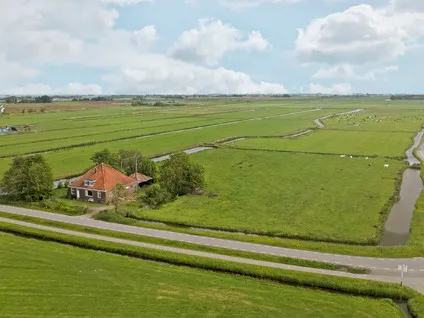
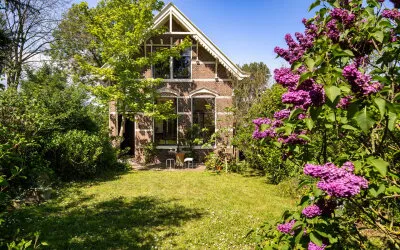
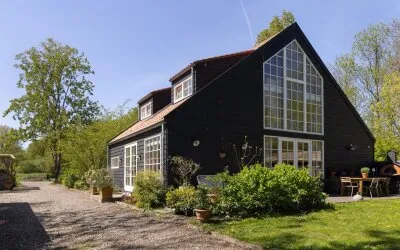
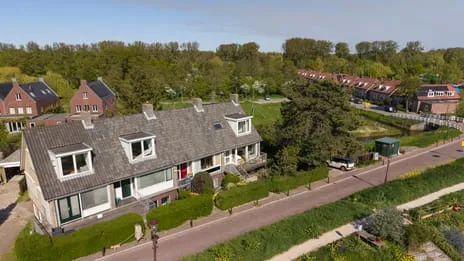
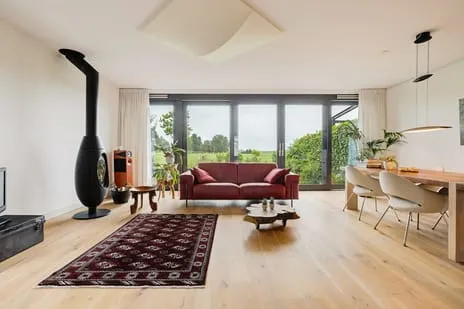
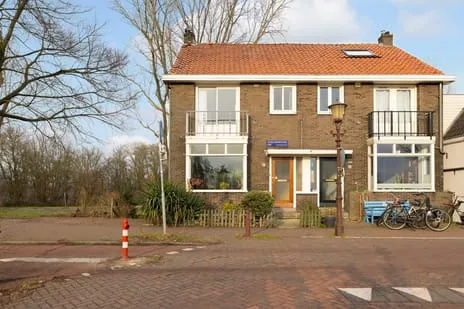
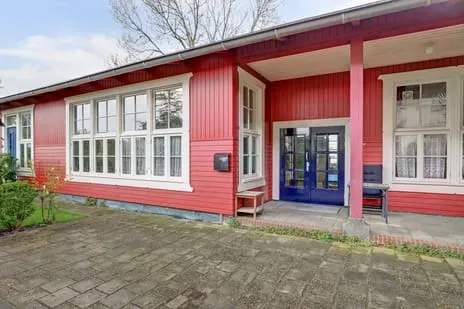
Waterland is one of the most expensive neighbourhoods in Amsterdam when you look at the average WOZ value. That stands at €921,000, compared to €517,000 for the municipality of Amsterdam as a whole. That difference immediately tells you something about the type of homes here: spacious, often detached or semi-detached houses along dikes and polders, not compact city apartments. Of the 925 homes in the neighbourhood, 79% are owner-occupied, only 21% are rental. The supply of rental homes is limited and largely in the hands of private landlords (18%), with hardly any social housing (4%). Over the past twelve months, fourteen homes changed hands, with an average sale price of €1,176,357. The range ran from €650,000 to €1,695,000, with an average living area of 126 m². If you want to know what is currently for sale and what the current asking prices are, check the overview at the top of this page.
Living in Waterland: polder, dike and the silence you wouldn't expect so close to Amsterdam
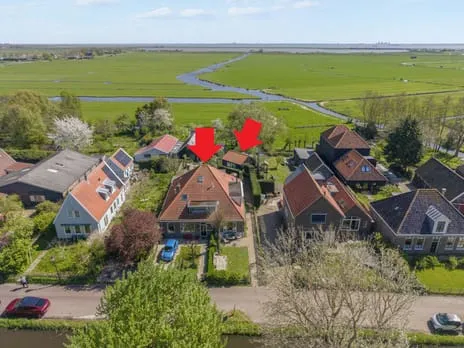
Waterland is not a city neighbourhood in the usual sense. It is a collection of small settlements and dike strips on the northeastern edge of Amsterdam, wedged between the IJmeer, the Waterland polder and the ring dike. Resident Viggo describes the Durgerdammerdijk as "a piece of hidden beauty on the edge of Amsterdam" with "charming houses with colourful facades, the lapping water of the IJmeer and a soothing silence". That description actually applies to the whole neighbourhood. On the Waterland neighbourhood page, residents give the area an overall score of 7.0 out of 10. Green scores a perfect 10, safety a 9.0 and beauty a 9.0. Those are no coincidences: you literally live next to the open landscape. The low scores for accessibility (4.0) and amenities (4.0) are also no surprise and deserve honesty.
Supermarkets, schools and shops are not around the corner in Waterland itself. For daily groceries, you rely on neighbouring districts or Amsterdam-Noord. There are primary schools in the larger settlements, but for secondary education children have to go to the city. In terms of accessibility, the neighbourhood depends on the car or bicycle. Bus line 37 connects Durgerdam and Schellingwoude with Amsterdam Central, but the frequency is limited. By car, you drive via the S116 or the ring road to the city centre, but during rush hour that can take time. There is no train station in the neighbourhood. If you have a daily commute to the city centre or further, you need to factor that in. The neighbourhood Durgerdam is the most remote and scores high on peace and views. Schellingwoude-West and Noorderstrook-West are slightly closer to the city and therefore a bit more practical for daily use. Also Ransdorp and Zunderdorp are small, rural settlements with their own character that are worth comparing.
The community in Waterland is close-knit but not large. With 2,390 residents and a dominant age group of 45 to 65, this is a neighbourhood of movers and people who consciously choose peace and space. Families with children form the largest household group (385), which fits the spacious homes and green character. The percentage of highly educated is 50%, and the labour participation rate is 69%. The municipality of Amsterdam offers more information about local amenities and policy via amsterdam.nl.
Who is a home in Waterland suitable for?
Waterland attracts buyers who consciously distance themselves from the city bustle but still want to live within the municipality of Amsterdam. Families looking for space, people who want to work from home with a garden and view, or over-fifties who prefer peace over urban liveliness. First-time buyers are largely out of the picture: with an average sale price of over €1.1 million and a lower limit of €650,000, buying in Waterland is only feasible with substantial equity or a high mortgage capacity. Also factor in additional costs such as transfer tax (2% for owner-occupiers) and notary fees. If you cannot or do not want to take the step to buying yet, you can also look at rental homes in Waterland, although that supply is scarce.
Searching for a home in Waterland and surroundings
Buurtje.nl combines the current housing supply with resident reviews and neighbourhood statistics, so you get to know not just the home but also the area. Want to compare with other Amsterdam neighbourhoods? Then also check the supply in the Jordaan, the Haarlemmerbuurt or the Grachtengordel-West. For a broader overview of the Amsterdam market, see all homes for sale in Amsterdam.
Frequently asked questions
What is the average cost of buying a house in Waterland?
Over the past twelve months, the average purchase price in Waterland was €1,176,357, with an average living area of 126 m². The cheapest property sold went for €650,000, the most expensive for €1,695,000. This concerns a limited number of transactions (14 in a year), so individual sales can strongly influence the averages.
What is the WOZ value of homes in Waterland?
The average WOZ value in Waterland is €921,000. That is significantly higher than the Amsterdam average of €517,000. The high WOZ value reflects the type of homes in the neighbourhood: often spacious, detached or semi-detached houses on large plots along dikes and polder roads.
What types of homes are for sale in Waterland?
Waterland consists largely of ground-based homes such as detached houses, dike houses and farmhouses. Buying apartments in Waterland is rarely an option; the supply is virtually absent. The neighbourhood has 925 homes, 79% of which are owner-occupied, underscoring its character as an owner-occupied district.
How accessible is Waterland from Amsterdam?
Accessibility is one of Waterland's weaker points: residents give it a score of 4.0 out of 10. There is no train station in the neighbourhood. Bus line 37 runs towards Amsterdam Central, but with limited frequency. By car, you are relatively quick in the city via the S116, although rush hour can cause delays. Those who commute daily would do well to test the travel time in advance.
What are the additional costs when buying a home in Waterland?
When buying a home in Waterland, as an owner-occupier you pay 2% transfer tax on the purchase price. In addition, there are notary costs for the purchase deed and mortgage deed, appraisal costs and possibly estate agent fees. For a home of €1,000,000, the transfer tax already amounts to €20,000. In total, expect 3 to 5% of the purchase price in additional costs.
The Durgerdammerdijk is a hidden gem on the edge of Amsterdam. The charming houses with their colourful facades, the rippling water of the IJmeer and the soothing silence make it a place never to forget. During a walk along the dike, you are surrounded by breathtaking views, from mirror-smooth water to a setting sun that sets the sky ablaze. Here, nature and simplicity merge into a moment of pure peace and wonder.
Auto-translated to English by AI