




A pre-war apartment on the edge of Amsterdam
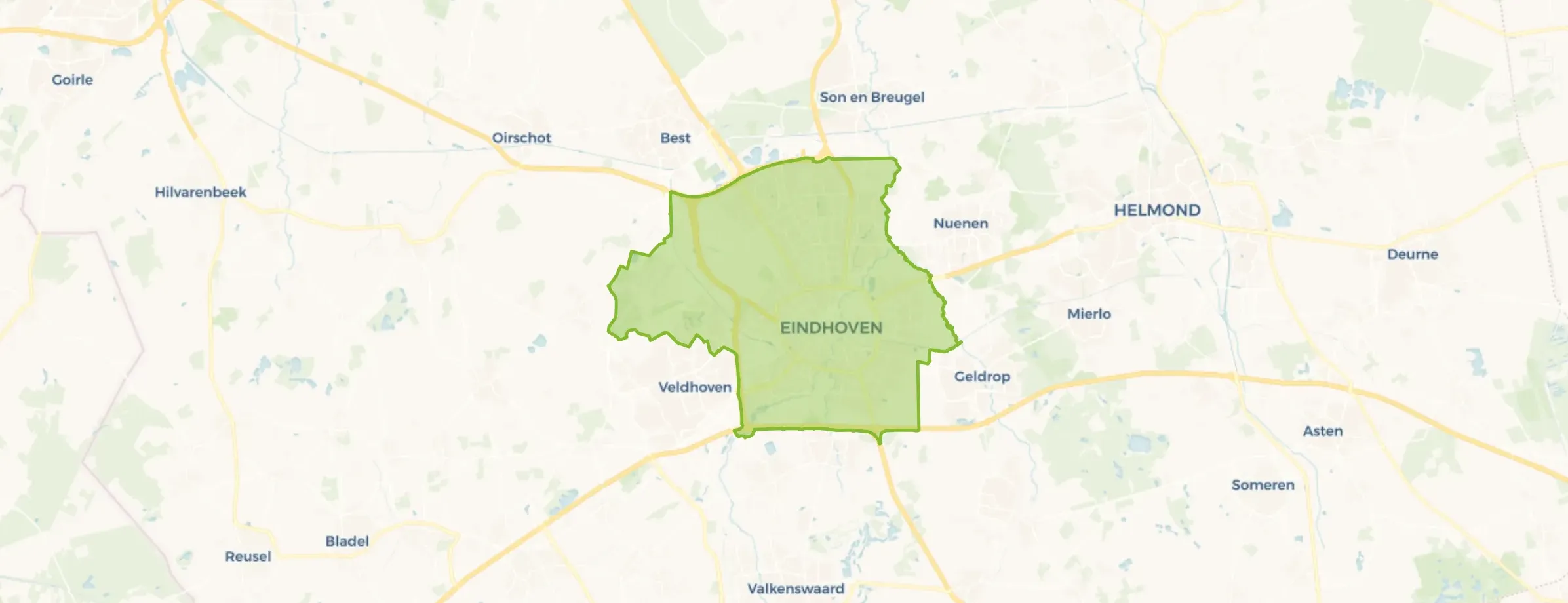
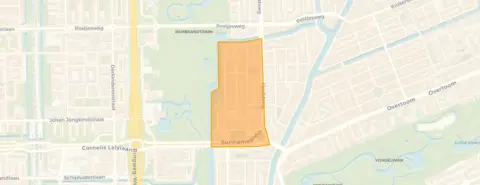
This 1935 apartment sits on the Antillenstraat in the Postjeskade e.o. neighbourhood, part of the Westindische Buurt in Amsterdam. The listing does not state the energy label, so that information is missing from the agent's description. With a living area of 83 m², the asking price of €795,000 works out at €9,578 per m², which is 44% above the neighbourhood average asking price of €551,385. It is the most expensive of the 13 homes currently for sale in this neighbourhood, and the price is on the high side compared with the local market. For context, [apartments in Amsterdam] vary widely in price depending on location and condition.
The home itself
The apartment dates from 1935, a fact that tells you about its age but nothing about its condition. The living area is given as 83 m² according to the BAG registration, which is 36% larger than the neighbourhood average of 61 m². Beyond the floor area and the year of construction, the listing offers little else to go on.
Life around Postjeskade e.o.
Residents of the district give it an average score of 7.1, based on four reviews. One resident says: "It's a nice quiet neighbourhood on the edge of the city but still close to many good amenities that a city has to offer. The neighbourhood is still becoming more beautiful." Another describes it as "always nice, lots of squares for your children and also many babysitting houses, so actually perfect for a family." A third review is less positive, saying "the residents are antisocial, no one keeps the neighbourhood tidy, the gardens are used as dog walking spots, a shame but this neighbourhood has deteriorated extremely." The neighbourhood has around 2,990 inhabitants, half of whom live alone. [The Postjeskade e.o. neighbourhood] is a mix of opinions, so it is worth forming your own view.
Amenities and transport
Daily errands are well covered here. A Jumbo and a Lidl are just around the corner, with an Aldi and an Albert Heijn a couple of streets away. OBS Corantijn primary school is a five-minute walk, and the 7e Montessorischool is a ten-minute walk. The nearest GP is Integrale Huisartsenpraktijk West, and the BENU Apotheek Wester Amsterdam is a couple of streets away. Tram stops at Hoofdweg, Surinameplein and Corantijnstraat are all within a few minutes' walk, served by lines 1, 15 and 17, with lines 27 and 28 also calling at Surinameplein. Amsterdam Lelylaan station is a ten-minute walk. [The municipality of Amsterdam] offers all the amenities of a major city. The address itself is complete, so the location and neighbourhood data are reliable. No risk indications are available for this address, so there is nothing to report on noise, foundation or flooding.
Source
At the time of writing the home is offered only via PB Makelaars o.z.
This summary was generated with AI and may contain errors. Always verify the details with the provider.
Features
Details of this home
Transfer
Price

Areas and volume
Layout
Construction
Outdoor space
The WOZ value is set annually by the municipality with 1 January as its reference date, and therefore lags the market by about a year. It is an estimated market value, not a sale price.
Frequently asked questions
About Antillenstraat 26H, Amsterdam
How does the asking price compare with other homes in the neighbourhood?
The asking price of €795,000 is 44% above the neighbourhood average asking price of €551,385. It is the most expensive of the 13 homes currently for sale in Postjeskade e.o. The average price per m² in the neighbourhood is €9,118, while this apartment works out at €9,578 per m² based on the BAG living area of 83 m². The price is on the high side compared with the local market.
What is the living area of this apartment?
The living area is 83 m² according to the BAG registration. This is 36% larger than the neighbourhood average of 61 m². The agent has not published any other floor areas, so there is no additional information about the layout or the number of rooms. The price per m² is calculated on the basis of the BAG living area.
Why is there no energy label in this listing?
The agent has not published this field, so there is no information about the energy efficiency of the home. This means you cannot tell from the listing how energy-efficient the apartment is or what the energy costs might be. The address itself is complete, so the location and neighbourhood data are reliable.
What do residents say about the district?
Residents of the district give it an average score of 7.1, based on four reviews. One resident describes it as a quiet neighbourhood on the edge of the city with good amenities, while another mentions lots of squares for children and many babysitting houses. A third review is critical, saying the neighbourhood has deteriorated and residents do not keep it tidy. The reviews reflect different experiences of the same area.
What supermarkets are nearby?
A Jumbo and a Lidl are both just around the corner at about 263 metres. An Aldi is a couple of streets away at 512 metres, and an Albert Heijn is at 540 metres. A second Albert Heijn is a ten-minute walk at 727 metres. With 142 supermarkets within 5 km, there is plenty of choice for daily groceries.
Which schools are close to this apartment?
OBS Corantijn primary school is a five-minute walk at 281 metres. The 7e Montessorischool is at 516 metres, and Cultuurprofielschool De Notenkraker is at 609 metres. For secondary education, the nearest option is about 1.5 km away. A kindergarten is just around the corner at 300 metres.
How is the public transport in this area?
The nearest tram stop is Hoofdweg at 153 metres, served by lines 1, 15 and 17. Surinameplein at 201 metres also has lines 27 and 28, and Corantijnstraat at 247 metres has lines 1, 15 and 17. Amsterdam Lelylaan train station is 1.2 km away, about a ten-minute walk. The area is well served by both tram and bus.
What is the neighbourhood like demographically?
The neighbourhood has around 2,990 inhabitants. Half of all households are single-person households, and 18% of households have children. The largest age group is 25 to 45-year-olds, making up 48% of the population. The average household size is 1.7 people. The address density is 9,068 per km², which makes it a very strongly urban area.