Rental homes in Schinkelbuurt, Amsterdam
View the current rental property listings in Schinkelbuurt, including resident reviews and neighbourhood data. Compare prices and find a rental property that suits you.

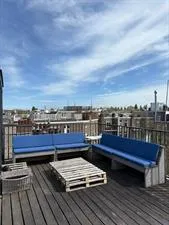
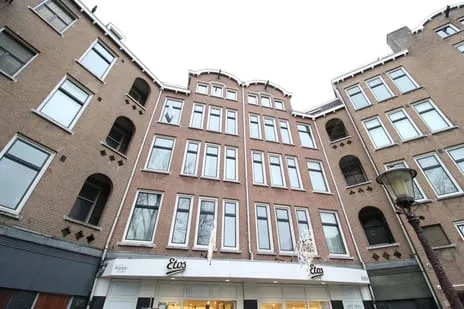
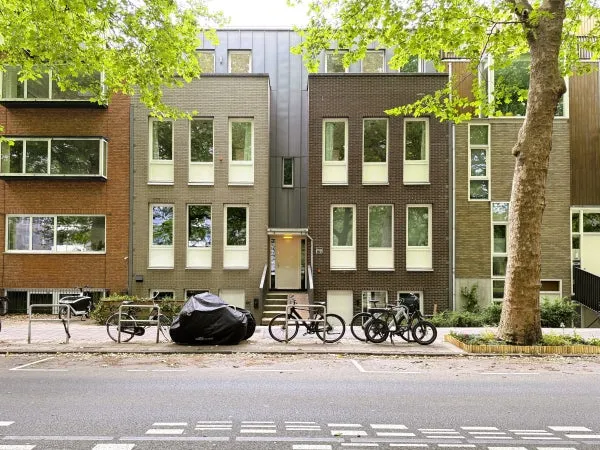
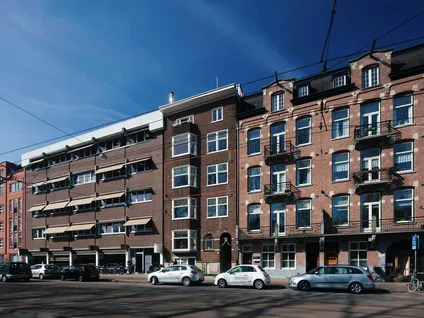
What does a rental home in the Schinkelbuurt cost?
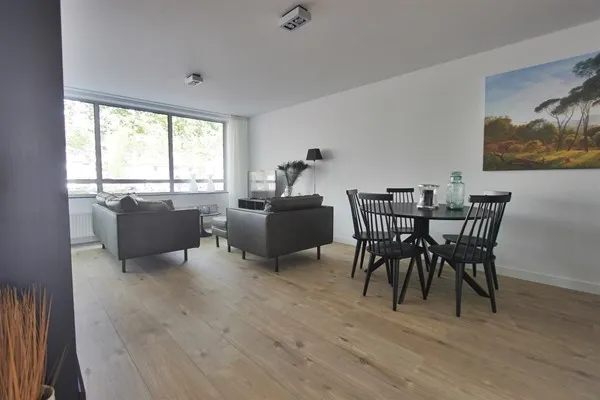
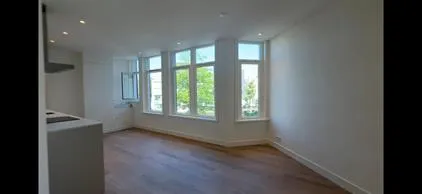
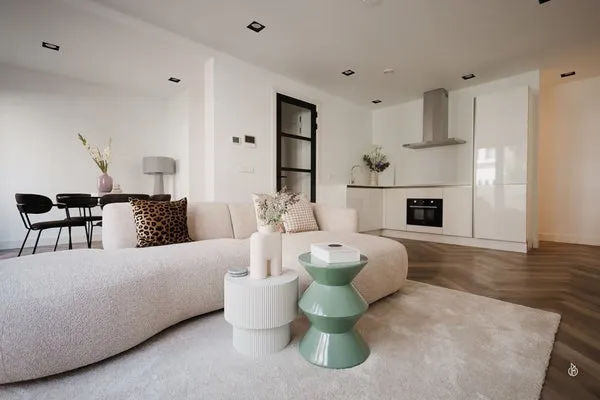
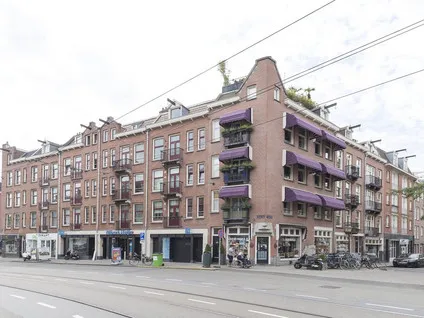
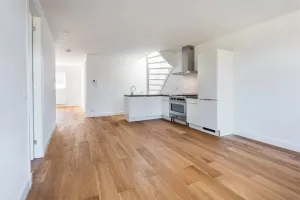
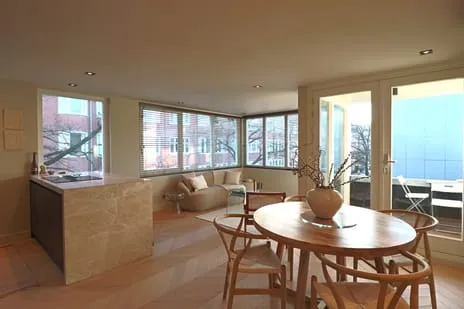
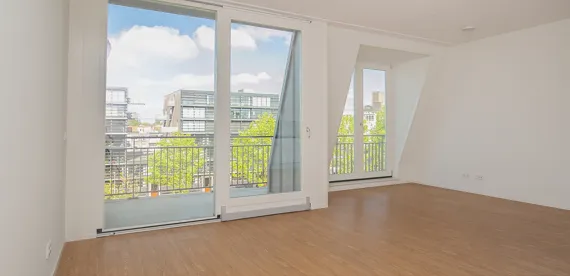
The Schinkelbuurt is a neighbourhood where three-quarters of all homes are rental properties. Of the more than 2,400 homes, 32% are owned by a housing association and 42% are in the hands of other landlords. This makes the private rental sector quite prominent here, but it is not affordable. In the private sector (excluding social housing), the average rent over the past twelve months was €2,505 per month, with a range of €750 to €4,250. The average floor area? Only 61 square metres. So you pay well over €40 per square metre, which is steep even by Amsterdam standards. The WOZ value of €548,000 is also above the Amsterdam average of €517,000. At the top of this page you will find the current daily price and the current supply, as the market moves quickly.
Schinkelbuurt: compact living between Vondelpark and Schinkel
The Schinkelbuurt is nestled between the Vondelpark, the Schinkel and the Amstelveenseweg. It is a neighbourhood that you might overlook at first glance, but residents appreciate precisely for its unassuming character. No tourists, no coffee shops on every corner, but a neighbourhood feel that has been lost in many Amsterdam districts. On the Schinkelbuurt neighbourhood page you can read what residents themselves write about it. A recurring theme in the reviews: the combination of tranquillity and accessibility. "You are on tram 2 towards the centre in five minutes, but in the evening it is quiet here," writes one resident. That is true: Amstelveenseweg stop and the proximity of Amsterdam Lelylaan station make the neighbourhood well accessible by public transport.
The Amstelveenseweg itself is the lifeline of the neighbourhood, with a mix of small supermarkets, hairdressers, eateries and a few specialist shops. It is not a trendy shopping street, rather functional. For groceries, you are well served with an Albert Heijn and various Turkish and Moroccan shops. The Vondelpark is within walking distance for those who want to go jogging or walk the dog. The northern part of the neighbourhood borders directly on the park and therefore feels greener, while the southern part is closer to the Schinkel and the water.
What residents appreciate less: the homes themselves are often small and dated. Many porch flats from the 1930s with narrow stairwells, limited storage space and poor insulation. The average gas consumption of 750 m³ and electricity consumption of 1,750 kWh per year confirm that picture: not very energy-efficient. Parking is difficult and expensive, as in all of Amsterdam. And although the neighbourhood feels safe, residents occasionally report nuisance around the Amstelveenseweg at weekends. It is not a perfect neighbourhood, but for those who accept compact living in a quiet, well-connected area, the Schinkelbuurt has a lot to offer.
Does the Schinkelbuurt suit you as a tenant?
With 1,820 residents between 25 and 45 years old and no fewer than 1,565 single-person households, the profile is clear: the Schinkelbuurt mainly attracts young workers and single professionals. Only 16% of households are married. Renting an apartment in Schinkelbuurt is therefore most realistic for couples without children or singles with an above-average income. The average income of €50,900 is above the Amsterdam average, but with rents around €2,500 you need a substantial salary. For families with children, the neighbourhood is less logical: little space, small homes and limited play facilities. Prefer to buy? Then check out the supply of homes for sale in the Schinkelbuurt, although the price per square metre is also steep there.
Searching for a rental home in the Schinkelbuurt and surroundings
On Buurtje.nl you will find the current rental supply in the Schinkelbuurt, supplemented with resident reviews, neighbourhood statistics and energy labels. Filter by price and floor area to quickly see what suits you. Renting in Schinkelbuurt is not the only option in this part of Amsterdam. A similar atmosphere and price range can also be found in the Jordaan, although the supply there is even tighter. If you are looking for more space for your money, take a look at the Haarlemmerbuurt. Also Grachtengordel-West and other neighbourhoods in Amsterdam are worth comparing. Via the website of the municipality of Amsterdam you can also find information about parking permits and tenant rights.
Frequently asked questions
What is the average rent for a rental house in the Schinkelbuurt?
In the free sector, the average rent over the past twelve months was €2,505 per month. The range runs from €750 to €4,250, depending on the size and condition of the property. The average size is 61 m². Social housing is excluded from this.
How long do you have to wait for a social housing property in the Schinkelbuurt?
Approximately 32% of homes in the Schinkelbuurt are owned by housing corporations. The waiting time for social housing in Amsterdam can be up to more than 13 years, depending on your registration period with WoningNet. Specifically for the Schinkelbuurt, this can vary, but expect a long waiting time due to the desirable location.
Is the Schinkelbuurt well accessible by public transport?
Yes, the Schinkelbuurt is well accessible. Tram 2 runs along the Amstelveenseweg towards the city centre and Amstelveen. Amsterdam Lelylaan station is within walking distance and offers connections to train, metro and bus. The A10 ring road can be reached by bike or car within a few minutes.
What is the parking situation like when renting a home in the Schinkelbuurt?
Parking in the Schinkelbuurt is paid and falls under the Amsterdam parking permit system. The waiting time for a resident's permit can be long, and the costs are substantial. Many tenants choose not to have a car due to the good public transport connections and limited parking facilities.
Who is renting a home in the Schinkelbuurt suitable for?
The Schinkelbuurt mainly attracts single professionals and young couples. Nearly half of the residents are between 25 and 45 years old, and the majority live alone. With an average income of €50,900 and rents around €2,505, you need at least an above-average salary. For families with children, the homes are often too small.