





121 homes for sale in De Weteringschans, Amsterdam
Looking for a home to buy in De Weteringschans? Check the current listings on this page, including prices and selling times.
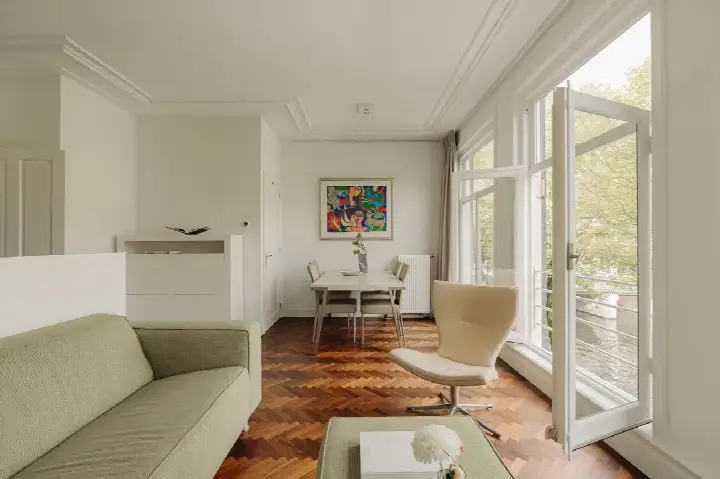
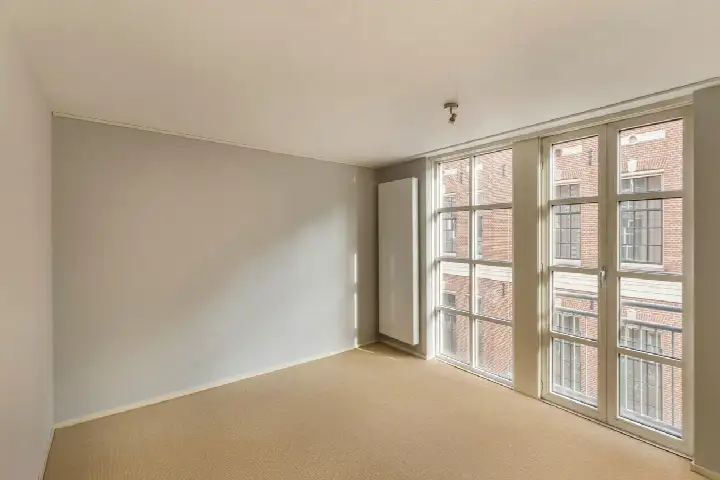


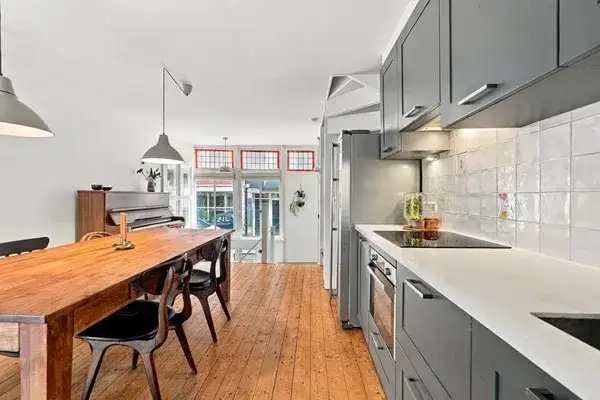
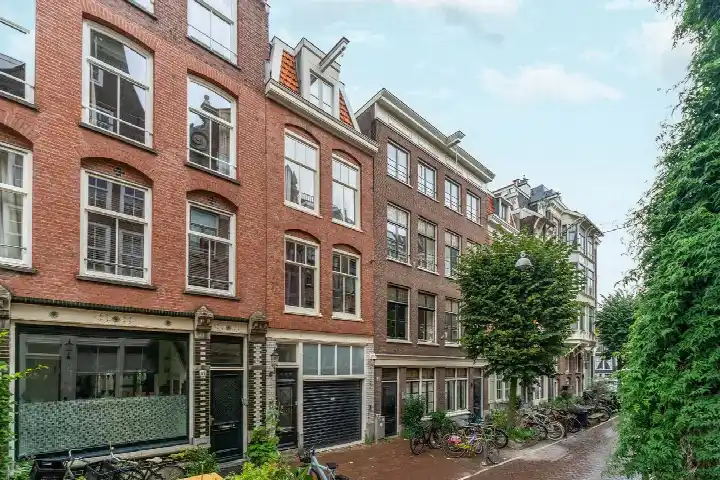
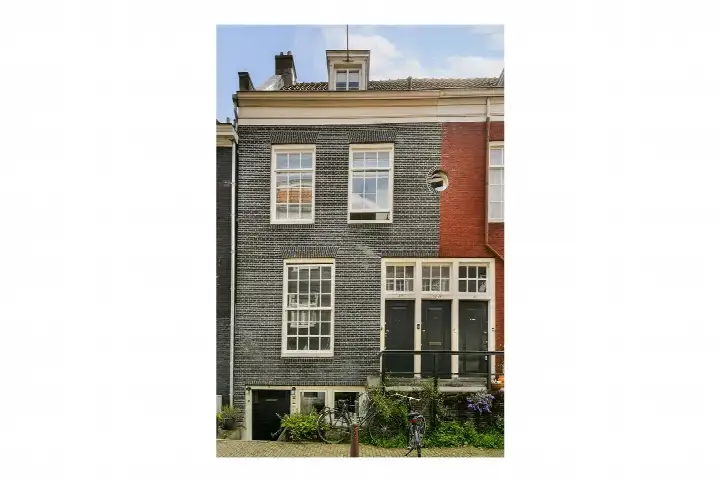

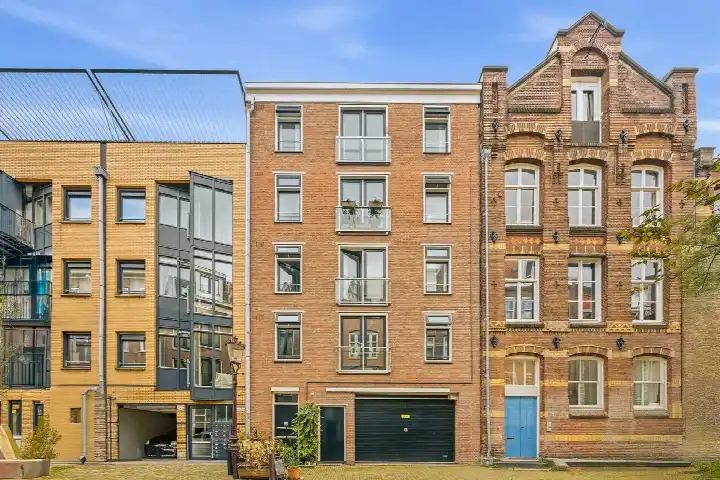
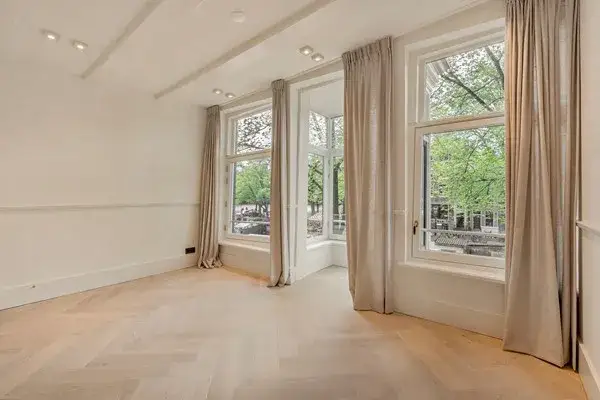



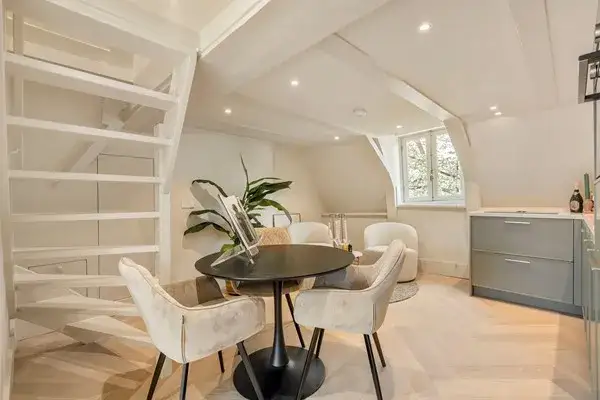
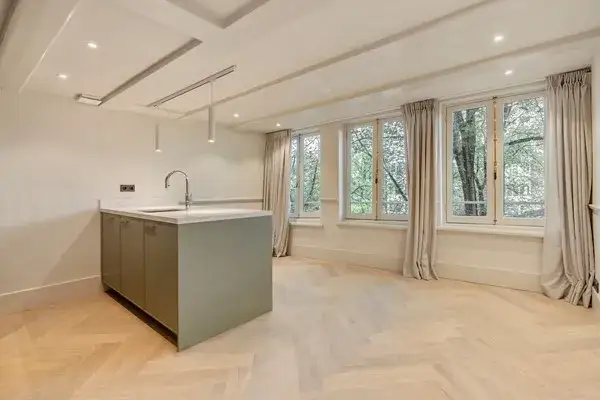
Utrechtsedwarsstraat 80H






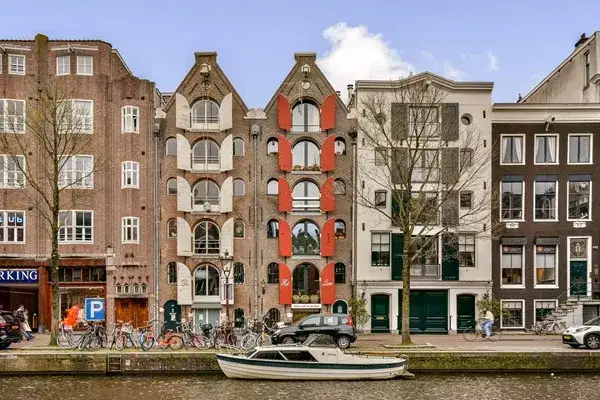


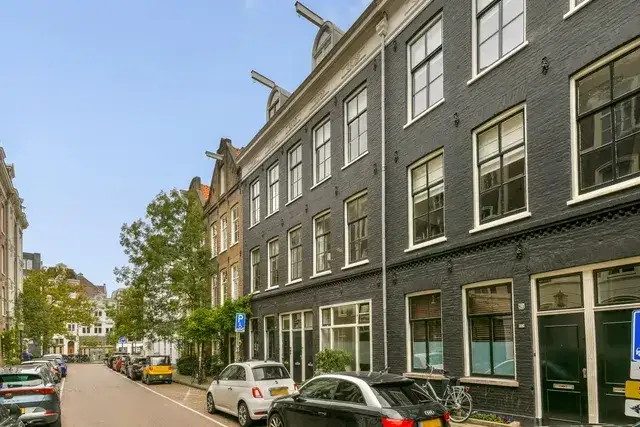
House prices in De Weteringschans: well above the Amsterdam average
De Weteringschans is not a cheap neighbourhood, and the figures speak for themselves. The average purchase price over the past twelve months was €972,504, with an average living area of 90 m². Prices range from €315,000 to €3,200,000, showing how broad the supply is: from compact apartments in older buildings to spacious canal-floor homes. The WOZ value of €723,000 is significantly higher than the Amsterdam average of €517,000, confirming the sought-after location. Only 37% of the housing stock is owner-occupied, the rest is rental housing, with private landlords dominating (52%). Apartments make up by far the largest share of the owner-occupied supply in this inner-city neighbourhood. At the top of the page, see the current listings and the average asking price at this moment.
Living on the edge of the canal belt: lively, well-connected and expensive
De Weteringschans lies on the transition between the canal belt and the nineteenth-century belt, and you can feel that in the atmosphere. It is a neighbourhood that never really stands still. Residents appreciate the liveliness, but Bodil Gerritsen describes it honestly: "It is incredibly busy here, which has pros and cons. There is a lot of noise and few rules because of that. But there is also a lot of cosiness and always something to do." She also points out a pain point: the involvement between neighbours leaves something to be desired. That picture is confirmed by the resident score on the neighbourhood page of De Weteringschans: an average of 7.6, with a notably low score for sense of community (5.7). Accessibility, on the other hand, scores excellently: a 9.3. That makes sense, because the neighbourhood is within walking distance of Amsterdam Central Station via the Vijzelgracht, and trams 7 and 19 run right through it. Leidseplein and Frederiksplein are within a five-minute bike ride.
For daily groceries, you hardly need to leave the neighbourhood. There are supermarkets on Leidseplein and in the surrounding streets, and the Utrechtsestraat area offers a mix of speciality shops, restaurants and cafés. Vondelpark is quickly reachable by bike, and Sarphatipark in De Pijp is also nearby for those in need of greenery. The score for green space (7.3) is reasonable for an inner-city neighbourhood. For school-age children, there are several primary schools in the immediate vicinity, and the education score of 8.5 is one of the neighbourhood's strongest points. Long-term residents like Henny and Mrs Fakkeldij, who have lived on the Amstel for over 25 years, praise the quiet atmosphere and helpful neighbours on the edges of the neighbourhood, showing that quieter corners also exist. The neighbourhood consists of several districts each with their own character: Leidsebuurt-Noordoost is busier and more urban, while Weteringbuurt feels somewhat quieter. Also Frederikspleinbuurt and Utrechtsebuurt-Zuid are worth exploring if you are looking for a home to buy in this part of the city. The municipality of Amsterdam provides up-to-date information on permits, parking and living in the city via amsterdam.nl.
For whom is buying in De Weteringschans realistic?
Living in De Weteringschans mainly attracts young professionals and dual-income couples: the largest group of residents is between 25 and 45 years old, and 61% have a high level of education. With an average purchase price of nearly one million euros, this is not a starter neighbourhood, although at the lower end of the market there are apartments from €315,000. When buying in De Weteringschans, take into account additional costs such as transfer tax (2% for owner-occupiers), notary fees and possible ground lease. Overbidding is common in this segment. If buying is not feasible now, check out the rental properties in De Weteringschans as an alternative.
Searching for a home to buy in De Weteringschans and surroundings
Buurtje.nl combines current housing listings with resident reviews and neighbourhood data, so you not only find a home but also know what to expect in the area. Feel free to compare De Weteringschans with other sought-after Amsterdam neighbourhoods such as Jordaan, Grachtengordel-West or Haarlemmerbuurt. For a broader overview of all homes for sale in Amsterdam, you can also search at the municipal level.
What is the average cost of a home in De Weteringschans?
The average purchase price in De Weteringschans over the past twelve months was €972,504, with an average living area of 90 m². Prices ranged from €315,000 to €3,200,000. The average WOZ value is €723,000, which is significantly higher than the Amsterdam average of €517,000.
What are the additional costs when buying a home in De Weteringschans?
When buying a home in De Weteringschans, in addition to the purchase price, you also pay transfer tax (2% if you are going to live there yourself), notary costs for the deed of transfer and mortgage deed, and possible estate agent fees. Also take into account ground lease, because part of the Amsterdam homes are on municipal ground lease land. Always have this checked before you make an offer.
What type of homes can you buy in De Weteringschans?
The supply consists almost entirely of apartments, often in nineteenth-century or early twentieth-century buildings along the canals and the larger streets. Detached houses or single-family homes are hardly available here. Buying an apartment in De Weteringschans usually means an upstairs apartment, porch apartment or basement in a historic building.
How is the accessibility if you buy a house in De Weteringschans?
Accessibility is excellent: residents give it a 9.3 on Buurtje.nl. The neighbourhood is well accessible by tram (lines 7 and 19 run through it), and Amsterdam Central Station is within cycling distance. By car, you are quickly on the A10 ring road. Parking is a challenge though: the neighbourhood falls in a paid parking area and a permit is not always immediately available.
Is De Weteringschans a suitable neighbourhood to buy a home as a family?
The neighbourhood has several primary schools nearby and scores high on education (8.5). For families with young children, the bustle of the area is a point of attention: the neighbourhood is lively and sometimes noisy, especially around Leidseplein. Spacious homes are scarce and expensive. Families looking for more peace and quiet could also look at Den Texbuurt or Leidsebuurt-Zuidwest, which are slightly quieter in character.
My husband and I have lived on the Amstel for 26 years; we came from the Noorderdwarsstraat near the Prinsengracht. We are very satisfied here. Living here is very cosy, very kind neighbours, helpful, now a bit less due to age. Extremely nice living, very dear people around us and we have good contact with them, and if my husband and I can help someone, I do that too, someone who lost his wife. Good contact with the neighbours, a small word can do people good. The building is and has been well maintained, is kept clean, etc., nothing but praise for the building and the handymen on the Prinsengracht... corner Prinsengracht, we have lived here for about 30 years now. And we are satisfied people and hope to be allowed to stay here for a long time. Fam Fakkeldij, Amstel 298 G
Auto-translated to English by AIVery nice quiet neighbourhood, friendly neighbours, helping each other, looking out for each other when needed... we are satisfied people... we hope to enjoy our little spot on the Amstel for a long time...
Auto-translated to English by AIIt's incredibly busy here, which has both advantages and disadvantages. There's a lot of noise and few rules because of it. But there's also plenty of cosiness and always something to do! I think it's a shame that the residents are not at all involved with each other. This would be the biggest point for improvement.
Auto-translated to English by AI