Homes for sale in Het Woud, Oss
Discover the current supply of homes for sale in Het Woud and compare prices, neighbourhood data and resident reviews directly on this page.

House prices and market figures Het Woud, Oss
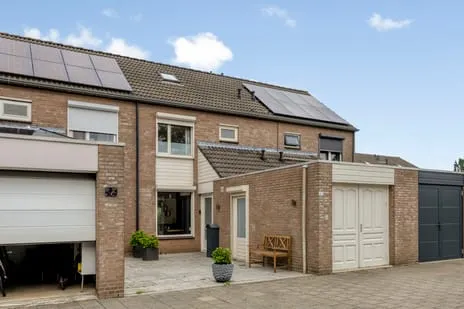
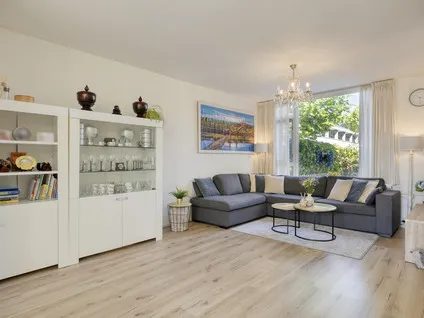
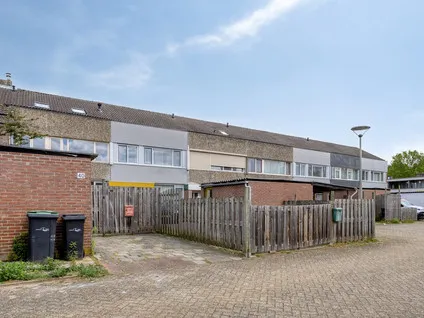
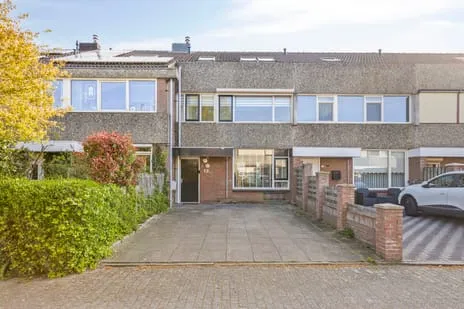
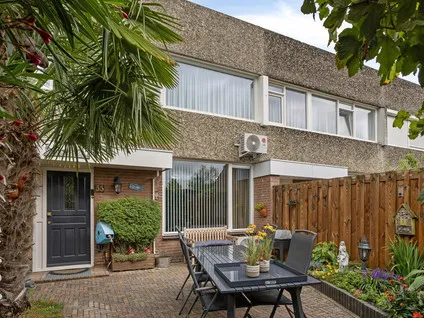
In Het Woud, 62% of the housing stock is owner-occupied, giving the neighbourhood an owner-occupier character. The average WOZ value is €286,000, equal to the district average of Ruwaard, but clearly below the municipal average of Oss (€346,000). That difference is striking because actual selling prices are significantly higher: over the past twelve months, fifteen homes were sold in Het Woud with an average purchase price of €439,267. The range ran from €350,000 to €765,000, indicating that both more affordable homes and larger detached houses come onto the market. With an average living area of 148 m², the price per square metre comes to approximately €2,968. The supply mainly consists of ground-floor family homes, including terraced houses and semi-detached houses from the 1970s and 1980s. Current asking prices and selling times can be found in the property overview at the top of this page.
Living in Het Woud, Oss
Het Woud is a quiet residential neighbourhood in the west of Oss, part of the Ruwaard district. The name hints at its character: green, somewhat secluded, with a neighbourhood feel that you find less often in more urban parts of Oss. The streets are generally quiet, the homes often have a garden, and there is ample parking, something residents regularly mention as a plus.
The housing stock largely dates from the 1970s and 1980s. That means terraced houses and semi-detached houses with reasonable space, but also that with older homes you need to consider energy improvements. The average energy consumption in the neighbourhood is on the high side at 1,150 m³ of gas per year, confirming that insulation still needs attention in many homes. Anyone buying a home in Het Woud would do well to compare energy labels carefully.
For daily shopping, you hardly need to leave the neighbourhood. On the edge of Ruwaard, supermarkets are reachable by bike, and the city centre of Oss is about ten to fifteen minutes away by bike. Oss has a NS railway station with direct connections to Den Bosch and Nijmegen, among others, and for motorists, the A59 is easily accessible, making the location convenient for the Randstad and Brabant cities. Bus connections from the neighbourhood take you to the centre and the station.
Primary schools are available in the immediate vicinity, and for secondary education you head to Oss centre. Sports clubs in Ruwaard offer opportunities for football, tennis and fitness. There are also playgrounds and smaller green strips in the neighbourhood itself, although the Oss city park for more extensive greenery is a few minutes away by bike.
Residents appreciate the quiet character and affordable atmosphere compared to other neighbourhoods in Oss. One resident writes: "Het Woud is a nice, quiet neighbourhood to grow up in. Neighbours know each other, it's green and you're quickly out of the city." Critical comments sometimes concern the outdated appearance of some streets and the limited shopping facilities directly in the neighbourhood itself. On the neighbourhood page of Het Woud you can read all resident reviews and see scores per category such as liveability, greenery and safety.
Compared to neighbourhoods like Dichtersbuurt and Staatsliedenbuurt, Het Woud has a greener and quieter profile. Van Hogendorplaan-West and Vondellaan-Zuid are other neighbourhoods in Ruwaard that offer a similar living environment, but each with its own street scene and housing supply.
For whom is a home in Het Woud a good choice?
Het Woud mainly appeals to families and home-movers looking for space without paying the prices of new-build estates. The combination of ground-floor homes, a quiet environment and an average purchase price of €439,267 makes the neighbourhood accessible for those who have already built up some equity. First-time buyers will find that even entry-level homes are around €350,000, making financing a challenge. Honestly, the supply is limited: with fifteen sales in a year, the market is not large, and popular homes go quickly. If you want to be flexible, you can also look at rental homes in Het Woud as an intermediate step.
What residents say about Het Woud
Residents generally rate Het Woud positively, with relatively high scores on peace, greenery and social cohesion. The neighbourhood scores less well on shopping facilities and entertainment options, but that also fits its residential character. One resident sums it up aptly: "Quiet, green, good neighbours. Not exciting, but that's exactly why I live here." View all reviews and sub-scores on the overview page of Het Woud.
Compare homes for sale in and around Het Woud
On Buurtje.nl you can find homes for sale in Het Woud from more than 1,500 sources, combined with resident reviews and neighbourhood data that you won't find on one page anywhere else. This way you first understand whether the neighbourhood suits you before planning a viewing. Want to compare more broadly? Then view the full range of homes for sale in Ruwaard, explore adjacent neighbourhoods like Euterpelaan-Noord or Wagenaarstraat and surroundings, or broaden your search to all homes for sale in Oss. More background on the municipality can be found on the municipality page of Oss and on the official website of the municipality of Oss.
Frequently asked questions
What does a home cost in Het Woud?
Over the past twelve months, the average purchase price in Het Woud was €439,267. The range ran from €350,000 to €765,000, depending on the type of home and its state of maintenance. With an average living area of 148 m², the price per square metre comes to approximately €2,968. Entry-level homes are therefore available, but first-time buyers must take into account a significant financing requirement.
What is the WOZ value in Het Woud?
The average WOZ value in Het Woud is €286,000, equal to the average of the Ruwaard district. By comparison, the municipal average of Oss is €346,000, meaning Het Woud scores below the Oss average. However, actual selling prices are considerably higher than the WOZ value, which is a common phenomenon in the current market.
What is it like to live in Het Woud?
Het Woud is a quiet, green residential neighbourhood in the west of Oss, part of the Ruwaard district. The atmosphere is calm and community-oriented, with many ground-level homes and ample parking space. Residents appreciate the tranquillity and social cohesion, although the range of shops directly in the neighbourhood is limited. On the neighbourhood page of Het Woud you will find all resident scores per category.
Is Het Woud suitable for families with children?
Based on demographic data, Het Woud is certainly family-friendly: the 0-15 age group has 215 residents and the 25-45 age group is the largest with 370 residents. Primary schools are nearby, and the quiet streets with play areas and green strips make the neighbourhood suitable for families. Movers with existing equity will have the best opportunities when buying in Het Woud.
How accessible is Het Woud?
Het Woud is located in the west of Oss, about ten to fifteen minutes by bike from the city centre and Oss NS railway station. Direct trains run from the station to Den Bosch and Nijmegen. For motorists, the A59 is easily accessible, with good connections to the Randstad and other Brabant cities. Bus services take you from the neighbourhood to the centre and the station.
What type of homes are for sale in Het Woud?
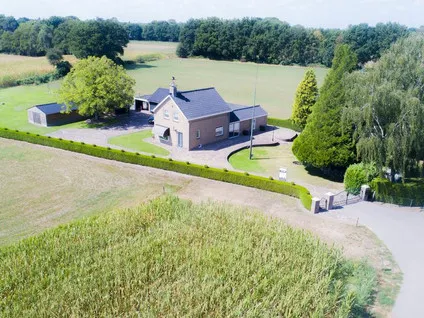
The housing supply in Het Woud mainly consists of ground-level single-family homes: terraced houses and semi-detached houses, largely built in the 1970s and 1980s. Buying apartments in Het Woud is less common; the supply here is limited. Detached houses occur incidentally, which explains the higher outliers in the sales range. The average living area of 148 m² indicates that the homes have a reasonable size.
What about the energy performance of homes in Het Woud?
The average gas consumption in Het Woud is 1,150 m³ per year, which is on the higher side and points to relatively poor insulation in part of the housing stock. This is not surprising given the construction period of the 1970s and 1980s. Anyone wanting to buy a home in Het Woud would be wise to check the energy label carefully and take into account any sustainability costs after purchase.