Homes for sale in Prinsessenbuurt, Loon op Zand
Discover the current supply of homes for sale in Prinsessenbuurt and check prices, selling times and neighbourhood data to determine if this area suits you.

House prices and market figures for Prinsessenbuurt, Loon op Zand
House prices in Prinsessenbuurt are clearly above the average for both the district and the municipality. The average WOZ value is €414,000, compared to €370,000 for the wider district Kaatsheuvel-Oost and €365,000 for the municipality of Loon op Zand as a whole. This difference is no coincidence: 65% of the housing stock consists of owner-occupied homes, and the homes sold here are typically large in size.
Over the past twelve months, six homes changed hands, with an average sale price of €705,000 and an average living area of 237 m². That works out at roughly €2,975 per square metre. The range runs from €395,000 to €1,120,000, indicating that both spacious family homes and truly large detached houses are traded here. Supply is limited and the market is selective. Current asking prices and selling times can be found at the top of this page in the live overview.
Living in Prinsessenbuurt, Loon op Zand
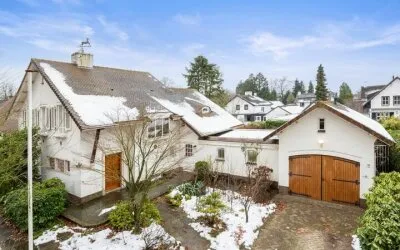
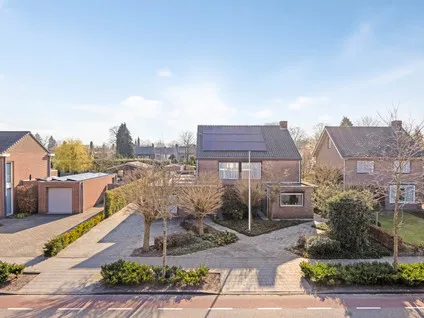
Prinsessenbuurt is a quiet, green residential neighbourhood on the eastern side of Kaatsheuvel, located in the municipality of Loon op Zand. The neighbourhood has a distinct character: wide streets, plenty of greenery between the homes, and a population composition that mainly consists of families and middle-aged residents. The largest age group is 45 to 65 years (190 residents), followed by those aged 65 and over (180 residents). This gives the neighbourhood a calm, stable character. People who live here consciously choose space and tranquillity, not liveliness and bustle.
The homes are predominantly detached or semi-detached, with spacious plots and gardens. The construction period is largely from the 1980s and 1990s, with some newer projects. Terraced houses or apartments are the exception here. Anyone considering buying an apartment in Prinsessenbuurt will find that supply is limited. The neighbourhood is truly intended for people seeking space.
In terms of amenities, the neighbourhood is self-sufficient except for daily groceries. The centre of Kaatsheuvel, with supermarkets, shops and eateries, is within cycling distance. Primary schools in the immediate vicinity serve families with children (105 households with children in the neighbourhood). Sports clubs and recreational facilities are well represented in Kaatsheuvel-Oost as a whole. The Efteling theme park, which helps put the municipality of Loon op Zand on the map, is a few minutes' drive away.
Accessibility by car is good. Via the N261 you can quickly reach Tilburg (about 15 minutes) and Den Bosch (about 25 minutes). There is no train station in the immediate vicinity; the nearest stations are Waalwijk or Tilburg, both reachable by bus or car. Bus services from Kaatsheuvel run towards Tilburg and surrounding towns, but the neighbourhood is clearly car-oriented. If you rely on public transport daily, it is best to keep that in mind.
Residents appreciate the peace, space and green appearance of the neighbourhood. One resident writes: "You really live quietly here, the streets are wide and the neighbours know each other. You can tell people consciously chose this." Less positive are some residents about the limited walking distance to amenities and the dependence on the car. Read all reviews on the Prinsessenbuurt overview page, where neighbourhood scores per category are also available.
Compared to neighbouring areas such as Heikant and Els (west), Prinsessenbuurt has a higher price level and larger homes. If you are looking for something more compact or affordable, you could also consider Rooi Dorp or the other neighbourhoods within Kaatsheuvel-Oost.
Who is buying in Prinsessenbuurt interesting for?
Prinsessenbuurt best suits movers and established families who consciously choose space, peace and a quality owner-occupied home. With an average sale price of €705,000, this is not a neighbourhood for first-time buyers or those on a limited budget. The range starts at €395,000, but homes in that segment are rare and sell quickly. Overbidding is realistic in this segment. Seniors looking for a quiet environment with spacious homes will also find their place here, given the large group of over-65s. Are you looking for a rental property as an alternative or stepping stone? Then check the supply of rental homes in Prinsessenbuurt.
What residents say about Prinsessenbuurt
Residents rate Prinsessenbuurt positively for peace, safety and the green environment. Criticisms focus on the limited walkability to daily amenities and the dependence on the car. One resident sums it up aptly: "It's quiet and safe here, children play outside on the street. But without a car, you can't get around." All reviews, sub-scores per category and neighbourhood data can be found on the main page of Prinsessenbuurt.
Comparing homes for sale in and around Prinsessenbuurt
Buurtje.nl combines property listings from more than 1,500 sources with resident reviews and neighbourhood data, so you not only search for a home but also understand whether the neighbourhood suits you. Compare Prinsessenbuurt with other neighbourhoods in Kaatsheuvel-Oost, view the broader supply of homes for sale in Loon op Zand, or explore adjacent districts such as Kaatsheuvel-West and De Moer. More about the municipality can also be found on the official website of the municipality of Loon op Zand.
Frequently asked questions
What is the cost of a home in Prinsessenbuurt?
Over the past twelve months, the average purchase price in Prinsessenbuurt was €705,000, with a range from €395,000 to €1,120,000. The average home has an area of 237 m², which works out to about €2,975 per square metre. These are predominantly spacious detached and semi-detached homes.
What is the WOZ value in Prinsessenbuurt?
The average WOZ value in Prinsessenbuurt is €414,000. This is clearly above the district average of Kaatsheuvel-Oost (€370,000) and the municipal average of Loon op Zand (€365,000). This reflects the higher property type and larger plots characteristic of this neighbourhood.
What is it like living in Prinsessenbuurt?
Living in Prinsessenbuurt means choosing peace, space and a green living environment. The neighbourhood has wide streets, many detached homes and a stable population composition with many families and middle-aged residents. Residents appreciate the safety and social cohesion, but also indicate that you need a car for daily shopping and amenities.
Is Prinsessenbuurt suitable for families with children?
Yes, the neighbourhood is well suited for families. There are 105 households with children, primary schools are nearby, and the quiet streets make the neighbourhood child-friendly. However, it is good to know that prices are high: a home in Prinsessenbuurt costs an average of €705,000, which makes the neighbourhood less accessible for young families with a limited budget.
How accessible is Prinsessenbuurt?
Prinsessenbuurt is easily accessible by car. Via the N261 you can reach Tilburg in about 15 minutes and Den Bosch in about 25 minutes. There is no own train station; the nearest stations are Waalwijk and Tilburg. Bus services run to Tilburg and surrounding towns, but the neighbourhood is clearly car-oriented. If you commute daily by public transport, it is best to take that into account.
What types of homes are for sale in Prinsessenbuurt?
The supply mainly consists of detached and semi-detached homes, mostly built in the 1980s and 1990s. The average home has an area of 237 m², indicating spacious houses. Buying an apartment in Prinsessenbuurt is not very realistic, as this type of home is hardly present here. The annual sales volume is limited: in the past twelve months, six homes changed hands.
How much green space is there in Prinsessenbuurt and what is the parking pressure like?
Prinsessenbuurt is characterised by relatively much greenery between the homes and spacious plots. Parking is generally not a problem, as most homes have their own driveway or garage. The low population density (675 residents on 289 homes) ensures that the public space is not overloaded, which contributes to the quiet character of the neighbourhood.