





3,902 homes for sale in Province of Groningen
View the current supply of homes for sale in Groningen, from the city to the countryside. Compare prices, neighbourhood scores and resident reviews to find the right neighbourhood.


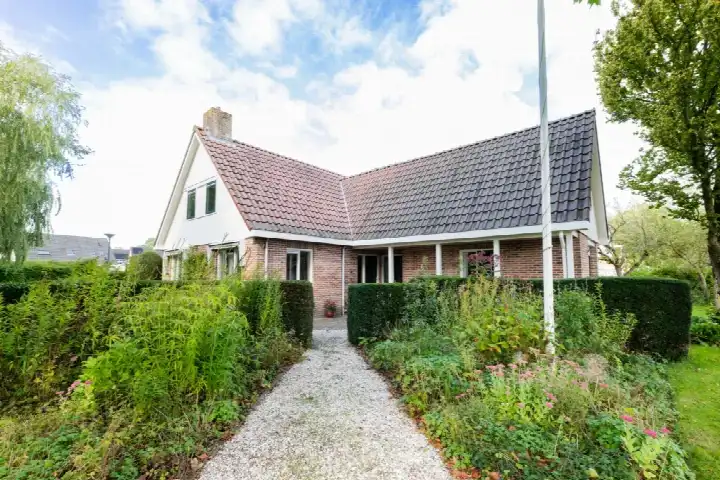
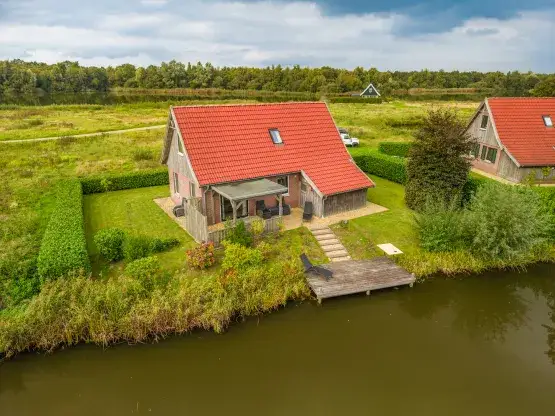
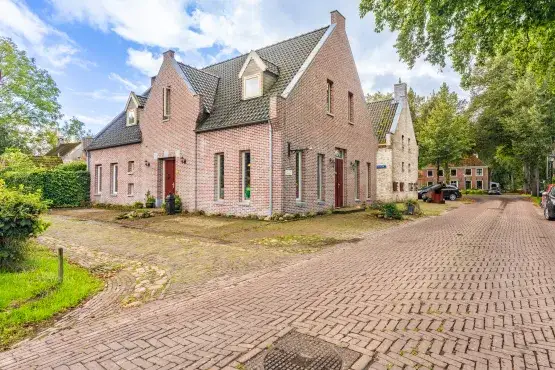


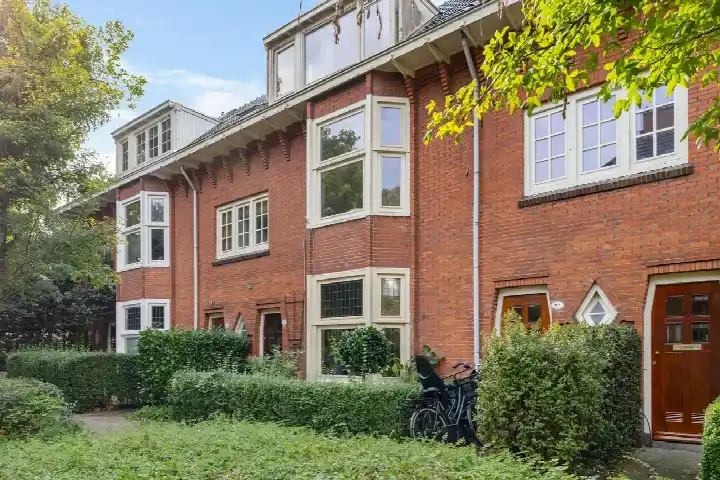

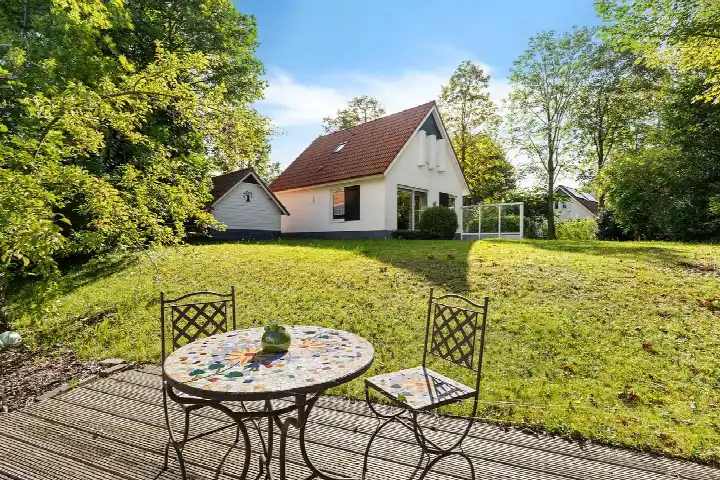



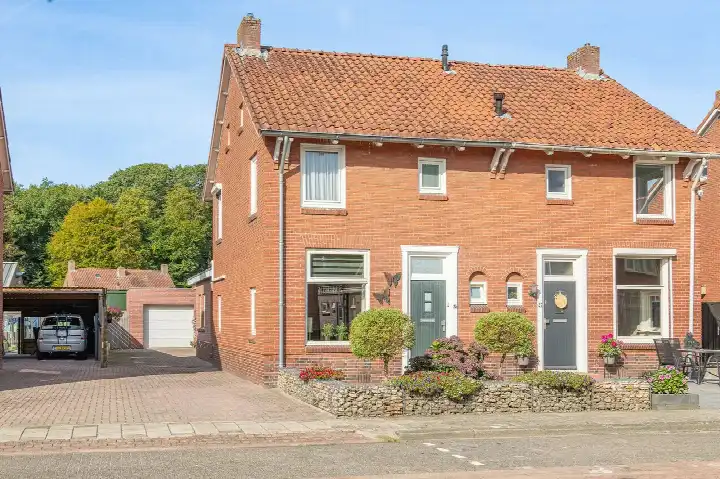
Molenweg 35


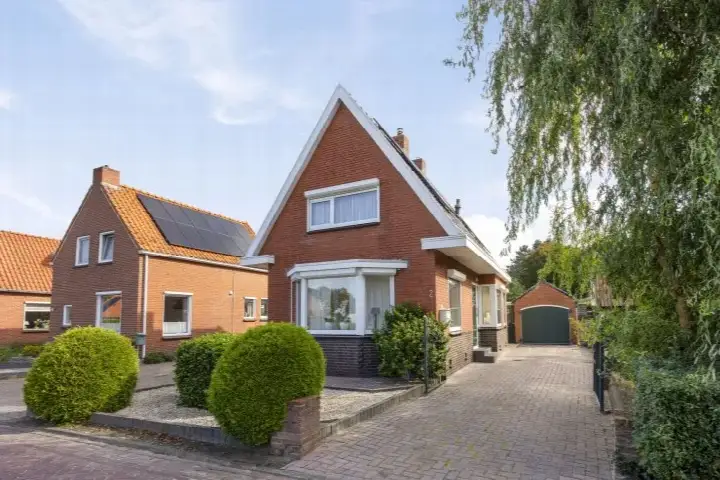
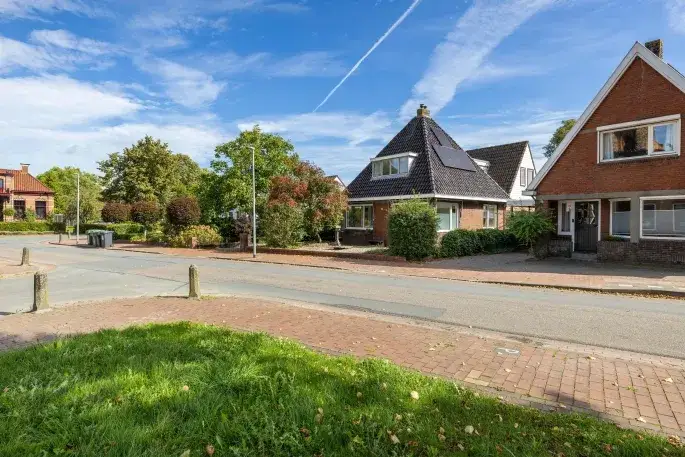


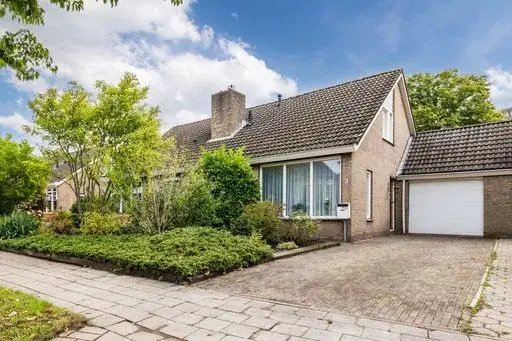


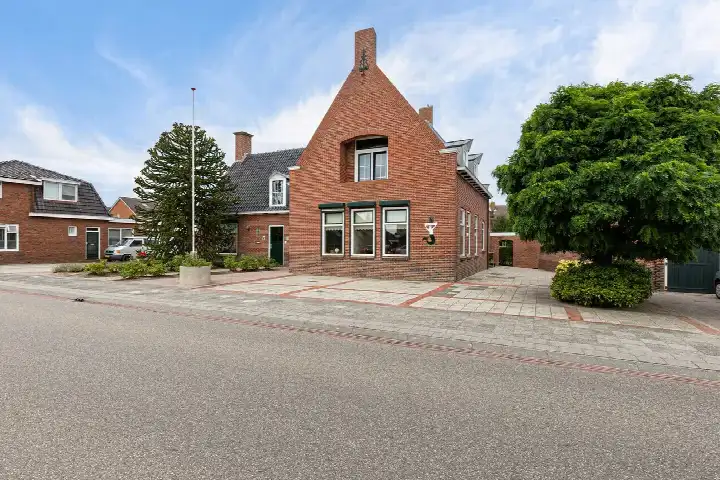
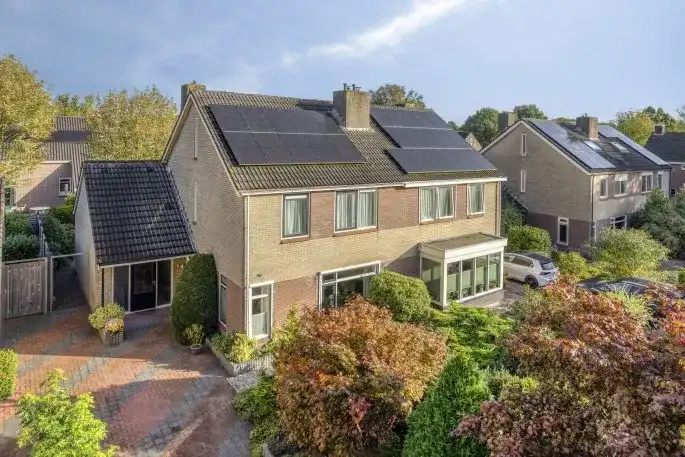
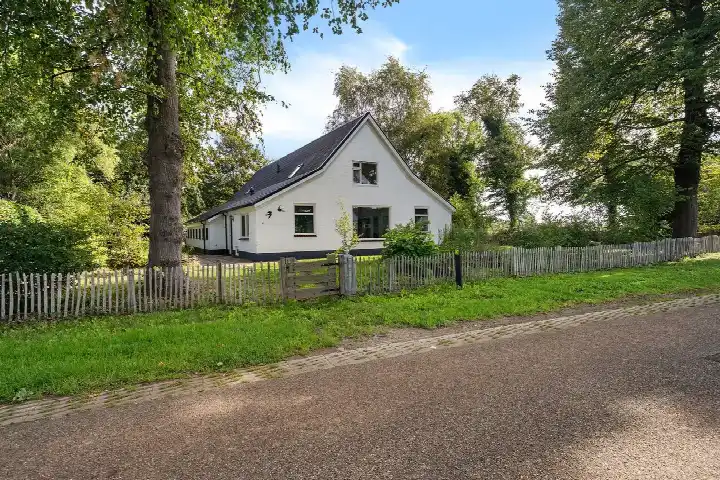

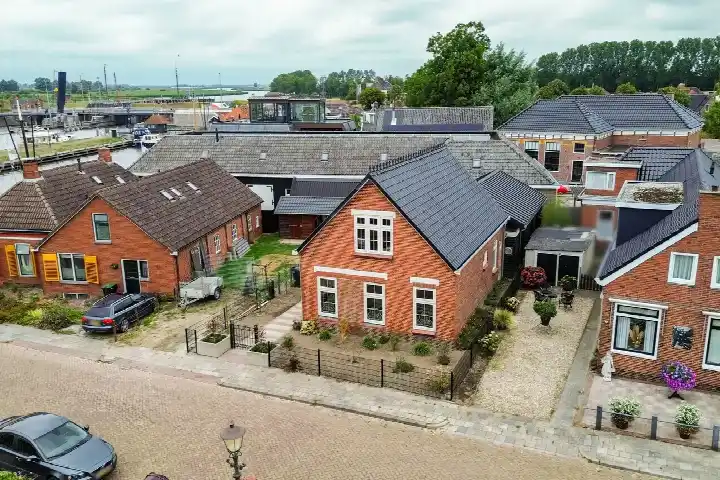


Buying a house in Groningen: what does it cost and where should you look?
The province of Groningen is one of the most affordable regions in the Netherlands to buy a house. The average purchase price over the past year was €393,084, with a range from €105,000 to €2,850,000. That is significantly lower than the national average, making Groningen attractive for first-time buyers who miss out elsewhere. The average WOZ value is €268,061 and the owner-occupied to rental ratio is fairly balanced: 54% of homes are owner-occupied, 46% are rental. This means that in many municipalities there is a decent supply for those who want to buy.
The province's economy is increasingly driven by knowledge and energy. The University of Groningen and the UMCG are major employers, as is the growing sustainable energy sector in the Eemshaven. Accessibility is good via the A7 and A28, and Groningen's main station offers direct train connections to Zwolle, Leeuwarden and (via a transfer) the Randstad. Those willing to commute a bit longer get a lot more living space in return. The average living area of sold homes is 134 m², which is unthinkable in the Randstad for similar prices.
From student city to Wadden coast: the municipalities for buyers at a glance
The province of Groningen has ten municipalities that differ greatly in character. From the bustling city of Groningen to the tranquillity of Het Hogeland and the peat-colony villages in the east. Below is an overview of the most important areas for home buyers.
Municipality of Groningen: urban living with everything at hand
With nearly 244,000 inhabitants, the city of Groningen is by far the largest municipality and the beating heart of the province. Here you will find the most supply, from apartments in the city centre to family homes in neighbourhoods like Helpman and Haren. The municipality scores a 7.6 from residents based on 180 reviews. Buyers here must reckon with higher prices than the provincial average, especially in popular neighbourhoods. Buying an apartment in Groningen city is often the first step for first-time buyers. The level of amenities is excellent: hospitals, universities, cultural institutions and a vibrant nightlife. Disadvantage: in sought-after neighbourhoods, bidding above the asking price is common.
Westerkwartier: space and village feel close to the city
Immediately west of the city lies Westerkwartier, a municipality with nearly 65,000 inhabitants spread over villages such as Leek, Marum and Zuidhorn. Residents give it a 7.7 score and particularly appreciate the tranquillity and green character. This is a popular area for families who want to escape the city but still be within a quarter of an hour of the Groningen ring road. House prices here are below the provincial average, and you get a garden and a driveway in return. If you are looking for a detached house with space, this is a good place.
Het Hogeland: wide skies and the highest resident scores
With a score of 8.0 based on 13 reviews, Het Hogeland is one of the best-rated municipalities in the province. Places like Bedum, Winsum and Uithuizen offer a quiet life with views over the flat Groningen countryside towards the Wadden Sea. Prices here are remarkably low compared to the west of the Netherlands. This is not a place for those who need to commute to the Randstad daily, but for those seeking peace, space and a close-knit village community. There are primary schools, GPs and supermarkets, but for specialised shops or culture you drive to the city.
Veendam and Westerwolde: surprisingly highly rated
Two municipalities that stand out for their high resident ratings are Veendam (8.8 from 11 reviews) and Westerwolde (8.5 from 6 reviews). Veendam is a compact municipality with good amenities and a train station towards Groningen. Westerwolde, with places like Vlagtwedde and Ter Apel, is the most forested part of the province. Here you buy spacious homes for prices that sound unbelievable in the rest of the Netherlands. One resident wrote: "Finally a garden where the children can really play, and for a fraction of what we would have paid in the west." Both municipalities are suitable for movers and families who consciously choose a quieter life.
In the east of the province lie Midden-Groningen (score 7.1) and Oldambt (score 7.3). Midden-Groningen, with Hoogezand as its largest centre, is a mix of ribbon villages and new-build neighbourhoods. The scores are slightly lower, partly due to the earthquake issues that have affected this region for years. When buying, always check whether a home falls within the earthquake zone and what the status of any reinforcement operations is. Oldambt, with Winschoten as its centre, offers affordable owner-occupied homes and a surprisingly lively centre with shops and catering.
Furthermore, there are Stadskanaal (7.4), Eemsdelta (7.5) and Pekela (7.5). Stadskanaal and Pekela are typical peat-colony municipalities with ribbon development and affordable homes. Eemsdelta, with Delfzijl and Appingedam, is in transition: the chemical industry and the Eemshaven offer employment, but here too the earthquake issue plays a role. For a complete overview of all municipalities and their resident experiences, you can visit the provincial overview page of Groningen.
What should you look out for when buying a home in Groningen?
An owner-occupied home in Groningen offers good value for money, but there are a few things you as a buyer need to be extra alert to. The most Groningen-specific point of attention is the earthquake issue. In parts of the province, especially in municipalities like Midden-Groningen, Eemsdelta and Het Hogeland, homes have been affected by gas extraction. Always have a structural survey carried out and inquire with the Institute for Mining Damage about the status of the property. This can affect the value and insurability.
For first-time buyers, the city of Groningen is the most popular, but competition is also greatest there. Consider municipalities like Westerkwartier or Veendam if you want more space for a lower budget. In addition to the purchase price, take into account additional costs: 2% transfer tax (or exemption for first-time buyers under conditions), notary costs, valuation and possibly a buying agent. Together this can amount to 5-6% on top of the purchase price. If you are not yet ready to buy, you can also look at rental homes in the province of Groningen as an intermediate step. The website of the province of Groningen also provides information on regional schemes for home improvement and sustainability.
View the current supply of homes for sale in Groningen
At the top of this page you will find the current supply of homes for sale in Groningen, including filters on price, surface area and municipality. Buurtje.nl adds something essential to this: for each neighbourhood you see the scores and reviews from people who actually live there. This way you not only know what a home costs, but also what life in that street or neighbourhood really looks like. View the neighbourhood scores, read the experiences and make a choice that goes beyond just the asking price.
What does a home cost in Groningen?
The average purchase price in the province of Groningen was €393,084 last year. Prices vary widely: from around €105,000 for a simple home in the east to €2,850,000 for the most expensive properties. The average WOZ value in the province is €268,061.
Which municipalities in Groningen are the cheapest to buy a home?
The lowest purchase prices are found in municipalities such as Pekela, Stadskanaal, Oldambt and Westerwolde. Here prices are well below the provincial average of €393,084. When buying in the earthquake area, pay attention to the structural condition of the home.
Which municipality in Groningen scores best with residents?
Veendam scores the highest with residents at 8.8, followed by Westerwolde at 8.5 and Het Hogeland at 8.0. The city of Groningen scores 7.6 based on 180 reviews. These scores are based on ratings from actual residents.
Is Groningen a good province to buy a home?
Groningen offers relatively good value for money: the average living area of sold homes is 134 m². Employment is growing, especially around the university, the UMCG and the energy sector in the Eemshaven. Disadvantages are the distance to the Randstad and the earthquake issues in parts of the province.
What should I look out for when buying a home in the earthquake area?
Always have a structural survey carried out and check with the Institute for Mining Damage whether there are any damage claims or reinforcement operations in progress. The earthquake issues mainly affect municipalities such as Midden-Groningen, Eemsdelta and parts of Het Hogeland. This can affect the value and insurability of the home.
What are the additional costs when buying a home in Groningen?
In addition to the purchase price, you pay 2% transfer tax (first-time buyers under 35 are exempt under certain conditions up to the threshold), notary costs for the deed of transfer and mortgage deed, valuation costs and possibly a buying agent. Budget for 5-6% extra on top of the purchase price.
Can I buy an apartment in Groningen as a first-time buyer?
Yes, especially in the city of Groningen there is a supply of apartments for first-time buyers. Competition is greatest there and overbidding occurs in popular neighbourhoods. In smaller municipalities such as Veendam or Stadskanaal, prices are lower, but the supply of apartments is more limited.
How accessible is the province of Groningen?
The city of Groningen is easily accessible via the A7 and A28. Direct trains run from Groningen Central Station to Zwolle, Leeuwarden and Assen. The travel time to the Randstad is about two hours by train. Within the province, many villages are mainly accessible by car; public transport is limited in rural areas.
Resident scores from reviews on Buurtje.nl. Click for statistics, amenities and experiences per neighbourhood.
Goede bereikbaarheid met openbaar vervoer. Betrokken buren. Basisonderwijs aanwezig. Wij wonen hier nu 2,5 jaar. En zijn opgenomen in de gemeenschap. Erg fijn.
Auto-translated to English by AIIk woon hier nu, met ups en downs qua lawaai/herrie, nu 12,5 jaar. Altijd gekozen om hier toch te blijven, gezien de fijne buren en nette straat, met de mooie Hamburgervijver om de hoek waar ik graag eens zit te relaxen. Alle voorzieningen vlakbij en bushalte aan de kade, ideaal als je vaak en graag reist :). Ik voel me hier onderhand erg veilig, in al die tijd alleen eens een brand geweest maar verder kun je hier rustig je leventje leven, veelal hoog opgeleide buren, wat prettig is in het contact. Ik ben blij dat ik hier nog steeds woon.
Auto-translated to English by AIMooie huizen, goede voorzieningen, rustig, zo in de stad. toppp
Auto-translated to English by AIPeople are friendly, I enjoy living here.
Auto-translated to English by AII've been living in Winschoten-Noord for years and it's lovely here. There are many parks nearby for nice walks with the dog and the children. The amenities are also in good order: schools, supermarket and a good connection to both the centre and Blauwestad. A few more charging points could be installed, but we can't complain in this neighbourhood. I also always feel safe.
Auto-translated to English by AIIdeally situated. Everything close by.
Auto-translated to English by AIGood
Auto-translated to English by AIClose-knit neighbourhood looks out for each other
Auto-translated to English by AIOffices with the most homes in Groningen on Buurtje.nl, last 12 months.
 ben-s.nlGroningen678 homes
 Gruno VastgoedGroningen476 homes
 Makelaar IdeeGroningen313 homes
Jonkman GarantiemakelaarsLeek311 homes
Brandsma & De JongDelfzijl294 homes
De Wit GarantiemakelaarsHoogezand287 homes
 Riant Makelaars GroningenGroningen278 homes
 PandomoGroningen261 homes
LamberinkAssen251 homes
 MakelaarWijGroningen220 homes