Homes for sale in Wittevrouwen, Utrecht
Check the current supply of homes for sale in Wittevrouwen and discover if this popular Utrecht neighbourhood suits you.



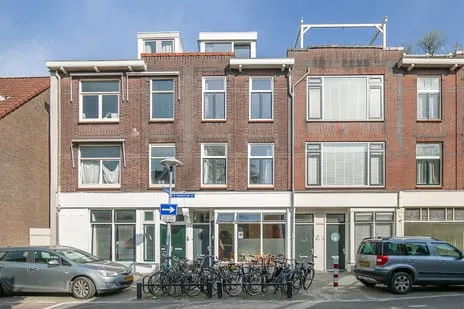

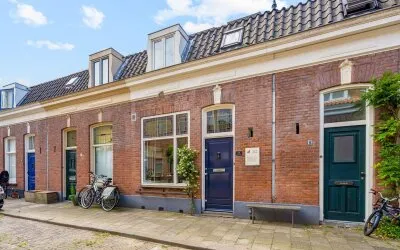
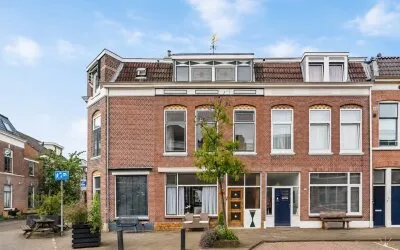
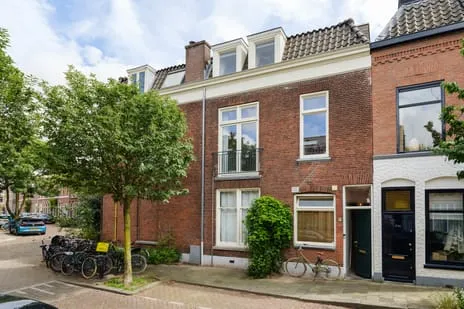
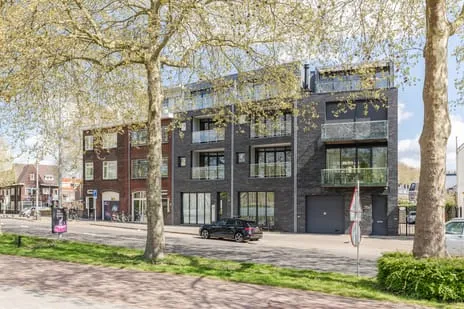
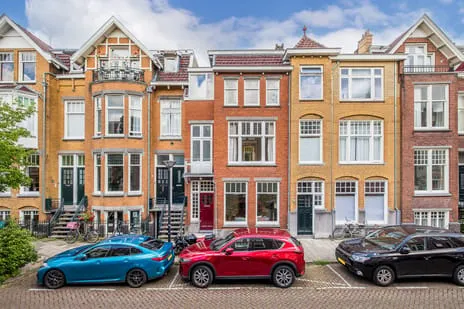
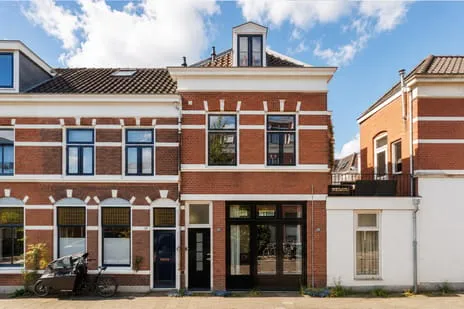

House prices and market figures in Wittevrouwen, Utrecht
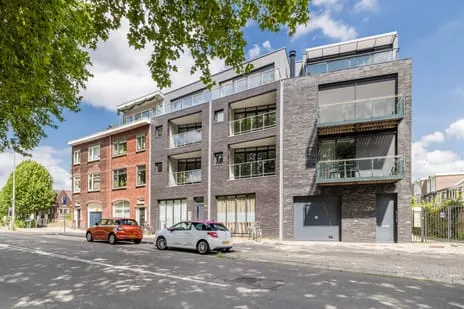
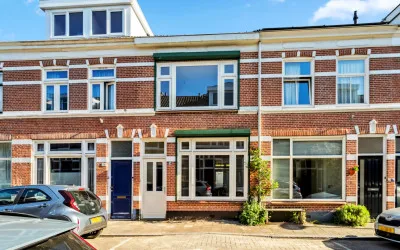
Wittevrouwen is a neighbourhood where buying is the norm: 61% of the more than 3,000 homes are owner-occupied, compared to 38% rented. The average WOZ value is €555,000, which is slightly above the average for the Noordoost district (€538,000) and significantly higher than the Utrecht average of €458,000. In the past twelve months, 26 homes changed hands for an average purchase price of €563,038. The range is notably wide: from €154,500 for a small apartment to €845,000 for larger properties. With an average living area of 99 m², the price per square metre comes to around €5,687. The supply largely consists of apartments and upstairs flats in pre-war buildings, supplemented by a smaller number of single-family homes. Check the top of this page for current listings and the most recent asking prices.
Living in Wittevrouwen, Utrecht
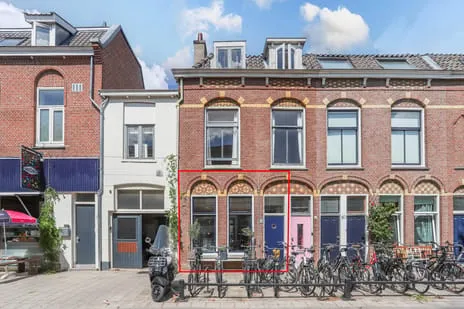
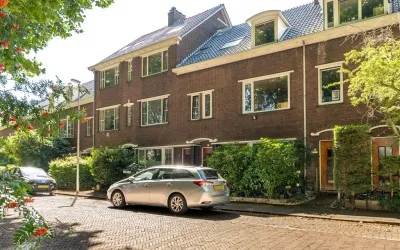
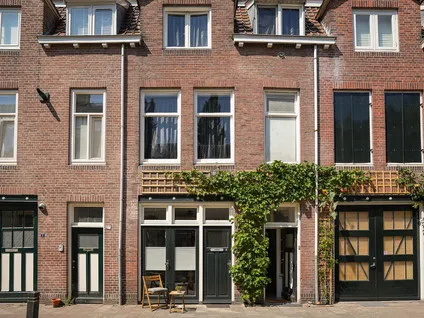
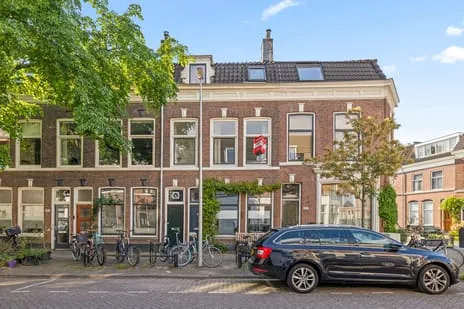
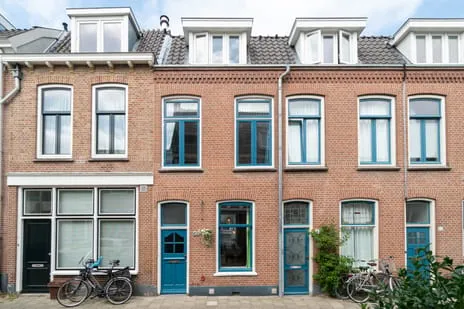
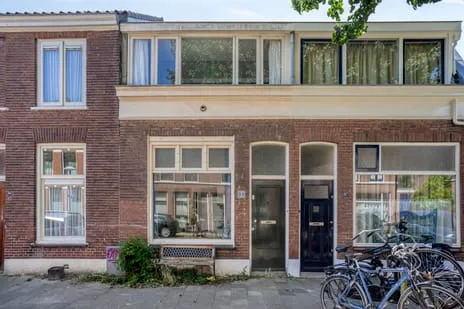
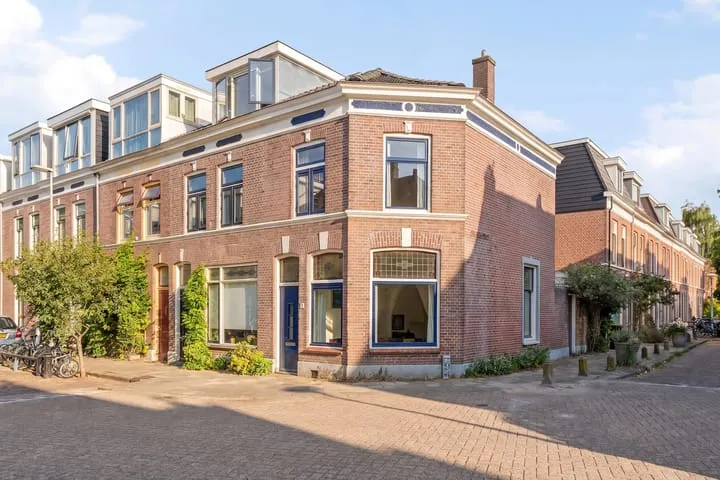
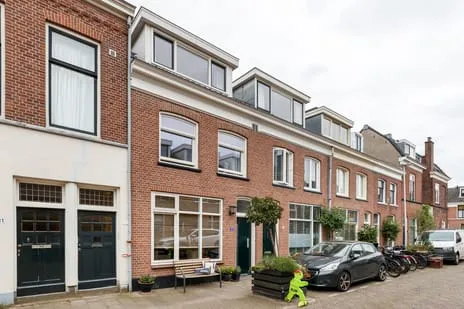
Wittevrouwen is nestled between Utrecht's city centre and Wilhelminapark, within walking distance of the Drift and the Uithof direction. It is one of the most sought-after neighbourhoods in Utrecht, but that does not mean everyone is equally enthusiastic about it. The neighbourhood has a distinct character: narrow streets with pre-war townhouses and upstairs flats, tall facades, many bicycles on the pavement, and a mix of young professionals, students, and established families. Wittevrouwenstraat and Voorstraat form the shopping strips, with speciality shops, coffee bars, and a number of restaurants. For daily groceries, there is an Albert Heijn on Nachtegaalstraat and a Jumbo a bit further towards the Vogelenbuurt.
In terms of green space, Wilhelminapark is the big asset: it is literally around the corner and offers space for walking, sports, and picnics. The university's Botanical Gardens are also nearby. Schools in the immediate vicinity include Wittevrouwenschool (primary education) and towards Biltstraat you will find several secondary schools. Diakonessenhuis hospital is within cycling distance.
Accessibility is a strong point. Utrecht Central Station can be reached in ten minutes by bike. Bus lines towards De Uithof and other districts stop at Biltstraat and Nachtegaalstraat. By car, you can quickly reach the A27 and A28 via Waterlinieweg, although parking in the neighbourhood is a known pain point: paid parking is the norm and permits are scarce.
Residents who have left a review on the Wittevrouwen neighbourhood page are notably critical. Resident Eelco wrote: "Poorly maintained streets. Vomit, glass, and rubbish everywhere. Dirty pavements, graffiti everywhere, every street has huge nuisance from students." The neighbourhood score stands at 2.1 out of 10, based on one review, so take that with a pinch of salt. But criticism about student nuisance and the state of public space is something you hear more often from long-term residents. The neighbourhood has a high percentage of single-person households (2,405 out of approximately 3,500) and many 15-25 year olds (1,295), confirming its student character. Only 21% of households are married.
If you compare Wittevrouwen with neighbouring neighbourhoods in Noordoost, it is noticeable that prices here are slightly higher than the district average. Lauwerecht and Staatsliedenbuurt often offer slightly more square metres for your money, while Tuinwijk-Oost has a greener and quieter appearance. If proximity to the city centre is a priority, Wittevrouwen is a good choice, but you pay a premium for it.
Is a home for sale in Wittevrouwen right for you?
With an average purchase price above €560,000 and an income level of €48,600, buying a home in Wittevrouwen is mainly for dual-income earners or movers with equity. First-time buyers on a median salary will find it difficult to get in, unless they aim for a small apartment at the lower end of the market. Families with young children will find schools and the park nearby, but must reckon with limited space and the liveliness (read: noise nuisance) that comes with a student neighbourhood. Seniors who want to live compactly and centrally can find a place here, but the accessibility of older properties varies. Looking for more space or a lower price level? Also check out Tuindorp or the broader market of homes for sale in Utrecht. Renting can also be an option: view the supply of rental homes in Wittevrouwen.
What residents say about Wittevrouwen
The current neighbourhood score is 2.1 out of 10, based on one review. Accessibility scores highest at 5.0, while safety, community, green space, beauty, and amenities all stand at 1.0. Resident Eelco calls the neighbourhood "too expensive" and "run-down" and points to a lack of diversity and poor maintenance. One review naturally does not give a complete picture. Do you have your own experience with this neighbourhood? On the Wittevrouwen page you can read all reviews and leave your own rating.
Compare homes for sale around Wittevrouwen
On Buurtje.nl, you combine current housing supply from more than 1,500 sources with neighbourhood scores, resident reviews, and district data, so you choose not just a home but also a neighbourhood that suits you. Compare Wittevrouwen with other neighbourhoods in the district via the Noordoost purchase page, or broaden your search area to districts like Oost or West. More information about the municipality can be found on the Utrecht municipality website.
Frequently asked questions
What does a home cost in Wittevrouwen?
The average purchase price in Wittevrouwen over the past year was €563,038, with a range from €154,500 to €845,000. With an average area of 99 m², the price per square metre comes to approximately €5,687. That is higher than the Utrecht average.
What is the WOZ value in Wittevrouwen?
The average WOZ value in Wittevrouwen is €555,000. That is higher than the average for the Noordoost district (€538,000) and well above the municipal average of Utrecht (€458,000). The neighbourhood is therefore among the more expensive parts of the city.
What is it like living in Wittevrouwen?
Wittevrouwen is a lively, centrally located neighbourhood with pre-war architecture, many students and young professionals. Wilhelminapark is just around the corner and the city centre is within walking distance. The neighbourhood score is 2.1 out of 10, with residents criticising maintenance and student nuisance, but the central location is appreciated.
Is Wittevrouwen suitable for families with children?
There are about 845 children (0-15 years) living in Wittevrouwen and there are primary schools in the area, such as the Wittevrouwenschool. Wilhelminapark offers play space. However, the neighbourhood is compact, with many student homes and associated noise pollution, which can be a point of attention for families.
How accessible is Wittevrouwen?
Utrecht Central can be reached by bike in about ten minutes. Several bus lines stop on Biltstraat and Nachtegaalstraat, including towards De Uithof. By car, you can quickly reach the A27 and A28 via the Waterlinieweg. Parking is paid and permits are limited.
What type of homes are for sale in Wittevrouwen?
The supply mainly consists of apartments and upstairs homes in pre-war buildings, often with high ceilings and original details. In addition, there are a limited number of single-family homes. Buying an apartment in Wittevrouwen is the most common option, especially for starters and singles.
Is there a lot of nuisance from students in Wittevrouwen?
Wittevrouwen has a large proportion of 15-25 year olds (1,295 residents) and many single-person households. Residents report nuisance from nighttime noise, litter on the streets and overcrowded bike racks. This is a real point of attention if you are looking for peace, especially on streets close to Voorstraat and Wittevrouwenstraat.
A fascist neighbourhood that claims to be left-wing. Poorly maintained streets. Everywhere there is vomit, glass, and rubbish. Dirty pavements, graffiti everywhere, every street suffers from a huge nuisance of students. Students overpopulate the area. No diversity, too expensive shops. Only rich white people. Social inequality is clearly visible here. 1000 metres away in Overvecht people have nothing, here in abundance. Full of snobs. Social housing is only 6 percent, deliberately sold off, all homes are being split: unliveable, too much noise, and expanded with extra floors. People earn an average of 6-10,000 per month and look like tramps. There is no cohesion, people are focused on themselves, all islands. The atmosphere is gone. It was once a beautiful neighbourhood, but yuppies, damn students and damn expats have turned it into a white enclave of coke-sniffing egotrippers.
Auto-translated to English by AI