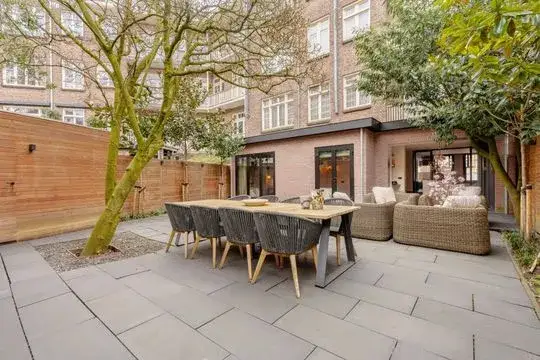
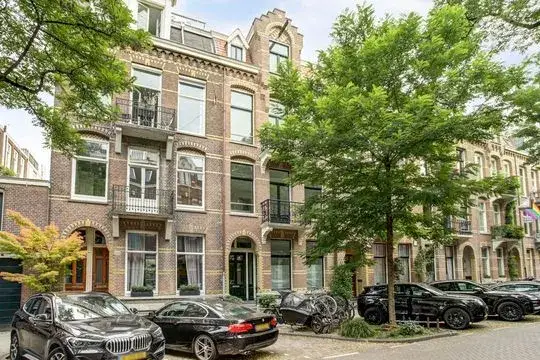
Honthorststraat 32-2
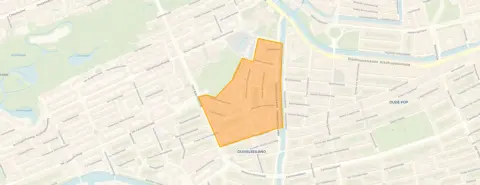
Johannes Vermeerbuurt, Amsterdam
 Area
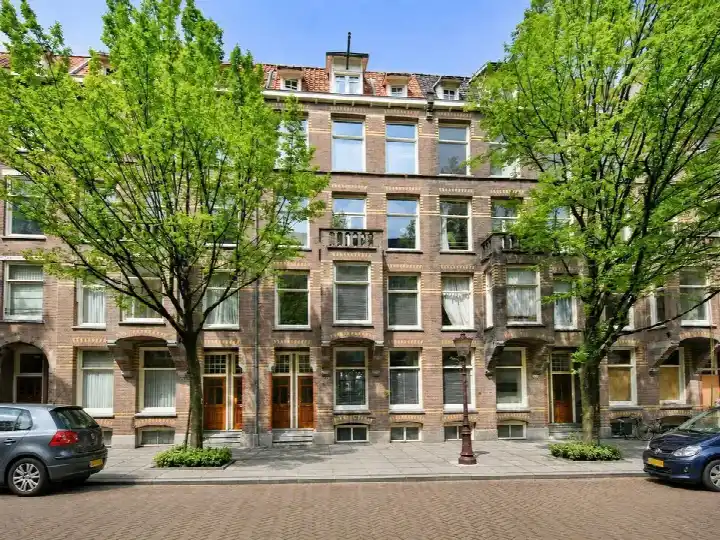
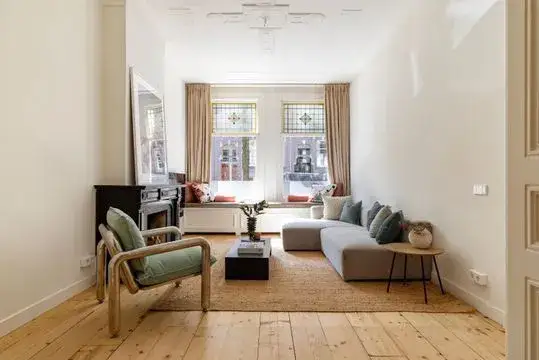
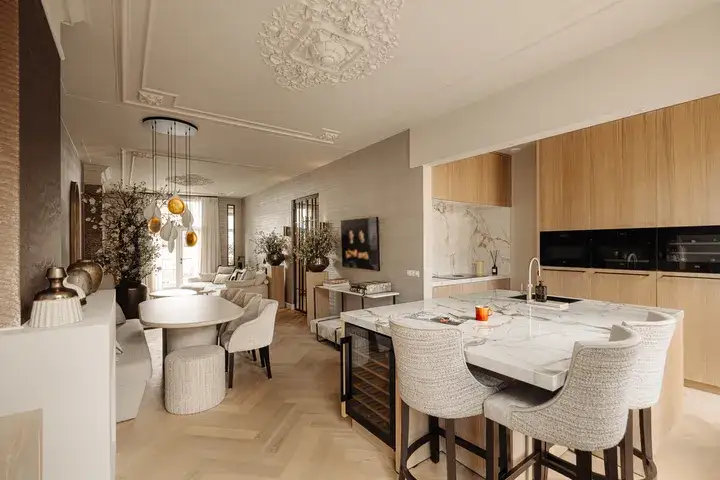
AreaA classic Amsterdam apartment on the Honthorststraat
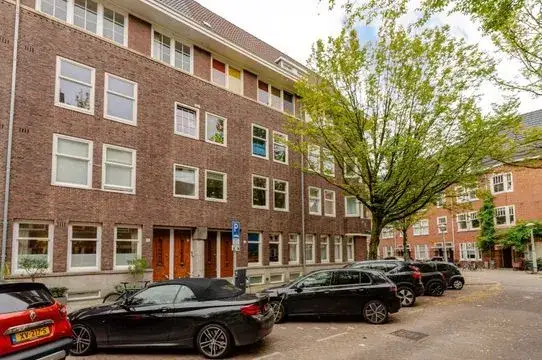
This 231 m² apartment in the Museumkwartier sits on a quiet street lined with stately 1905 architecture. The asking price of €2,500,000 is 26% below the neighbourhood's average asking price of €3,391,667, making it a keen entry into this prestigious area. For context, the median asking price in the Johannes Vermeerbuurt is €1,795,000, so this home sits above that but well under the average. Compare with other apartments in Amsterdam to see how it stacks up.
The Johannes Vermeerbuurt
The Johannes Vermeerbuurt is a small, exclusive pocket of the Museumkwartier with just over 1,500 residents. It's a mix of households: many singles, but also families with children and couples without kids. The area is densely urban, over 8,900 addresses per km², yet it feels refined, with wide streets and greenery nearby. There are no resident reviews available for this neighbourhood, but the CBS data shows a high proportion of pre-war buildings (80%) and all homes in the area have energy label C. The neighbourhood Johannes Vermeerbuurt is known for its cultural cachet and quiet elegance.
Life on the street
Your daily routine here is effortlessly cosmopolitan. For bread and groceries, Albert Heijn is just around the corner, with Ekoplaza and Dirk also a couple of streets away. The Montessori Lyceum Amsterdam is a five-minute walk for secondary education, while Basisschool Het Museumkwartier is similarly close for primary school. The Vondelpark is a couple of streets away for a weekend stroll. The municipality Amsterdam offers world-class museums, restaurants and theatres within walking distance.
Source
At the time of writing the home is listed via Ramon Mossel Makelaardij and also appears on Funda, so it's available through several channels.
This summary was generated with AI and may contain errors. Always verify the details with the provider.
Features
Details of this home
Transfer
Price
Energy
 Save up to € 400 on your energy billCompare now
Areas and volume
 Insure your home and belongingsGet insured
Layout
Construction
Outdoor space
Frequently asked questions
About Honthorststraat 32-2, Amsterdam
Is €2,500,000 a fair price for this apartment?
The asking price of €2,500,000 is 26% below the neighbourhood average of €3,391,667, and close to the median of €1,795,000. Given the 231 m² size and prime Museumkwartier location, the price per m² works out at about €10,822, which is below the neighbourhood average of €12,948 per m². So it's priced keenly compared to other listings in the area.
What is the energy label and what does it mean?
The energy label is C. This is the only label found in the Johannes Vermeerbuurt, all homes in the neighbourhood have label C according to CBS data. A C label means the home has reasonable insulation and energy efficiency, but you can expect moderate heating costs. It's not as efficient as modern A-rated homes, but it's far from the worst.
How far is the nearest train station?
The nearest train station is 2.6 km away. That's about a 30-minute walk or a short tram ride. The area is well served by trams and buses, so you're well connected to the rest of Amsterdam and beyond.
What schools are nearby?
There are several schools within walking distance. The Montessori Lyceum Amsterdam (secondary) is 301 m away, Basisschool Het Museumkwartier (primary) is 350 m, and the Barlaeus Gymnasium (secondary) is 479 m. So both primary and secondary education are just a few minutes' walk.
How many homes like this are for sale in the neighbourhood?
Currently there are only 3 apartments for sale in the Johannes Vermeerbuurt, with prices ranging from €900,000 to €7,480,000. This limited supply, combined with the area's desirability, means homes here don't stay on the market long, the average selling time for sold homes was 57 days.
What is the neighbourhood like in terms of safety?
The CBS data records 239 total crimes in the area, but without a per-capita breakdown it's hard to compare. The Museumkwartier is generally considered a safe, upscale neighbourhood with a strong police presence. The high density and affluent population contribute to a well-maintained environment.