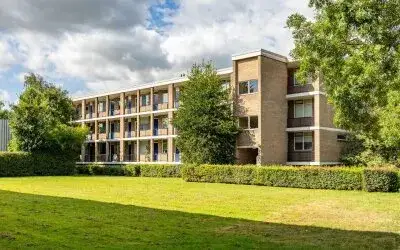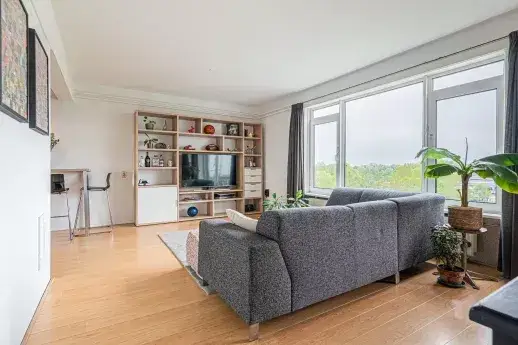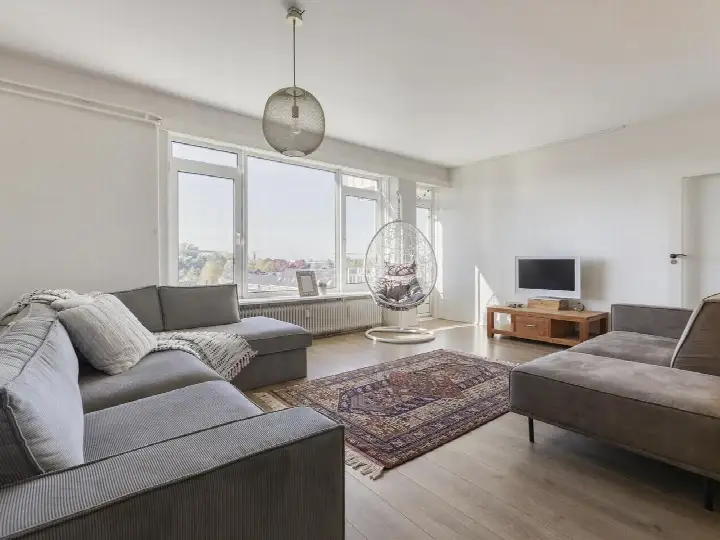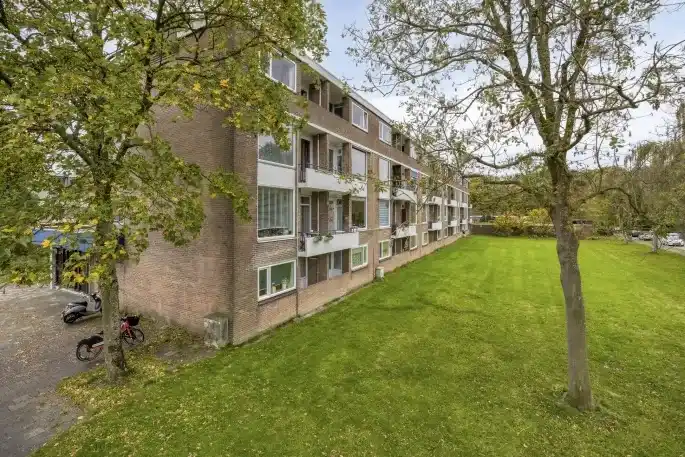





A gallery flat in Laanhuizen
This apartment sits in Laanhuizen, a lively corner of Groningen's Oud-Zuid district where students, young families and long-time residents mix easily. The area has a sociable, easy-going feel, and with a mix of ages it stays animated from morning to night. The asking price is €275,000. For a sense of what else is on offer, you can browse apartments in Groningen.
Inside the home
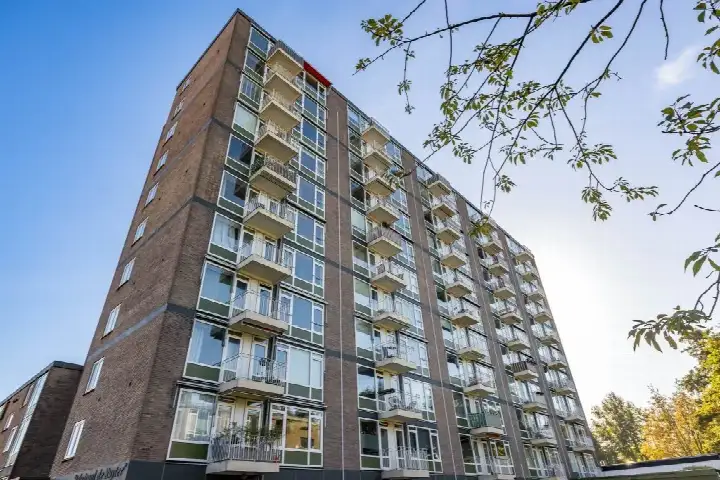
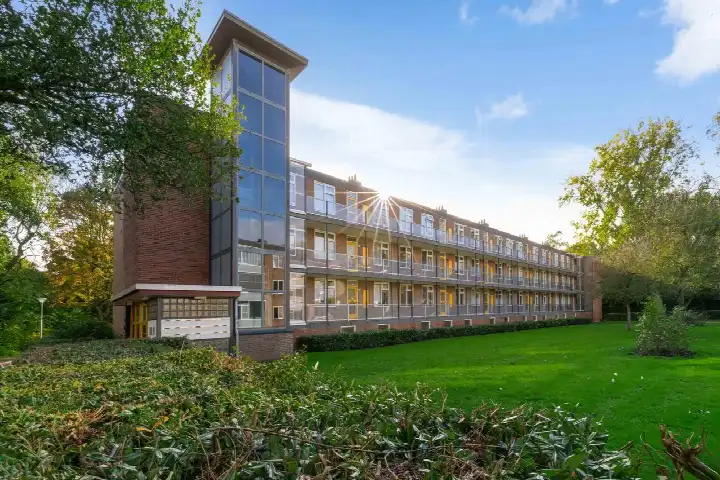
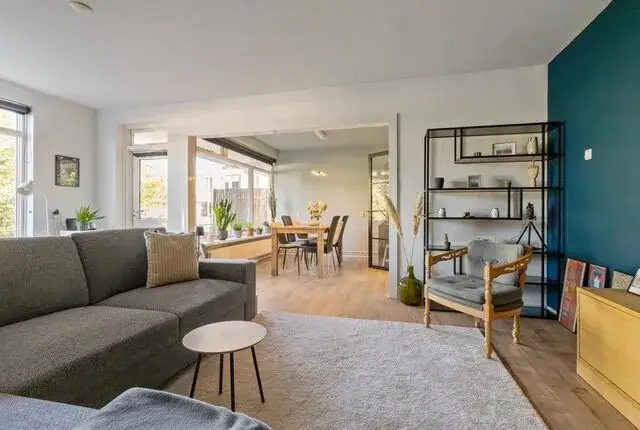
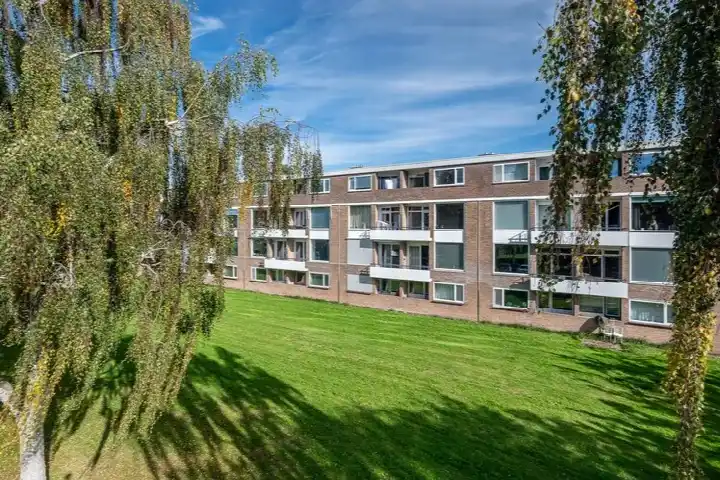
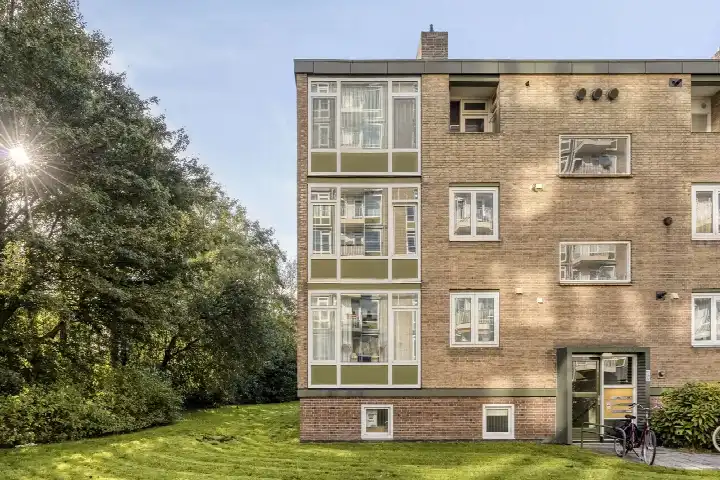
Built in 1968, this gallery flat sits on the third floor and spans two levels, with three rooms, two bedrooms and one bathroom. The living area is listed as 78 m² according to the BAG registration, while the agent lists 75 m². The home has a central heating boiler, and the service costs come to €167.89 per month. The energy label is C, which means moderate energy costs can be expected.
Life in Laanhuizen
Residents of the wider district give their living environment an average score of 7.21, based on nineteen reviews. One resident describes it as a social neighbourhood where people are there for each other and easily strike up a conversation, with many shops, GPs, a pharmacy and supermarkets nearby. Another says it is cosy and fairly safe, and that they have never felt uncomfortable, not during the day or late at night. The district is home to around 1,300 people, with a large share of single-person households. For more on the area, have a look at the Laanhuizen neighbourhood.
Amenities and transport
Daily errands are easy from here. The Coop supermarket is just around the corner, with another Coop a couple of streets away and an Albert Heijn a ten-minute walk. The Willem Lodewijk Gymnasium is on your doorstep, and the ODS De Starter primary school is a five-minute walk. The nearest GP, Gezondheidscentrum Arts en Zorg Hoendiep, and the Medsen Apotheek Hoendiep are both a couple of streets away. Bus stop Groningen, Stadspark is just around the corner with lines 3, 4, 133, 304, 314, 315, 324, 404 and 417, and Groningen train station is a ten-minute walk. The municipality of Groningen offers all this and more, as you can see on the page for the municipality of Groningen.
WOZ and address data
The WOZ value on 1 January 2025 was €275,000, and the asking price is virtually equal to that value. Between 2020 and 2025 the WOZ value rose by 57%, from €175,000 to €275,000. As for the address, the noise level from road traffic is 49 dB Lden, which is above the standard, and industrial noise is 52 dB Lden, also above the standard. The foundation risk indication is low, and the climate indications for pluvial flooding, current flood risk and heat stress are all low, with heat stress in 2050 indicated as medium. These are area-level indications, not an inspection of this specific home.
Source
At the time of writing the home is offered via multiple channels, including 050Wonen.
This summary was generated with AI and may contain errors. Always verify the details with the provider.
Features
Details of this home
Transfer
Price
Energy
 Save up to € 400 on your energy billCompare now
Areas and volume
Layout
Construction
The WOZ value is set annually by the municipality with 1 January as its reference date, and therefore lags the market by about a year. It is an estimated market value, not a sale price.
Frequently asked questions
About Koeriersterweg 32, Groningen
How does the asking price compare to the WOZ value?
The asking price of €275,000 is virtually equal to the WOZ value of €275,000, which was set on 1 January 2025. The WOZ value is the municipal valuation, not the current market value. Between 2020 and 2025 the WOZ value rose by 57%, from €175,000 to €275,000, which gives an idea of how the value has developed over the past five years.
What is the layout of this apartment?
This gallery flat, built in 1968, is on the third floor and spans two levels. It has three rooms in total, including two bedrooms and one bathroom. The living area is listed as 78 m² according to the BAG registration, while the agent lists 75 m². The home has a central heating boiler, and the monthly service costs are €167.89.
What is the energy label and what does it mean for costs?
The energy label is C. This is a mid-range label, so you can expect moderate energy costs for heating and electricity. The label does not say anything about the condition of the building itself, only about its energy performance. The home was built in 1968, which is a fact about its age, not a judgement on its state.
What are the noise levels around this address?
According to public risk data at address level, the noise from road traffic is 49 dB Lden, which is above the standard. Industrial noise is 52 dB Lden, also above the standard. Railway noise is 49 dB Lden and aircraft noise is 18 dB Lden, both below the standard. These are area-level indications, not measurements taken at this specific home.
What is the foundation risk for this home?
The foundation risk indication for this address is low. This is based on area-level data, including the fact that the building was constructed before 1970, in 1968. In the postcode area, 44% of properties were built before 1970. This is an indication for the area, not an inspection of this particular home.
What are the climate risks for this location?
The climate indications for this address are mostly low. Pluvial flooding at heavy rain is indicated as low, as is the current flood risk and the flood risk for 2050. Heat stress is currently low, but for 2050 it is indicated as medium. These are area-level indications from the Klimaateffectatlas, not a prediction for this specific home.
Which supermarkets are nearby?
The nearest supermarket is a Coop at 333 metres, which is just around the corner. Another Coop is at 738 metres, and an AH to go is at 779 metres. A SPAR is at 817 metres and an Albert Heijn at 901 metres. With 46 supermarkets within five kilometres, there is plenty of choice for daily groceries.
Which schools are close to this apartment?
The Willem Lodewijk Gymnasium, a secondary school, is at 127 metres, on your doorstep. CSG Augustinus, another secondary school, is at 333 metres. For primary education, ODS De Starter is at 527 metres, and OJS De Petteflet is at 914 metres. There are also several other schools within five kilometres.
What public transport options are available?
The nearest bus stop is Groningen, Stadspark at 171 metres, with lines 3, 4, 133, 304, 314, 315, 324, 404 and 417. Groningen, Paterswoldseweg is at 321 metres with lines 3, 4, 133, 404 and 417. The nearest train station is Groningen at 783 metres, which is about a ten-minute walk.
What is the neighbourhood like according to residents?
Residents of the wider district give their living environment an average score of 7.21, based on nineteen reviews. One resident describes it as a social neighbourhood where people are there for each other and easily strike up a conversation, with many shops, GPs, a pharmacy and supermarkets nearby. Another says it is cosy and fairly safe, and that they have never felt uncomfortable, not during the day or late at night.