Korreweg 67
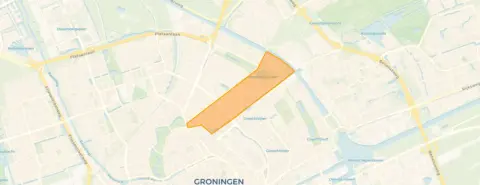
Professorenbuurt, Groningen
 Area
AreaA classic Groningen apartment
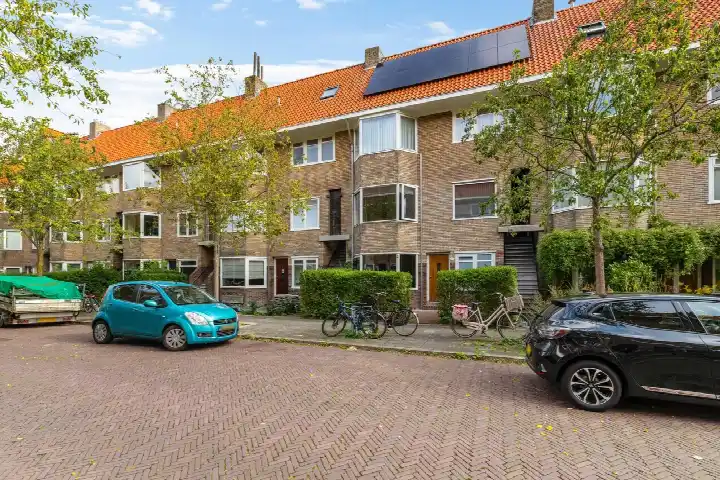
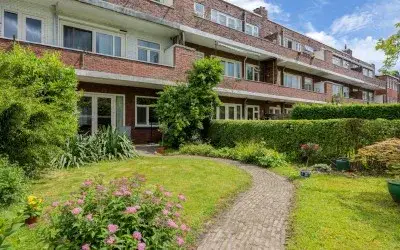
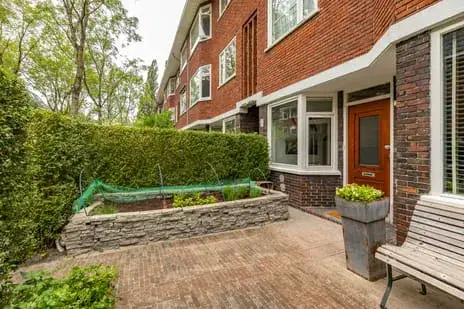
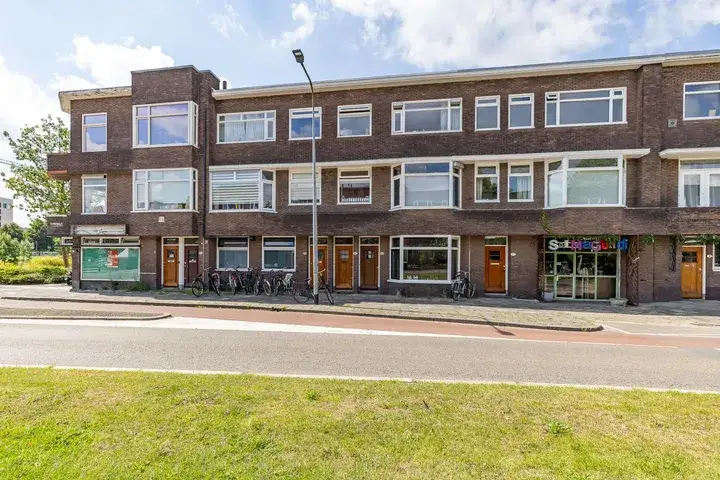
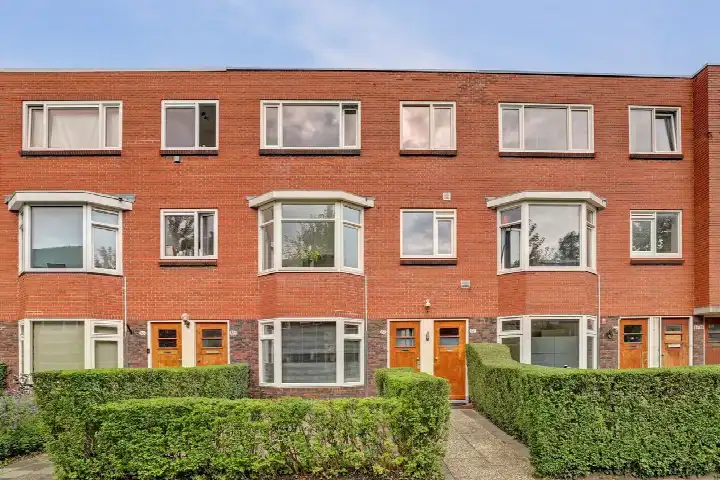
This apartment on Korreweg sits in the Professorenbuurt, a lively part of Groningen's Oud-Noord district. The street has a settled, everyday feel, with the Hamburgervijver just around the corner and plenty of amenities within easy reach. Built in 1930, the home carries an energy label C. At €325,000, the asking price is in line with the market, according to the neighbourhood average. For context, this is one of many apartments in Groningen currently on the market.
Inside the home
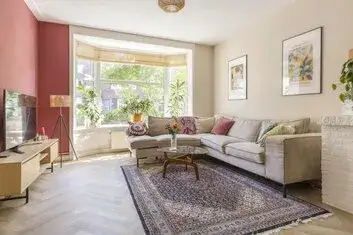
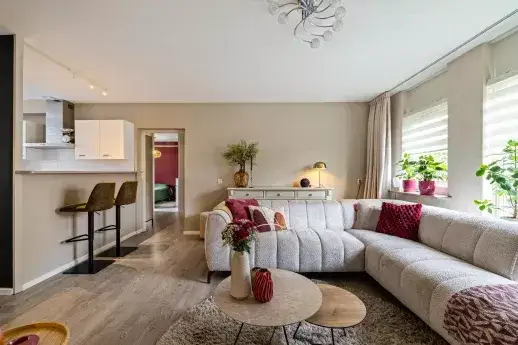
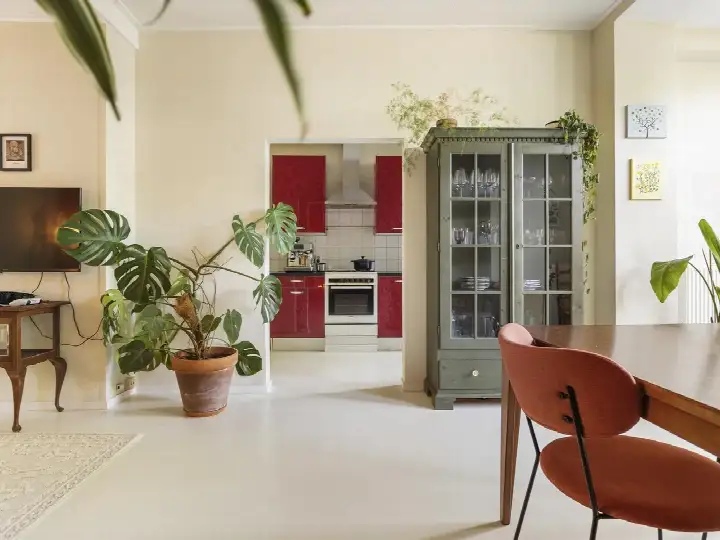
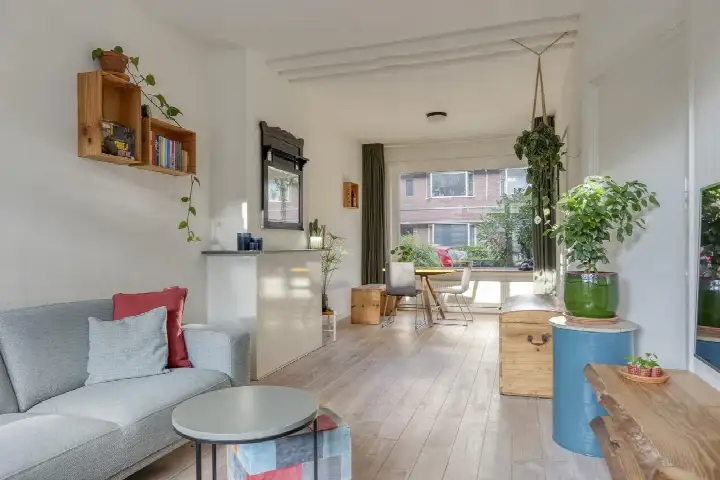
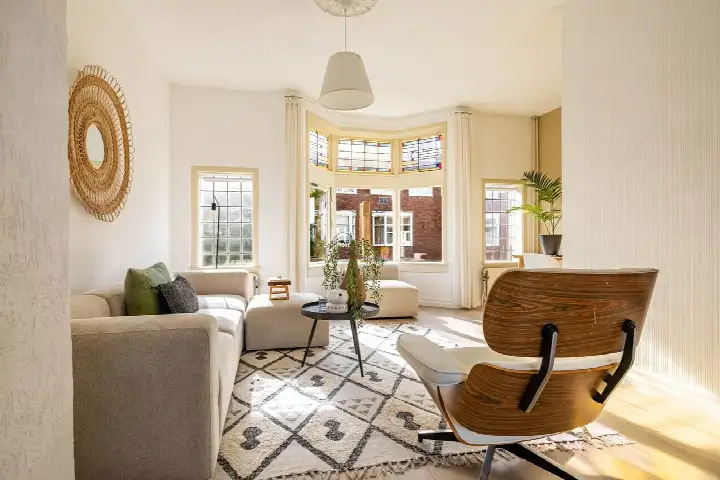
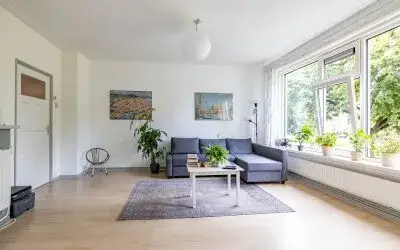
The apartment spans a single floor and offers three rooms, including two bedrooms and one bathroom. The agent lists the living area at 70 m², while the BAG registration records 72 m². According to the agent, the home has double glazing (HR+ or HR++) and a combi boiler for heating. The total volume comes to 285 m³.
Life in the Professorenbuurt
Residents give the neighbourhood an average score of 7.62, based on fourteen reviews. One resident, who has lived here for over twelve years, praises the friendly neighbours and the tidy street, and mentions the Hamburgervijver as a favourite spot to relax. Another describes it as a neighbourhood that has everything, with schools, a gym, playgrounds and plenty of shops, though they note that rubbish is sometimes left next to the bins. A third resident calls it a safe, cosy area, busy with families and students, but adds that the houses are very old. The neighbourhood is home to around 6,430 people, many of them students, and a large share of households are single-person. For more on the area, see the Professorenbuurt neighbourhood.
Amenities and getting around
Daily errands are easy from here. The Jumbo and Aldi are just around the corner, with an Albert Heijn a couple of streets away. De Kleine Wereld primary school is a ten-minute walk, and the Gomarus College Magnolia secondary school is within walking distance too. The GP practice Huisartsen Boterdiep is a couple of streets away, and Apotheek Poll pharmacy is on your doorstep. Bus line 10 stops at J. C. Kapteynlaan just around the corner, and Groningen Noord train station is a ten-minute walk. The wider area falls under the municipality of Groningen.
WOZ and address data
No WOZ value is available for this property. According to public address-level risk data, the noise from road traffic is measured at 62 dB Lden, which is above the standard, while railway and aircraft noise remain below their respective norms. The foundation risk indication for this area is elevated, based on the 1930 construction on clay soil and the fact that all properties in this postcode area were built before 1970. These are area-level indications, not an inspection of this specific home. Pluvial flooding risk is low, as is the current flood risk, though heat stress is expected to become medium by 2050.
Source
At the time of writing, the home is offered via multiple channels, including MakelaarWij.
This summary was generated with AI and may contain errors. Always verify the details with the provider.
Features
Details of this home
Transfer
Price
Energy
 Save up to € 400 on your energy billCompare now
Areas and volume
 Insure your home and belongingsGet insured
Layout
Construction
Outdoor space
The WOZ value is set annually by the municipality with 1 January as its reference date, and therefore lags the market by about a year. It is an estimated market value, not a sale price.
Frequently asked questions
About Korreweg 67, Groningen
What is the asking price for this apartment?
The asking price is €325,000. According to the neighbourhood average asking price, this is in line with the market. The price per square metre, based on the agent's listed living area of 70 m², comes to €4,643.
How many rooms does the apartment have?
The apartment has three rooms in total, including two bedrooms and one bathroom. It is spread over a single floor, and the agent lists the living area at 70 m², while the BAG registration records 72 m². The total volume is 285 m³.
What is the energy label and what does it mean?
The energy label is C. This is a mid-range label, so you can expect moderate energy costs. According to the agent, the home has double glazing (HR+ or HR++) and a combi boiler for heating.
What is the foundation risk for this property?
The foundation risk indication for this area is elevated. This is based on the fact that the home was built in 1930 on clay soil, and that all properties in this postcode area were built before 1970. It is an area-level indication, not an inspection of this specific home.
What is the noise situation like at this address?
According to public address-level data, road traffic noise is measured at 62 dB Lden, which is above the standard. Railway noise is 30 dB Lden and aircraft noise is 18 dB Lden, both below their respective norms. These are area-level indications.
What amenities are nearby?
The Jumbo and Aldi supermarkets are just around the corner, with an Albert Heijn a couple of streets away. De Kleine Wereld primary school is a ten-minute walk, and the Gomarus College Magnolia secondary school is within walking distance. The GP practice Huisartsen Boterdiep is a couple of streets away, and Apotheek Poll pharmacy is on your doorstep.
How is the public transport connection?
Bus line 10 stops at J. C. Kapteynlaan just around the corner, and also at Riouwstraat a couple of streets away. Bus lines 3 and 4 stop at W. van Doeverenplein, also a couple of streets away. Groningen Noord train station is a ten-minute walk.
What do residents say about the Professorenbuurt?
Residents give the neighbourhood an average score of 7.62, based on fourteen reviews. One resident praises the friendly neighbours and the tidy street, while another mentions the many facilities and small parks. A third notes that the area is safe and cosy, though houses are very old and rubbish is sometimes left next to the bins.
What is the neighbourhood like demographically?
The Professorenbuurt has around 6,430 residents, with a large share of students. About 72% of households are single-person, and the average household size is 1.4. The neighbourhood has a mix of families and students, according to residents.