Rivierenhof 30
Rivierenbuurt, Groningen
 Area
AreaA keenly priced apartment in Groningen
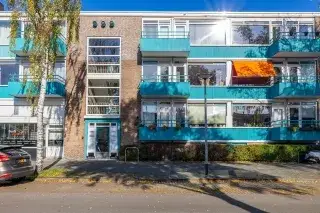
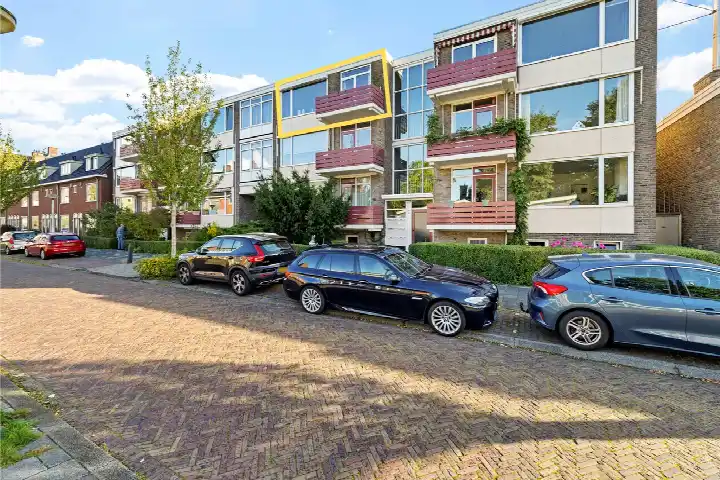
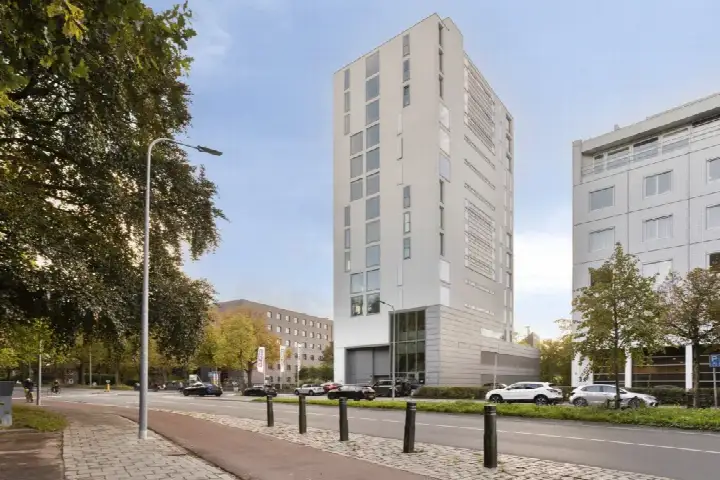
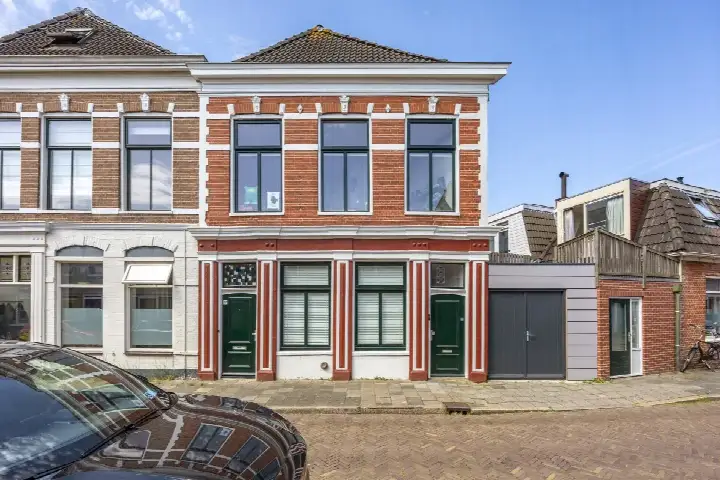
Rivierenhof 30 is an apartment in the Rivierenbuurt, a neighbourhood in the Oud-Zuid district of Groningen. The asking price of €265,000 is keen compared with the average asking price in the neighbourhood, which sits at €347,718. This home is one of the [apartments in Groningen] currently on the market.
The home itself
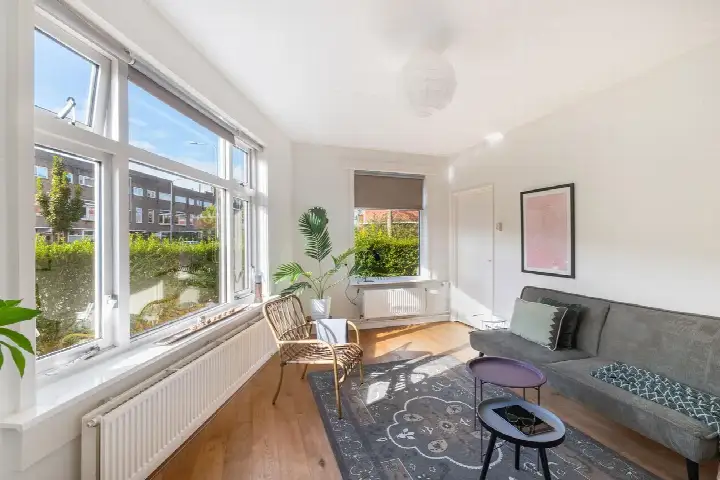
Built in 1956, this apartment has four rooms, including three bedrooms and one bathroom. The living area is listed as 83 m² according to the BAG registration, while the agent lists it as 80 m². The energy label is B, which is an efficient label, so energy costs should be relatively manageable.
The Rivierenbuurt neighbourhood
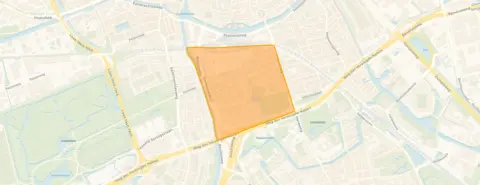
Residents give the Rivierenbuurt an average score of 6.84, based on six reviews. One resident says: "It's close and just far enough from the centre that you're in a quiet, cosy neighbourhood, but you can easily find the bustling centre within 5 minutes. This will only get better when the new station is finished." Another notes: "The neighbourhood isn't really green. There are many houses close together, despite that it is a relatively accessible neighbourhood." A third resident mentions "many drug users, many dogs pooping on the street, a lot of noise". The neighbourhood has 4,695 residents, and 73% of households are single-person households. This is [the Rivierenbuurt neighbourhood] in the Oud-Zuid district.
Amenities and transport
Daily life is well served here. The PLUS supermarket is just around the corner, and the Aldi is a couple of streets away. Parcival College is on your doorstep, and De Vrije School Groningen Onderbouw is just around the corner. The GP practice Huisartsenpraktijk de Vecht is a couple of streets away, and the pharmacy Service Apotheek De Wiljes is a ten-minute walk. Bus stops at Groningen, Julianaplein and Groningen, Hoofdstation are within a five-minute walk, with lines 5, 6, 8, 9, 10, 85, 400, 409, 410 and 418, and 1, 5, 6, 7, 9, 11, 19, 35, 39, 133, 139, 309, 315, 319, 324, 400, 404, 406, 409, 410, 417, 418 and 471 respectively. The train station Groningen is a ten-minute walk away. This is all within [the municipality of Groningen].
WOZ and address data
No WOZ value is available for this home. The address has a medium foundation risk indication, which is an area-level indication based on public data, not an inspection of this specific home. The pluvial flooding risk at heavy rain is elevated, while the flood risk is low both now and in 2050. Heat stress is low now, but medium by 2050. Road traffic noise is above the norm at 54 dB Lden, while railway and aircraft noise are below the norm at 35 dB Lden and 19 dB Lden respectively.
Source
At the time of writing the home is offered via multiple channels, including 050Wonen and 050Wonen.
This summary was generated with AI and may contain errors. Always verify the details with the provider.
Features
Details of this home
Transfer
Price

Areas and volume
 Insure your home and belongingsGet insured
Layout
Construction
The WOZ value is set annually by the municipality with 1 January as its reference date, and therefore lags the market by about a year. It is an estimated market value, not a sale price.
Frequently asked questions
About Rivierenhof 30, Groningen
What is the asking price for this apartment?
The asking price is €265,000. This is 24% below the average asking price of €347,718 for homes in the Rivierenbuurt neighbourhood. The price per square metre is €3,312, based on the agent's listed floor area of 80 m².
How many rooms does this apartment have?
The apartment has four rooms in total, including three bedrooms and one bathroom. The living area is listed as 83 m² according to the BAG registration, while the agent lists it as 80 m². The home was built in 1956.
What is the energy label of this home?
The energy label is B, which is an efficient label. This means energy costs should be relatively manageable compared with less efficient labels. The home was built in 1956, and the energy label reflects the overall energy performance of the property.
What is the foundation risk for this address?
The foundation risk indication for this address is medium. This is an area-level indication based on public data from sources like the KCAF and Klimaateffectatlas, not an inspection of this specific home. The home was built before 1970, and in this postcode area 100% of properties were built before 1970.
What are the noise levels around this address?
Road traffic noise at this address is 54 dB Lden, which is above the noise norm. Railway noise is 35 dB Lden and aircraft noise is 19 dB Lden, both below the norm. These are area-level indications based on public data, not measurements taken at the property itself.
What supermarkets are near this apartment?
The PLUS supermarket is about 240 metres away, and the Aldi is about 257 metres away, both just around the corner. An AH to go is about 606 metres away, and a Coop and Jumbo are within about 900 to 950 metres. There are 50 supermarkets within 5 km.
What schools are close to this home?
Parcival College, a secondary school, is about 17 metres away, essentially on your doorstep. De Vrije School Groningen Onderbouw, a primary school, is about 234 metres away. Several Gomarus College locations are within about 550 metres, and there are 73 schools within 5 km.
How do residents rate the Rivierenbuurt neighbourhood?
Residents give the Rivierenbuurt an average score of 6.84 out of 10, based on six reviews. One resident praises the location, saying it is close enough to the centre to reach it within 5 minutes, while another mentions noise and drug use in the area. The reviews reflect a mix of opinions.
What public transport options are available nearby?
Bus stops at Groningen, Julianaplein and Groningen, Hoofdstation are within about 285 and 449 metres, with many lines including 5, 6, 8, 9, 10, 85, 400, 409, 410 and 418. The train station Groningen is about 597 metres away, a ten-minute walk.
What is the flood risk for this address?
The pluvial flooding risk at heavy rain is elevated, meaning there is a heightened chance of water on the street during intense rainfall. The flood risk from rivers or the sea is low both now and in 2050. These are area-level indications based on public climate data.