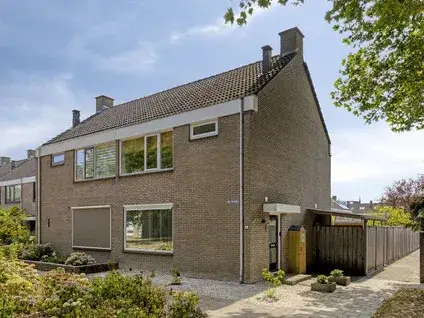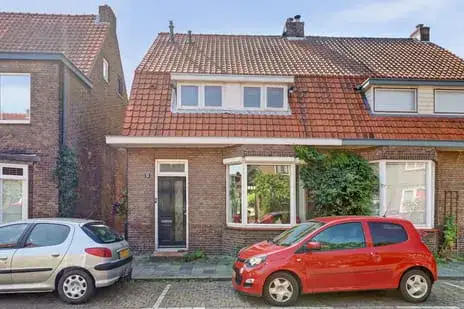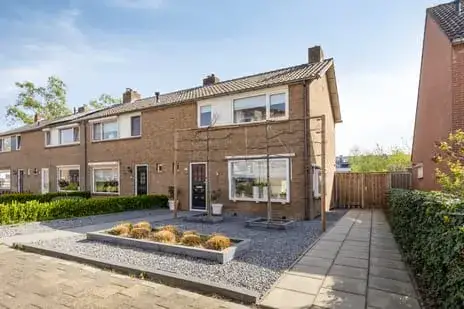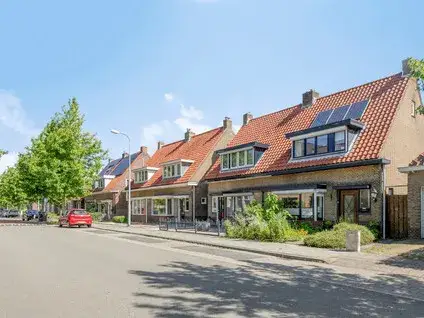





Tulpstraat 21
Goes-Oost, Goes
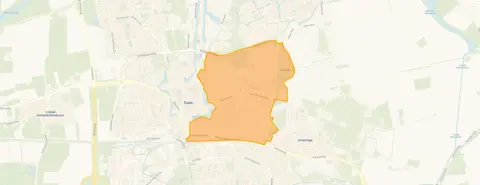 Area
AreaA classic end-of-terrace home in Goes-Oost
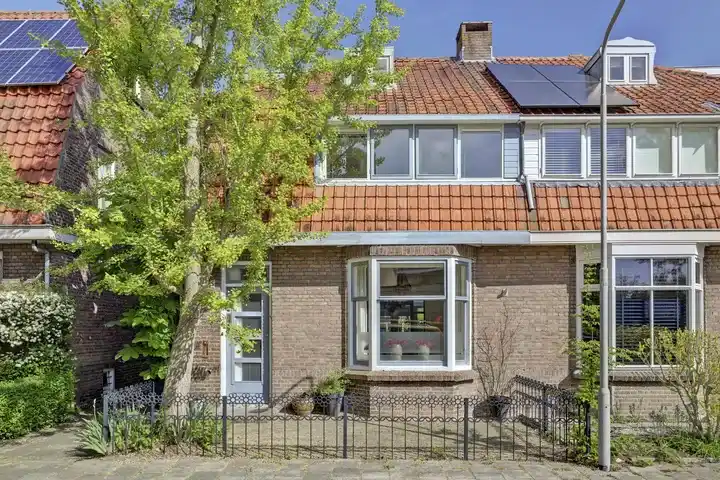
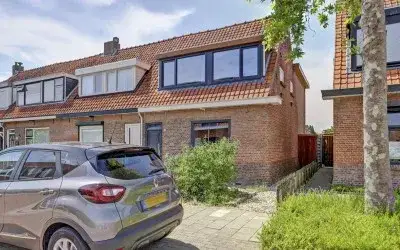
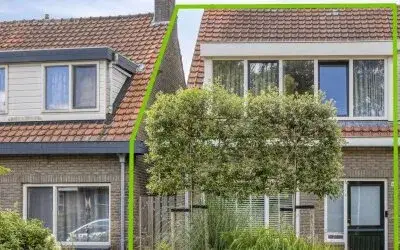
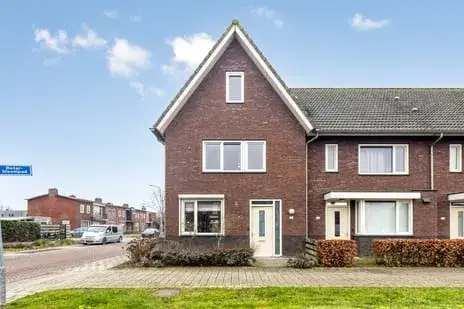
Tulpstraat 21 sits in Goes-Oost, a part of Goes where the streets feel settled and lived-in. This end-of-terrace house from 1942 has a traditional character, with a living area of 106 square metres according to the agent, and a plot of 239 square metres. The asking price of €399,000 works out at €3,764 per square metre, which is in line with the average for end-of-terrace houses in Goes.
Inside the house
The home has five rooms in total, spread over three floors, with four bedrooms and one bathroom. The volume comes to 395 cubic metres, giving the house a solid, roomy feel. The energy label is C, which means you can expect moderate energy costs. The year of construction, 1942, is simply a fact of the building's history.
Life in Goes-Oost
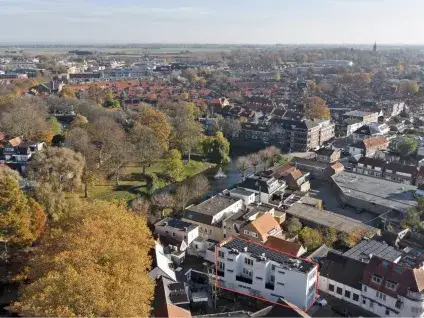
Residents of the district give it an average score of 8.68, based on nine reviews. One resident says: "Small neighbourhood where everyone knows each other but leaves you in peace. Wonderfully quiet, well centrally located. Schools and shops around the corner. As is the medical centre and dentist." Another adds: "We've been living here for 15 years with pleasure. Green and quiet. Lots of nature. Good social control, not always in each other's homes, but always helpful." The neighbourhood has around 5,785 inhabitants, with a mix of ages and household types. It is a place where people seem to look out for one another, without being in each other's pockets. For a closer look at the area, the Goes-Oost neighbourhood has more detail.
Amenities and transport
The daily routine is well covered here. The Albert Heijn is just around the corner, with the Aldi and Jumbo a couple of streets away. For schools, the Ostrea Lyceum and Basisschool Prinses Ireneschool are both on your doorstep, and the RK Basisschool Bisschop Ernst is just around the corner too. Huisartspraktijk Schoot is a couple of streets away, and the Service Apotheek MCG is a five-minute walk. Bus line 580 stops at Goes, Leliestraat on your doorstep, and the train station in Goes is a ten-minute walk. The municipality of Goes covers the wider area.
WOZ and address data
There is no WOZ value stated for this property, so no comparison with the asking price is possible. The address-level risk data, which is an area-level indication rather than an inspection of this specific home, shows road traffic noise at 42 dB Lden and railway noise at 31 dB Lden, both below the noise standard. The foundation risk indication is elevated, given the clay soil and the 1942 construction date. Pluvial flooding at heavy rain is medium, while the current flood risk is low, rising to medium by 2050. Heat stress is currently low, but medium by 2050.
Source and agent
At the time of writing, the home is offered via multiple channels, including Annet Nijssen Makelaar & Taxateur.
This summary was generated with AI and may contain errors. Always verify the details with the provider.
Features
Details of this home
Transfer
Price
Energy
 Save up to € 400 on your energy billCompare now
Areas and volume
 Insure your home and belongingsGet insured
Layout
Construction
Outdoor space
The WOZ value is set annually by the municipality with 1 January as its reference date, and therefore lags the market by about a year. It is an estimated market value, not a sale price.
Frequently asked questions
About Tulpstraat 21, Goes
What is the asking price for this end-of-terrace house in Goes-Oost?
The asking price is €399,000. With a living area of 106 square metres according to the agent, that comes to €3,764 per square metre. This is in line with the average for end-of-terrace houses in Goes, so the price sits comfortably within the local market range.
How many bedrooms and bathrooms does this house have?
The house has five rooms in total, including four bedrooms and one bathroom, spread over three floors. The volume is 395 cubic metres, which gives the interior a generous feel. The layout is traditional for a 1942 end-of-terrace house, with the living areas and bedrooms distributed across the three levels.
What is the energy label and what does it mean for costs?
The energy label is C. This is a mid-range label, so you can expect moderate energy costs for heating and electricity. It is not the most efficient label, but it is also not the least efficient. The label reflects the age of the property, built in 1942, without making any claims about the specific insulation or installations.
What is the foundation risk for this property?
The foundation risk indication for this address is elevated, based on area-level data. The home was built in 1942 on clay soil, which may mean wooden piles or a shallow foundation. In this postcode area, 91% of properties were built before 1970, and 2% of properties in the neighbourhood have an elevated risk of pile rot. This is an area-level indication, not an inspection of this specific home.
What amenities are within walking distance?
The Albert Heijn is just around the corner, with the Aldi and Jumbo a couple of streets away. The Ostrea Lyceum and Basisschool Prinses Ireneschool are on your doorstep, and the RK Basisschool Bisschop Ernst is just around the corner. Huisartspraktijk Schoot is a couple of streets away, and the Service Apotheek MCG is a five-minute walk.
How is the public transport connection from this address?
Bus line 580 stops at Goes, Leliestraat on your doorstep, and lines 628 and 629 stop at Goes, Ostrea Lyceum just around the corner. The train station in Goes is a ten-minute walk away, giving you a direct rail connection from the town centre.
What is the neighbourhood of Goes-Oost like to live in?
Residents of the district give it an average score of 8.68, based on nine reviews. One resident describes it as a small neighbourhood where everyone knows each other but leaves you in peace, with schools and shops around the corner. Another mentions the green and quiet surroundings with good social control. The neighbourhood has around 5,785 inhabitants with a mix of ages.
Is there any noise from traffic or railways near this home?
The address-level data shows road traffic noise at 42 dB Lden and railway noise at 31 dB Lden, both below the noise standard. One resident did note that the A256 motorway is causing increasing noise pollution, with more freight traffic and heavier cars. This is an area-level indication, not a measurement at the property itself.
What is the flood risk for this property?
The current flood risk is low, but it rises to medium by 2050 according to the area-level data. Pluvial flooding at heavy rain is medium, meaning there is a moderate chance of surface water accumulation during intense rainfall. Heat stress is currently low but medium by 2050. These are area-level indications, not an assessment of this specific home.
How does the price compare to other homes in the neighbourhood?
The asking price of €399,000 is close to the median price of €394,000 for homes currently for sale in Goes-Oost. The average asking price in the neighbourhood is €454,279, with a range from €215,000 to €1,145,000. At €3,764 per square metre, this home is priced in line with the neighbourhood average of €3,797 per square metre.