Homes for sale in De Haven, Apeldoorn
Discover homes for sale in De Haven and view the current supply, average asking price, and time on market directly at the top of this page.

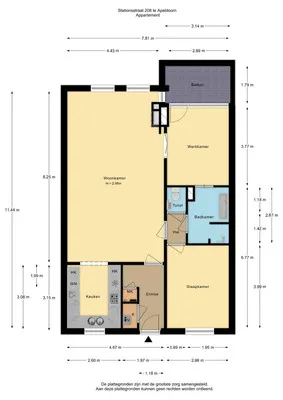
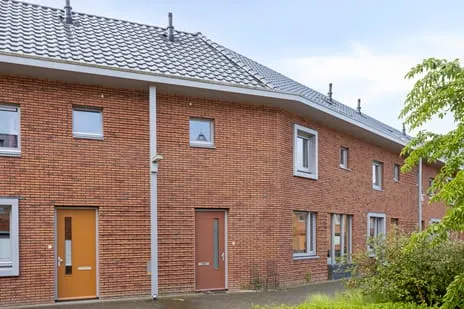
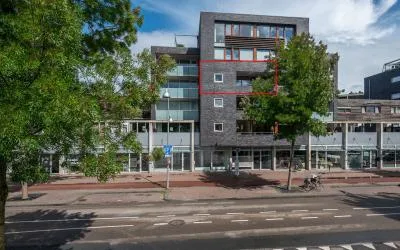
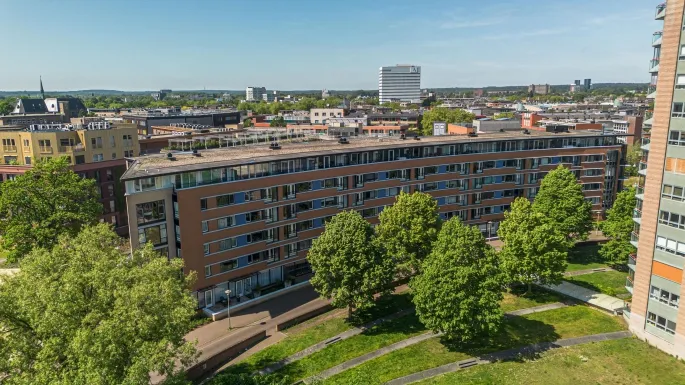
House prices and market figures for De Haven, Apeldoorn
De Haven is a buyer-oriented neighbourhood: 56% of the more than 1,100 homes are privately owned, with the rest rented out by housing associations or private landlords. The average WOZ value is €332,000. This is higher than the average for the Centrum district (€276,000), but clearly lower than the municipal average of €378,000 for the whole of Apeldoorn. So the neighbourhood sits in a middle segment within the city.
Looking at actual transactions, the average purchase price is significantly higher than the WOZ value suggests. Over the past twelve months, 23 homes were sold for an average of €479,283. The range runs from €324,500 to €1,098,000, indicating that both compact apartments and larger homes change hands. The average living area was 116 m², which works out at a price of around €4,130 per square metre. That is not a bargain, but neither is it an outlier for a city-centre area. For the current supply and average asking price, see the overview at the top of this page.
Living in De Haven, Apeldoorn
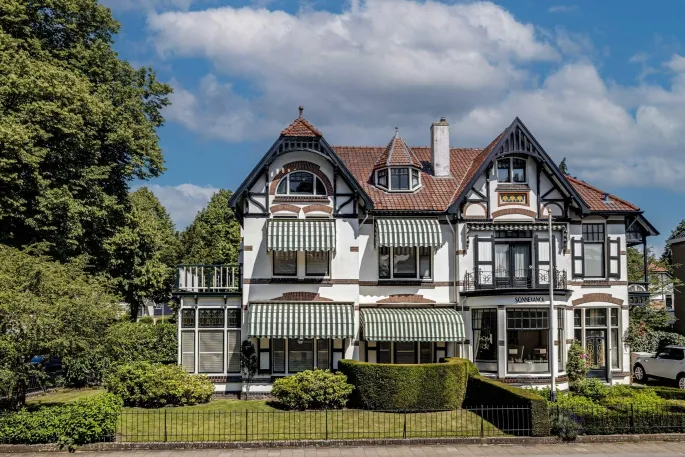
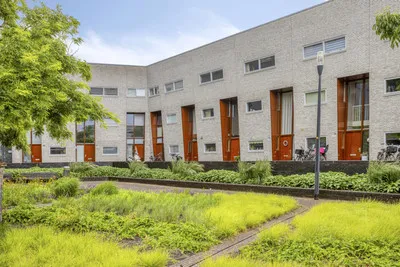
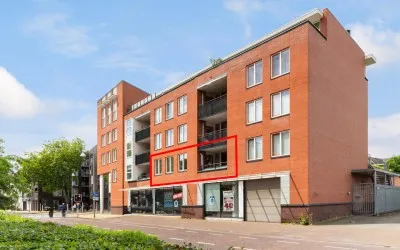
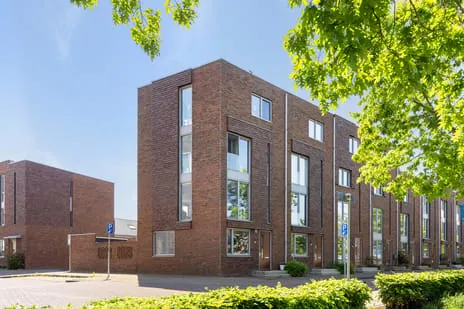
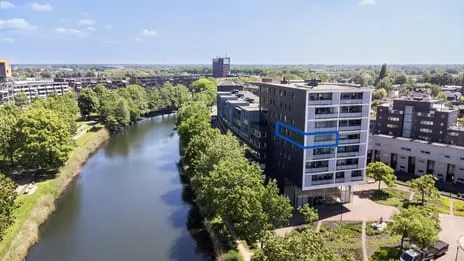
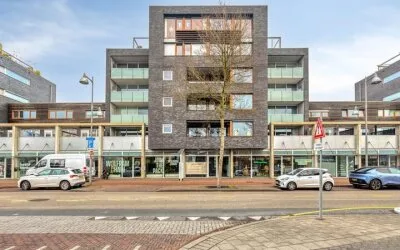
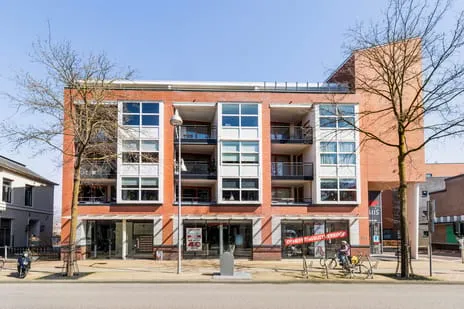
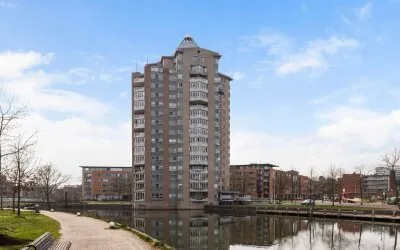
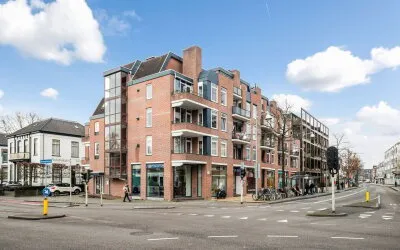
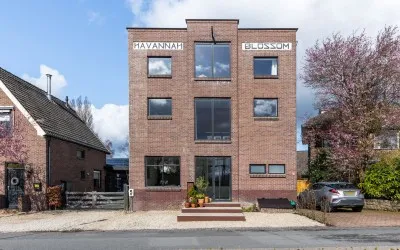
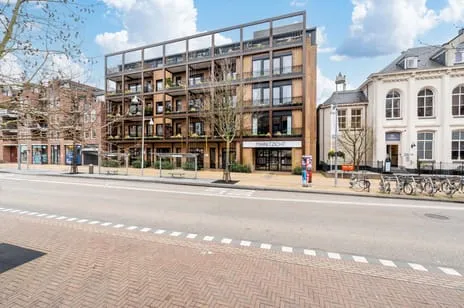
De Haven is the neighbourhood directly around the historic harbour area of Apeldoorn, on the western edge of the city centre. Its character is mixed urban: you will find older buildings from the first half of the twentieth century alongside new-build projects that have been developed on former industrial sites over the past few decades. This gives the neighbourhood a certain layered feel. On the one hand, narrow streets with terraced houses and small porch flats; on the other, modern apartments with spacious balconies overlooking the water or the inner-city green strips along the canal.
The harbour area itself has been spruced up in recent years. Catering establishments and small-scale studios and workspaces have been added, making the atmosphere lively but not busy on weekdays. At weekends, the canal area attracts walkers and cyclists. Yet De Haven is not a nightlife district: it is relatively quiet for a city-centre neighbourhood, which many residents see as a plus.
For daily shopping, you hardly need to leave the neighbourhood. Marktstraat and Hoofdstraat are within walking distance, with supermarkets, bakeries and other daily amenities. The city centre of Apeldoorn, with the Anklaar shopping area and Raadhuisplein, is a ten to fifteen-minute walk away. Sporty Apeldoorn has few large sports complexes in and directly around De Haven, but Oranjepark and the area around the Grift offer space for runners and cyclists. As for schools, the primary school provision in the adjacent neighbourhoods is ample; parents with children usually also look at the provision in the neighbouring Binnenstad.
In terms of accessibility, De Haven scores well. Apeldoorn station is about a ten-minute bike ride away, with direct intercity connections to Zutphen, Deventer, Amersfoort and Utrecht. Several bus routes run along the neighbourhood towards other parts of the city. By car, you can quickly reach the A1 and A50 via Laan van Osseveld and Deventerstraat. Parking in the neighbourhood itself is limited, especially on streets close to the centre. That is something to bear in mind if you have your eye on a property.
The population composition shows that De Haven is an older neighbourhood: the 65-plus age group, with 650 residents, is the largest age category. Single-person households form the majority. This affects the atmosphere: it is not a neighbourhood with many children playing in the street, but one with committed, long-term residents. On the neighbourhood main page for De Haven, you can read resident reviews and see how the neighbourhood scores on liveability, amenities and safety. One resident writes: "It is quieter here than you would expect so close to the centre. The harbour itself has been nicely renovated and I cycle to the station in no time." That feeling of urban proximity combined with relative quiet recurs in several reviews.
Anyone considering buying in De Haven might also look at the owner-occupied housing supply in the Centrum district as a whole, or the adjacent Binnenstad. Further from the centre, you will find different atmospheres in districts such as West or Zuidwest, where the housing supply is generally more spacious and family-oriented.
Who is a home in De Haven interesting for?
The demographic composition clearly points to seniors and singles as the dominant groups. This makes De Haven attractive for over-55s who want to live centrally without being dependent on a car, and for single professionals who value urban proximity. First-time buyers find it harder to get a foothold: with an average sale price of nearly €480,000 and a range that goes high, the entry threshold is steep. Overbidding is not unusual in this segment. If you want to buy a home in De Haven, it is wise to act quickly when something becomes available. Considering renting first to get to know the neighbourhood? Then look at the supply of rental homes in De Haven as an intermediate step.
What residents say about De Haven
Residents particularly appreciate De Haven for its location and the improved public space around the harbour area. Scores for accessibility and amenities are generally higher than those for parking and traffic, which is consistent with the limited parking in the neighbourhood. One resident describes it as: "Everything is close by, but with the car you can sometimes spend a while looking for parking." See all reviews, partial scores and the current overall score on the De Haven page with all resident reviews.
Comparing homes for sale in and around De Haven
Buurtje.nl brings together supply from more than 1,500 sources on one page, supplemented with resident reviews and neighbourhood data that you will not find on other platforms. This way, you can not only filter by price or size, but also compare how De Haven relates to neighbourhoods such as Binnenstad or districts like Zuid and Zuidoost. For a broader picture of the Apeldoorn housing market, see the overview of all homes for sale in Apeldoorn. More information about living, permits and amenities in the municipality can be found on the website of the municipality of Apeldoorn.
Frequently asked questions
What is the cost of a home in De Haven, Apeldoorn?
Over the past twelve months, 23 homes were sold in De Haven for an average purchase price of €479,283. The range runs from €324,500 to €1,098,000. The average living area was 116 m², which works out to approximately €4,130 per square metre. For current asking prices of homes now for sale, see the overview at the top of this page.
What is the WOZ value in De Haven?
The average WOZ value in De Haven is €332,000. That is higher than the average for the Centrum district (€276,000), but lower than the municipal average for Apeldoorn as a whole (€378,000). The neighbourhood is thus in the middle segment of the city, while actual transaction prices turn out significantly higher due to market demand.
What is living in De Haven like?
De Haven is a mixed urban neighbourhood on the western edge of Apeldoorn's centre, around the renovated harbour area. The atmosphere is relatively quiet for a central neighbourhood, with a mix of older terraced houses and newer apartments. Residents appreciate the central location and proximity to the station, but mention parking as a point of attention.
Is De Haven suitable for seniors looking to buy a home?
De Haven is certainly suitable for seniors. The largest age group in the neighbourhood is 65-plus (650 out of 2,050 residents), indicating that many older people consciously choose this area. The central location, good accessibility by public transport and proximity to daily amenities make the neighbourhood attractive for those who want to live well without a car. Buying an apartment in De Haven is a popular choice for this group.
How accessible is De Haven?
Apeldoorn station is about a ten-minute bike ride from De Haven, with intercity connections to Zutphen, Deventer, Amersfoort and Utrecht. Several city bus lines run through the neighbourhood. By car, you connect via the Laan van Osseveld and Deventerstraat to the A1 and A50. Parking in the neighbourhood itself is limited, especially on streets close to the centre.
What type of homes are for sale in De Haven?
The supply in De Haven consists of a mix of early twentieth-century terraced houses, porch flats and more modern apartments built on former industrial sites. The average sold living area over the past year was 116 m². The range in sale prices is wide, indicating that both smaller apartments and larger homes become available. Buying a home in De Haven requires a solid financial basis due to the price levels.
Is there much green space in De Haven and what about parking?
De Haven has greenery along the canal and the Grift, and Oranjepark is a short bike ride away. It is not an outspokenly green neighbourhood, but the water features around the harbour area give the public space a pleasant appearance. Parking is a point of attention: the neighbourhood has limited parking capacity, especially on streets close to the centre. Check with a specific home whether a private parking space or garage box is included.