Homes for sale in De Kooi, Leiden
Check the current supply of homes for sale in De Kooi and discover if this Leiden neighbourhood suits you through neighbourhood scores and resident reviews.

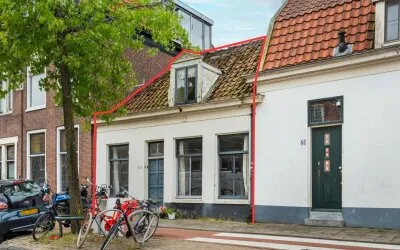
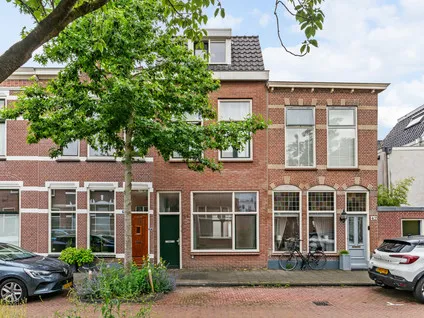
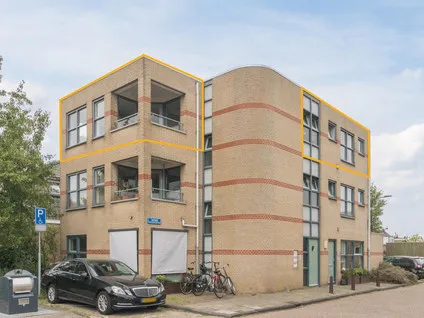
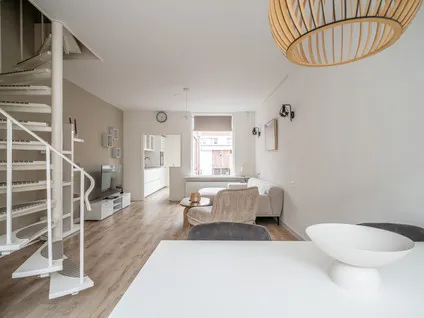
House prices and market figures for De Kooi, Leiden
De Kooi is a neighbourhood where rental properties dominate: 78% of the housing stock is rented, the majority (64%) owned by housing associations. Only 21% of the approximately 3,190 homes are owner-occupied, making the supply for buyers relatively limited. The average WOZ value is €307,000, significantly lower than the district average of Leiden-Noord (€348,000) and well below the Leiden average of €390,000. This makes De Kooi on paper one of the more affordable neighbourhoods in the city.
In the past twelve months, 76 homes were sold at an average purchase price of €358,151. The range ran from €175,000 to €775,000, with an average living area of 71 m². That works out to around €5,044 per square metre. Most transactions involve apartments, which is logical given the large share of flats in the neighbourhood. At the top of this page you will find the current listings with the latest asking prices and selling times.
Living in De Kooi, Leiden
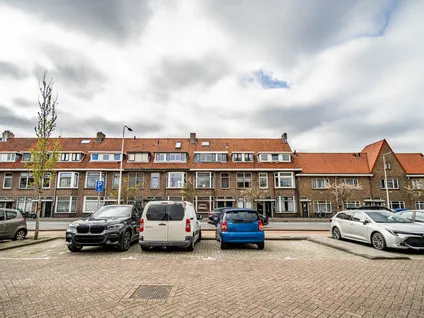
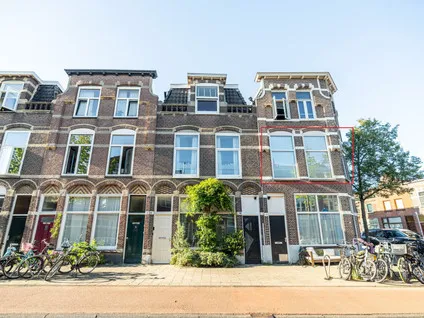
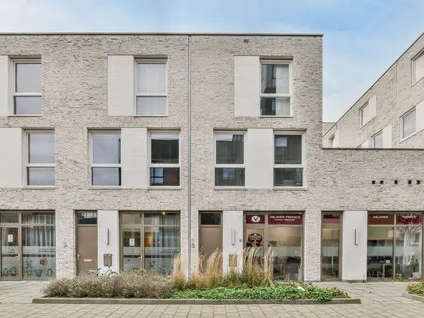
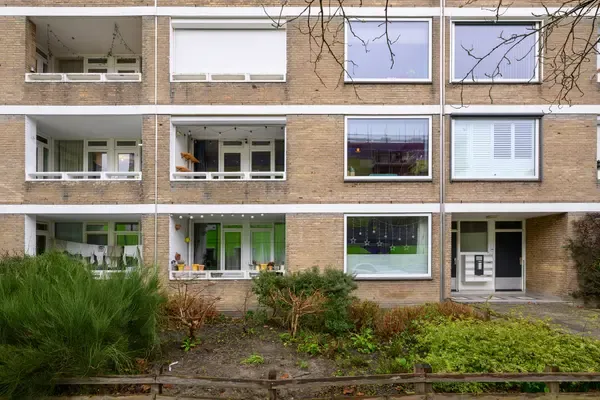
De Kooi is a typical post-war working-class neighbourhood on the north side of Leiden, largely built in the 1950s and 1960s with extensions into the 1970s. You will mainly find porch flats, gallery flats and a smaller number of terraced houses. It is a neighbourhood with a mixed population: many single people (1,775 one-person households), a large group of 25- to 45-year-olds and relatively many residents with a migration background. The average income of €30,700 is clearly below the Leiden average of €38,300, and 32% of residents are highly educated.
In terms of amenities, De Kooi scores reasonably well. There are primary schools in the immediate vicinity, including schools on Sumatrastraat, and for daily groceries you have supermarkets along Kooimeerstraat and Willem de Zwijgerlaan. Noorderkwartierpark and Van der Werfpark provide green space in the neighbourhood, and residents appreciate that: the sub-score for green space is 8.0. Accessibility also scores an 8.0. Bus lines towards the centre and Leiden Central station run frequently via Rooseveltstraat and Kooimeerstraat, and by bike you can reach the station or the city centre in ten minutes. The A44 is easily accessible via Plesmanlaan.
But De Kooi also has a rougher side. Residents give the neighbourhood an average of 6.6 and the safety score is only 5.0. Resident W. Sanders writes bluntly: "Too little police control is causing the neighbourhood to deteriorate quickly, drug dealers under the bridge, drug users around and even in bad weather in the flat." The beauty of the neighbourhood scores a 4.0, the lowest of all categories. Another resident, Yassine, is more nuanced and calls De Kooi "actually a normal neighbourhood", but also notes nuisance from drunk people in the park at weekends and children playing pranks. The sense of neighbourhood is mixed: "Unfortunately, we don't have as good contact with our neighbours as before," says Yassine. You can read more experiences on the page about De Kooi with all resident reviews.
If you compare De Kooi with neighbouring neighbourhoods, Groenoord is generally slightly quieter and greener, while Noorderkwartier is similar in atmosphere but sometimes has slightly higher prices. Those looking for more urban buzz can also look at Binnenstad-Noord, although you will pay considerably more there. The municipality of Leiden is investing in neighbourhood improvement in this part of the city, but according to residents the effects are not yet visible everywhere.
Is a home in De Kooi right for you?
De Kooi is particularly interesting for first-time buyers and single people looking for an affordable entry into the Leiden housing market. With apartments from around €175,000 and an average price well below the municipal average, buying a home in De Kooi is a more realistic option than in many other Leiden neighbourhoods. However, note that the supply of owner-occupied homes is limited due to the high rental share, so you need to act quickly when something becomes available. Be honest with yourself about the safety situation and social dynamics in some parts of the neighbourhood. Also consider rental properties in De Kooi as an alternative, or broaden your search area to the rest of Leiden-Noord. For families with children, it is wise to first explore the neighbourhood thoroughly and talk to residents.
What residents say about De Kooi
Based on 2 reviews, De Kooi scores a 6.6 out of 10. The strongest points are accessibility (8.0) and green space (8.0). The biggest concerns are beauty (4.0) and safety (5.0). Resident Yassine gives a 7.6 and describes it as: "It's actually a normal neighbourhood like you usually know. For the rest, it is a cosy neighbourhood." At the same time, there is clear criticism of nuisance and the lack of enforcement. All ratings and sub-scores can be found on the neighbourhood page of De Kooi.
Compare homes for sale around De Kooi and Leiden-Noord
On Buurtje.nl you can view the current housing supply from more than 1,500 sources, combined with neighbourhood scores and real resident reviews. This helps you not only choose a home, but also the neighbourhood that suits you. Compare De Kooi with neighbourhoods like Groenoord or districts such as Stationsdistrict and Roodenburgerdistrict. Or view the full overview of homes for sale in Leiden to compare all options side by side.
Frequently asked questions
What is the cost of a home in De Kooi?
The average purchase price in De Kooi over the past year was €358,151. The range runs from €175,000 to €775,000. With an average area of 71 m², the price per square metre comes to approximately €5,044. Most owner-occupied homes are apartments.
What is the WOZ value in De Kooi?
The average WOZ value in De Kooi is €307,000. That is lower than the average for the Leiden-Noord district (€348,000) and well below the Leiden municipality average of €390,000. De Kooi is therefore one of the more affordable neighbourhoods in Leiden.
What is it like to live in De Kooi?
De Kooi is a lively, mixed working-class neighbourhood with post-war buildings. Residents give the neighbourhood a 6.6 out of 10. Green spaces and accessibility score well (both 8.0), but safety (5.0) and cleanliness (4.0) are areas of concern. There is nuisance from drug use and social cohesion varies.
Is De Kooi suitable for first-time buyers looking to purchase a home?
Yes, De Kooi is one of the more affordable neighbourhoods in Leiden, with apartments from around €175,000. The neighbourhood has many single-person households and a young population. However, the supply of owner-occupied homes is limited (21% owner-occupied), so you need to act quickly when something becomes available.
How is the accessibility of De Kooi?
Accessibility scores an 8.0 among residents. By bus, you can reach Leiden Central station in a few minutes; by bike, it takes about ten minutes. The A44 is easily accessible via the Plesmanlaan. Leiden city centre is within cycling distance.
What type of homes are for sale in De Kooi?
The supply mainly consists of apartments in porch and gallery flats from the 1950s to 1970s. Occasionally, a terraced house or upper-floor home comes onto the market. Buying an apartment in De Kooi is the most common option, with an average area of 71 m².
How safe is De Kooi according to residents?
The safety score is 5.0 out of 10, the second lowest sub-score. Residents report nuisance from drug dealers and drug users, particularly around flats and under bridges. There is criticism of the lack of police patrols. It is advisable to visit the neighbourhood at different times before making a purchase decision.
Too little police control is causing the neighbourhood to deteriorate rapidly, drug dealers under the bridge, drug users around and even in bad weather in the flat, the housing association doesn't want to understand! Also many foreign residents in the flat and in the neighbourhood. The mayor and aldermen do nothing about it either. Leiden Noord is in decline! Bins disappear and it's normal for people to throw everything on the ground. Cleaning up dog poop, forget it, you can hardly pick it up anymore because the grass is much too high, so-called care for insects, in my opinion just a cheap cutback. The flat is also getting dirtier. They keep raising the costs but the escape routes haven't been cleaned for almost 5 years. Positive is that there are shops at Kooiplein and in the building there is the library and schools, secondary education at Sumatrastraat. Too bad that not only the government sees the car as a cash cow but the municipality now too.
Auto-translated to English by AIWell, it's actually a normal neighbourhood like you usually know. However, you do have a lot of drunk people sometimes in the park at the weekend, and also children who get up to a lot of mischief. For the rest, it is a pleasant neighbourhood, but unfortunately we don't have as nice contact with our neighbours as before. My neighbourhood has changed a lot compared to my childhood since we had an old neighbour lady who was very close to us. Felt like family..
Auto-translated to English by AI