





9 homes for sale in De Noork, Hengelo
Discover homes for sale in De Noork and view the current supply, average asking price, and time to sell directly on this page.


House prices and market figures for De Noork, Hengelo
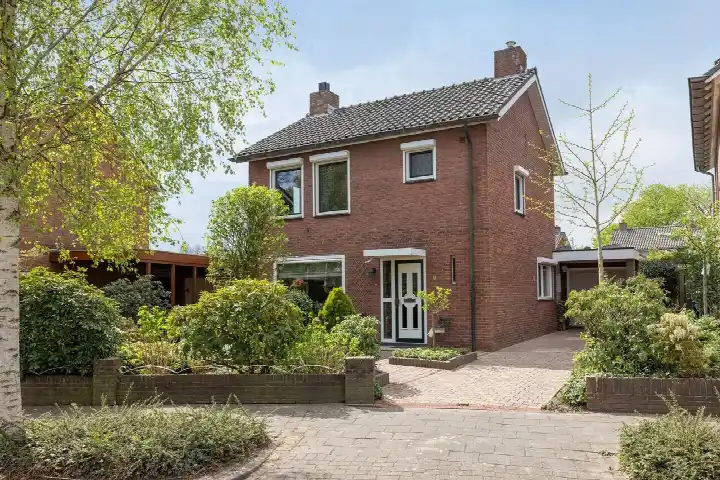
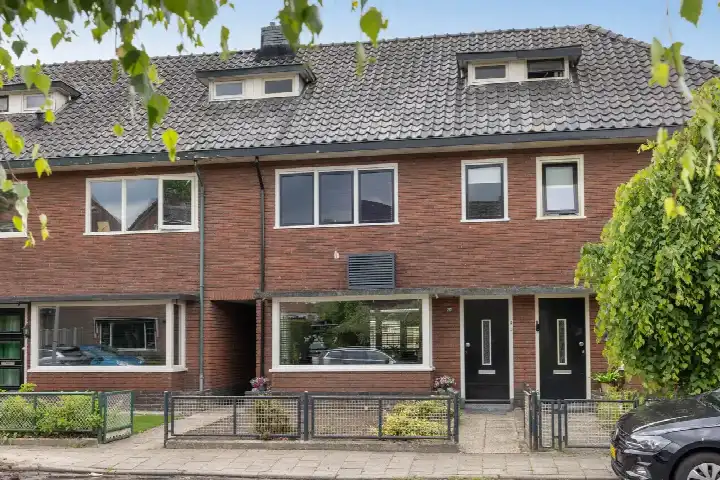
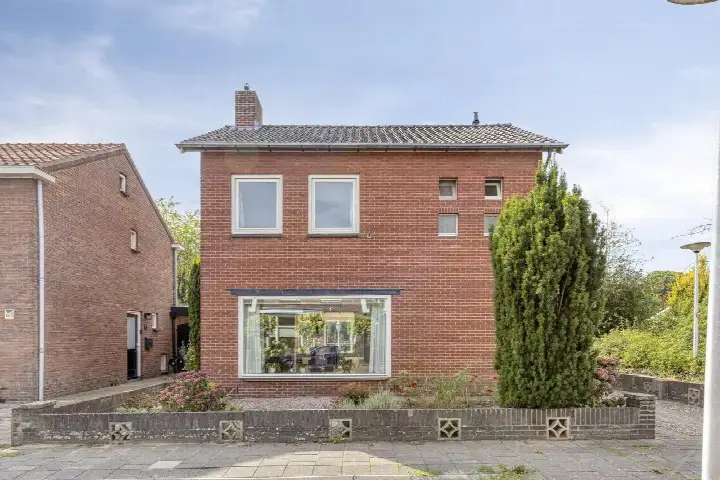
De Noork is predominantly a rental neighbourhood: of the 1,185 homes, only 34% are owner-occupied. This limited supply means relatively few homes come onto the market. In the past twelve months, 13 homes were sold, with an average sale price of €317,808. Prices ranged from €189,000 to €580,000, with an average living area of 100 m². That works out at around €3,178 per square metre. The WOZ value in De Noork is €199,000, which is clearly lower than the average for the district area Noord (€238,000) and well below the municipal average for Hengelo (€292,000). This difference says something about the character of the neighbourhood: more affordable than many other parts of the city, but with an active market where actual sale prices far exceed the WOZ value. The supply mainly consists of ground-floor homes, particularly terraced houses and semi-detached houses from the post-war period. At the top of this page, you can see the current supply, the average asking price and the average time on the market.
Living in De Noork, Hengelo
De Noork is an ordinary, down-to-earth residential neighbourhood in Hengelo, not a neighbourhood that stands out for its special architecture or trendy amenities, but also not a place where you feel uncomfortable. The district largely dates from the 1950s and 1960s, with terraced houses and some detached homes along wider streets such as Mozartlaan, Paganinistraat and Jozef Haydnlaan. The street names reveal the theme: composers. This gives the neighbourhood a recognisable structure, although the streetscape is functional rather than picturesque.
The location relative to the railway line plays a role in how the neighbourhood feels. The closer to the railway line, the more varied the character of the street. Resident Tim aptly describes it: it is a "normal neighbourhood but very dependent on exactly where you are." That is honest advice for anyone looking for a home here: the location within De Noork matters. The Oude Postweg forms an important connecting axis, but also a place where speeding is a recurring problem. Residents mention traffic nuisance on several streets as a point of concern.
In terms of amenities, De Noork is reasonably equipped for daily shopping. There is an Aldi in the neighbourhood, although it causes litter problems in the immediate vicinity, something several residents find annoying. For more extensive shopping and stores, the city centre of Hengelo is within cycling distance, roughly ten minutes. Hengelo Station is about two kilometres away, easily accessible by bike or bus. Via the A35 and A1, the neighbourhood is well connected by car to Enschede and the rest of the region. The resident score for accessibility is 7.3 out of 10, indicating that most residents are satisfied with it.
Green space is another story. The sub-score for green space is 5.0 out of 10, the lowest of all categories. De Noork has no large park in the immediate vicinity, and the streets are predominantly paved. If you value green space and openness, you would be better off looking at neighbouring areas such as Klein Driene or Elsbeek, or districts like Hengelose Es elsewhere in Hengelo.
The social atmosphere in De Noork is reserved but not cold. Resident Rianne van Ommen describes it as follows: "People keep to themselves, but they are not distant. They can still have a chat here and there." She also points out the dog owners in the neighbourhood who regularly meet each other, which creates a pleasant atmosphere. One point of concern she mentions is fireworks in the evenings and at night, even outside New Year's Eve. The sub-score for safety is 7.3 out of 10, which is a reasonable result for an urban neighbourhood. Education scores the highest of all categories, with an 8.0, which is a plus for families with children. More resident experiences and neighbourhood data can be found on the page for De Noork.
Compared to the rest of the Noord district, De Noork is the more accessible and mixed neighbourhood, with a lower average income (€26,800 versus €29,900 in Noord) and a higher concentration of rental homes. If you are looking for a home to buy in the wider area, you can also look at 't Rot or the homes for sale in Noord as a whole for a broader picture.
Who is a home in De Noork suitable for?
De Noork primarily appeals to first-time buyers and young households. The entry price of €189,000 is low for Hengelo, and the average sale price of €317,808 is well below the municipal average. The largest age group in the neighbourhood is 25 to 45 years old, indicating that many peers have already chosen De Noork. For families, the high education score is a plus. If you are looking for peace, green space and little traffic nuisance, you have to be honest: you will find that better elsewhere. If renting is an alternative, also check out the rental homes in De Noork, as the vast majority of the housing stock here consists of rental properties.
What residents say about De Noork
De Noork receives an overall score of 6.5 out of 10, based on three resident reviews. The highest sub-scores are for education (8.0), safety (7.3) and accessibility (7.3). The lowest scores are for green space (5.0) and housing (5.3). Rianne van Ommen sums up the atmosphere as "safe but boring", and that is an honest characterisation of a neighbourhood that functions without standing out. All scores per category and the full reviews can be found on the neighbourhood page for De Noork.
Comparing homes for sale in and around De Noork
Buurtje.nl combines property listings from more than 1,500 sources with neighbourhood scores, resident reviews and district data, so you not only find a home but also know what you are buying in terms of the neighbourhood. Want to compare? Then also check out the homes for sale in Noord as a whole, or explore other districts such as Groot Driene, Binnenstad or Hasseler Es. For more information about living and housing in the city, also see the website of Hengelo municipality.
What is the cost of a home in De Noork?
In the past twelve months, 13 homes were sold in De Noork, with an average purchase price of €317,808. Prices ranged from €189,000 to €580,000. The average living area was 100 m², resulting in a price of approximately €3,178 per square metre. The WOZ value in the neighbourhood is €199,000, which is lower than the actual sale prices.
What is the WOZ value in De Noork?
The average WOZ value in De Noork is €199,000. This is clearly below the average for the Noord district (€238,000) and significantly below the municipal average of Hengelo (€292,000). De Noork is therefore one of the cheaper neighbourhoods in the city, although actual sale prices far exceed the WOZ value.
What is living in De Noork like?
Living in De Noork is down-to-earth and functional: an ordinary Hengelo residential neighbourhood with terraced houses, reasonable accessibility and a subdued social atmosphere. Residents appreciate the safety and educational facilities, but are less satisfied with the greenery and housing. The overall neighbourhood score is 6.5 out of 10. Traffic nuisance on some streets and waste nuisance near the supermarket are recurring points of attention.
Is De Noork suitable for first-time buyers and young families?
De Noork is certainly interesting for first-time buyers and young households. The entry price of €189,000 is low for Hengelo, and the average sale price is below the municipal average. The largest population group in the neighbourhood is 25 to 45 years old. Families with children benefit from the high education score (8.0 out of 10). Those seeking more greenery and space will find it better elsewhere in Hengelo.
How is the accessibility of De Noork?
Residents give accessibility a 7.3 out of 10. Hengelo Station is about two kilometres away, easily reachable by bike. Via the A35 and A1, connections to Enschede and the rest of Overijssel are quick. The city centre of Hengelo can be reached by bike in about ten minutes. However, there is nuisance from speeding cars on streets such as Mozartlaan and Paganinistraat, according to residents.
What type of homes are for sale in De Noork?
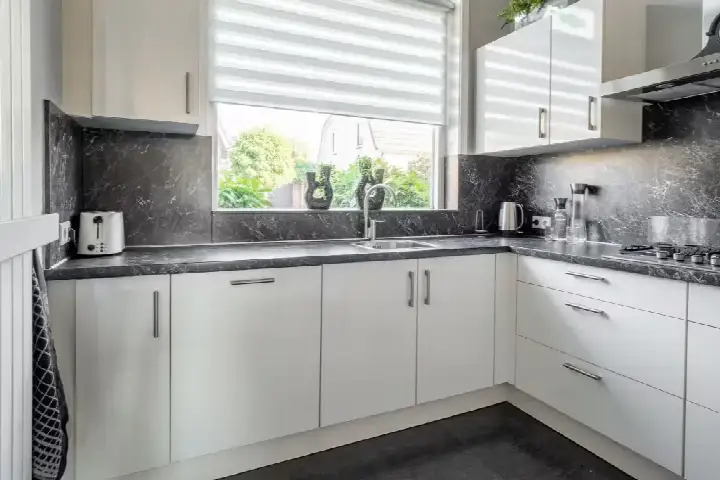
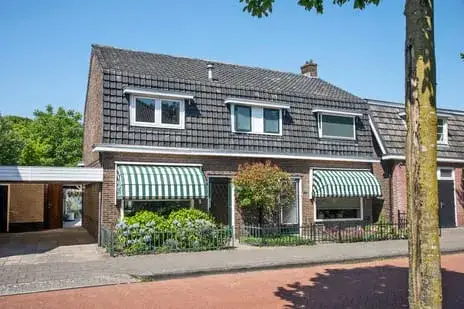
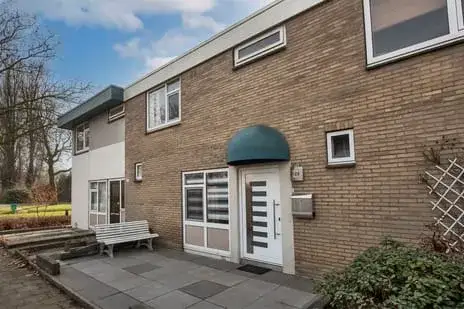
The supply of owner-occupied homes in De Noork mainly consists of ground-based homes, particularly terraced houses and semi-detached houses from the post-war period, roughly the 1950s and 1960s. Occasionally a detached home comes on the market, which explains the wide price range. Only 34% of the total housing stock is owner-occupied, so supply is limited and relatively few homes become available.
Is De Noork safe and what about nuisance?
The safety sub-score is 7.3 out of 10, which is a reasonable result for an urban neighbourhood. Residents describe the neighbourhood as safe but point out a few points of attention: fireworks in the evenings and at night outside New Year's Eve, waste nuisance around the Aldi, and speeding cars on several streets in the neighbourhood. The location within De Noork plays a role: streets closer to the railway are perceived as less pleasant.
normal neighbourhood but very dependent on exactly where you are. the closer to the railway, the worse it gets. waste nuisance around the Aldi is excessive and really needs attention. speeding on the Mozartlaan, Paganinistraat, Oude Postweg, Jozef Haydnlaan is also significant. speeding is too easy and it's unclear what the maximum speed is. small gardens and green strips also need attention. where the streets are swept regularly (plus point), the gardens are maintained once a year. I feel safe enough, although it's not always great, loud foreign voices, groups of men and overdue maintenance on sometimes entire blocks.
Auto-translated to English by AIPeople keep to themselves, but aren't distant. They can still have a chat here and there. There are many dog owners in the neighbourhood whose dogs play together a lot, which sometimes creates a cosy atmosphere. A downside is that there's a lot of fireworks set off in the evenings/nights. Also, a lot of rubbish is dumped by the plastic/paper containers, or entire households' furniture is thrown away.
Auto-translated to English by AICalming Accessible Close to the city Shops nearby Pleasant people
Auto-translated to English by AIOffices with the most homes in Hengelo on Buurtje.nl, last 12 months.
Dekkers MakelaarsHengelo519 homes
 Elst&co MakelaarsHengelo162 homes
Snelder Zijlstra MakelaarsAlmelo162 homes
 Des Huizes MakelaarsHengelo129 homes
 Prisma Era Makelaars HengeloHengelo104 homes
 Euverman Bedrijfsmakelaars en VastgoedbeheerdersHengelo62 homes
 Home MakelaarsOldenzaal56 homes
 Nieuw Wonen Twente MakelaarsEnschede50 homes