




A quiet spot in Zuiderhout
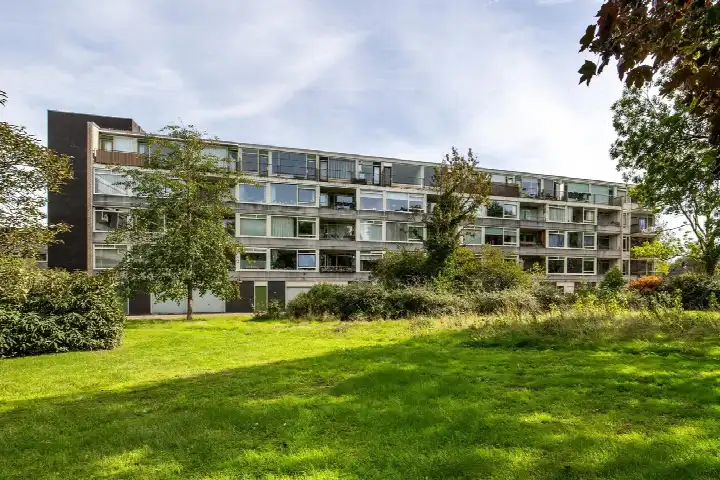
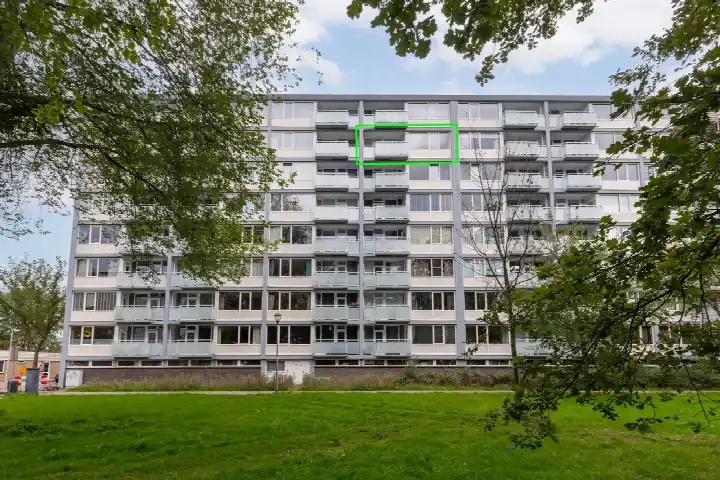
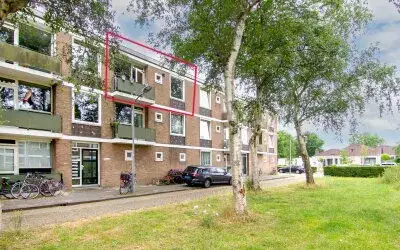
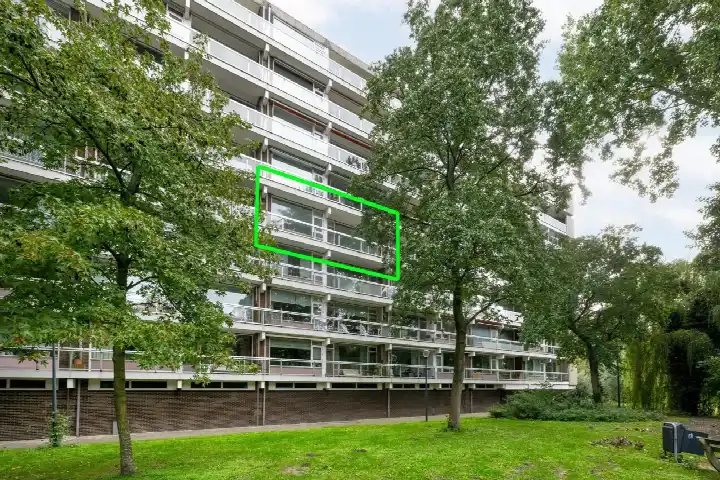
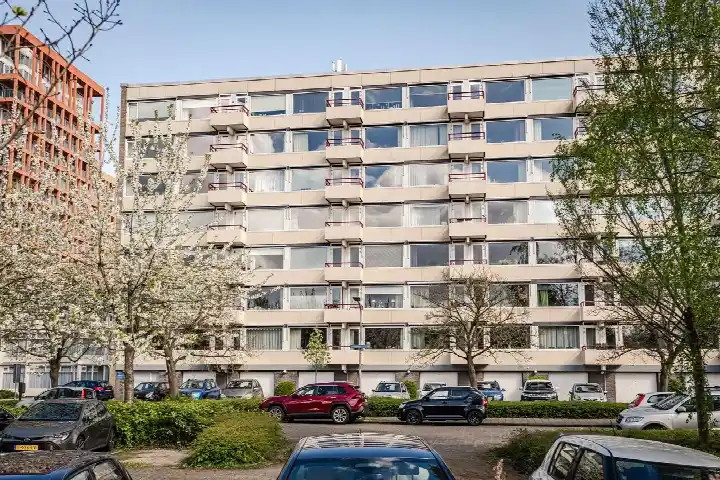
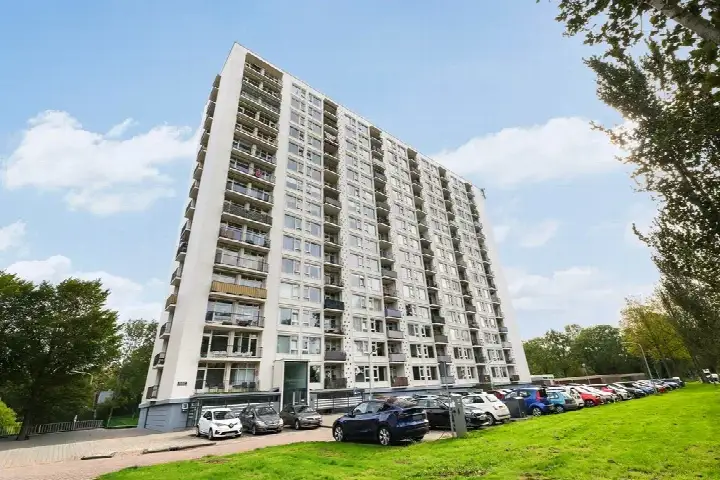
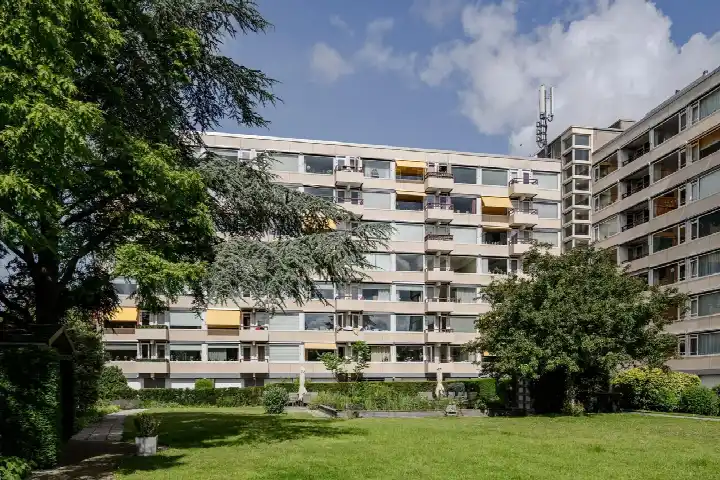
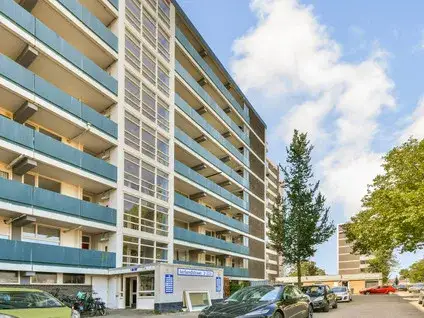
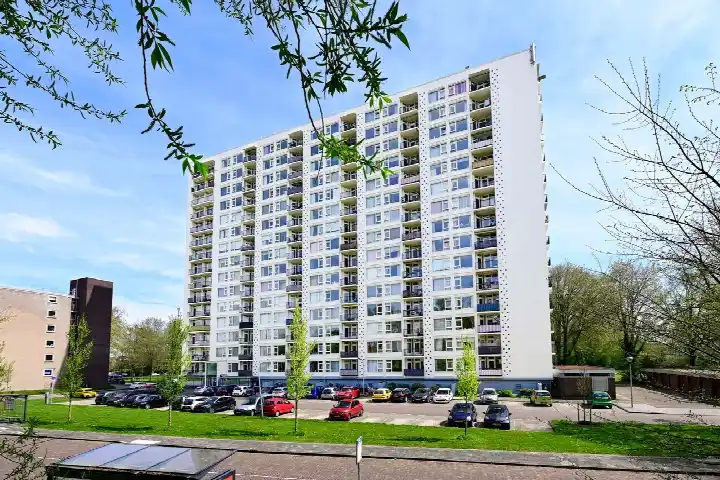
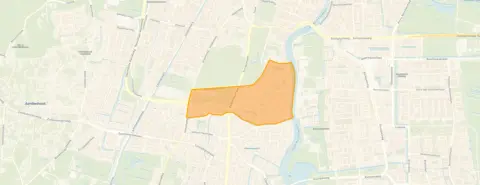
This apartment on Prins Mauritslaan sits in Zuiderhout, a calm corner of Haarlem where the streets are lined with post-war housing and the Spaarne is never far away. The home was built in 1960 and is offered for €295,000. This listing does not state the energy label. As a result, you cannot tell from the listing how energy-efficient the home is. The asking price is keen compared with the average asking price in the neighbourhood, which comes to €1,375,909. For context, there are currently 11 apartments for sale in Haarlem, and the average asking price per square metre in Zuiderhout is €7,840.
The apartment itself
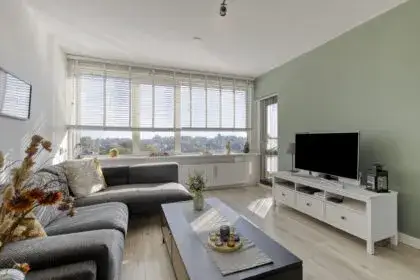
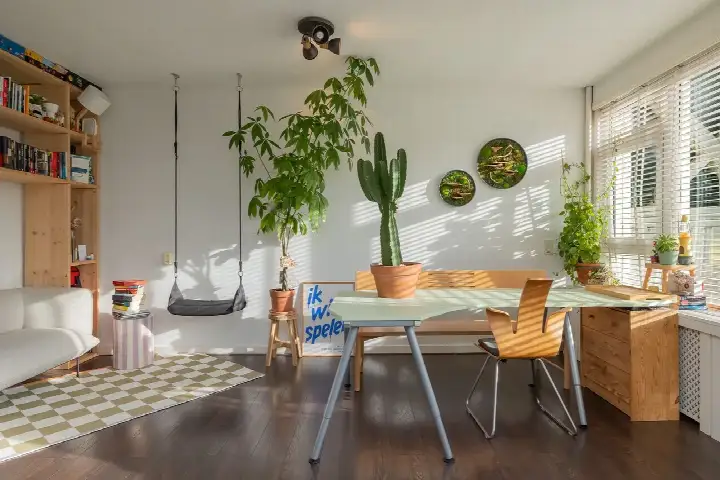
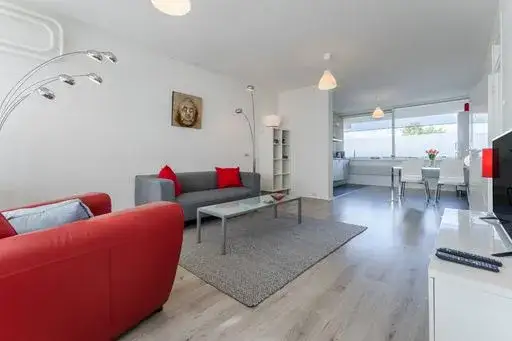
The apartment has a living area of 51 m² according to the BAG registration. The agent does not provide further details about the layout, such as the number of bedrooms or bathrooms, nor about any outdoor space or installations. The home was built in 1960, so it dates from a period when many homes in this part of Haarlem were constructed. Without more information from the agent, it is hard to say much more about the interior.
Life in Zuiderhout
Zuiderhout is a residential area with a mix of ages: about a fifth of the 1,720 residents are under 15, while a similar share are 65 or older. Most homes here were built between 1945 and 1970, and 92% are owner-occupied. Residents of the district, which includes Zuiderhout, give their living environment an average score of 7.78, based on seven reviews. One resident describes the area as lively but anonymous: "there are many hip young people living here and there are many amenities and infrastructure in the neighbourhood, but it is anonymous because people don't really know each other." Another resident finds it cosy: "My neighbourhood is nice and social. Many beautiful inner gardens. Students, elderly people and families together. View of the Spaarne." The reviews reflect the wider district rather than Zuiderhout specifically. For more on the area, see the Zuiderhout neighbourhood.
Amenities and transport
Daily errands are well covered. The Haarlemse Montessorischool voor Basisonderwijs is on your doorstep, and there are several supermarkets a ten-minute walk away, including Albert Heijn and Vomar. The nearest GP, Huisartsenpraktijk Roodenburg Heemstede, is a couple of streets away, and the pharmacy Boots Apotheek Hildebrand is about a ten-minute walk. For public transport, bus line 340 stops at Heemstede, Heemstede Noord, a five-minute walk away, and the train station Heemstede-Aerdenhout is about 1.7 km from the home. The municipality of Haarlem offers more options for shopping and leisure, as described on the municipality of Haarlem.
WOZ and address data
The WOZ value is not stated in this listing, so there is no municipal valuation to compare with the asking price. The address does come with some area-level risk indications. The noise from road traffic is 45 dB Lden, which is below the legal norm, and similar for rail and air traffic. The foundation risk indication is medium, based on the fact that the home was built before 1970 and that 95% of properties in this postcode area date from before that year. Pluvial flooding risk is low, as is the current flood risk, though heat stress is expected to become medium by 2050. These are area-level indications, not an inspection of this specific home.
Source
At the time of writing, the home is offered only via PUUR* Makelaars Heemstede.
This summary was generated with AI and may contain errors. Always verify the details with the provider.
Features
Details of this home
Transfer
Price
Areas and volume
Construction
The WOZ value is set annually by the municipality with 1 January as its reference date, and therefore lags the market by about a year. It is an estimated market value, not a sale price.
Frequently asked questions
About Prins Mauritslaan 2-0066, Haarlem
What is the asking price for this apartment?
The asking price is €295,000. This is keen compared with the average asking price in Zuiderhout, which is €1,375,909. The price per square metre, based on the BAG living area of 51 m², comes to €5,784, which is 26% below the neighbourhood average of €7,840 per m².
What is the living area of this apartment?
According to the BAG registration, the living area is 51 m². The agent does not provide a separate figure, so this is the only area stated. This is 70% smaller than the average living area of 172 m² in Zuiderhout.
Why is there no energy label in this listing?
The agent has not published this field. As a result, you cannot tell from the listing how energy-efficient the home is. The home was built in 1960, but no further information about insulation or heating is provided.
What is the foundation risk for this home?
The foundation risk indication for this address is medium. This is based on area-level data: the home was built before 1970, and 95% of properties in this postcode area date from before that year. In the neighbourhood, 2% of properties have an elevated risk of pile rot, according to the Klimaateffectatlas. This is an indication for the area, not an inspection of this specific home.
What are the noise levels like at this address?
The noise from road traffic is 45 dB Lden, which is below the legal norm. Rail traffic noise is 33 dB Lden and air traffic noise is 41 dB Lden, both also below the norm. These figures come from the Atlas Leefomgeving and are area-level indications for the address.
Which schools are near this apartment?
The Haarlemse Montessorischool voor Basisonderwijs is on your doorstep, about 95 metres away. For secondary education, Oost ter Hout is about 583 metres away, and the Rudolf Steiner College Engelandlaan is about 823 metres away. There are also several other schools within a short distance.
What public transport options are available?
Bus line 340 stops at Heemstede, Heemstede Noord, about 439 metres away. Other stops include Haarlem, Italielaan with lines 73, 567 and 569, and Haarlem, v. Oldenbarneveltlaan with line 250. The nearest train station is Heemstede-Aerdenhout, about 1.7 km away.
What is the neighbourhood of Zuiderhout like?
Zuiderhout has about 1,720 residents, with a mix of ages: 20% are under 15 and 23% are 65 or older. Most homes were built between 1945 and 1970, and 92% are owner-occupied. Residents of the district give an average score of 7.78, with one describing it as lively but anonymous and another as cosy with beautiful inner gardens.