





19 homes for sale in Cruquiusbuurt, Amsterdam
Discover current homes for sale in Cruquiusbuurt and view asking prices, selling times and neighbourhood data directly at the top of this page.








House prices and market figures for Cruquiusbuurt, Amsterdam
Cruquiusbuurt is a neighbourhood where buying is the exception, not the rule. Of the 1,070 homes, only 29% are owner-occupied, while 71% are rented, largely by private landlords. This limited sales volume is directly reflected in the sales statistics: in the past twelve months, 27 homes were sold, with an average purchase price of €623,444 and a range from €300,000 to €1,275,000. With an average living area of 66 m², the price per square metre comes to around €9,400, indicating that these are almost exclusively apartments. The WOZ value in Cruquiusbuurt is €560,000. That is lower than the average for the broader district Oostelijk Havengebied (€630,000), but significantly higher than the Amsterdam average of €517,000. The neighbourhood thus positions itself as an affordable alternative within an expensive district, although the absolute price level remains substantial. For current asking prices and availability of owner-occupied homes in Cruquiusbuurt, see the overview at the top of this page.
Living in Cruquiusbuurt, Amsterdam
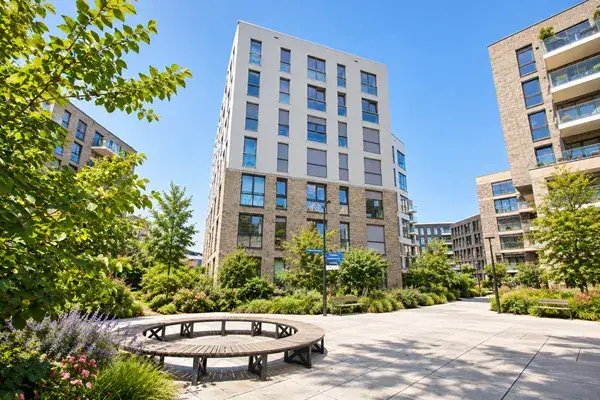
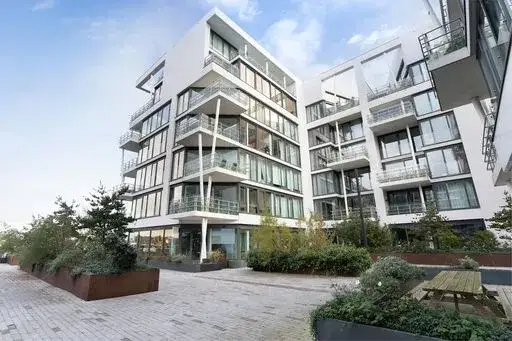
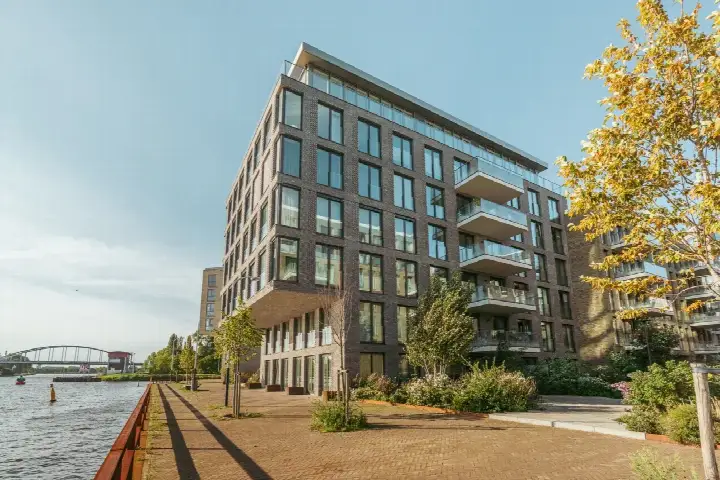
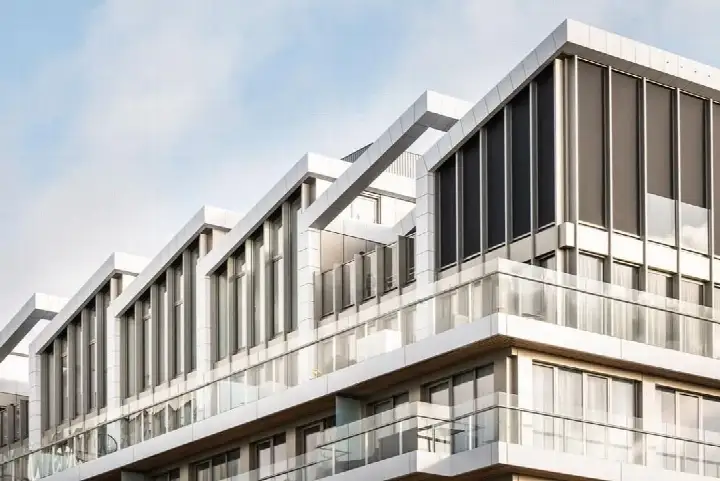
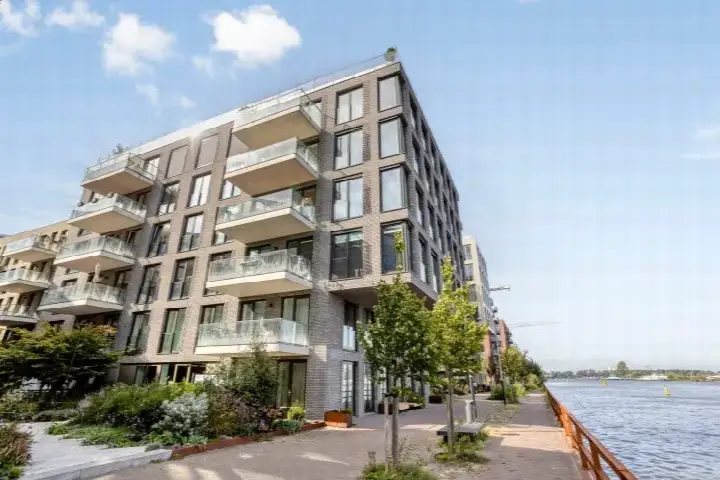
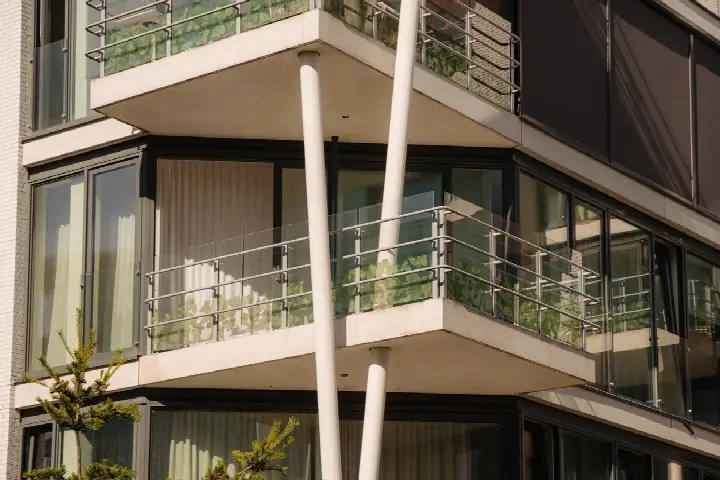
Cruquiusbuurt is located on the eponymous peninsula in the Oostelijk Havengebied, sandwiched between the Entrepothaven and the IJ. It is a neighbourhood that only took its current shape in the 1990s and early 2000s, when the former harbour grounds were transformed into a residential area. This is visible everywhere: the architecture is distinctive, with large windows, industrial details, and buildings clearly designed by architects tasked with creating something special. Think of the striking warehouse conversions along the Cruquiuskade and new-build blocks that follow the quay's building line.
The neighbourhood has a pronounced urban character, but in a quiet way. There are no busy shopping streets, no tourist crowds. The Cruquiusweg and surrounding area offer a mix of studios, small-scale hospitality, and creative businesses that give the neighbourhood its specific atmosphere. For daily groceries, you can quickly cycle to the Albert Heijn on KNSM-eiland or to the Javastraat, which is a short distance away and offers a varied range from Turkish greengrocers to speciality shops. A large supermarket within the neighbourhood itself is lacking, which for some residents is a deliberate trade-off.
Accessibility is good, although the neighbourhood is not directly connected to the metro. Tram 26 runs through the Oostelijk Havengebied and takes you to Central Station in about ten minutes. Bus lines connect the neighbourhood further with the rest of the city. By bike, the city centre can be reached in twenty minutes, which is no problem for the predominantly young and active residents. By car, the A10 is accessible via the Piet Heintunnel, although parking in the neighbourhood is limited and largely regulated through paid parking or permits.
The population consists mostly of people between 25 and 45 years old, accounting for over 60% of residents. Single-person households form the largest category, and only 21% of residents are married. It is a neighbourhood of highly educated people with an average income of €54,300, who consciously choose urban living without the hustle and bustle of the centre. Families with children exist, but they are in the minority: there are 265 children under 15 in a neighbourhood of nearly 2,400 residents. Primary schools are present in the broader Oostelijk Havengebied, but within Cruquiusbuurt itself, facilities for children are limited.
Residents appreciate the tranquillity and industrial charm of the neighbourhood. One resident writes: "You really live by the water here, with views you won't find anywhere else in Amsterdam for this money. It feels like a village in the city." Criticisms often concern the limited facilities directly in the neighbourhood and the reliance on a bike or tram for daily groceries. See all reviews and neighbourhood scores on the Cruquiusbuurt overview page.
Those who compare Cruquiusbuurt with sister neighbourhoods in the Oostelijk Havengebied will notice clear differences. Java-eiland has a more rounded residential character with more greenery and its own neighbourhood feel. Sporenburg is known for its ground-level townhouses, a type that hardly occurs in Cruquiusbuurt. Borneo has a similar density but a slightly more accessible price level. Cruquiusbuurt distinguishes itself by its more industrial appearance and the relatively low sales volume, which makes the market less transparent.
Is a home in Cruquiusbuurt right for you?
Cruquiusbuurt mainly appeals to people who consciously choose urban living by the water, without expecting family-neighbourhood facilities. First-time buyers with a budget around €400,000 to €500,000 can sometimes find something here, although supply is scarce and overbidding is common in this segment. Movers looking for a larger apartment can sometimes find more spacious units in the higher price range. Families with young children should take into account limited play space and the lack of a school within walking distance. If you are considering renting as an alternative: there are also rental homes in Cruquiusbuurt available, although the private rental market here is dominant and rents are correspondingly high.
What residents say about Cruquiusbuurt
Residents rate Cruquiusbuurt positively for atmosphere, location, and the tranquillity the neighbourhood offers despite the urban context. Higher scores go to the unique waterside location and architecture. Lower scores appear for facilities and public transport accessibility. One resident describes it as: "The neighbourhood has something unique that is hard to describe. Not for everyone, but if it clicks, you never want to leave." Read all reviews and view the full neighbourhood data on the Cruquiusbuurt page.
Compare homes for sale in Oostelijk Havengebied and Amsterdam
Buurtje.nl brings together the current housing supply from more than 1,500 sources on one page, supplemented with resident reviews and district data that you won't find anywhere else in this combination. This way, you can not only see what is for sale but also understand whether the neighbourhood suits you. Want to compare? View homes for sale in Oostelijk Havengebied for a broader overview of the district, or explore KNSM-eiland and Oostelijke Handelskade as direct alternatives. For a different type of neighbourhood in Amsterdam, the Haarlemmerbuurt and the Jordaan are popular options. The full supply in the city can be found via homes for sale in Amsterdam. For municipal information about living and permits, see amsterdam.nl.
What does a home cost in Cruquiusbuurt?
In the past twelve months, 27 homes were sold in Cruquiusbuurt, with an average purchase price of €623,444. The range runs from €300,000 to €1,275,000. With an average living area of 66 m², the price per square metre is approximately €9,400. It concerns almost exclusively apartments, often in former warehouses or new-build complexes from the 1990s and early 2000s.
What is the WOZ value in Cruquiusbuurt?
The average WOZ value in Cruquiusbuurt is €560,000. That is lower than the average of the surrounding district Oostelijk Havengebied (€630,000), but higher than the Amsterdam average of €517,000. The neighbourhood is thus relatively affordable within the district, although the absolute level remains high compared to the rest of Amsterdam.
What is it like to live in Cruquiusbuurt?
Living in Cruquiusbuurt means living on a peninsula on the IJ, with distinctive architecture from the 1990s and early 2000s. The neighbourhood is quiet and urban at the same time, with few shops in the immediate vicinity but plenty of character. Residents appreciate the waterside location and the uniqueness of the neighbourhood. Criticism mainly concerns the limited daily amenities within walking distance.
Is Cruquiusbuurt suitable for first-time buyers?
First-time buyers can find a home in Cruquiusbuurt, but supply is limited: on average only two homes are sold per month. The entry price is around €300,000, but the majority of transactions take place in higher segments. Overbidding is common. The neighbourhood mainly attracts highly educated singles and couples between 25 and 45, which describes the typical buyer group well.
How accessible is Cruquiusbuurt?
Tram 26 is the main public transport connection and runs via Oostelijk Havengebied to Central Station in about ten minutes. By bike, the city centre can be reached in about twenty minutes. By car, the neighbourhood connects to the A10 via the Piet Heintunnel. Parking is limited and regulated through paid parking or permits, which requires a conscious consideration for motorists.
What type of homes are for sale in Cruquiusbuurt?
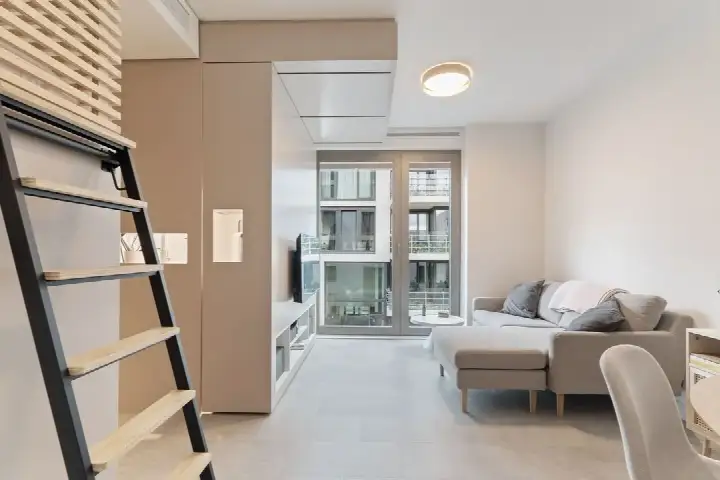
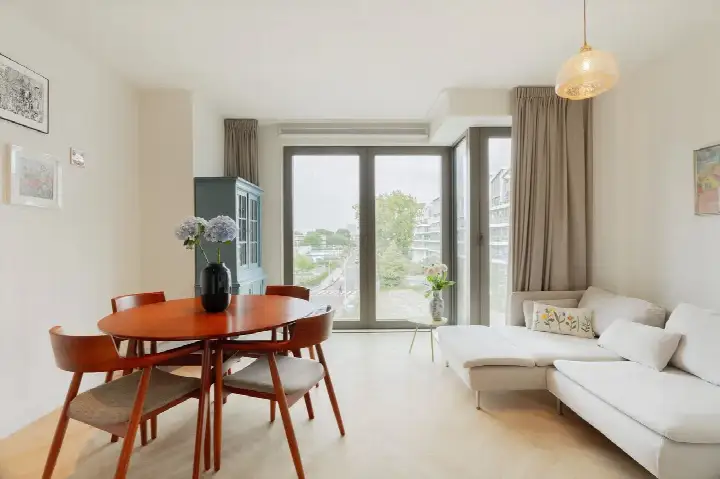
The owner-occupied housing supply in Cruquiusbuurt consists almost entirely of apartments, often in buildings from the 1990s and early 2000s. Partly these are conversions of former warehouses along the quays, partly new-build complexes. Ground-level homes are extremely rare. The average sold area over the past twelve months was 66 m², but the spread is large.
Is there much green space in Cruquiusbuurt?
Cruquiusbuurt has little traditional green space such as parks or gardens. The quality of the outdoor space lies mainly in the waterside location: the neighbourhood borders the Entrepothaven and the IJ, which gives a sense of space. For a park, you need to cycle towards Flevopark, which is about fifteen minutes away by bike. If green space in the immediate living environment is important to you, it is wise to take this into account when choosing this neighbourhood.