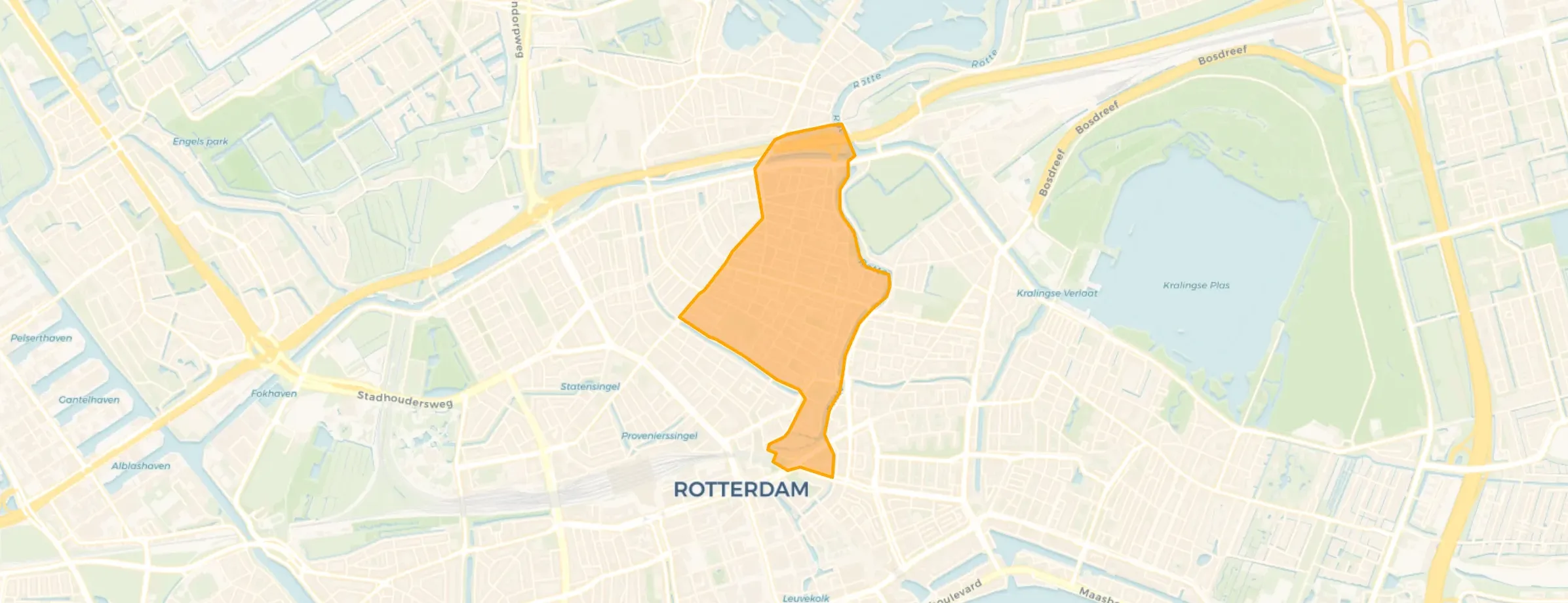
Neighbourhood in Rotterdam
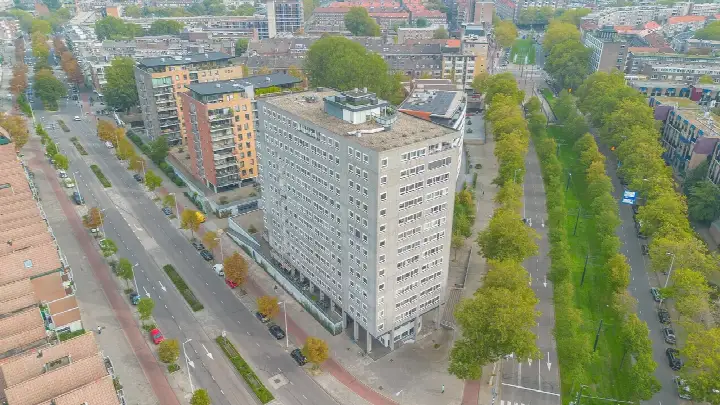
Oude Noorden is located in the province of Zuid-Holland, in the municipality of Rotterdam, in the district Noord The neighbourhood has a total area of 106 hectares, of which 101 hectares are land and 5 hectares are water. The neighbourhood is coded as BU05990535. The postcode area is 3032BP-3036ZL.
Seven residents rate the neighbourhood as good with a score of 7.2. They describe it as 'We know each other in this neighbourhood', 'Cosy and hip' and 'Feel like a stranger in my own country'. Residents experience big differences in this neighbourhood: amenities, safety, education receive high ratings, while housing and cleanliness are mentioned as weak points.
Oude Noorden has 17.250 residents. Of these, 49,9% are men and 50,1% are women. Most residents are 25 to 45 years (36,6%). The other age groups are 23,3% for '45 to 65 years', 14,8% for '15 to 25 years', 13,4% for '0 to 15 years' and 12,0% for '65 years or older'. Of the residents, 65,5% is unmarried, 23,2% is married, 8,9% is divorced and 2,3% is widowed. 5.795 residents originate from the Netherlands, 2.085 come from Europe and 9.375 come from countries outside Europe.
There are 9.325 households in Oude Noorden. 53,9% of these are single-person households, 20,2% households without children and 25,8% households with children. The average household size is 1,8 persons. The national average is 2,1 persons.
In Oude Noorden there are 14.100 income recipients. The average income per income recipient is €36.900, which is €5.300 (13%) lower than the national average of €42.200. Per resident, the average income is €30.400, which is €4.500 (13%) lower than the national average of €34.900. Most residents of Oude Noorden are highly educated. 37,7% have a university or higher professional education (HBO/WO), 33,1% have an intermediate education (HAVO, VWO or MBO 2-4) and 29,2% have a lower education (VMBO or MBO 1).
Of the 17.250 residents, around 64% are in paid employment, which amounts to 11.040 people. This is 8% lower than the national average of 72%. The majority of workers are in salaried employment (83%), while 17% are self-employed. In Oude Noorden, 24% of residents receive a benefit. The largest group is those receiving a state pension (AOW). 1.810 people receive this benefit.
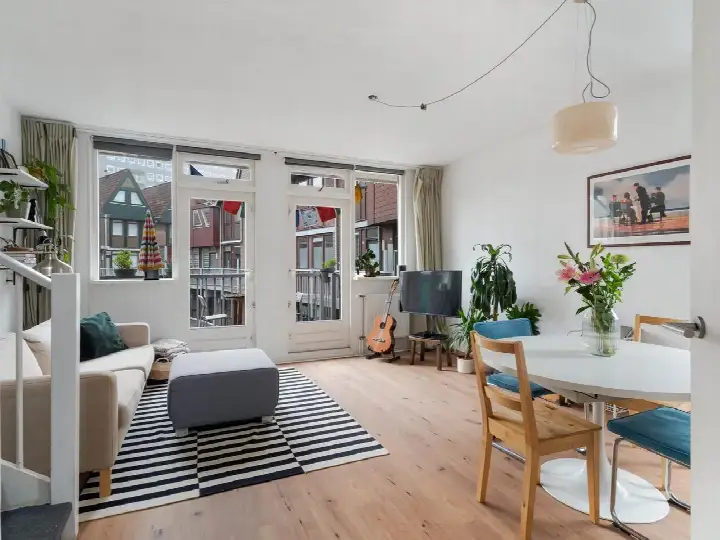
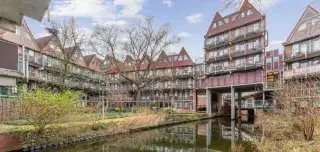
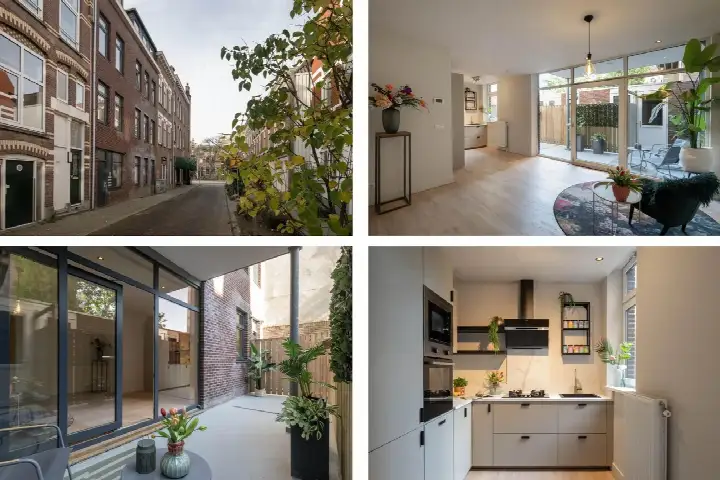
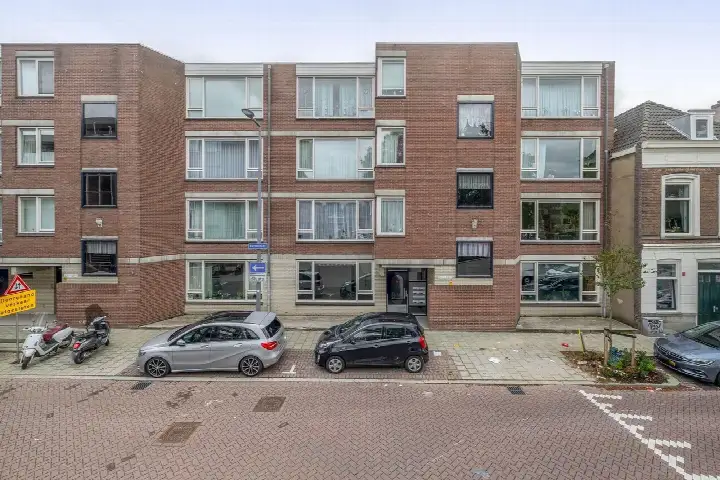
In Oude Noorden there are 8.779 homes with an average assessed value (WOZ) of €347.000. Of these, around 93% are occupied and 7% unoccupied. Most homes are rental properties. This amounts to 78% rental homes and 22% owner-occupied homes. Of the homes, 22% privately owned, 57% owned by housing associations and 21% owned by other landlords. The most common construction periods in Oude Noorden are 1700-1900 (30%) and 1980-1990 (22%).
There are currently 94 homes for sale in Oude Noorden. The most recently listed home is Noordsingel 113S by DHB Makelaardij Rotterdam op Funda. Over the past year, 576 homes were sold in Oude Noorden. On average, a home was sold within 64 days.
The average asking price for a home for sale in Oude Noorden over the past year was €456.839. This is 32% higher than the average assessed value (WOZ) of €347.000. The average asking price per m² of plot is €4.860.
There are 21 homes for rent in Oude Noorden. The most recent home is Gravin Adélastraat 84, offered by Rental Rotterdam op Pararius. Over the past year, 241 homes were let in Oude Noorden. On average, a listing was let within 29 days.
The average rent for a rental home in Oude Noorden over the past year was €2.355 per month. Per m² of plot area that is €28 per month.
In Oude Noorden there are 7.719 addresses with a registered energy label. The most common labels are A (29%), C (25%) and B (21%). On average, an address in Oude Noorden uses 1.820 kWh of electricity per year. This is 29% below the national average of 2.550 kWh. With an annual consumption of 540 m³ per address, natural gas consumption is 33% below the national average of 800 m³.
This neighbourhood is a mix of all nationalities and very popular, and not to mention we live close to the Rotte
Auto-translated to English by AIWe've been living in this neighbourhood for 4 years now and it's fine, and people are there for each other with help when needed, people still greet each other here and everyone knows each other, only the hygiene could be better
Auto-translated to English by AIThe house is fine but people throw all sorts of things on the street, especially food, and I've been living in a construction pit for over 2 years.
Auto-translated to English by AII find the neighbourhood rather one-sided in terms of residents
Auto-translated to English by AIIn this neighbourhood you'll find cosy pubs, sports clubs, schools, an abundance of shops, a choice of almost every supermarket (except Jumbo). In the last few years, more and more students have come to live in and around the Zwart Janstraat (shopping street). That creates a lively atmosphere and occasionally some noise from parties, but I certainly don't mind it. It's a mix of various ethnicities, everyone is helpful and greets each other. A few years ago, the neighbourhood was really a mess, it seems to have improved a bit now, but you can't call it clean. The Zwart Janstraat was a Formula 1 circuit, but the municipality put a stop to that with extremely high thresholds and confusing one-way streets. Occasionally, some cars still race through the side streets with an enormous racket. I wouldn't let children play outside alone quickly, especially after dusk. There are sometimes unpredictable (sometimes addicted) individuals roaming around, especially past the Noordsingel around those small sports fields. My bike was stolen last year when I wasn't looking. Likewise, some other, more valuable belongings of residents. So watch your belongings. Crooswijk borders the Oude Noorden; this neighbourhood is often in the news in mid-2023 with bomb threats. I haven't seen or heard this kind of crime here, so I can't confirm that. All in all, a vibrant neighbourhood where you won't get bored with everything you need nearby. But with a slight ghetto feel (3 out of 10), that's how I would describe it to give you an idea ;).
Auto-translated to English by AIVery noisy on the street at night, but there are also many parties in the houses. There should be more police patrols.
Auto-translated to English by AIit's a very nice neighbourhood, everyone takes good care of each other and is there for each other.
Auto-translated to English by AIThe housing stock is predominantly pre-war — 54% of the homes date from before 1945. In addition, the most common type is flats (94%).
Over the past year a home for sale in Oude Noorden was listed for an average of €456,799 (€5,522 per m²). That is 14% below the Dutch national average. Last quarter prices fell by 15%.
A rental home in Oude Noorden cost an average of €2,044 per month (€22 per m²).
Residents give Oude Noorden a 7.2 out of 10 based on 7 reviews. The strongest score is for amenities (8.3), the weakest for cleanliness (5.0).
Buurt Oude Noorden has 17,250 residents. The largest age group is 25 to 45 years (37%). Notably, 54% of the households are single-person households.
The housing supply in Oude Noorden is remarkably efficient: 59% has an A, A+ or B label. The average natural gas consumption per household is 540 m³ per year.
From Oude Noorden you can on average reach a supermarket at 0.4 km, a GP at 0.6 km, a railway station at 1.6 km, a primary school at 0.4 km (as the crow flies, source: CBS).
Right now you will find 101 homes for sale and 24 homes for rent in Oude Noorden.