




Traaij 246
Driebergen-Noord, Utrechtse Heuvelrug
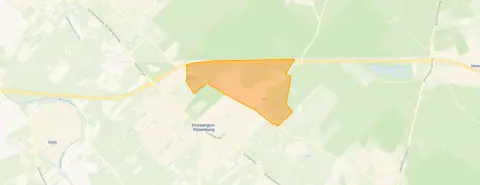 Area
AreaA classic semi-detached home in Driebergen-Noord
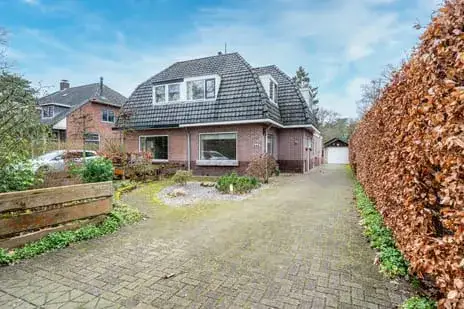
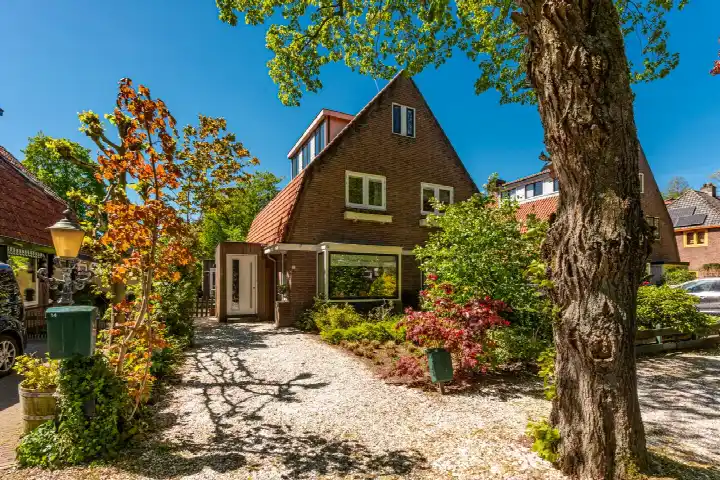
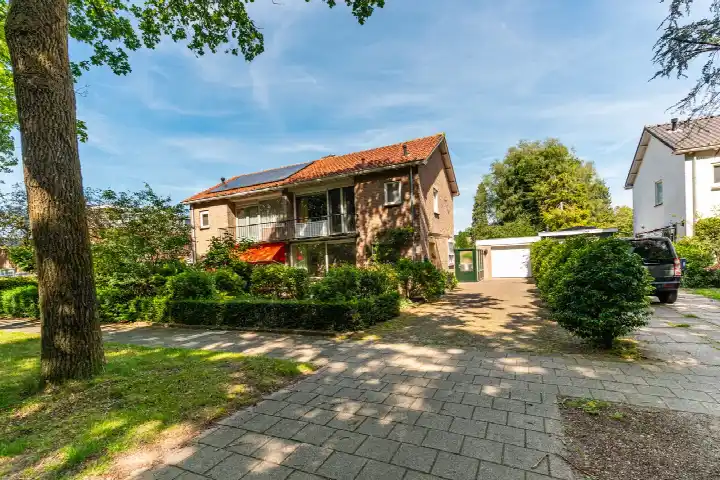
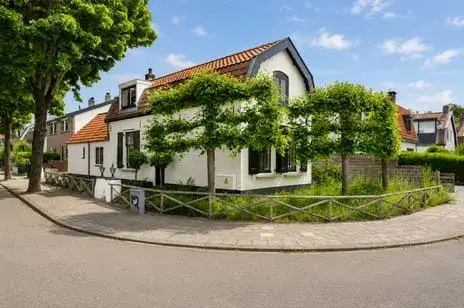
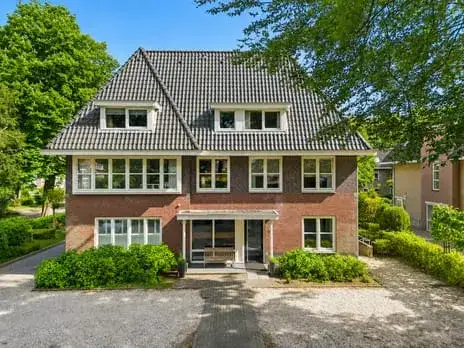
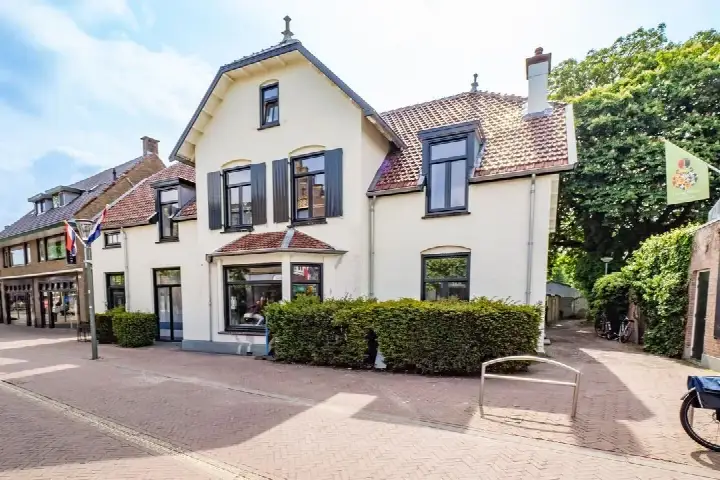
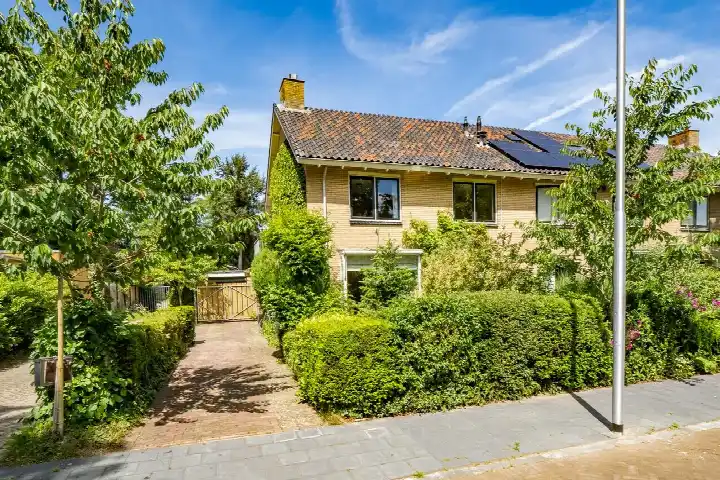
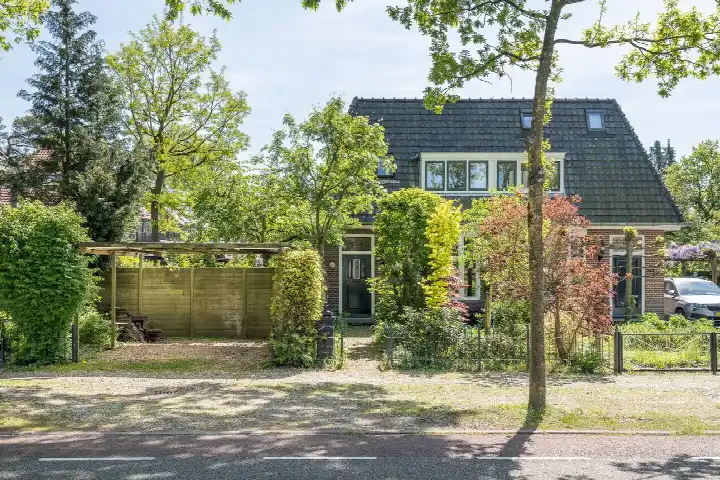
Tucked away in Driebergen-Noord, this semi-detached house from 1926 sits on a plot of 330 m² with a living area of 105 m². The asking price of €750,000 works out at €7,143 per m² based on the agent's listing. Compared with other [semi-detached houses in Utrechtse Heuvelrug], this price sits on the high side.
Inside the home
This home has four rooms in total, including three bedrooms and two bathrooms, spread over two floors. The total volume comes to 416 m³. The energy label is F, which is one of the least efficient labels, so expect higher energy costs. The house was built in 1926, a fact that speaks for itself.
Life in Driebergen-Noord
Driebergen-Noord is a small neighbourhood with around 2,120 residents, many of whom live in owner-occupied single-family homes. Residents of the wider district of Driebergen give their living environment an average score of 8.04, based on 15 reviews. One resident says: "It's a quiet neighbourhood. I live on the edge of Driebergen, on a street with almost only farms, and it's very quiet." Another adds: "Blissful on a dead-end road ending at a forest with a pond, it's peaceful living." A third resident notes that Driebergen is very green, with shrubs, trees and flowers in most streets. The reviews paint a picture of a leafy, tidy area, though some mention limited contact between neighbours and a few concerns about loitering youths in the evenings. For more context, have a look at [the Driebergen-Noord neighbourhood].
Amenities and transport
For daily errands, the Lidl is a ten-minute walk away, with an Albert Heijn just beyond that. The nearest primary school, CJS De Kring, is a couple of streets away, while the nearest GP and pharmacy are both just around the corner. Bus stops on the Welgelegenlaan and at Traaij/Arnhemsebovenweg are within a five-minute walk, served by lines 56, 57 and Flex. The train station Driebergen-Zeist is about three kilometres away. All of this sits within [the municipality of Utrechtse Heuvelrug].
WOZ and address data
No WOZ value is available for this property. According to public risk data at address level, the noise from road traffic is measured at 60 dB Lden, which is above the noise standard, while railway noise at 42 dB Lden stays below it. The foundation risk indication is low, on sandy soil, though this is an area-level indication rather than an inspection of this specific home. For pluvial flooding at heavy rain, the indication is medium, while the current flood risk is low and heat stress is low, rising to medium by 2050. These are all area-level indications.
Source
At the time of writing, the home is offered only via Vierhout van Wonderen Makelaars Taxateurs.
This summary was generated with AI and may contain errors. Always verify the details with the provider.
Features
Details of this home
Transfer
Price
Energy
 Save up to € 400 on your energy billCompare now
Areas and volume
 Insure your home and belongingsGet insured
Layout
Construction
Outdoor space
The WOZ value is set annually by the municipality with 1 January as its reference date, and therefore lags the market by about a year. It is an estimated market value, not a sale price.
Frequently asked questions
About Traaij 246, Driebergen-Rijsenburg
What does the asking price of €750,000 mean for this home?
The asking price is €750,000 for a living area of 105 m², which comes to €7,143 per m² according to the agent's listing. This is a semi-detached house from 1926 in Driebergen-Noord. The price per m² is on the high side compared with other semi-detached houses in the municipality of Utrechtse Heuvelrug.
How many bedrooms and bathrooms does this home have?
The home has four rooms in total, including three bedrooms and two bathrooms, spread over two floors. The total volume is 416 m³. The living area is 105 m², and the plot measures 330 m².
What is the energy label and what does it mean?
The energy label is F, which is one of the least efficient labels on the scale. This means you can expect higher energy costs for heating and electricity. The label is a fact about the home's energy performance, not a judgement on its condition.
What do residents say about living in Driebergen?
Residents of the wider district of Driebergen give their living environment an average score of 8.04, based on 15 reviews. They describe it as quiet, green and tidy, with one resident mentioning a peaceful dead-end road ending at a forest with a pond. Some note that there is little contact between neighbours, and one mentions loitering youths in the evenings.
What are the noise levels around this address?
Public risk data at address level shows road traffic noise at 60 dB Lden, which is above the noise standard. Railway noise is measured at 42 dB Lden, which stays below the standard. These are area-level indications based on public data, not measurements taken at this specific home.
What is the foundation risk for this property?
The foundation risk indication for this address is low, and the soil type is sand. This is based on public risk data at area level, not an inspection of this specific home. The house was built in 1926, which is a fact about its age rather than a diagnosis of its condition.
What supermarkets are nearby?
The nearest supermarket is a Lidl at about 973 metres, followed by an Albert Heijn at 1,151 metres and an Aldi at 1,571 metres. There are 13 supermarkets within five kilometres, so daily groceries are within easy reach.
Which schools are close to this home?
The nearest primary school is CJS De Kring at about 1,931 metres. There are also several special education schools nearby, including Bartimeus OWI for visually impaired students at 1,576 metres and Beukenrode Onderwijs at 2,382 metres. The nearest secondary school is Christelijk College Zeist at about 3,056 metres.
How is the public transport connection?
The nearest bus stops are at Welgelegenlaan (472 metres) and Traaij/Arnhemsebovenweg (518 metres), served by lines 56, 57 and Flex. The nearest train station is Driebergen-Zeist at about 2,961 metres.
What is the flood risk for this area?
The current flood risk indication is low, and it remains low for 2050. For pluvial flooding at heavy rain, the indication is medium. Heat stress is currently low but rises to medium by 2050. These are area-level indications from public climate data, not assessments of this specific property.