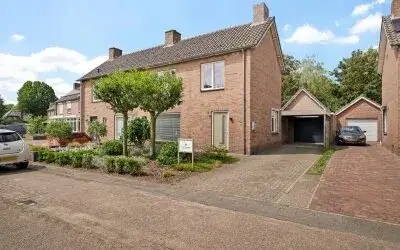
Roggeakker 7
Kom Nuland, Den Bosch
 Area
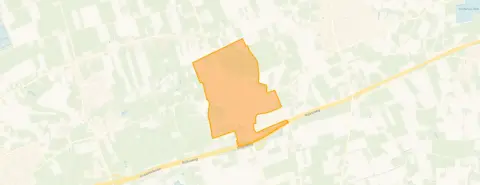
AreaA quiet spot in Kom Nuland
Roggeakker 7 sits on a quiet road in a residential area of Kom Nuland, a village neighbourhood within the municipality of Den Bosch. With around 3,600 residents, it has the feel of a close-knit community rather than a busy town district. The asking price of €519,500 sits 17% below the neighbourhood average asking price of €628,667, which puts it on the low side compared with other [terraced houses in Den Bosch].
The home itself
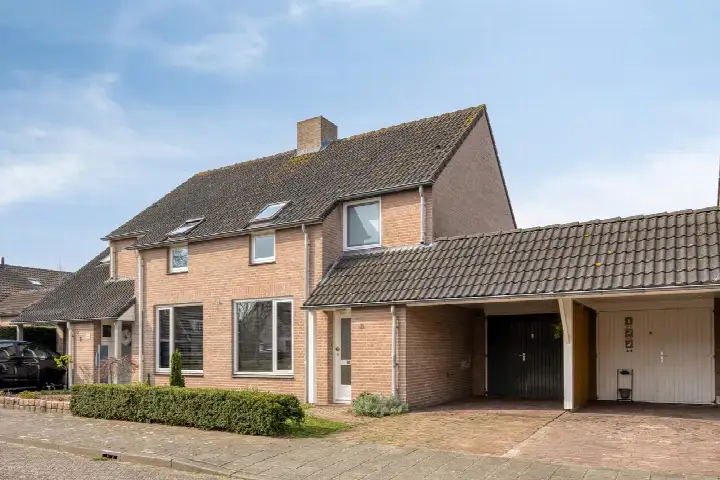
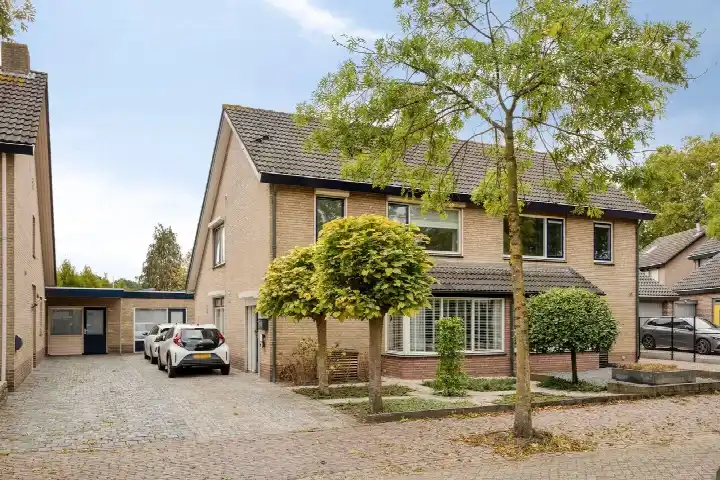
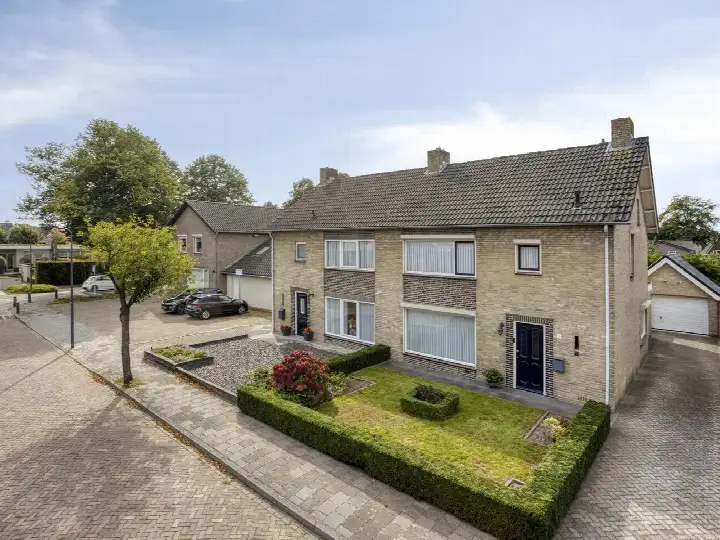
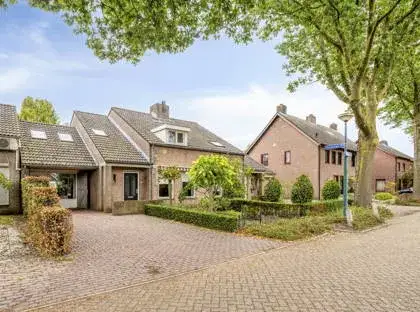
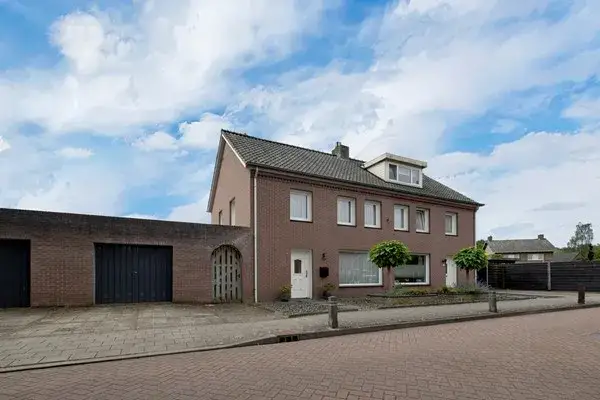
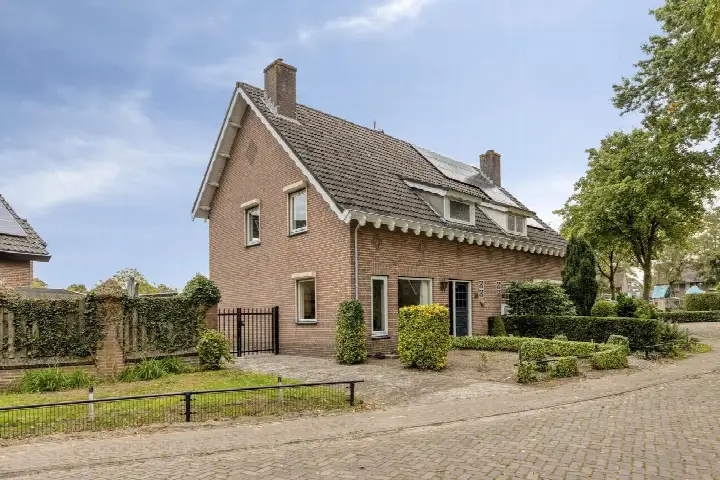
Built in 1986, this terraced house spans three floors and offers five rooms, including four bedrooms and one bathroom. The living area is 141 m² according to the agent, while the BAG registration records 140 m²; the plot is 224 m² in both. The property has a front and rear garden facing north, full ownership, double glazing and a central heating boiler. The energy label is C.
Life in Kom Nuland
Residents across the municipality of Den Bosch give their living environment an average score of 7.95, based on 39 reviews. One resident describes the village as cosy, with plenty organised and various sports clubs, adding that the centre of Den Bosch is within 20 minutes by bike. Another mentions a nice mix of people and good social contacts. A third review is less positive, but with only a handful of reviews, it is a small sample. The neighbourhood itself has 1,499 homes, 92% of which are single-family houses, and 72% are owner-occupied. For a closer look at what [the Kom Nuland neighbourhood] has to offer, the figures paint a picture of a stable, family-oriented area.
Amenities and transport
Albert Heijn is just around the corner for everyday groceries, with Jumbo and Coop a bit further out. Basisschool De Hoogakker is a couple of streets away, and Basisschool De Wissel is a ten-minute walk. Huisartsenpraktijk Nuland is a ten-minute walk, while Apotheek Maasdonk is a bit further. Bus line 251 stops at Nuland, Dorpstraat, just around the corner, and the nearest train station is Rosmalen, about 5 km away. The wider area falls under [the municipality of Den Bosch].
WOZ and address data
The WOZ value is not stated in the available data. According to public risk data at address level, the noise from road traffic is 48 dB Lden and from rail traffic 32 dB Lden, both below the relevant standards. The foundation risk indication is low, with sandy soil. For climate, pluvial flooding at heavy rain is medium, current flood risk is elevated, and by 2050 it is medium; heat stress is currently low but medium by 2050. These are area-level indications, not an inspection of this specific home.
Source and agent
At the time of writing, the home is offered via two channels, including Raadhuys Makelaars on Funda.
This summary was generated with AI and may contain errors. Always verify the details with the provider.
Features
Details of this home
Transfer
Price
Energy
 Save up to € 400 on your energy billCompare now
Areas and volume
 Insure your home and belongingsGet insured
Layout
Construction
Outdoor space
The WOZ value is set annually by the municipality with 1 January as its reference date, and therefore lags the market by about a year. It is an estimated market value, not a sale price.
Frequently asked questions
About Roggeakker 7, Nuland
How does the asking price compare with other homes in Kom Nuland?
The asking price of €519,500 is 17% below the neighbourhood average asking price of €628,667. The median asking price in the area is €529,000, and prices range from €439,000 to €970,000. The average price per square metre in the neighbourhood is €4,015, while this home is listed at €3,684 per square metre based on the agent's floor area.
What is the layout of this terraced house?
The home has five rooms in total, including four bedrooms and one bathroom, spread over three floors. The living area is 141 m² according to the agent, while the BAG registration records 140 m². The plot measures 224 m². There is a front and rear garden facing north, and the property is a single-family home.
What is the energy label and what does it mean for costs?
The energy label is C. This is a mid-range label, so heating costs will be moderate compared with more efficient homes, but lower than the least efficient label G. The home has double glazing and a central heating boiler, which are stated in the listing. The energy label is a fact about the home's energy performance, not a judgement on its condition.
What do residents say about living in this area?
Residents across the municipality of Den Bosch give their living environment an average score of 7.95, based on 39 reviews. One resident calls the village cosy, with lots organised and various sports clubs, and notes the centre of Den Bosch is within 20 minutes by bike. Another mentions a nice mix of people and good social contacts. One review is less positive, but the sample is small.
What amenities are nearby?
Albert Heijn is about 650 metres away for groceries, with Jumbo and Coop further out. Basisschool De Hoogakker is about 400 metres away, and Basisschool De Wissel is about 2.3 km. Huisartsenpraktijk Nuland is about 1.1 km away, and Apotheek Maasdonk is about 2 km. Bus line 251 stops at Nuland, Dorpstraat, about 465 metres away.
What are the flood and foundation risks for this address?
Public risk data at address level indicates the foundation risk is low, with sandy soil. For climate, pluvial flooding at heavy rain is medium, current flood risk is elevated, and by 2050 it is medium. Heat stress is currently low but medium by 2050. These are area-level indications from public data, not an inspection of this specific home.
How far is the nearest train station?
The nearest train station is Rosmalen, about 5.2 km from the home. Bus line 251 stops at Nuland, Dorpstraat, about 465 metres away, and also at Nuland, Prins Bernhardplein and Nuland, Hoogstraat. The bus provides local connections, though the payload does not state specific destinations or travel times.
What is the neighbourhood like in terms of housing?
Kom Nuland has 1,499 homes, of which 92% are single-family houses and 72% are owner-occupied. The neighbourhood has a low address density of 486 per km², which reflects its village character. The average household size is 2.4, and 38% of households have children. The urbanity level is 5, meaning it is not urban.