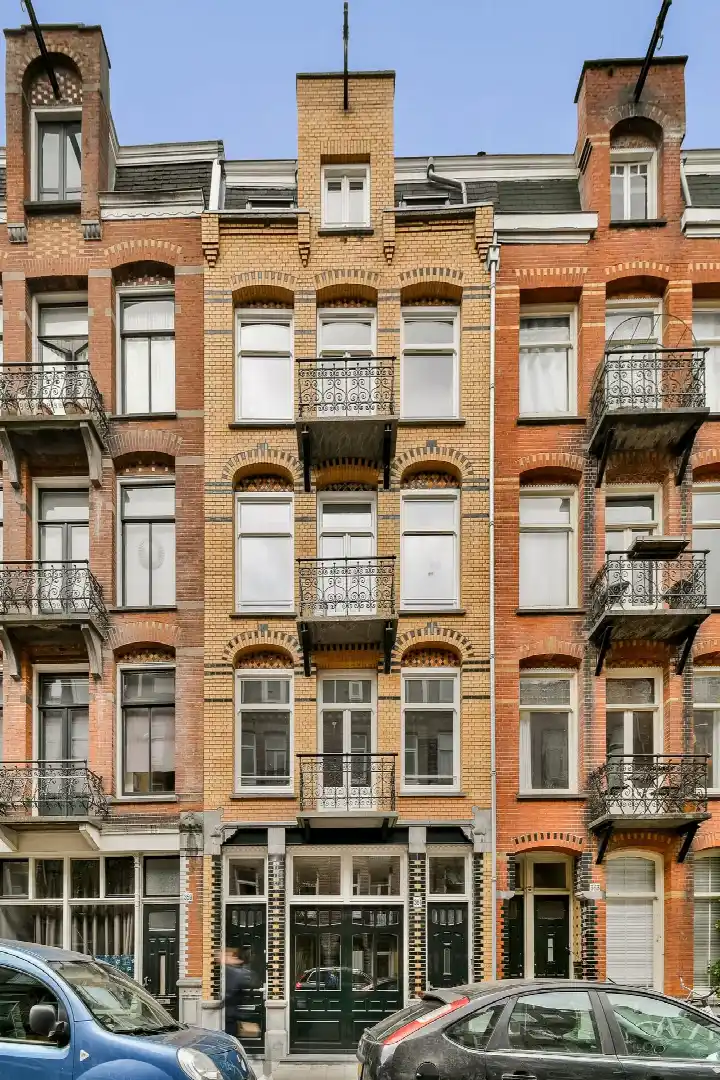
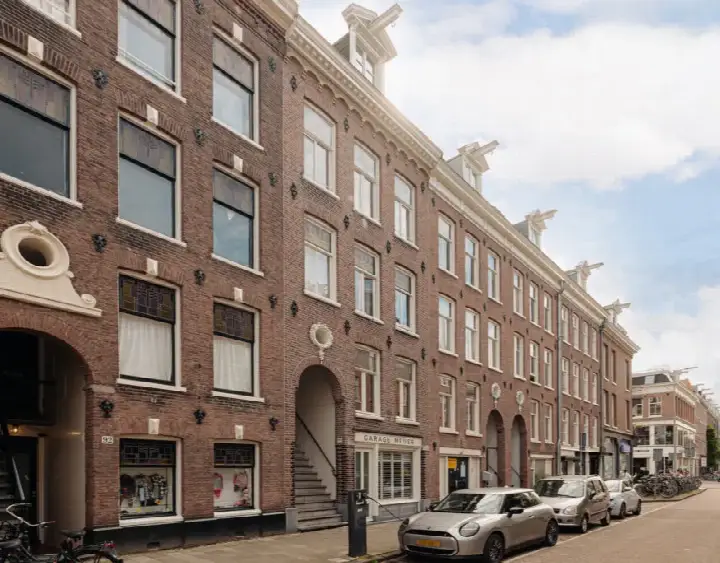
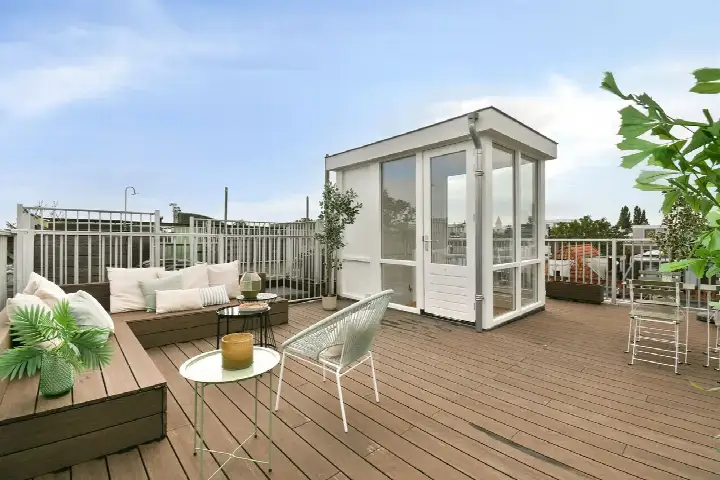
Albert Cuypstraat 10A
Hercules Seghersbuurt, Amsterdam
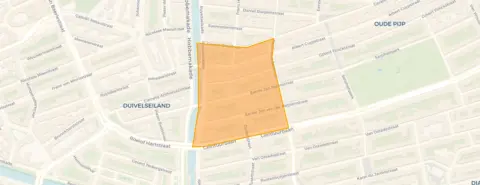 Area
AreaA modern apartment in the heart of the Pijp
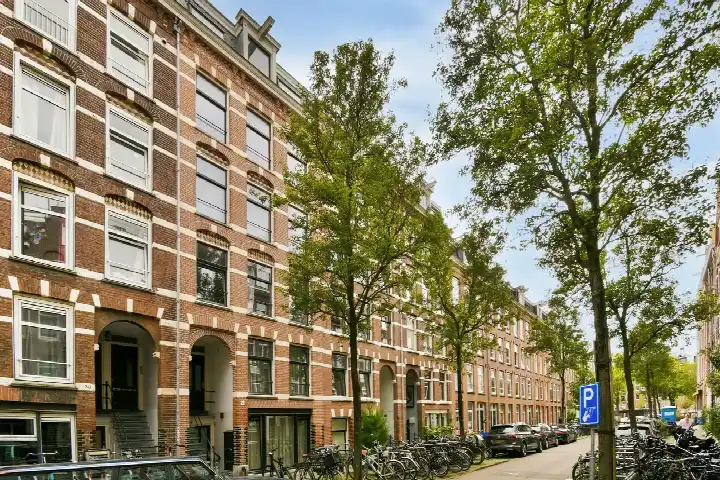
This apartment sits on the Albert Cuypstraat in the Hercules Seghersbuurt, part of the lively Oude Pijp district in Amsterdam. Built in 1991, it stands out in a neighbourhood where most homes date from before 1945. With a living area of 80 m², the asking price of €675,000 works out at €8,438 per m². That is 16% above the average asking price of €583,000 for apartments in Amsterdam, so the price is on the high side for the area.
What the listing tells us
This listing does not state the energy label. As a result, you cannot tell from the listing how energy-efficient the home is. The apartment was built in 1991, which is a fact about its age rather than a comment on its condition. The agent has not published any details about the layout, so the number of rooms and bathrooms is not stated.
Life in the Hercules Seghersbuurt
Residents of the Oude Pijp district give their area an average score of 6.46, based on three reviews. One resident, who has lived there for fifty years, calls it a lovely neighbourhood. Another says everything is in one neighbourhood and that you can easily get out. A third resident is less positive, describing a busy neighbourhood with many tourists, poor housing conditions and noise from passers-by, especially in summer. The neighbourhood itself has 2,535 inhabitants, and half of them are between 25 and 45 years old. For more context, have a look at the Hercules Seghersbuurt neighbourhood.
Daily life around the corner
Groceries are never far away: the Coop is on your doorstep, the Jumbo just around the corner, and the Dirk a couple of streets away. The nearest primary school, Basisschool Oscar Carré, is a five-minute walk, while the Montessori Lyceum Amsterdam is just around the corner for secondary education. The GP practice Huisartsen Van Baerle is a five-minute walk, and the Service Apotheek Ferdinand Bol is just around the corner. Metro and tram stop De Pijp is a couple of streets away, with lines 12, 25, 52 and N84. Amsterdam RAI station is a ten-minute walk. All of this sits within the municipality of Amsterdam.
WOZ value and address data
The WOZ value is €689,000, based on the reference date of 1 January 2025. The asking price is 2% below that WOZ value. According to the municipality, the road traffic noise level is 63 dB, which is above the norm, while railway and aircraft noise stay below their norms. The foundation risk indication for this address is low, though 71% of properties in this postcode area were built before 1970. The climate indications for the area are medium for pluvial flooding and heat stress, with heat stress expected to become elevated by 2050. These are area-level indications, not an inspection of this specific home.
Source
At the time of writing, the home is offered via two channels, including Muriel Makelaardij. The listing is incomplete, so some details are missing from the agent's publication.
This summary was generated with AI and may contain errors. Always verify the details with the provider.
Features
Details of this home
Transfer
Price
Energy
 Save up to € 400 on your energy billCompare now
Areas and volume
 Insure your home and belongingsGet insured
Layout
Construction
Outdoor space
The WOZ value is set annually by the municipality with 1 January as its reference date, and therefore lags the market by about a year. It is an estimated market value, not a sale price.
Frequently asked questions
About Albert Cuypstraat 10A, Amsterdam
How does the asking price compare to the WOZ value?
The WOZ value is €689,000, based on the reference date of 1 January 2025. The asking price of €675,000 is 2% below that WOZ value. The WOZ value is the municipal valuation, not the current market value, so it is a separate figure from what the seller is asking.
What is the price per square metre for this apartment?
With a living area of 80 m² and an asking price of €675,000, the price works out at €8,438 per m². That is based on the BAG registration of the living area. The average asking price per m² in the neighbourhood is €10,032, so this apartment is below that average.
Why are there no property details in this listing?
The agent has not published details such as the energy label. The listing is incomplete, so the number of rooms, bathrooms and other features are not stated. The address itself is complete, so the location and neighbourhood information is accurate.
What is the noise situation around this address?
The road traffic noise level at this address is 63 dB, which is above the norm. Railway noise is 33 dB and aircraft noise is 44 dB, both below their respective norms. These figures come from public data at address level and are indications for the area, not measurements inside the home.
What is the foundation risk for this property?
The foundation risk indication for this address is low. However, 71% of properties in this postcode area were built before 1970, which is a relevant fact for the wider area. This is an area-level indication from public data, not an inspection of this specific home.
What are the climate risks for this area?
The climate indications for this area are medium for pluvial flooding and medium for heat stress at present. By 2050, heat stress is expected to become elevated, while the flood risk stays low both now and in 2050. These are area-level indications from the Klimaateffectatlas, not a property-specific assessment.
Which supermarkets are nearby?
The Coop is 153 metres away, the Jumbo 218 metres, and the Dirk 393 metres. An Albert Heijn is 479 metres away and an Aldi 506 metres. With 151 supermarkets within five kilometres, you have plenty of choice for daily groceries.
What public transport options are available?
The De Pijp stop is 257 metres away and serves bus, metro and tram lines 12, 25, 52 and N84. The Roelof Hartplein stop is 422 metres away with lines 5, 12, 24, 25, N84 and N88. Amsterdam RAI train station is 1,957 metres away.
What schools are close to this apartment?
The Montessori Lyceum Amsterdam is 205 metres away for secondary education, and Basisschool Oscar Carré is 373 metres away for primary education. College ZUYD and the Sweelinck College are both within 405 metres. There are 201 schools within five kilometres in total.
How does the living area compare to the neighbourhood average?
The living area of this apartment is 80 m² according to the BAG registration. That is 33% larger than the neighbourhood average of 60 m². The average asking price per m² in the neighbourhood is €10,032, while this apartment is listed at €8,438 per m².
What do residents say about the Oude Pijp district?
Residents of the Oude Pijp district give their area an average score of 6.46, based on three reviews. One resident who has lived there for fifty years calls it a lovely neighbourhood. Another says everything is in one neighbourhood and that you can easily get out. A third describes a busy neighbourhood with many tourists and noise, especially in summer.
What is the energy label of this apartment?
The agent has not published this field, so it is not possible to say how energy-efficient the home is. The apartment was built in 1991, but that does not tell you anything about the energy performance.