




A classic Amsterdam apartment
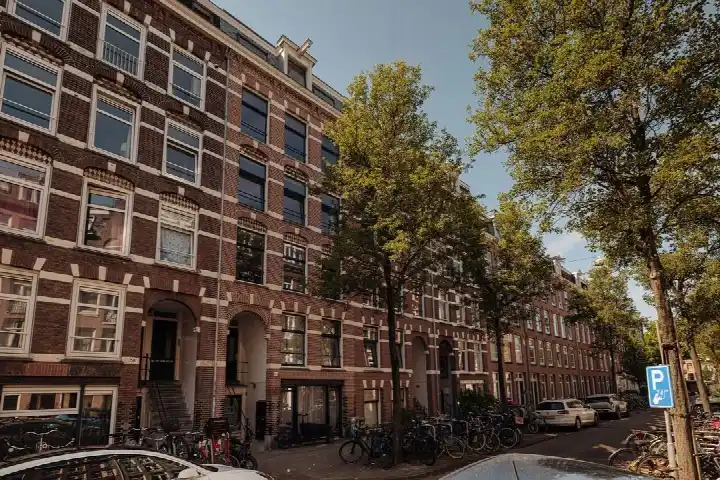
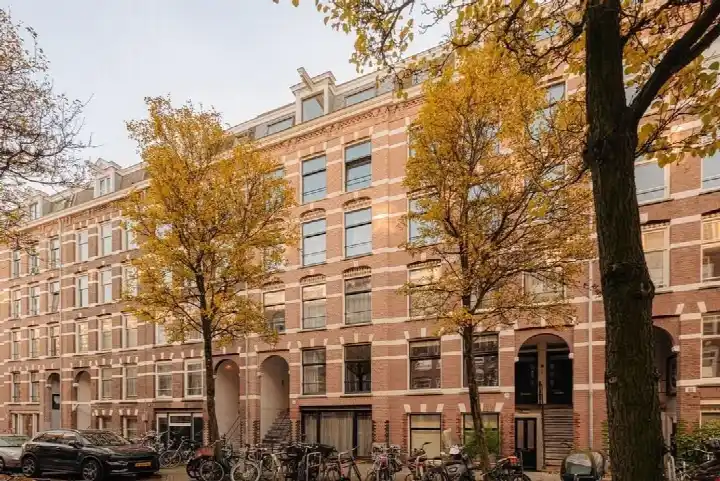
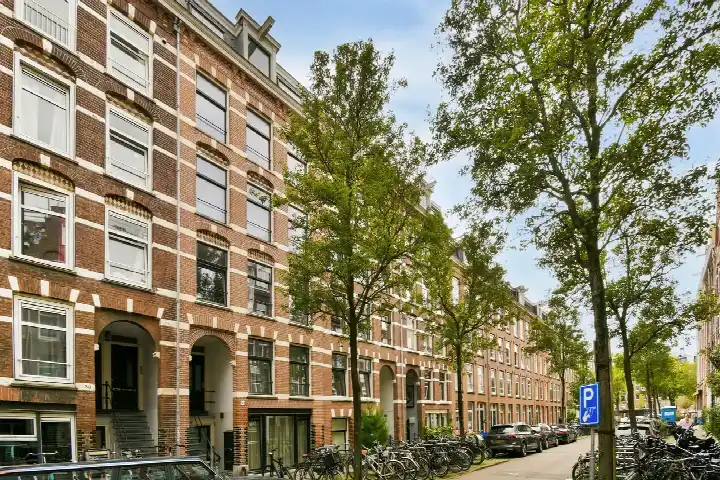
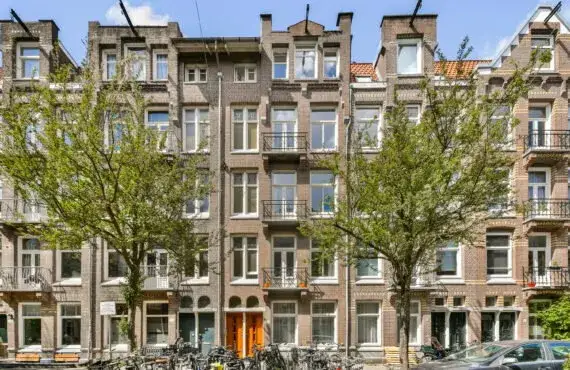
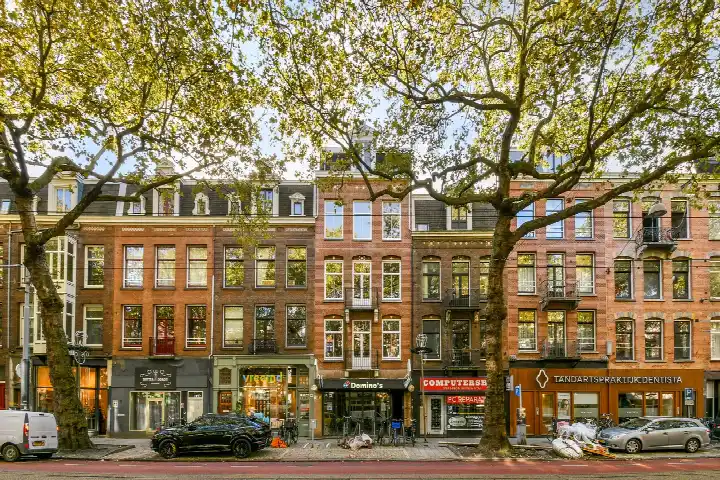
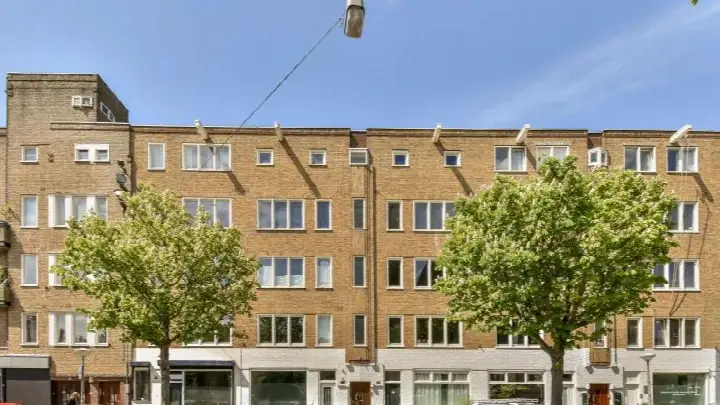
This upper-floor apartment on Gerard Doustraat 153-3 sits in the Sarphatiparkbuurt, part of the lively Oude Pijp district in Amsterdam. Built in 1891, it is a piece of the city's historic housing stock, and the agent describes the setting as a quiet road in the centre. The asking price is €650,000. For context, there are currently 49 apartments for sale in the area, with an average asking price of €719,673. You can see more apartments in Amsterdam on our site.
Inside the home
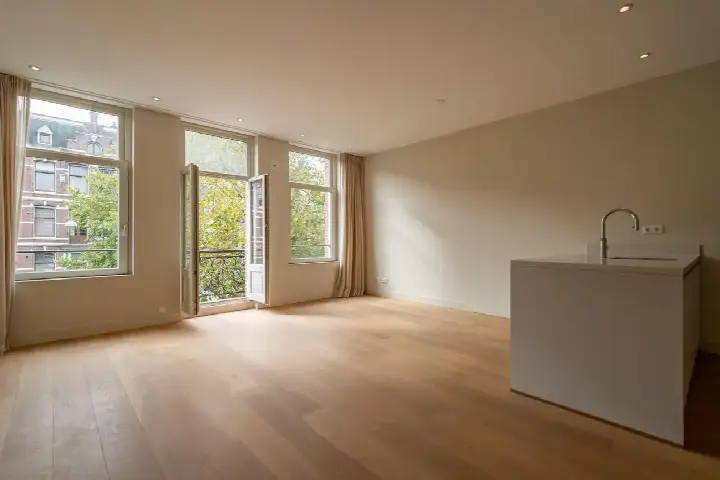
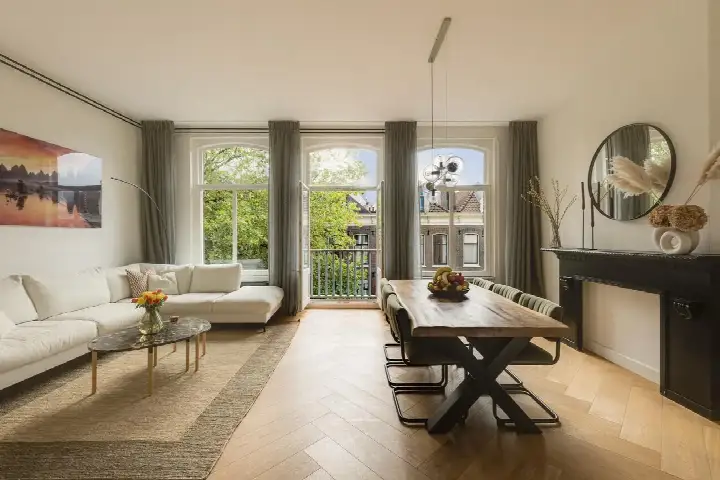
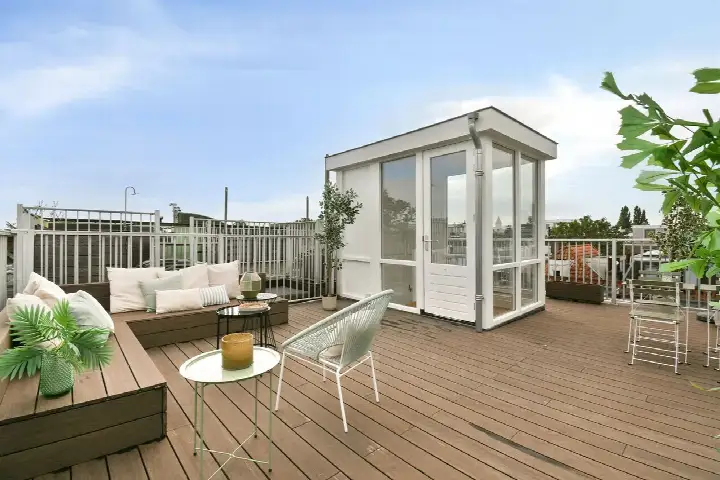
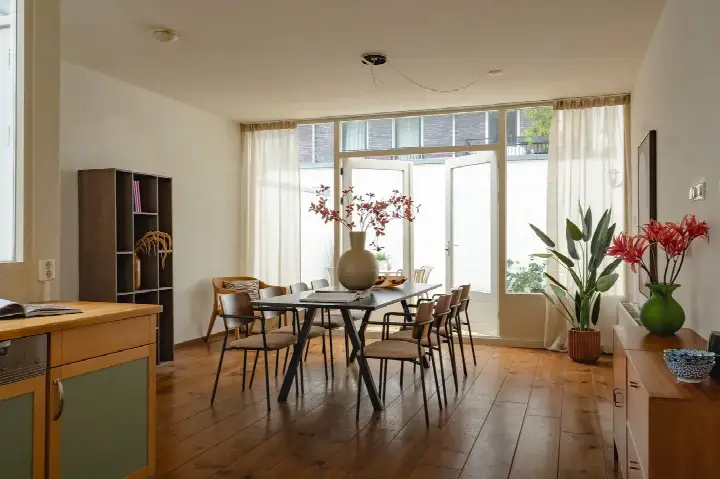
The apartment spans two floors and includes two rooms, one bedroom and one bathroom, according to the agent. The living area is listed as 56 m² by the agent, while the BAG registration records 68 m². The home has a roof terrace, and the agent mentions double glazing, a central heating boiler with underfloor heating throughout, and full ownership. The monthly homeowners' association fee is €202.
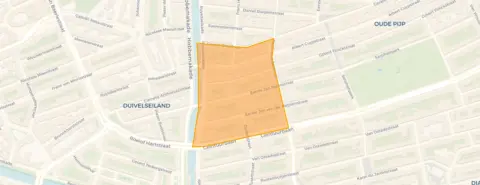
The Sarphatiparkbuurt
Residents of the wider district give their area an average score of 6.46, based on three reviews. One resident, who has lived here for fifty years, calls it a lovely neighbourhood. Another says everything is in one neighbourhood and that you can easily get out. A third resident, however, describes it as busy with many tourists, noting noise from passers-by and pubs, and mentions that houses are in poor condition with damp and mould. The neighbourhood itself has around 5,150 inhabitants, and a large share of households are single-person. You can read more about the Sarphatiparkbuurt neighbourhood on our site.
Amenities and transport
For daily errands, the Jumbo and Albert Heijn are just around the corner, and the Dirk is a couple of streets away. Primary schools like Basisschool Oscar Carré and 3e Daltonschool Alberdingk Thijm are within a ten-minute walk, as is the Montessori Lyceum Amsterdam for secondary education. The nearest GP is Huisartsenpraktijk de Wetering, and the pharmacy Service Apotheek de Pijp is a short walk away. Tram line 4 stops at Albert Cuypstraat on your doorstep, and bus line N85 stops at Van Woustraat just around the corner. The nearest train station is Amsterdam Amstel, about a ten-minute walk. For more on the area, see the municipality of Amsterdam. According to public risk data at the address level, the road traffic noise is 58 dB Lden, which is above the noise standard, while railway and aircraft noise are below their standards. The foundation risk indication is medium, as the building dates from before 1970 and the entire postcode area falls within a KCAF attention zone. Pluvial flooding risk is medium, current flood risk is low, and heat stress is currently medium but elevated by 2050. These are area-level indications, not an inspection of this specific home.
Source
At the time of writing, the home is offered only via Makelaarsland.
This summary was generated with AI and may contain errors. Always verify the details with the provider.
Features
Details of this home
Transfer
Price
Areas and volume
Construction
Frequently asked questions
About Gerard Doustraat 153, Amsterdam
How does the asking price compare with other homes in the neighbourhood?
The asking price is €650,000. The average asking price for homes currently for sale in the area is €719,673, with a median of €588,000. There are 49 apartments available. The price per square metre, based on the agent's stated living area of 56 m², is €11,607. No comparison with the neighbourhood average is provided in the listing.
What is the layout of this apartment?
According to the agent, the apartment has two rooms, one bedroom and one bathroom, spread over two floors. The living area is listed as 56 m² by the agent, while the BAG registration records 68 m². The home includes a roof terrace. The agent also mentions double glazing and a central heating boiler with underfloor heating throughout. The monthly homeowners' association fee is €202.
Why is there no energy label in the listing?
The agent has not published this field. As a result, the energy efficiency of the home cannot be assessed from the listing. The address itself is complete, so location and neighbourhood data are accurate, but the energy label remains unknown.
What is the WOZ value of this home?
The WOZ value is the municipal valuation on a reference date, and it is not available here. Without it, there is no comparison with the asking price or information on how the value has developed over the past five years. The listing does not provide this data.
What are the noise levels around this address?
According to public risk data at the address level, road traffic noise is 58 dB Lden, which is above the noise standard. Railway noise is 37 dB Lden and aircraft noise is 44 dB Lden, both below their respective standards. These are area-level indications based on public data, not measurements taken at this specific home.
What is the foundation risk for this property?
The foundation risk indication is medium. The building dates from 1891, before 1970, and the entire postcode area falls within a KCAF attention zone, where 100% of properties were built before 1970. This is an area-level indication from public data, not an inspection of this specific home.
What supermarkets and schools are nearby?
The Jumbo and Albert Heijn are within a couple of streets away, and the Dirk is a short walk further. Primary schools include Basisschool Oscar Carré and 3e Daltonschool Alberdingk Thijm, both within a ten-minute walk. The Montessori Lyceum Amsterdam for secondary education is also about a ten-minute walk away.
How is the public transport in this area?
Tram line 4 stops at Albert Cuypstraat, just around the corner, and bus line N85 stops at Van Woustraat, also nearby. The nearest train station is Amsterdam Amstel, about a ten-minute walk. These connections make it possible to get around the city without a car.
What do residents say about living in this district?
Residents of the wider district give an average score of 6.46, based on three reviews. One resident, who has lived there for fifty years, calls it a lovely neighbourhood. Another says everything is in one neighbourhood and that you can easily get out. A third resident describes it as busy with tourists, with noise from pubs and passers-by, and mentions issues like damp and mould in houses.