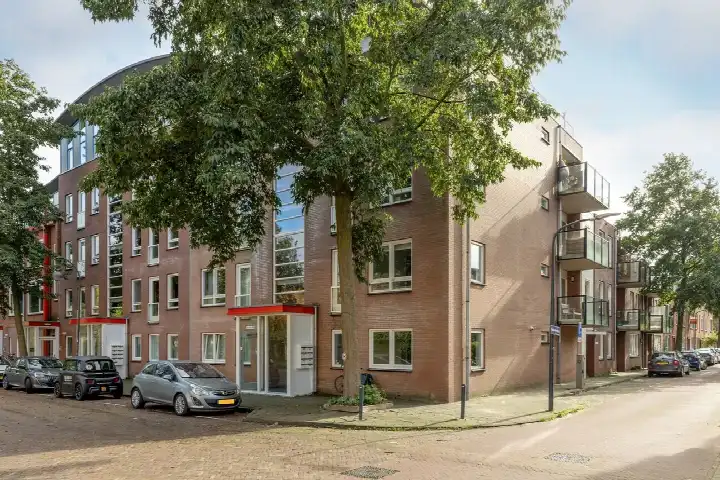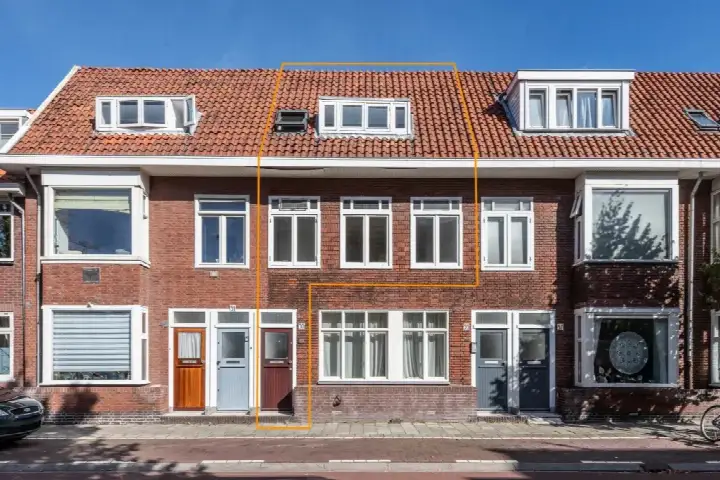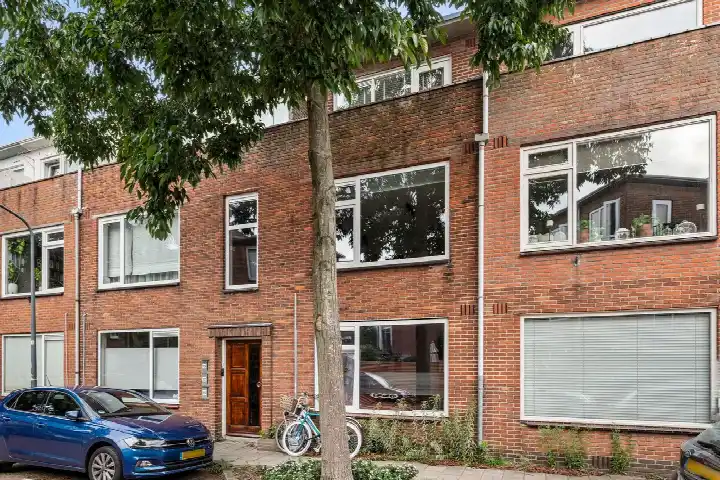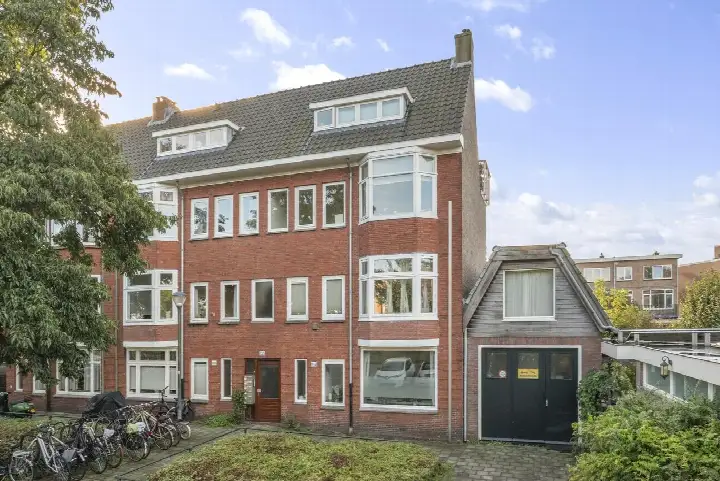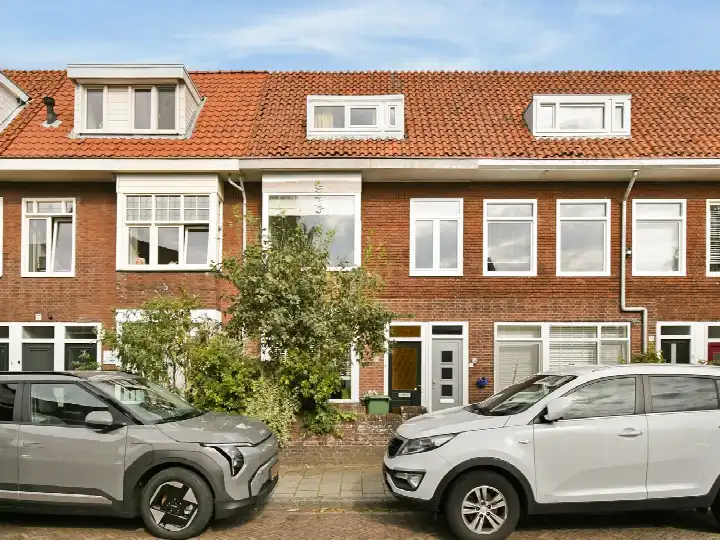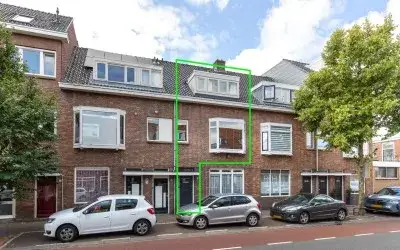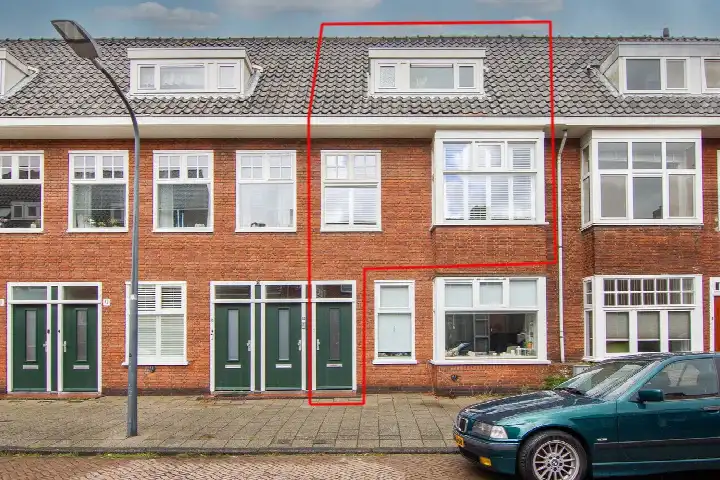





A 1926 apartment on Amsterdamsevaart
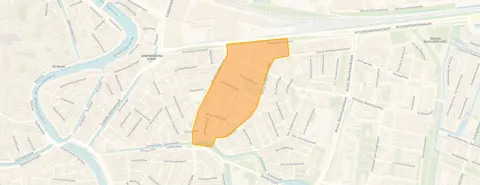
This apartment on Amsterdamsevaart sits in the Potgieterbuurt, a neighbourhood in Haarlem where the average asking price for homes currently on the market is €567,727. At €450,000, the asking price for this home is 21% below that neighbourhood average, which puts it on the keen side compared with other listings in the area. The living area is 56 m² according to the BAG registration, which is 38% smaller than the neighbourhood average of 90 m². For context, the average asking price per square metre in the neighbourhood is €6,946, while this home works out at €8,036 per m² based on the BAG area. If you are weighing up options, it is worth comparing with other [apartments in Haarlem].
The home itself
Built in 1926, this apartment carries an energy label G, the least efficient label, so expect higher energy costs compared with more efficient homes. The listing does not provide details on the layout, number of rooms, or any outdoor space, so the exact configuration is not stated. The year of construction is a fact of the building's history, and the energy label reflects its current energy performance.
Potgieterbuurt
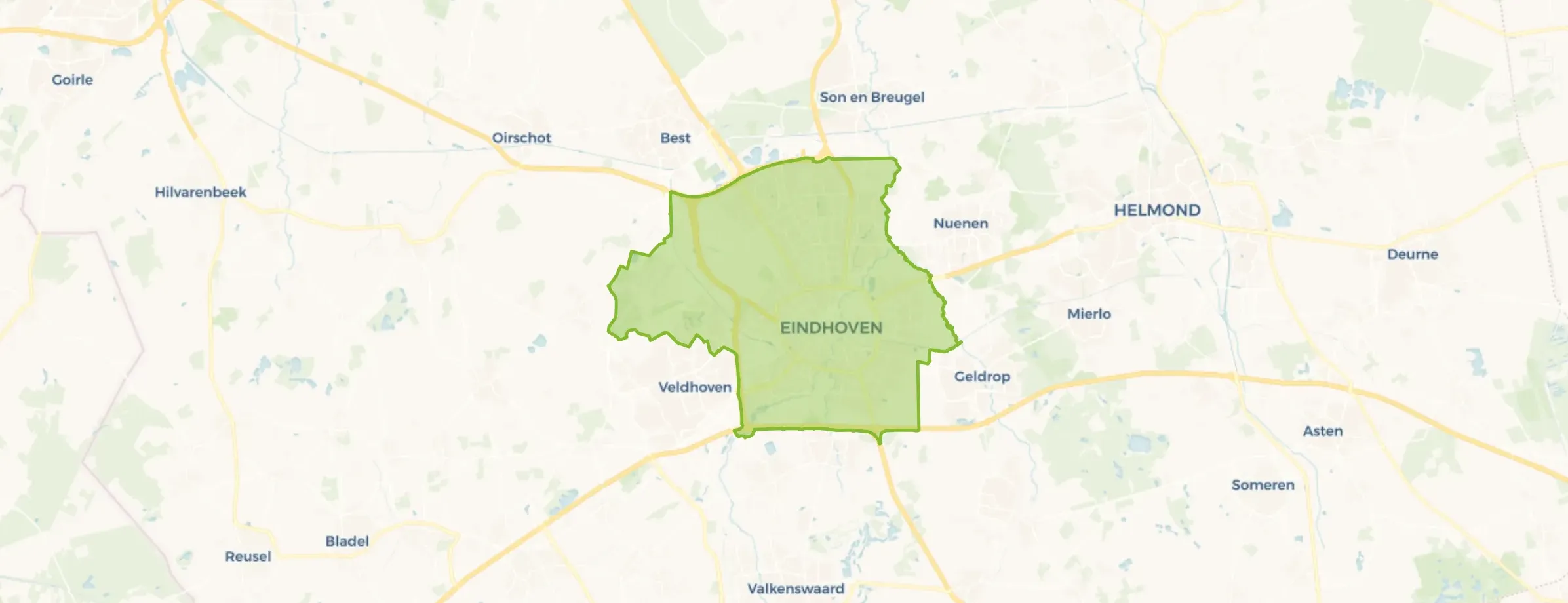
Residents across the municipality of Haarlem give their living environment an average score of 7.27, based on 75 reviews. One resident describes the area as having "much potential, but very much social housing" and notes an "unhealthy balance", with "too much litter on the street, little green". They add that it is "a nice neighbourhood for children and quietly located in Haarlem", close to the city and the roads to Amsterdam. Another resident simply calls it "very nice and beautiful". A third, who has lived there for almost 30 years, says it used to be pleasant but feels it is "going downhill", citing litter and a lack of connection among some residents. These reviews reflect the wider municipality, not this specific neighbourhood, and are based on a range of experiences. The neighbourhood itself has around 1,895 residents, with 38% living alone and 37% of households having children. For a closer look at the local area, you can read more about [the Potgieterbuurt neighbourhood].
Amenities and transport
Daily errands are well covered here. The nearest supermarket, a Dekamarkt, is just around the corner, with another Dekamarkt a ten-minute walk away. For primary education, the Martin Luther Kingschool is a couple of streets away, and the School voor Speciaal Basisonderwijs Hildebrand is similarly close. The nearest GP, Leonard Springer Huisartsen, Praktijk Blok/Hennepe, is about 600 metres away, and the Teyler Apotheek is just around the corner. For public transport, the bus stop Haarlem, Teding van Berkhoutstraat is on your doorstep, served by lines 2, 567 and 569, and Haarlem Spaarnwoude train station is about a ten-minute walk. The wider area falls under [the municipality of Haarlem].
WOZ and address data
The WOZ value for this home is not stated in the available data, so no comparison with the asking price or historical development can be made here. Regarding address-level risks, the noise load from road traffic is 59 dB Lden, which is above the noise standard, and industrial noise is 53 dB Lden, also above the standard, based on 2022 and 2024 reference years respectively. Rail and air traffic noise are below their standards. The foundation risk indication for this area is elevated, with the note that the home was built in 1926 on peat soil, possibly with wooden piles or a shallow foundation, and that 78% of properties in this postcode area were built before 1970. These are area-level indications from public data, not an inspection of this specific home. For climate risks, pluvial flooding at heavy rain is medium, current flood risk is low, and heat stress is medium, both now and in 2050.
Source
At the time of writing the home is offered only via De Beer Makelaars.
This summary was generated with AI and may contain errors. Always verify the details with the provider.
Features
Details of this home
Transfer
Price

Areas and volume
Construction
The WOZ value is set annually by the municipality with 1 January as its reference date, and therefore lags the market by about a year. It is an estimated market value, not a sale price.
Frequently asked questions
About Amsterdamsevaart 172, Haarlem
How does the asking price compare with other homes in the neighbourhood?
The asking price of €450,000 is 21% below the neighbourhood average asking price of €567,727 for homes currently on the market. The average asking price per square metre in the neighbourhood is €6,946, while this home works out at €8,036 per m² based on the BAG living area of 56 m². The neighbourhood average living area is 90 m², so this apartment is smaller than typical listings, which partly explains the lower absolute price.
What is the energy label and what does it mean for costs?
The energy label is G, which is the least efficient label on the scale. This means you can expect higher energy costs compared with homes that have more efficient labels, such as A or B. The label reflects the energy performance of the home as it stands, and no specific insulation features are stated in the listing. It is a factor to consider when budgeting for monthly utility bills.
What is the WOZ value of this home?
The WOZ value is not stated in the available data for this listing. The WOZ value is the municipal valuation used for property taxes, and it is not always included in listing information. Without this figure, it is not possible to compare the asking price with the official valuation or to comment on how the value has developed over recent years.
What are the noise levels like around this address?
According to public address-level data, the noise load from road traffic is 59 dB Lden, which is above the Dutch noise standard. Industrial noise is 53 dB Lden, also above the standard. Rail traffic noise is 53 dB Lden and air traffic noise is 43 dB Lden, both below their respective standards. These are area-level indications based on reference years 2022 to 2024, not measurements taken at the property itself.
What is the foundation risk for this home?
The foundation risk indication for this address is elevated, according to public data. The home was built in 1926 on peat soil, which may mean wooden piles or a shallow foundation. In this postcode area, 78% of properties were built before 1970, and 3% of properties in the neighbourhood have an elevated risk of pile rot, according to the Klimaateffectatlas. These are area-level indications, not an inspection of this specific home.
What supermarkets and schools are nearby?
The nearest supermarket is a Dekamarkt at about 500 metres, with another Dekamarkt at 610 metres and an Aldi at 1.1 km. For primary education, the Martin Luther Kingschool is at 323 metres and the School voor Speciaal Basisonderwijs Hildebrand at 319 metres. A secondary school is about 1.1 km away. These distances mean daily groceries and school runs are within a short walk or bike ride.
How is the public transport connection from this home?
The nearest bus stop is Haarlem, Teding van Berkhoutstraat, at 155 metres, served by lines 2, 567 and 569. Another stop, Haarlem, Van Zeggelenplein, is at 263 metres with the same lines. Haarlem Spaarnwoude train station is at 1.1 km, about a ten-minute walk. This gives direct access to local bus routes and the rail network without needing a car.
What do residents say about living in this area?
Residents across the municipality of Haarlem give their living environment an average score of 7.27, based on 75 reviews. One resident mentions the area has "much potential" but notes issues with litter and a lack of green space, while another calls it "very nice and beautiful". A long-term resident says it used to be pleasant but feels it is "going downhill". These reviews reflect the wider municipality, not this specific neighbourhood.
Why are there no property details in this listing?
The listing does not state the number of rooms, bedrooms, bathrooms, or any outdoor space such as a garden or balcony. It also does not mention insulation, heating systems, or whether there is a homeowners' association fee. As a result, the layout and condition of the home are not described in the listing. The available information is limited to the year of construction, the energy label, and the living area.