




A classic Groningen apartment
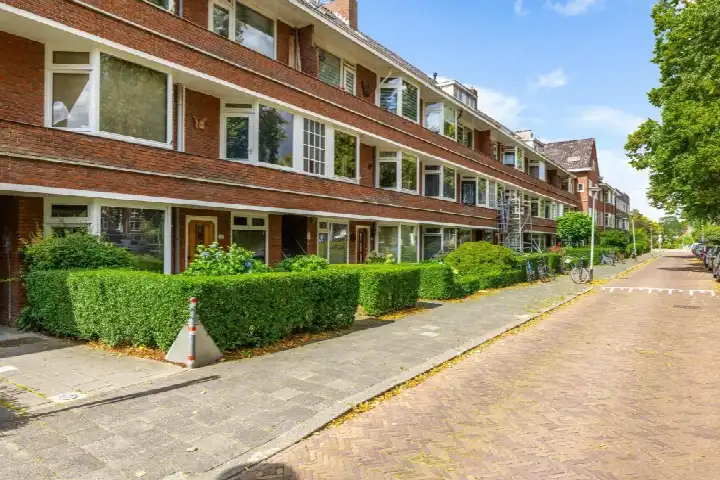
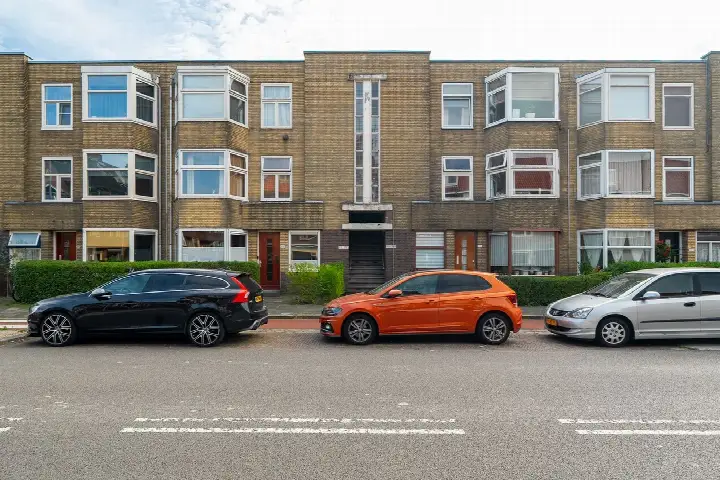
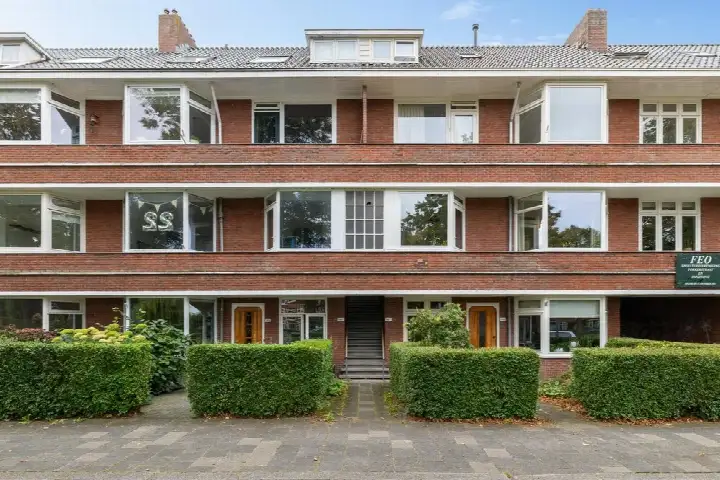
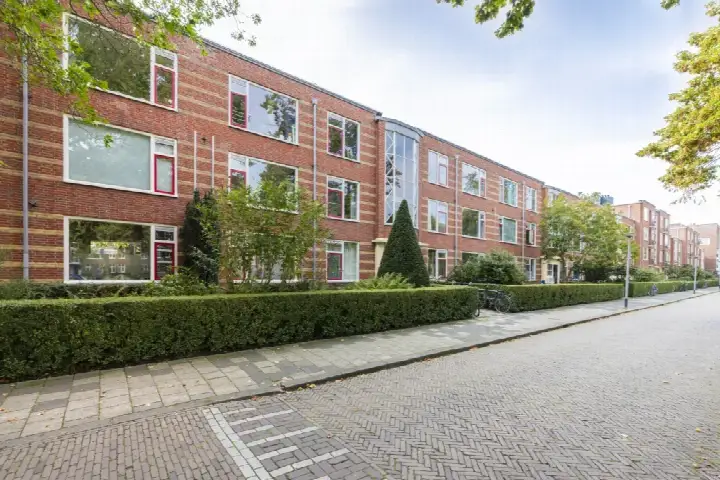
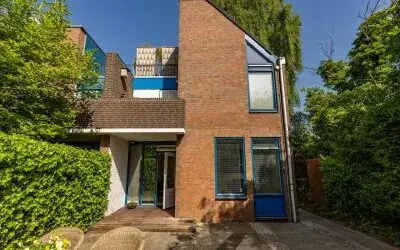
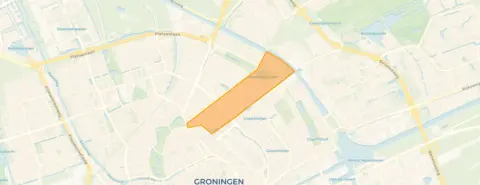
This apartment on the Heymanslaan sits in the Professorenbuurt, a lively part of Oud-Noord in Groningen. The street is lined with pre-war buildings, and the home itself dates from 1935. The asking price is €269,000, which is 34% below the neighbourhood average asking price of €405,078. The listing does not state the energy label, so that information is missing. For comparison, apartments in Groningen are listed at an average of €4,603 per m².
The home itself
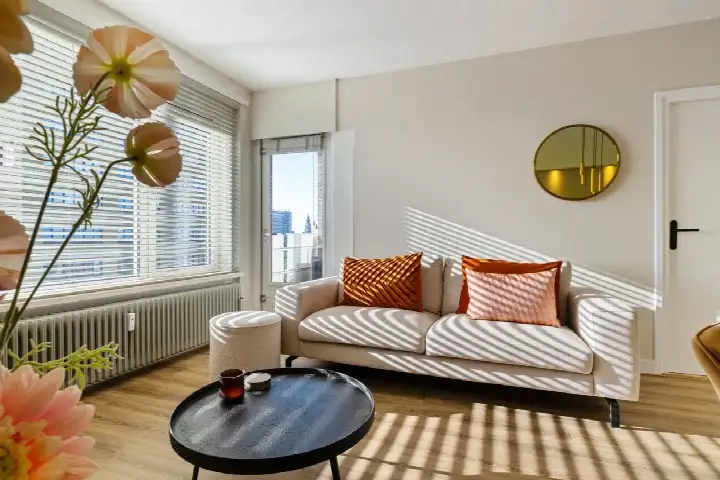
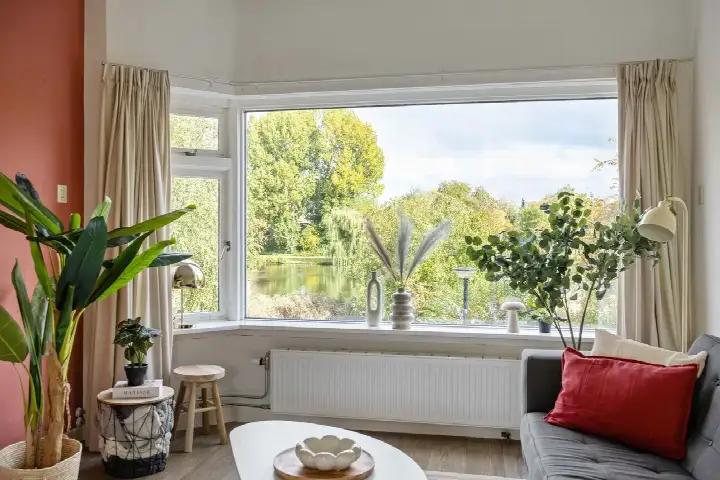
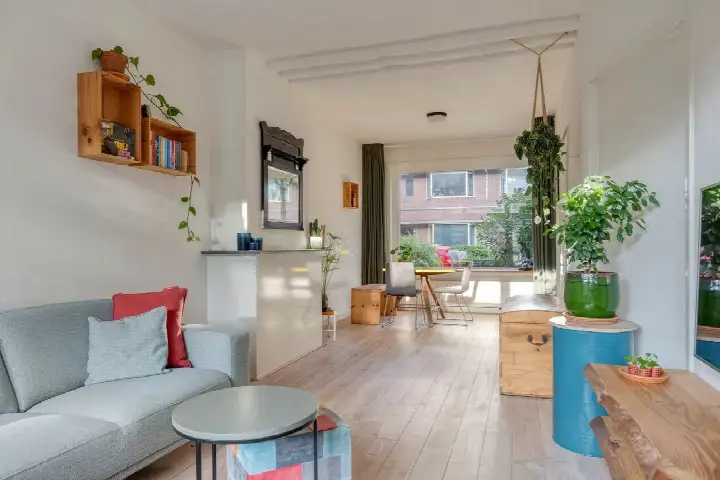
The apartment has a living area of 58 m² according to the BAG registration, which is 36% smaller than the neighbourhood average of 90 m². The agent has not published any details about the layout, number of rooms, or outdoor space.
The Professorenbuurt
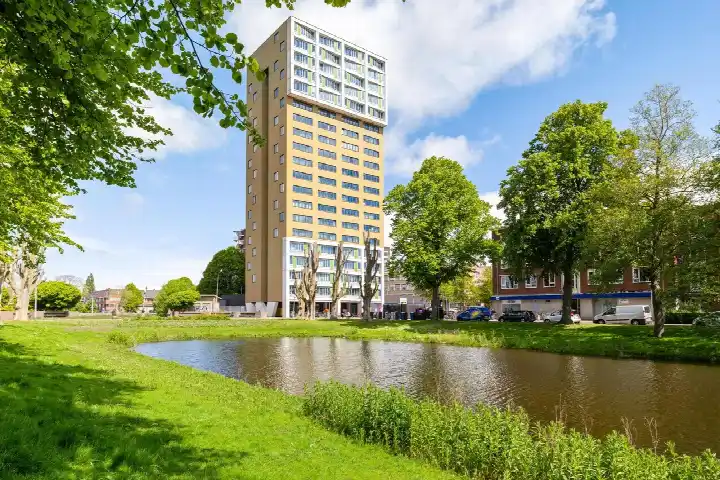
Residents give the neighbourhood an average score of 7.62, based on fourteen reviews. One resident says: "I feel very safe here, in all that time there was only one fire, but otherwise you can live your life quietly here, mostly highly educated neighbours, which is pleasant in contact." Another resident notes: "The neighbourhood has many nice small parks and you are within no time in a quiet natural environment where you can enjoy walking, running, cycling etc." A third adds: "Definitely a safe neighbourhood, but the houses are very old." The neighbourhood has 6,430 inhabitants, and 72% of households are single-person. For more context, see the Professorenbuurt neighbourhood.
Amenities and transport
The daily essentials are close by. A Lidl is on your doorstep, and an Albert Heijn is just around the corner. The nearest primary school, De Kleine Wereld, is a five-minute walk away, and the GP practice Huisartsenpraktijk A.J. van Verseveld is a ten-minute walk. The pharmacy Apotheek Poll is a couple of streets away. For public transport, the bus stop Groningen, Zaagmuldersbrug is on your doorstep with lines 3, 4, and 163, and Groningen Noord train station is a ten-minute walk. These are all part of the municipality of Groningen. According to public address-level risk data, the noise from road traffic is 55 dB Lden, which is above the norm, while rail and air traffic noise are below the norm. The foundation risk indication is elevated, based on the 1935 construction on clay soil and the fact that 100% of properties in this postcode area were built before 1970. These are area-level indications, not an inspection of this specific home. The pluvial flooding risk is medium, and the flood risk is low, both now and in 2050.
Source
At the time of writing, the home is offered only via Pandomo Makelaars.
This summary was generated with AI and may contain errors. Always verify the details with the provider.
Features
Details of this home
Transfer
Price
Areas and volume
Construction
The WOZ value is set annually by the municipality with 1 January as its reference date, and therefore lags the market by about a year. It is an estimated market value, not a sale price.
Frequently asked questions
About Heymanslaan 1, Groningen
How does the asking price compare to other homes in the neighbourhood?
The asking price of €269,000 is 34% below the neighbourhood average asking price of €405,078. The average price per m² in the neighbourhood is €4,603, while this home is listed at €4,638 per m² based on the BAG living area of 58 m². The neighbourhood has 50 homes currently for sale, with prices ranging from €215,000 to €775,000.
What is the living area of this apartment?
According to the BAG registration, the living area is 58 m². This is 36% smaller than the neighbourhood average of 90 m².
Why is there no energy label in the listing?
The agent has not published this field, so no information about the energy performance of this home is available. The year of construction is 1935, but no conclusions about insulation or energy efficiency can be drawn from that alone.
What is the foundation risk for this address?
The foundation risk indication for this address is elevated, according to public data. This is based on the 1935 construction on clay soil, and the fact that 100% of properties in this postcode area were built before 1970. In this neighbourhood, 2% of properties have an elevated risk of pile rot. These are area-level indications, not an inspection of this specific home.
What is the noise situation around this home?
According to public address-level data, the road traffic noise is 55 dB Lden, which is above the norm. Rail traffic noise is 29 dB Lden and air traffic noise is 18 dB Lden, both below the norm. These figures are area-level indications for the address, not measurements taken at the property itself.
What supermarkets are near this apartment?
A Lidl is about 191 metres away, and an Albert Heijn is about 367 metres away. A Jumbo and an Aldi are both about 758 metres away. There are 47 supermarkets within 5 km, so grocery shopping is well covered in this part of Groningen.
Which schools are close to this home?
The nearest primary school is De Kleine Wereld, about 391 metres away. Openbare Basisschool Karrepad is about 502 metres away, and St. Franciscus is about 530 metres away. There are 76 schools within 5 km, including secondary education at about 1.4 km distance.
How is the public transport from this address?
The bus stop Groningen, Zaagmuldersbrug is about 85 metres away, with lines 3, 4, and 163. Another stop, Groningen, Wielewaalplein, is about 180 metres away with lines 61, 63, 65, and 165. The nearest train station is Groningen Noord, about 1.2 km away.
What do residents say about the Professorenbuurt?
Residents give the neighbourhood an average score of 7.62 out of 10, based on fourteen reviews. One resident mentions the pleasant neighbours and the Hamburgervijver around the corner, while another notes the many facilities and small parks. A third resident mentions that the houses are very old, and that rubbish is sometimes left next to the bins.
What is the demographic makeup of the neighbourhood?
The Professorenbuurt has 6,430 inhabitants. The largest age group is 15 to 25 years old, at 38%, followed by 25 to 45 years old at 36%. Single-person households make up 72% of all households, and 9% of households have children. The average household size is 1.4 people.