





16 homes for sale in Dieren-Noord boven spoorlijn, Rheden
View the current supply of homes for sale in Dieren-Noord above the railway line and compare prices, neighbourhood scores and resident reviews directly on this page.
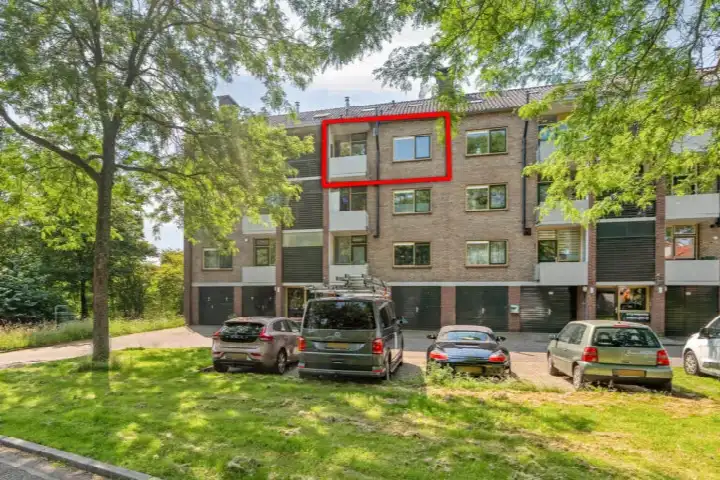
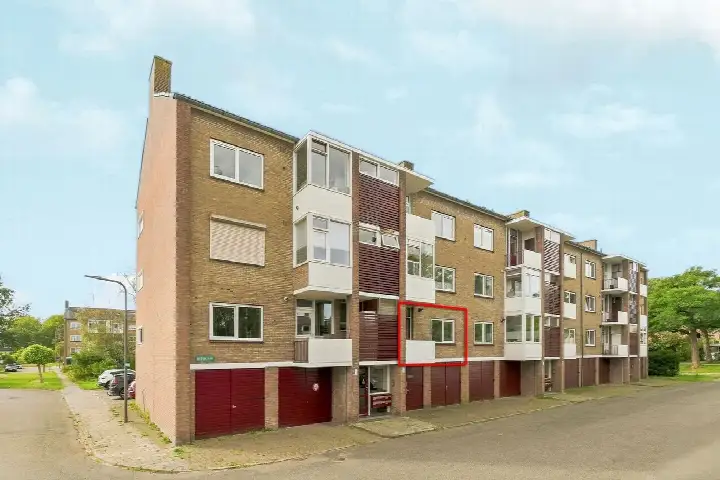
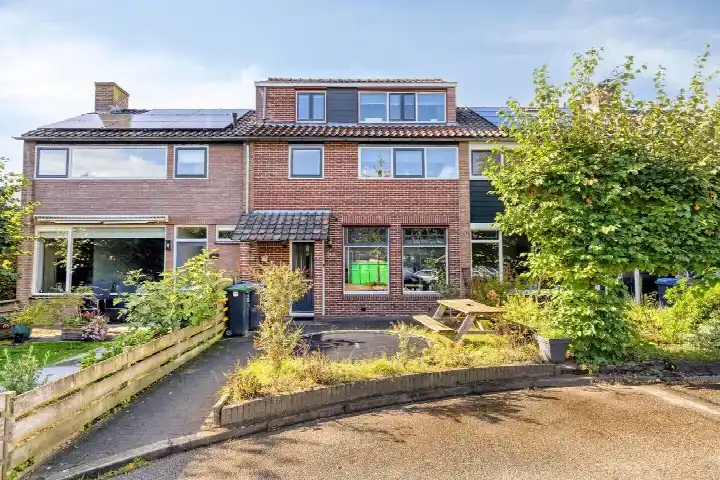

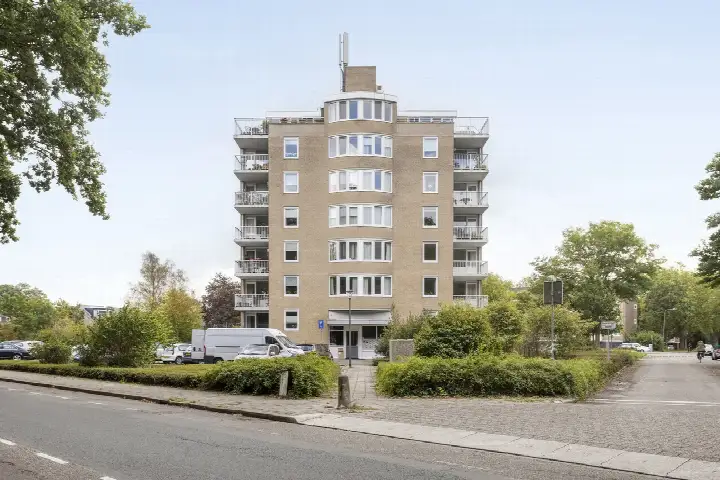
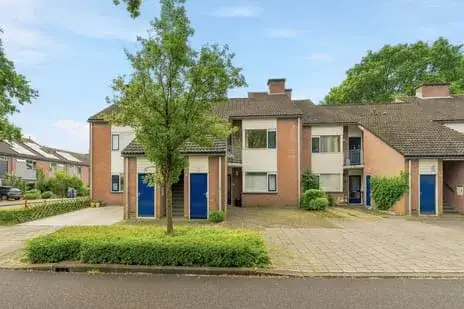
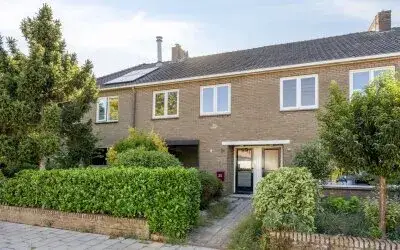
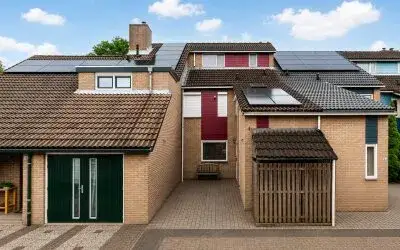

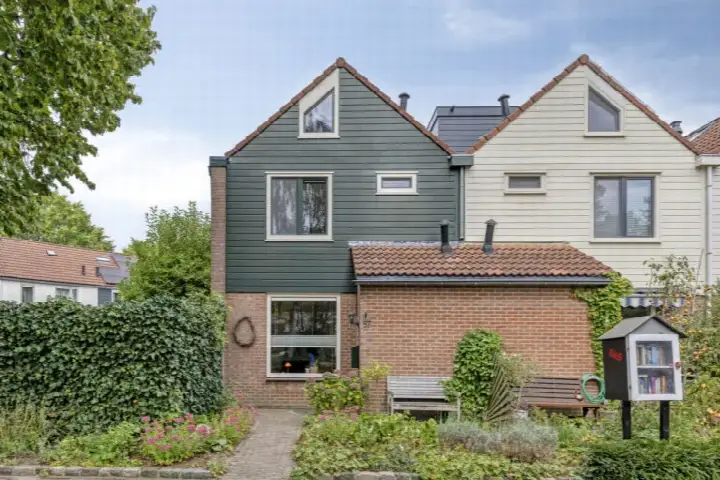
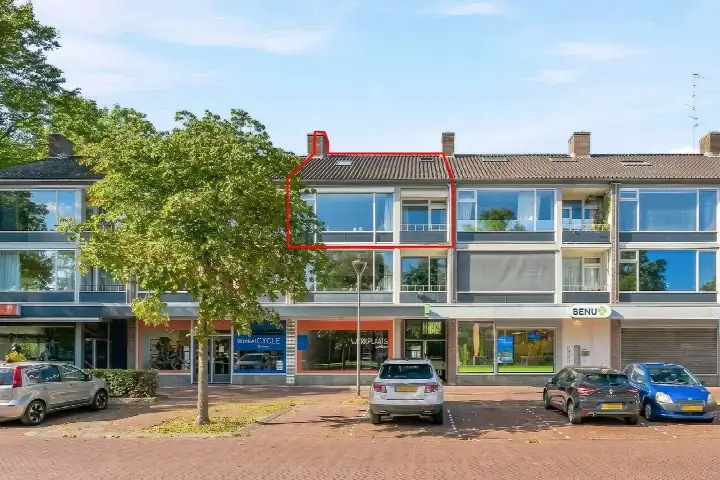
House prices and market figures Dieren-Noord boven spoorlijn, Rheden
The owner-occupied market in Dieren-Noord boven spoorlijn is more accessible than elsewhere in the municipality of Rheden, but that does not automatically translate into low prices. Of the 3,602 homes in the neighbourhood, 55% are owner-occupied and 45% are rental properties, a significant portion (36%) of which are owned by housing corporations. The average WOZ value is €269,000, clearly lower than the district average of Dieren (€328,000) and the municipal average of Rheden (€346,000). That difference indicates that this is the more affordable side of Dieren.
In the past twelve months, 64 homes were sold, with an average purchase price of €330,430. The range runs from €215,000 to €685,000, indicating that both starter homes and larger family homes come onto the market. With an average living area of 98 m², the price per square metre comes to approximately €3,372. The supply consists mainly of terraced houses and semi-detached houses from the 1970s and 1980s. Buying apartments in Dieren-Noord boven spoorlijn is less common. View the current supply and current asking prices at the top of this page, which are updated daily.
Living in Dieren-Noord boven spoorlijn, Rheden
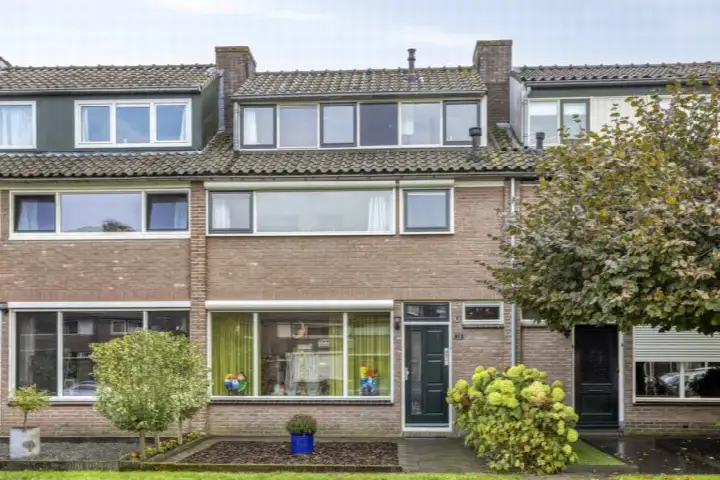
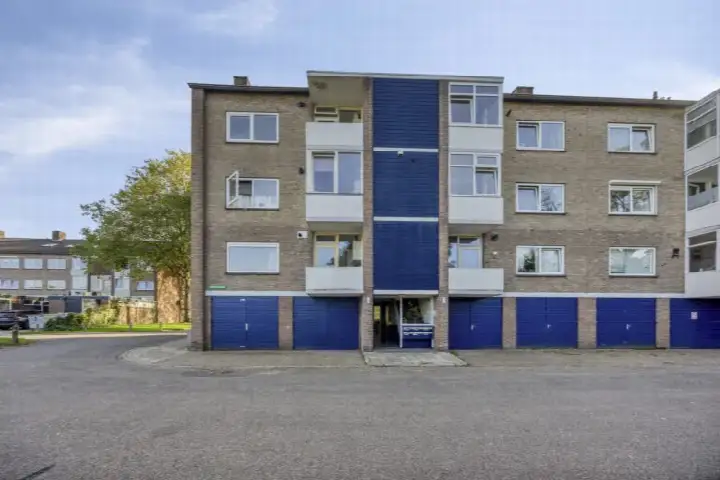
Dieren-Noord boven spoorlijn is the neighbourhood literally above the railway line, on the north side of the village of Dieren. That sounds neutral, but it says something about its character: this is not the picturesque village part with detached villas, but a functional residential area that was built up step by step in the post-war decades. Streets such as the Kerkstraat-richting and the area around Wilhelminapark form the backbone of the neighbourhood. The buildings largely consist of terraced houses and porch flats from the 1960s to the 1980s, with occasional newer developments.
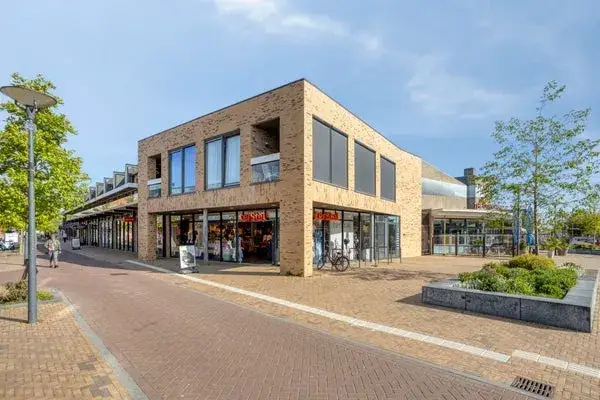
Facilities are present but not abundant. For daily groceries, you can go to the supermarkets in the centre of Dieren, within walking distance for most residents. There are several primary schools in and around the neighbourhood, which is also reflected in the resident score: education scores the highest of all categories at 6.0. For sports, there are local clubs active in Dieren, and Wilhelminapark offers some green space, although green space with a score of 2.5 is actually the weakest point according to residents.
Accessibility is reasonable. Dieren station is within cycling distance and offers a direct train connection to Arnhem (approximately 20 minutes) and Zutphen. From Arnhem, you have connections to the national rail network. By car, the A348 is quickly accessible, which connects to the A12 and A50. Bus services run through the neighbourhood, although accessibility and safety both score 5.0 in resident reviews, indicating mediocrity.
And then the honest side. The neighbourhood page of Dieren-Noord boven spoorlijn shows an overall score of 4.1 out of 10, based on two reviews. That is low, and the tone of the reviews is telling. One resident writes: "The neighbourhood has deteriorated rapidly in a short time; I have lived here for 42 years and see the impoverishment and poor maintenance of the houses and surroundings, also the residents are hardening in their actions, lots of arguments and noise." Another reviewer describes the neighbourhood simply as "impoverished" with high crime. These are just two voices, but they confirm what the low WOZ value and relatively high concentration of housing corporation properties already suggest: this is a neighbourhood under pressure.
For comparison: Dieren-Zuid beneden spoorlijn has a different profile, with more variation in housing types and a different social composition. Also Dieren-West boven spoorlijn is an alternative if you want to stay within Dieren but are looking for a different atmosphere. Those who want more space and greenery can look at Spankeren or Ellecom, quieter cores in the same municipality.
Who is a home in Dieren-Noord boven spoorlijn interesting for?
The lower WOZ value and the wide price range make this neighbourhood attractive for starters who are seriously considering buying a home in Dieren-Noord boven spoorlijn but have a limited budget. Starter homes from €215,000 are more realistic here than in other parts of Rheden. Investors looking for housing corporation properties or fixer-uppers also find opportunities here. Families with children will find schools, but must weigh the lower liveability scores. Those who want to live in Dieren-Noord boven spoorlijn but are still unsure can also look at the rental properties in Dieren-Noord boven spoorlijn as a temporary option to get to know the neighbourhood up close first.
What residents say about Dieren-Noord boven spoorlijn
The average resident score stands at 4.1 out of 10, based on 2 reviews. Education scores best (6.0), while green space (2.5) and beauty (3.5) are at the bottom. A resident who has lived in the neighbourhood for 42 years writes: "Disappointed, surprised and sometimes also scared. The neighbourhood has deteriorated rapidly in a short time." Those are harsh words from someone with a long basis for comparison. All scores and full reviews can be read on the information page of this neighbourhood.
Compare homes for sale in and around Dieren-Noord boven spoorlijn
Buurtje.nl combines property listings from more than 1,500 sources with resident reviews and neighbourhood data, so you not only choose a home but also a neighbourhood. Want to compare? View the supply in the broader district via homes for sale in Dieren, or explore other neighbourhoods such as Laag-Soeren. For a wider search area, the overview of homes for sale in Rheden provides a good starting point. More about the municipality can be found on the website of municipality Rheden. Popular alternatives in the region are also Velp and the core of Rheden.
What does a home cost in Dieren-Noord above the railway line?
The average purchase price in Dieren-Noord above the railway line over the past year was €330,430, based on 64 sold homes. Prices ranged from €215,000 to €685,000, with an average living area of 98 m². This works out to a price per square metre of approximately €3,372.
What is the WOZ value in Dieren-Noord above the railway line?
The average WOZ value in Dieren-Noord above the railway line is €269,000. This is lower than the average for the Dieren district (€328,000) and clearly below the municipal average of Rheden (€346,000). This makes the neighbourhood relatively affordable within the municipality.
What is it like to live in Dieren-Noord above the railway line?
Living in Dieren-Noord above the railway line is functional and affordable, but liveability is under pressure. Residents give the neighbourhood a score of 4.1 out of 10. Green spaces and cleanliness score low, while education is rated relatively well. Long-term residents note a decline in maintenance and social cohesion.
Is Dieren-Noord above the railway line suitable for first-time buyers?
For first-time buyers purchasing a home in Dieren-Noord above the railway line, the neighbourhood can be attractive due to relatively low entry prices, starting from around €215,000. The neighbourhood has a large number of single-person households (1,405) and an average income of €31,400, which fits a starter environment. However, take the low liveability score into account when making your decision.
How is the accessibility of Dieren-Noord above the railway line?
Accessibility scores a 5.0 in resident reviews, which is considered average. Dieren station is within cycling distance and offers train connections to Arnhem (approximately 20 minutes) and Zutphen. By car, the neighbourhood connects to the A348 towards the A12 and A50. Bus services are available but limited.
What type of homes are for sale in Dieren-Noord above the railway line?
The supply mainly consists of terraced houses and semi-detached houses, largely built between the 1960s and 1980s. Buying an apartment in Dieren-Noord above the railway line is less common; the supply is predominantly ground-based. The average living area of sold homes over the past year was 98 m².
How is safety in Dieren-Noord above the railway line?
Safety scores a 5.0 out of 10 in resident reviews. One resident describes the neighbourhood as 'impoverished' with high crime, while another long-term resident says they sometimes feel scared. These are individual experiences, but they signal that safety is a point of attention when buying in Dieren-Noord above the railway line.
Impoverished and high crime rate
Auto-translated to English by AIThe neighbourhood has deteriorated rapidly in a short time. I've lived here for 42 years and see the dilapidation and poor maintenance of the houses and surroundings. The residents are also hardening in their behaviour, lots of arguments and noise. I no longer enjoy living here and would very much like another home in a different neighbourhood.
Auto-translated to English by AIOffices with the most homes in Rheden on Buurtje.nl, last 12 months.
 Grotenhuis MakelaardijDieren146 homes
 Assink NVM MakelaarsVelp132 homes
 Franke & van der Aa makelaarsVelp60 homes
 Spitman Makelaars | QualisArnhem53 homes
 Droomhuis Makelaardij RhedenRheden50 homes
 Willemsen MakelaarsArnhem44 homes
 Bults MakelaardijVelp41 homes
 Best Living NVM Makelaars & financieel adviseursDieren38 homes
 Kamps MakelaardijVelp24 homes
Roel Willemsen GarantiemakelaarsArnhem22 homes