Homes for sale in Oude Pijp, Amsterdam
View the current supply of homes for sale in Oude Pijp, including neighbourhood scores and resident reviews. Compare prices and find the home that suits you.


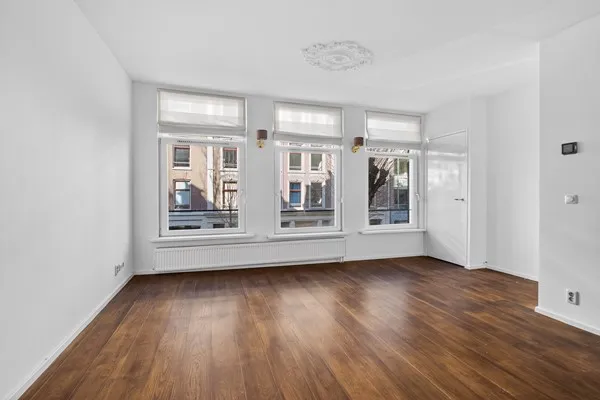
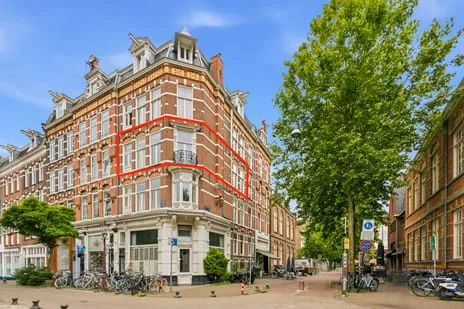
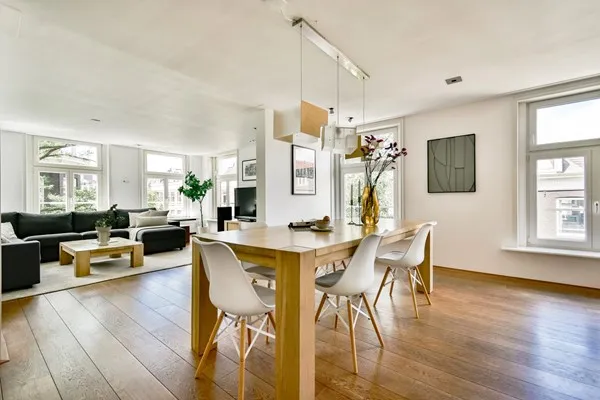
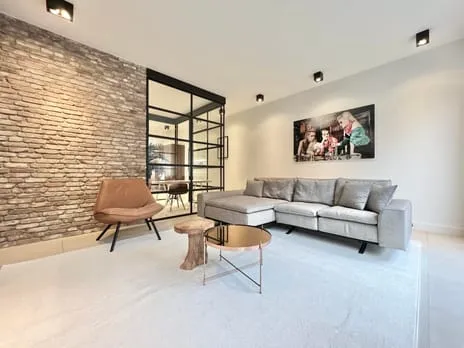
What does a home in de Oude Pijp cost?
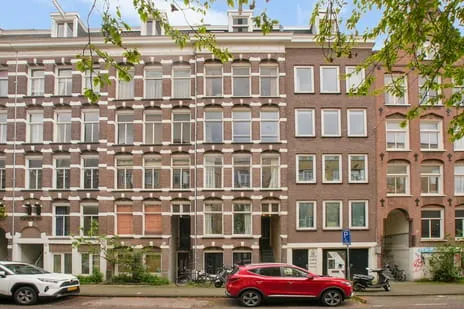
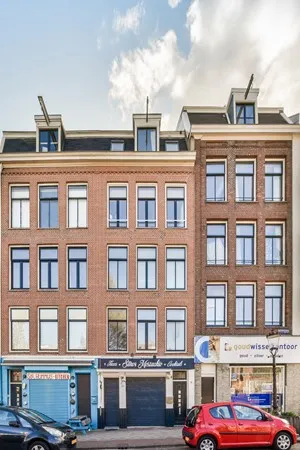
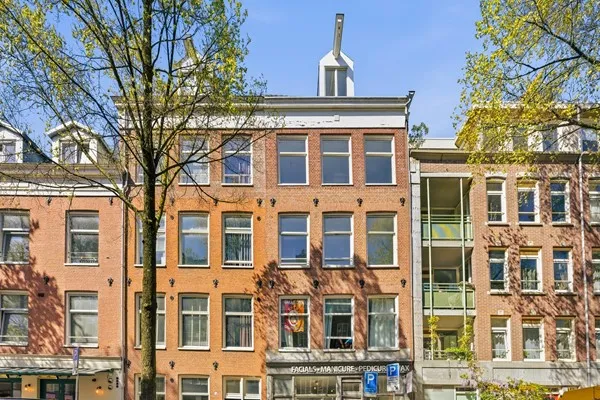
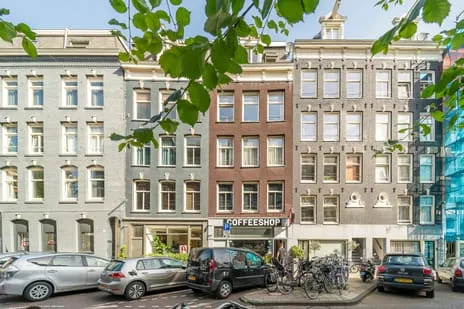
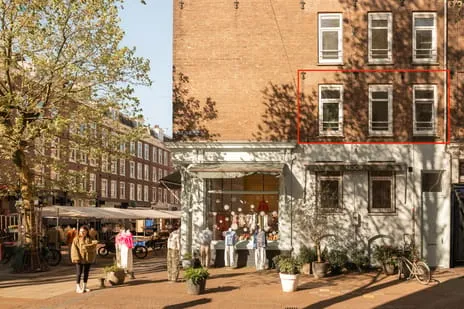
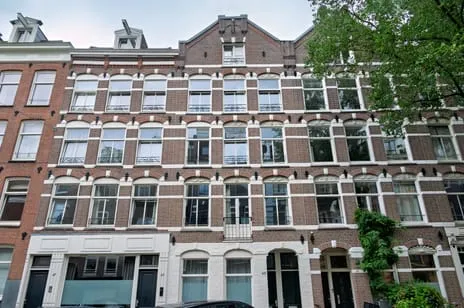
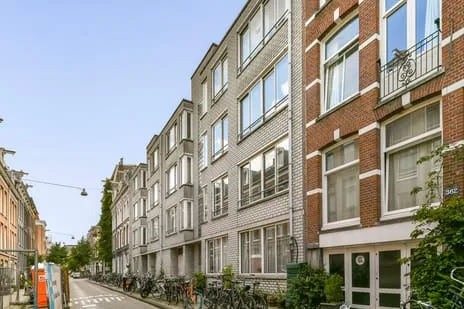
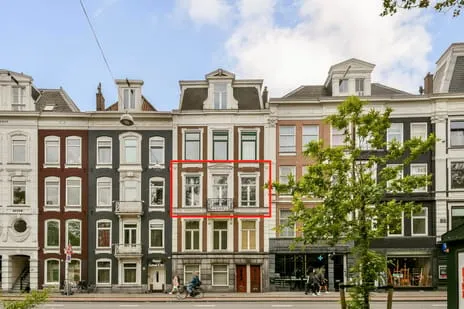
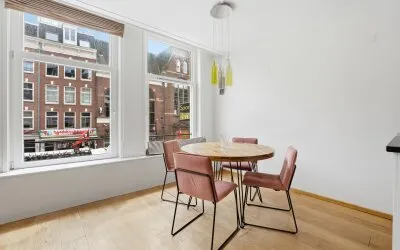
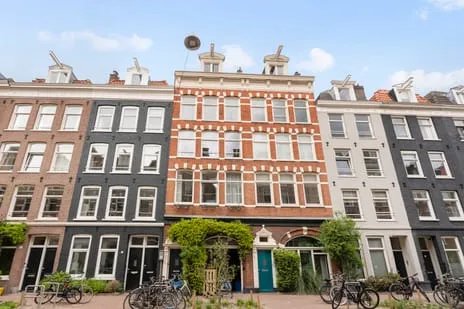
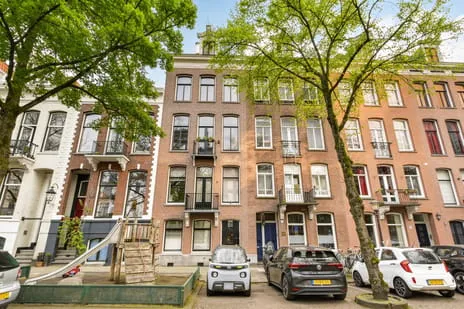
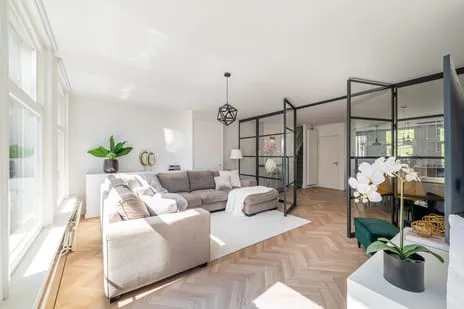
De Oude Pijp has traditionally been a true rental neighbourhood: only 24% of the more than 9,630 homes are owner-occupied, while 75% are rental properties. This makes the supply of homes for sale relatively scarce. The average WOZ value is €558,000, which is higher than the Amsterdam average of €517,000. Looking at actual transaction prices over the past year, buyers paid an average of €582,179 for a home averaging 57 square metres. The range is wide: from €245,000 for a small apartment to €2,550,000 for the most sought-after properties. The housing supply consists almost exclusively of apartments in pre-war building blocks. Detached houses or single-family homes are hardly found here. Check the overview at the top of this page for current asking prices and selling times.
Living in de Oude Pijp: cosy, busy and everything within walking distance
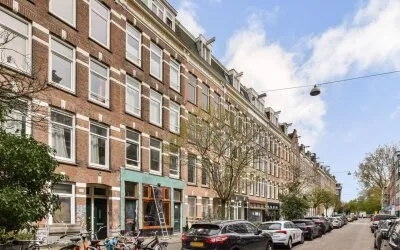
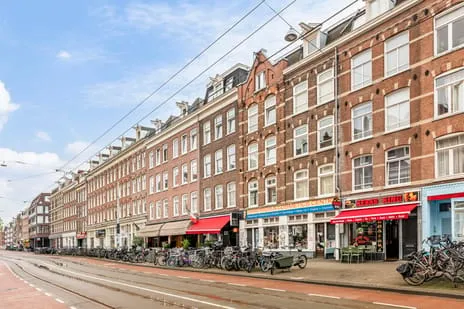
De Oude Pijp is one of the most recognisable neighbourhoods of Amsterdam. The area between Sarphatipark and Ferdinand Bolstraat buzzes with terraces, speciality shops and small restaurants. The Albert Cuypmarkt, open daily, is the beating heart of the neighbourhood and attracts both locals and tourists. On Buurtje.nl, de Oude Pijp scores a 6.5 out of 10 based on resident reviews. What stands out: accessibility gets a strong 8.0, while housing (5.3) and cleanliness of public spaces (5.3) receive the lowest scores.
Resident Peter van der Velden gives the neighbourhood an 8 and writes that it is easy to get around, which is true: De Pijp metro station (North-South line) takes you to Amsterdam Central in ten minutes, and tram lines 4 and 24 run via Ferdinand Bolstraat towards the centre and Station RAI. By bike, you are at Museumplein in five minutes. Rijkea, who has lived there for fifty years, simply calls it a "cosy neighbourhood". But there is also a downside. Resident Bakker (4.4 out of 10) describes increasing crowds due to tourists, nuisance from hospitality venues and passers-by, and homes suffering from damp, mould and noise issues. Anyone buying a home here should pay close attention to the structural condition of the property. Read all experiences on the neighbourhood page of de Oude Pijp.
In terms of amenities, the neighbourhood is complete. Besides the Albert Cuypmarkt, there are supermarkets (Albert Heijn on Eerste Van der Helststraat, Lidl on Ceintuurbaan), and Sarphatipark offers a green lung in the middle of the neighbourhood. The Sarphatiparkbuurt is therefore popular with buyers looking for a bit more peace. For primary education, there is, among others, Pijlerschool on Gerard Doustraat and Elout on Rustenburgerstraat. GPs, dentists and a pharmacy are spread across Ceintuurbaan and Ferdinand Bolstraat. Those looking for a specific atmosphere can also look at homes for sale in the Gerard Doubuurt around the market, or the slightly quieter Hemonybuurt towards the Amstelkanaal. The neighbourhood has a high education level (59% highly educated) and the majority of households are single-person (6,510 out of approximately 9,000), which defines the character of the neighbourhood: young, urban and dynamic.
Is de Oude Pijp right for you as a buyer?
Buying an apartment in de Oude Pijp is especially interesting for singles and couples without children who enjoy a lively city life. The average size of 57 m² and the high prices per square metre make it difficult for families, something residents also confirm. Keep in mind additional costs: approximately 2% transfer tax, notary fees and a structural survey are really advisable here given the condition of some properties. Overbidding is more the rule than the exception in this neighbourhood. If you are looking for more space for a similar budget, also look at rental properties in de Oude Pijp as an intermediate solution, or compare with neighbourhoods such as the Haarlemmerbuurt or the Jordaan.
Searching for a home for sale in de Oude Pijp
On Buurtje.nl, you combine the current supply of homes for sale with resident reviews and neighbourhood statistics, so you get to know not just the house but also the neighbourhood. Compare de Oude Pijp with other popular Amsterdam neighbourhoods such as Grachtengordel-West or view the complete overview of homes for sale in Amsterdam. More information about municipal regulations and permits can be found on the website of the municipality of Amsterdam.
Frequently asked questions
What is the average price of a home in Oude Pijp?
The average purchase price in Oude Pijp over the past year was €582,179 for a home averaging 57 m². Prices vary widely: from €245,000 for a small apartment to €2,550,000 for the most expensive properties. Overbidding is common in this neighbourhood.
What costs are involved in buying a house in Oude Pijp?
In addition to the purchase price, as a buyer you pay transfer tax (2% for a home), notary costs for the deed of transfer and possibly the mortgage deed. Given the older housing stock in Oude Pijp, a structural survey is strongly recommended. Expect €5,000 to €10,000 in additional costs on top of the purchase price.
What is the WOZ value of homes in Oude Pijp?
The average WOZ value in Oude Pijp is €558,000. That is well above the Amsterdam average of €517,000. The WOZ value determines, among other things, the amount of property tax and the imputed rental value for owner-occupied homes.
What type of home can I buy in Oude Pijp?
The supply in Oude Pijp consists almost entirely of apartments in pre-war building blocks. Single-family homes or detached houses are extremely rare here. Only 24% of the housing stock is owner-occupied, so supply is limited and buying an apartment in Oude Pijp can be competitive.
Is Oude Pijp suitable for living with children?
Living in Oude Pijp with children is possible, but most homes are compact (average 57 m²) and the neighbourhood is busy. There are primary schools such as the Pijlerschool and Sarphatipark offers play space. Residents indicate that many families eventually seek more space elsewhere. The neighbourhood is especially popular with one- and two-person households.
My neighbourhood for fifty years
Auto-translated to English by AIYou can easily get out in this neighbourhood
Auto-translated to English by AIHave lived here quite a long time. Too long. It's getting busier and busier with tourists. Houses are in poor condition, lots of damp and mould, and very small and noisy. Many people with kids are moving elsewhere. Lots of rubbish in the streets and a lot of nuisance from pubs and restaurants. Noise from passers-by and tourists, especially in summer.
Auto-translated to English by AI