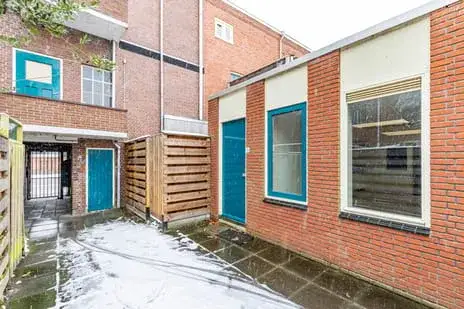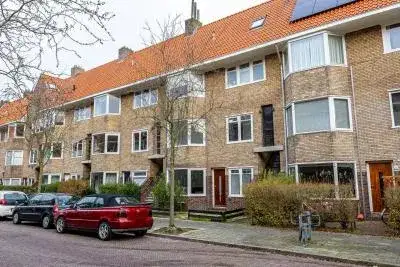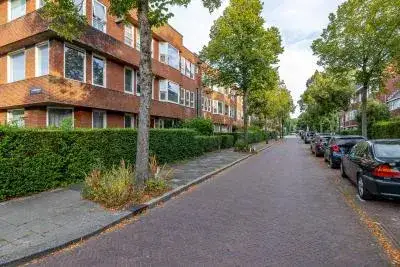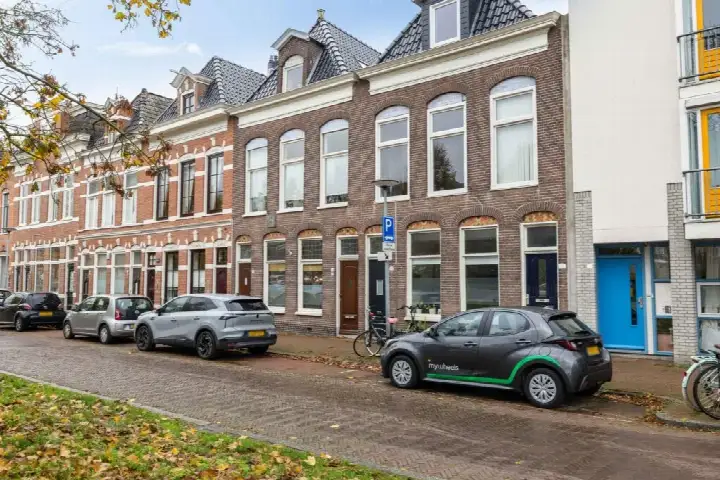





A compact studio in the Indische buurt
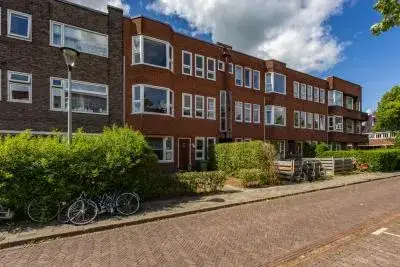
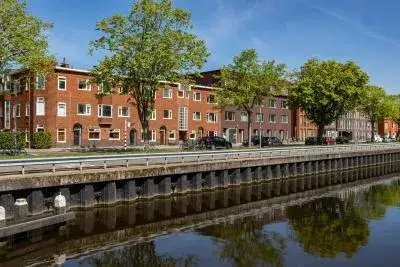
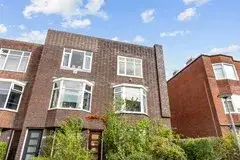
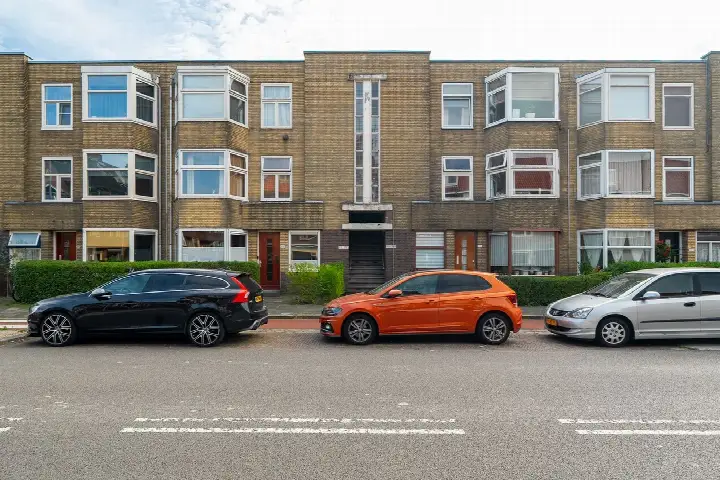
This studio on Floresstraat 17 sits in the Indische buurt, a lively part of Oud-Noord in Groningen. The area has a mix of old and newer homes, and the street itself is quiet and residential. With an asking price of €210,000, this home is priced 37% below the average asking price of €331,353 in the neighbourhood, which puts it on the low side compared to the local market. For more context, you can compare it with other [studios in Groningen].
The home itself
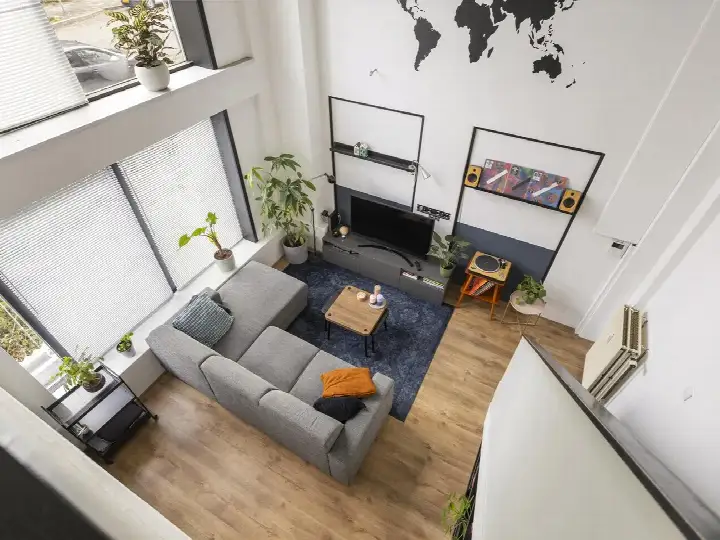
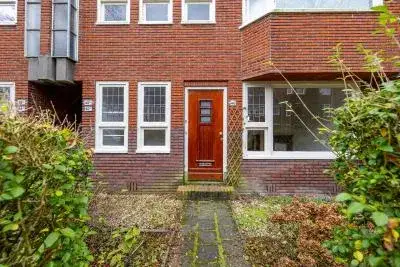
Built in 1948, this studio spans one floor and includes two rooms, one bedroom, and one bathroom. The living area is 42 m² according to the agent, while the BAG registration lists it as 43 m². The home has a garden on the north side, and there is a homeowners' association with a monthly contribution of €106. The energy label is C, which means you can expect moderate energy costs.
Life in the Indische buurt
Residents give the neighbourhood an average score of 7.87 out of 10, based on ten reviews. One resident says: "I feel at home in this neighbourhood. Very diverse, safe and easily accessible." Another notes: "Nice neighbourhood with lots of nature, close to the centre but very quiet." A third review is less positive, describing it as an "old neighbourhood, generally low income." The area is home to about 8,525 people, and a large share of households are single-person homes. For more on what it's like to live here, see [the Indische buurt neighbourhood].
Amenities and transport
For daily errands, Albert Heijn is just around the corner, with PLUS a couple of streets away and Jumbo and Aldi within a ten-minute walk. Openbare Basisschool Karrepad is a five-minute walk, and St. Franciscus is a bit further. The nearest GP is Huisartsen Boterdiep, and Apotheek Poll is just around the corner. Bus line 10 stops at Floresstraat, a couple of streets away, and Groningen Noord train station is a ten-minute walk. The municipality of Groningen offers a range of services and connections, as you can see on the page for [the municipality of Groningen].
WOZ and address data
The WOZ value for this home is €205,000 as of 1 January 2025, and the asking price is 2% above that value. Between 2020 and 2025, the WOZ value rose by 45%, from €141,000 to €205,000. As for the area, the road traffic noise level is 52 dB, which is above the norm, while railway and aircraft noise are below the norm. The foundation risk indication is elevated, and pluvial flooding at heavy rain is elevated, though flood risk is low now and in 2050. These are area-level indications, not an inspection of this specific home.
Source
At the time of writing, this home is offered via multiple channels, including Schouten + van der Griezen.
This summary was generated with AI and may contain errors. Always verify the details with the provider.
Features
Details of this home
Transfer
Price
Energy
 Save up to € 400 on your energy billCompare now
Areas and volume
Layout
Construction
Outdoor space
The WOZ value is set annually by the municipality with 1 January as its reference date, and therefore lags the market by about a year. It is an estimated market value, not a sale price.
Frequently asked questions
About Floresstraat 17, Groningen
How does the asking price compare to the WOZ value?
The asking price of €210,000 is 2% above the WOZ value of €205,000, which was set on 1 January 2025. The WOZ value is the municipal valuation, not the current market value. Over the past five years, the WOZ value has increased by 45%, from €141,000 in 2020 to €205,000 in 2025.
What is the layout of this studio?
This studio has two rooms in total, including one bedroom and one bathroom, all on a single floor. The living area is 42 m² according to the agent, while the BAG registration lists it as 43 m². There is a garden on the north side, and the home is part of a homeowners' association with a monthly contribution of €106.
What is the energy label and what does it mean for costs?
The energy label is C. This label indicates a moderate level of energy efficiency, so you can expect energy costs that are neither very low nor very high. The label is based on the home's characteristics, but it does not say anything about the condition of the building itself.
What is the foundation risk in this area?
The foundation risk indication for this address is elevated, according to public data from sources like the Klimaateffectatlas. This is an area-level indication, not an inspection of this specific home. The home was built in 1948 on clay soil, and the groundwater level is expected to drop towards 2050, which can affect wooden foundations.
What are the nearest amenities?
Albert Heijn is about 200 metres away, with PLUS at 492 metres and Jumbo and Aldi at 683 metres. The nearest primary school is Openbare Basisschool Karrepad at 416 metres, and the GP Huisartsen Boterdiep is at 769 metres. Apotheek Poll is just 321 metres away, and the hospital UMCG is about 1.4 km.
How is the public transport in this area?
Bus line 10 stops at Floresstraat, about 231 metres away, and also at Poortstraat and J. C. Kapteynlaan nearby. The nearest train station is Groningen Noord, at 775 metres. This gives you options for getting around the city and beyond.
What do residents say about the Indische buurt?
Residents give the neighbourhood an average score of 7.87 out of 10, based on ten reviews. One resident says: "I feel at home in this neighbourhood. Very diverse, safe and easily accessible." Another notes: "Nice neighbourhood with lots of nature, close to the centre but very quiet." A third describes it as an "old neighbourhood, generally low income."
How does the price per m² compare to the neighbourhood?
The asking price per m² is €5,000, based on the agent's listed living area of 42 m². The average asking price per m² in the neighbourhood is €4,039. This home is priced higher per m², but the total asking price is 37% below the neighbourhood average of €331,353, because the home is smaller than average.