Winschoterdiep 173B
Oosterpoort, Groningen
 Area
AreaA studio with a story on the Winschoterdiep
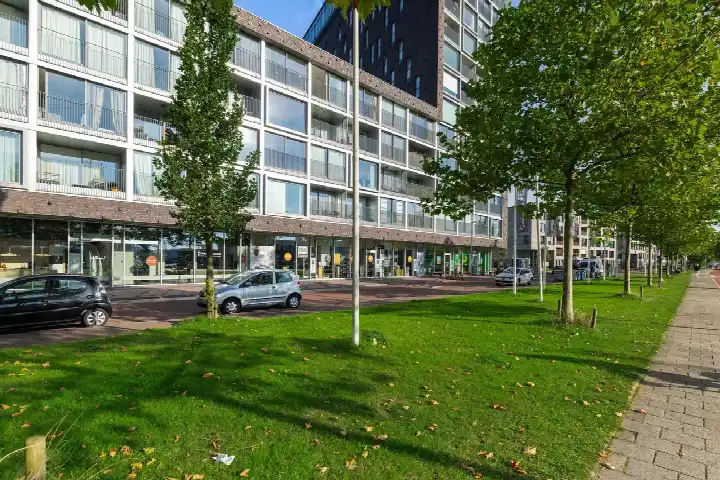
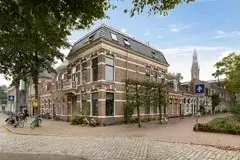
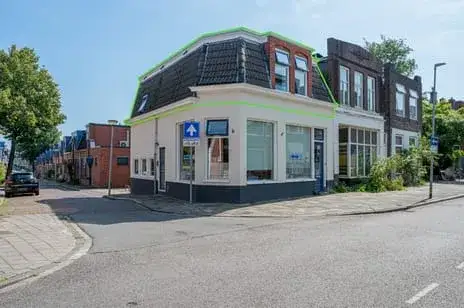
This studio on the third floor of a 1932 building sits along the Winschoterdiep in Oosterpoort, a part of Groningen where the streets have a lived-in, sociable feel. It is a compact home, and at €225,000 the asking price is on the high side compared with the average asking price in the neighbourhood. For context, the asking price for [studios in Groningen] varies, and this one sits at the upper end of what you might expect for a studio of this size.
Inside the home
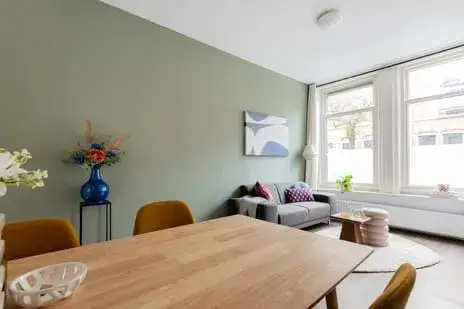
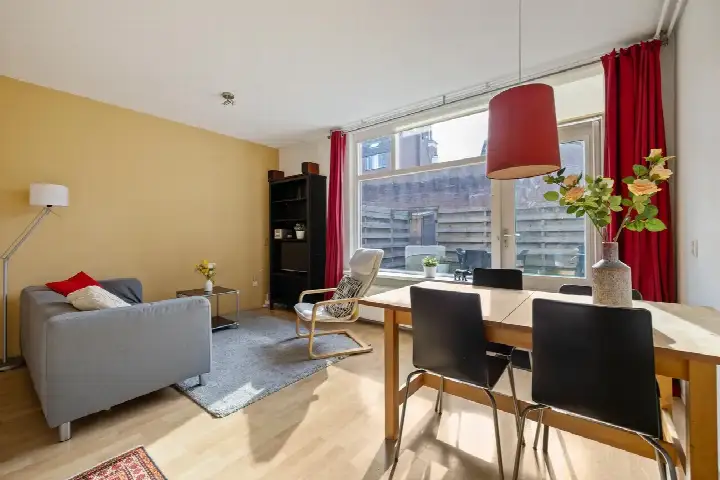
According to the agent, the home has two rooms, one bedroom and one bathroom on a single floor, with a volume of 136 cubic metres. The BAG registration lists the living area at 38 square metres, while the agent's listing states 45 square metres. The home has double glazing and a central heating boiler. It is located on the third floor of the building.
Life in Oosterpoort
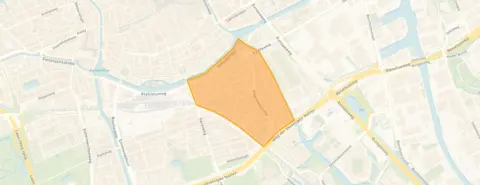
Oosterpoort is a neighbourhood where residents describe a social, lively atmosphere. One resident says: "It is a social neighbourhood of students, young people, families and many single people. People greet each other easily." Another adds: "It's a cosy and, in my opinion, fairly safe neighbourhood. I've never felt uncomfortable, at least." Based on eight reviews, residents give the neighbourhood an average score of 7.41. The area has a mix of ages, with a large share of residents between 15 and 45, and many single-person households. [The Oosterpoort neighbourhood] is home to around 5,000 people.
Amenities and getting around
The daily routine is well covered here. A PLUS supermarket is just around the corner, with a Jumbo a ten-minute walk away. For school, IKC Borgman Oosterpoort is a five-minute walk, and there is also a special primary school nearby. The GP practice Medisch Centrum Helperpark and Service Apotheek Oosterpoort are both a couple of streets away. For public transport, bus stop Lubeckweg is just around the corner with lines 2, 76, 171, 178 and 471, and Groningen Europapark station is a ten-minute walk. [The municipality of Groningen] offers all the facilities you would expect from a city.
WOZ value and address data
The WOZ value of the home is €172,000, based on the reference date of 1 January 2025. The asking price is 31% above this WOZ value. Between 2020 and 2025, the WOZ value rose by 32%, from €130,000 to €172,000. As for the area, the noise level from road traffic is 63 dB Lden, which is above the noise standard, while railway and aircraft noise are below the standard. The foundation risk indication for this area is medium, and the risk of pluvial flooding and flood risk are both low. These are area-level indications based on public data, not an inspection of this specific home.
Source
At the time of writing, the home is offered via multiple channels, including MakelaarWij and Vastgoed Nederland.
This summary was generated with AI and may contain errors. Always verify the details with the provider.
Features
Details of this home
Transfer
Price
Energy
 Save up to € 400 on your energy billCompare now
Areas and volume
 Insure your home and belongingsGet insured
Layout
Construction
The WOZ value is set annually by the municipality with 1 January as its reference date, and therefore lags the market by about a year. It is an estimated market value, not a sale price.
Frequently asked questions
About Winschoterdiep 173B, Groningen
How does the asking price compare to the WOZ value?
The asking price of €225,000 is 31% above the WOZ value of €172,000, which was set on 1 January 2025. The WOZ value is the municipal valuation, not the current market value. Over the past five years, the WOZ value has increased by 32%, from €130,000 in 2020 to €172,000 in 2025.
What is the layout of this studio?
According to the agent, the home has two rooms, one bedroom and one bathroom on a single floor. The living area is listed as 45 square metres by the agent, while the BAG registration states 38 square metres. The home is located on the third floor of the building and has a volume of 136 cubic metres.
What is the energy label and what does it mean for costs?
The home has energy label C. This means you can expect moderate energy costs, though not as low as with the most efficient labels. The home has double glazing and a central heating boiler, according to the agent. The energy label is a general indication and does not say anything about the condition of the building itself.
What is the foundation risk for this area?
The foundation risk indication for this area is medium. This is based on public data from the Klimaateffectatlas and KCAF, and it is an area-level indication, not an inspection of this specific home. The building dates from 1932, and in this postcode area, 100% of properties were built before 1970. According to the Klimaateffectatlas, 1% of properties in this neighbourhood have an elevated risk of pile rot.
What supermarkets and schools are nearby?
A PLUS supermarket is about 300 metres away, and a Jumbo is about 670 metres away. For schools, IKC Borgman Oosterpoort is about 470 metres away, and there is also a special primary school, School voor Speciaal Basisonderwijs Dr Bekenkamp, at about 340 metres. Secondary schools such as Zernike College are about a kilometre away.
How is the public transport in this area?
The nearest bus stop is Groningen, Lubeckweg, about 400 metres away, with lines 2, 76, 171, 178 and 471. There is also a stop at Boumaboulevard with line 2, and at Station Europapark with lines 2 and 8. The nearest train station is Groningen Europapark, about 590 metres away.
What do residents say about living in Oosterpoort?
Residents describe Oosterpoort as a social and lively neighbourhood. One resident says: "It is a social neighbourhood of students, young people, families and many single people. People greet each other easily." Another says: "It's a cosy and, in my opinion, fairly safe neighbourhood." Based on eight reviews, the average score is 7.41 out of 10.
What is the noise situation around this home?
The road traffic noise level at this address is 63 dB Lden, which is above the noise standard, based on 2022 data. Railway noise is 36 dB Lden and aircraft noise is 19 dB Lden, both below the standard. These are area-level indications from public data, not measurements taken at the home itself.