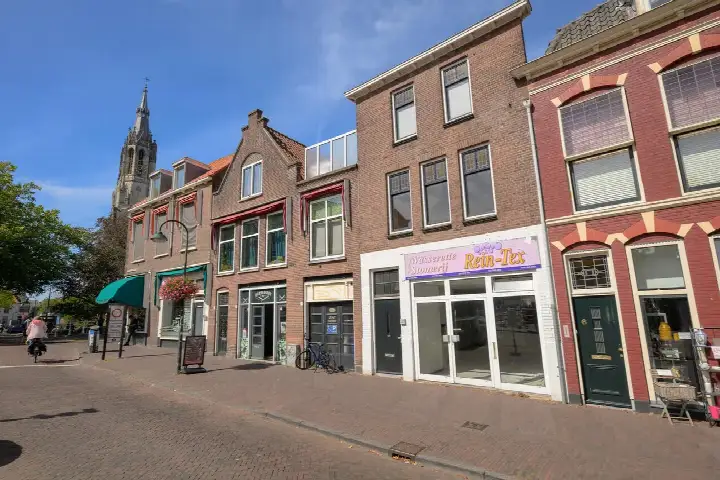
Jaagpad 62
Pasgeld, Rijswijk
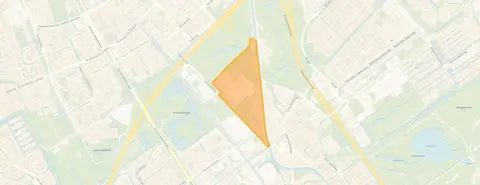 Area
AreaA pre-war apartment in Pasgeld
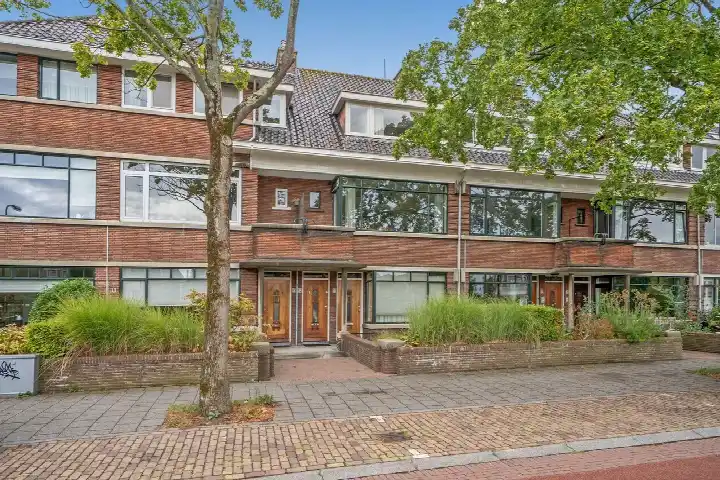
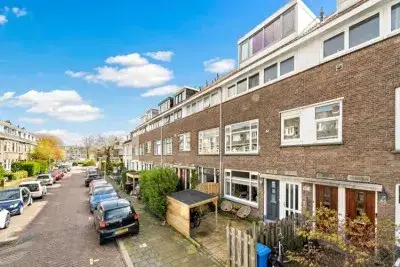
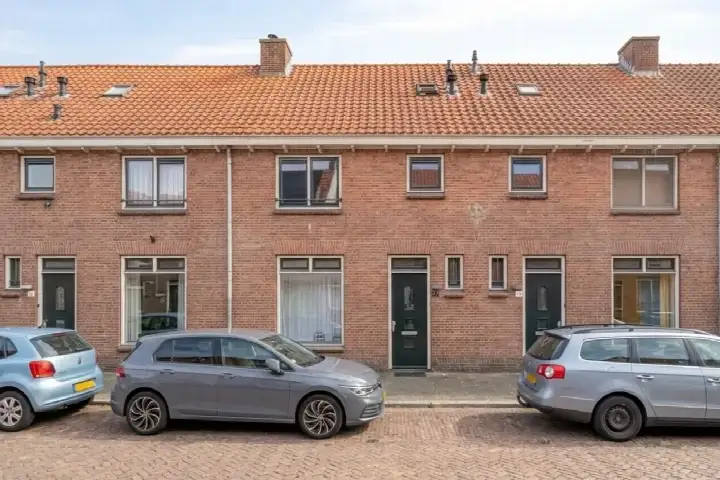
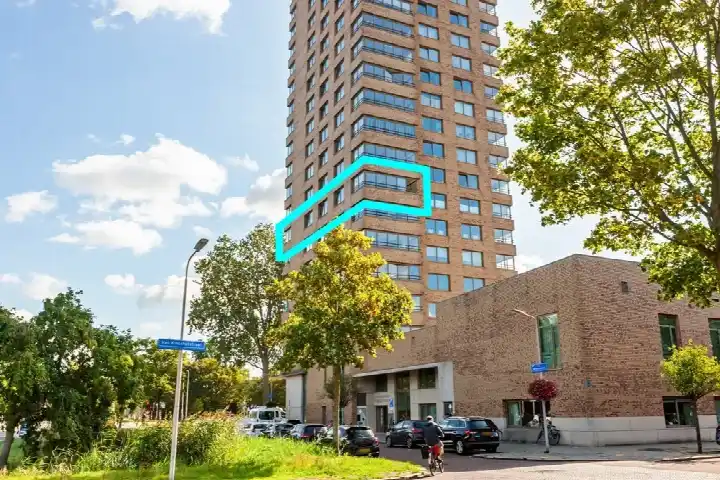
This apartment on Jaagpad 62 sits in Pasgeld, a neighbourhood in Rijswijk where life moves at a relaxed pace. The home dates from 1939 and carries an energy label C. With an asking price of €485,000, the price is in line with the market compared to other apartments in Rijswijk.
The home itself
The apartment spans two floors and includes five rooms, three bedrooms and one bathroom. According to the agent, the living area is 103 m², while the BAG registration lists 112 m². The home is located on the first floor and has a volume of 352 m³.
Pasgeld
Pasgeld is a small community of around 490 residents, where a mix of ages and household types live side by side. Residents of the district give it an average score of 8.07, based on six reviews. One resident says: "city is great." Another notes: "A very mixed neighbourhood. From young families, elderly people and even a number of people with disabilities. This feels pleasant." The same resident mentions downsides such as dealers on the parking lot and poor hygiene. A third resident appreciates the quiet, natural setting and an active neighbourhood watch, but finds public transport hard to reach. The neighbourhood recorded 39 crimes in the latest figures. For more context, see the Pasgeld neighbourhood.
Amenities and transport
Daily errands are manageable from here. The SPAR express is a ten-minute walk away, with Albert Heijn and PLUS a bit further. The Herman Broerenschool is just around the corner, and the Delftsche Schoolvereniging is a ten-minute walk. The nearest GP, Huisartsenpraktijk Arts en Zorg Vermeertoren, is a couple of streets away, as is Apotheek Rijswijk Buiten. Bus line 53 stops nearby, and tram lines 1 and 19 are within a five-minute walk. Rijswijk station is about 2.2 km away. The municipality of Rijswijk offers further options for shopping and leisure.
WOZ and address data
The WOZ value was set at €457,000 on 1 January 2025, and the asking price sits 6% above that figure. Between 2020 and 2025, the WOZ value rose by 42%, from €322,000 to €457,000. As for address-level risks, road traffic noise is measured at 50 dB Lden, above the norm, while rail and air traffic stay below their norms. The foundation risk indication is medium, based on the 1939 construction on clay soil. Pluvial flooding risk is low, as is current flood risk, though heat stress is expected to become medium by 2050. These are area-level indications, not an inspection of this specific home.
Source
At the time of writing, the home is offered via multiple channels, including Van Silfhout & Hogetoorn Wereldmakelaars.
This summary was generated with AI and may contain errors. Always verify the details with the provider.
Features
Details of this home
Transfer
Price

Areas and volume
 Insure your home and belongingsGet insured
Layout
Construction
The WOZ value is set annually by the municipality with 1 January as its reference date, and therefore lags the market by about a year. It is an estimated market value, not a sale price.
Frequently asked questions
About Jaagpad 62, Rijswijk
How does the asking price compare to the WOZ value?
The asking price of €485,000 is 6% above the WOZ value of €457,000, which was set on 1 January 2025. The WOZ value is the municipal valuation, not the current market value. Between 2020 and 2025, the WOZ value increased by 42%, from €322,000 to €457,000.
What is the layout of this apartment?
The apartment spans two floors and includes five rooms, three bedrooms and one bathroom. According to the agent, the living area is 103 m², while the BAG registration lists 112 m². The home is located on the first floor and has a volume of 352 m³.
What is the energy label and what does it mean?
The home has an energy label C. This label indicates the expected energy performance of the home. With label C, you can expect moderate energy costs, though the exact amount depends on your usage and energy prices. The label does not say anything about the structural condition of the home.
What is the foundation risk for this address?
The foundation risk indication for this address is medium. This is based on the fact that the home was built in 1939 on clay soil, which may involve wooden piles or a shallow foundation. It is an area-level indication from public data, not an inspection of this specific home.
What are the noise levels around this home?
Road traffic noise is measured at 50 dB Lden, which is above the noise norm. Rail traffic noise is 42 dB Lden and air traffic noise is 27 dB Lden, both below their respective norms. These figures come from public data for the area and reflect the situation in 2022 and 2023.
What supermarkets are nearby?
The nearest supermarket is SPAR express, about a ten-minute walk away. Albert Heijn and AH to go are a bit further, around 1.5 km, and there are two PLUS supermarkets within 1.7 km. In total, there are 57 supermarkets within 5 km of the home.
Which schools are close to this apartment?
The Herman Broerenschool, a special education school, is just around the corner at about 550 m. The Delftsche Schoolvereniging, a primary school, is about 1.2 km away. There are also several other primary and secondary schools within a short distance, with 60 schools in total within 5 km.
How is the public transport in this area?
Bus line 53 stops at Rijswijk, TNO / Lange Kleiweg, about 376 m away, and at Rijswijk, 't Haantje, about 432 m away. Tram lines 1 and 19 stop at Brasserskade, about 536 m away. The nearest train station is Rijswijk, at about 2.2 km.
What do residents say about the district?
Residents of the district give it an average score of 8.07, based on six reviews. One resident says: "city is great." Another appreciates the mixed community but mentions issues like dealers on the parking lot and poor hygiene. A third resident values the quiet, natural setting and the active neighbourhood watch, but finds public transport hard to reach.
What is the flood risk for this address?
The pluvial flooding risk is low, meaning the chance of flooding from heavy rain is limited. The current flood risk is also low, and this is expected to remain low by 2050. Heat stress is currently low but is expected to become medium by 2050. These are area-level indications from public climate data.