





A classic Amsterdam apartment
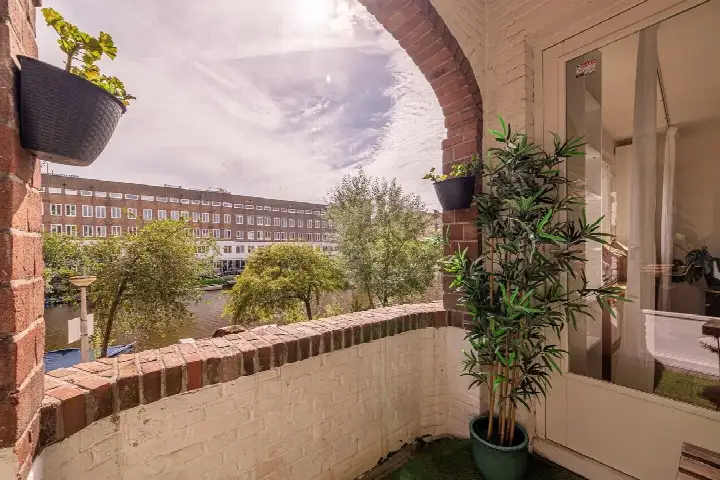
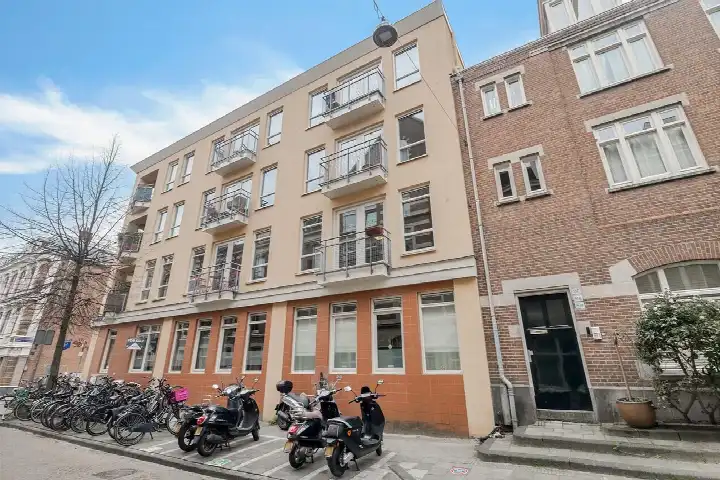
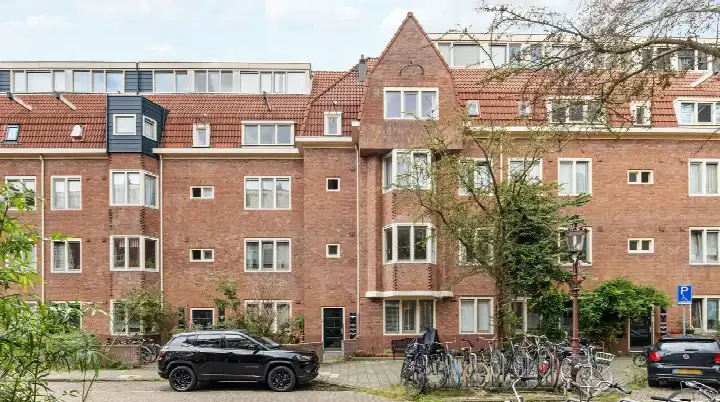
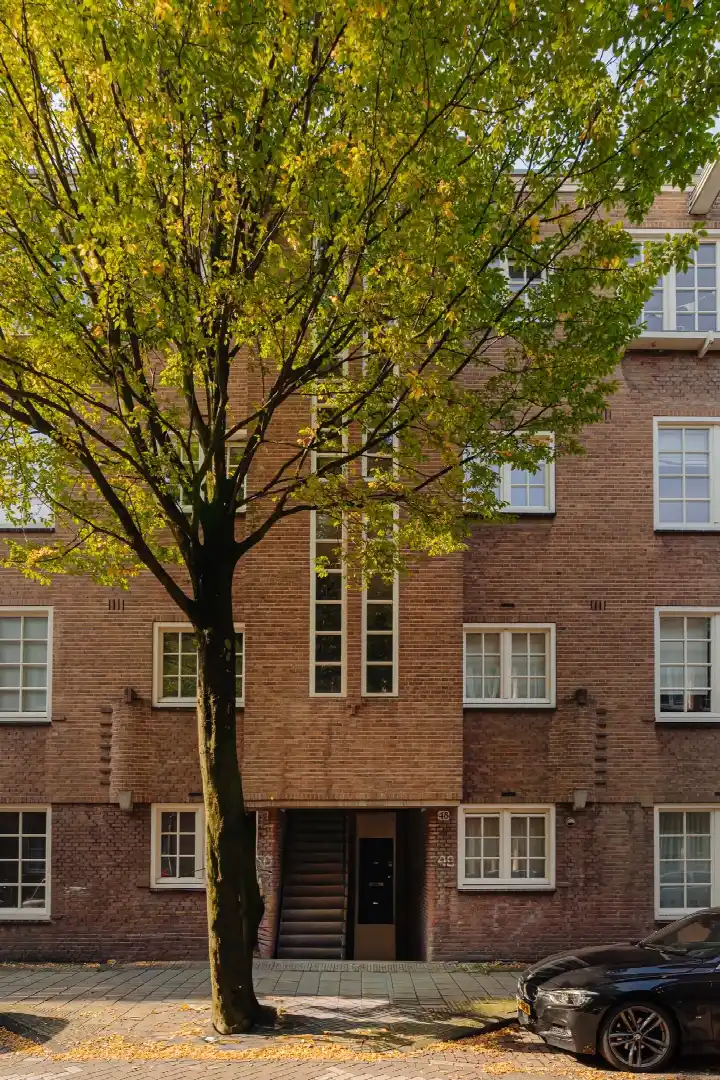
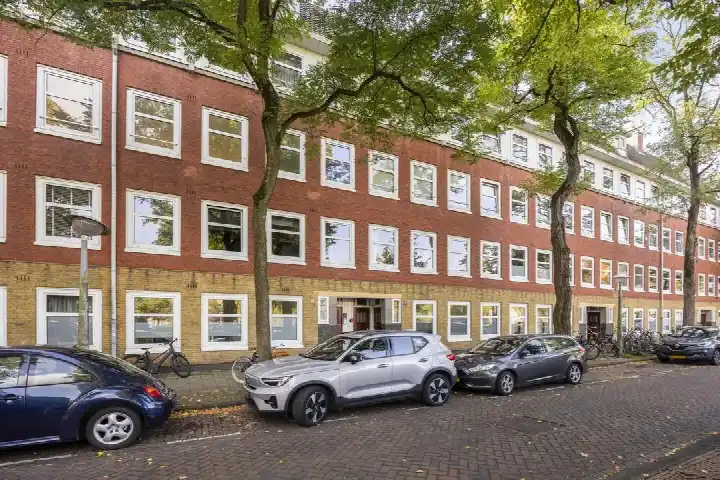
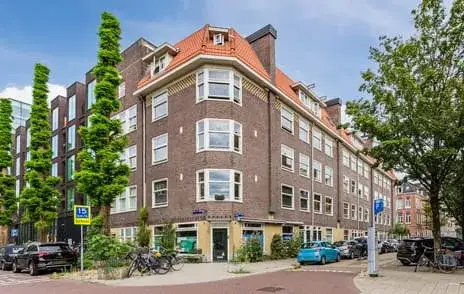
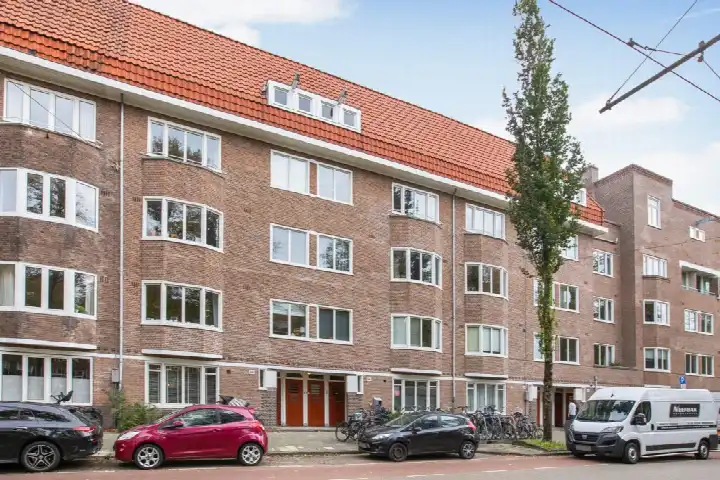
This apartment on Jan Lievensstraat 421 sits in the Diamantbuurt, a pre-war pocket of Amsterdam's Zuid district. The building dates from 1922, so it carries the character of the era. The asking price is €585,000, which is keen compared with the average asking price in the neighbourhood. For context, the average asking price for apartments in Amsterdam sits well above this figure.
What the listing tells us
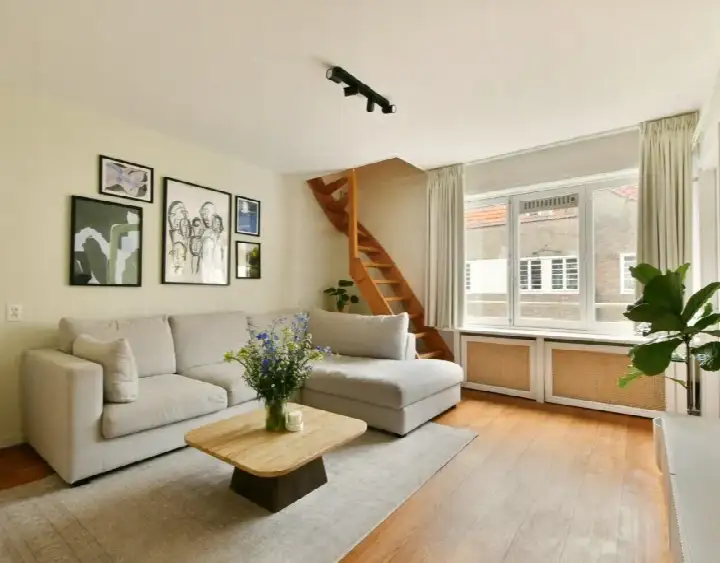
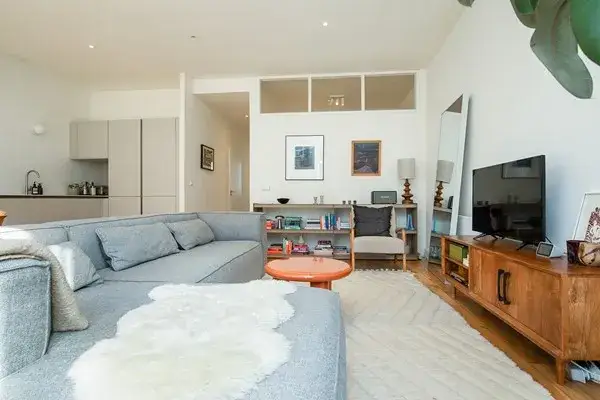
The listing does not state the energy label. As a result, you cannot gauge the home's energy performance from the listing alone. The living area is 61 m² according to the BAG registration, which works out at €9,590 per m². The agent has not published any further details about the layout, outdoor space, or installations.
Life in the Diamantbuurt
The Diamantbuurt neighbourhood is home to around 2,955 people, and the average household size is 1.7. Residents give the area a score of 6.29 out of 10, based on three reviews. One resident says: "Very nice neighbourhood. Residents are very friendly, communicative and good at cooperating." Another is less positive: "I've lived here for more than ten years and I think there are few parking spaces here and the neighbours are very rude." The reviews are mixed, so it is worth reading them in full.
Amenities and transport
Daily errands are easy from here. The nearest supermarket, an Albert Heijn, is just around the corner, and a second Albert Heijn is a couple of streets away. For secondary education, the Berlage Lyceum is a five-minute walk, and the 9e Montessorischool De Scholekster is also within walking distance for primary education. The nearest GP is Huisartsenpraktijk de Wetering, and the pharmacy, Service Apotheek van Wou, is on your doorstep. Tram and bus stops at Amstelkade and Lutmastraat are just around the corner, with lines 4 and N84. Amsterdam Amstel station is a ten-minute walk away. The municipality of Amsterdam offers all the usual urban amenities. According to public risk data at address level, the noise from road traffic is 53 dB Lden, which is above the standard, while rail and air traffic noise are below their standards. The foundation risk indication is medium, based on the building being constructed before 1970, and this is an area-level indication, not an inspection of this specific home. For climate, the pluvial flooding risk is medium, and the heat stress risk is currently medium, rising to elevated by 2050. These are area-level indications.
Source
At the time of writing, the home is offered only via Adventus Makelaars.
This summary was generated with AI and may contain errors. Always verify the details with the provider.
Features
Details of this home
Transfer
Price
Areas and volume
Construction
Frequently asked questions
About Jan Lievensstraat 421, Amsterdam
How does the asking price compare with other apartments in the neighbourhood?
The asking price of €585,000 is 13% below the average asking price in the Diamantbuurt, which is €672,417. The average asking price per m² in the neighbourhood is €10,738, while this home works out at €9,590 per m² based on the BAG living area. The price verdict is described as keen, meaning it is on the lower side compared with the neighbourhood average.
What is the living area of this apartment?
According to the BAG registration, the living area is 61 m². The agent has not published any further details about the layout, such as the number of rooms or bedrooms. The price per m² is €9,590, based on the BAG area. No other floor areas are stated in the listing.
Why is there no energy label in the listing?
This means you cannot assess the home's energy performance from the listing alone. The agent has not published this information. You would need to ask the agent directly for the energy label if you want to know it.
What is the foundation risk for this address?
The foundation risk indication for this address is medium, according to public risk data. This is based on the building being constructed before 1970, specifically in 1922. The KCAF attention area indicates that 100% of properties in this postcode area were built before 1970. This is an area-level indication, not an inspection of this specific home.
What are the noise levels like at this address?
According to public risk data, the noise from road traffic is 53 dB Lden, which is above the standard. Rail traffic noise is 41 dB Lden, and air traffic noise is 43 dB Lden, both below their respective standards. These are area-level indications based on 2022 and 2023 data, not measurements taken at the property itself.
What is the flood and heat stress risk at this address?
The pluvial flooding risk at this address is medium, meaning there is a moderate chance of flooding from heavy rain. The current flood risk is low, and it is expected to remain low by 2050. Heat stress is currently medium, but it is expected to become elevated by 2050. These are area-level indications from the Klimaateffectatlas.
Which supermarkets are closest to this apartment?
The nearest supermarket is an Albert Heijn at 268 metres, which is just around the corner. Another Albert Heijn is at 309 metres, also within a short walk. An Aldi is at 772 metres, and there are more Albert Heijn stores at 759 and 815 metres. In total, there are 152 supermarkets within 5 km.
Which schools are near this apartment?
For secondary education, the Berlage Lyceum is at 349 metres, and IVKO - Leren van Kunst is at 411 metres. For primary education, the 9e Montessorischool De Scholekster is at 520 metres, and the 3e Daltonschool Alberdingk Thijm is at 533 metres. There are 194 schools within 5 km.
What public transport options are available nearby?
The nearest tram and bus stops are Amstelkade and Lutmastraat, both around 150-170 metres away, served by lines 4 and N84. The Victorieplein stop is at 428 metres, with lines 4, 12, 23, 62, 245, and N84. Amsterdam Amstel train station is at 1,051 metres, about a ten-minute walk.
What do residents say about living in the Diamantbuurt?
Residents give the Diamantbuurt an average score of 6.29 out of 10, based on three reviews. One resident praises the friendly and cooperative neighbours, while another complains about rude neighbours and a lack of parking. The reviews are mixed, so it is worth considering both perspectives.