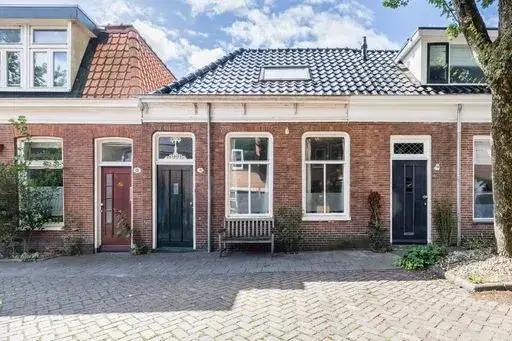
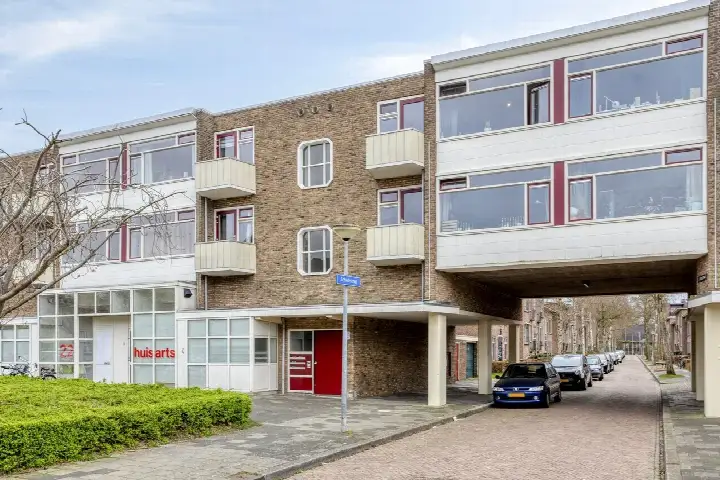
Mauritsdwarsstraat 32
Oosterpoort, Groningen
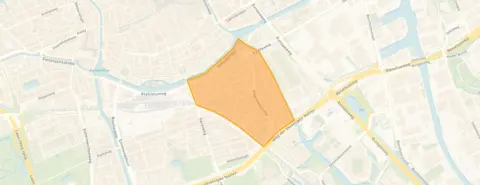 Area
AreaA 1878 apartment in the heart of Oosterpoort
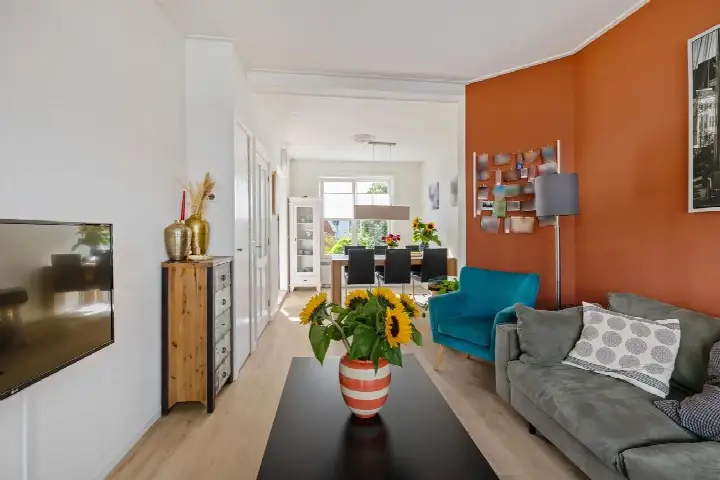
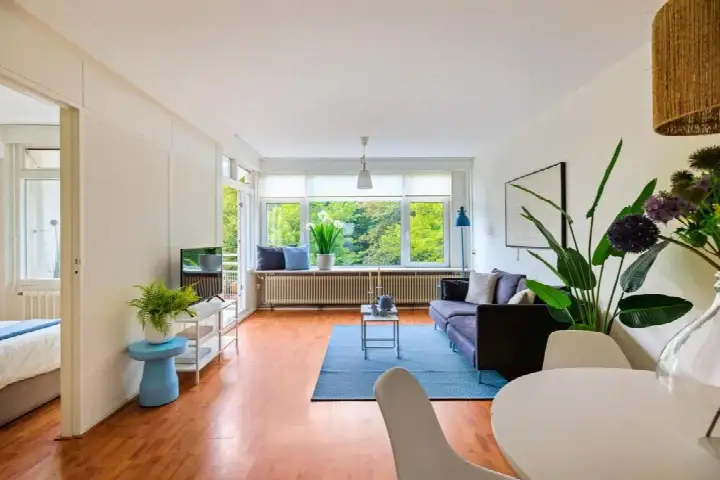
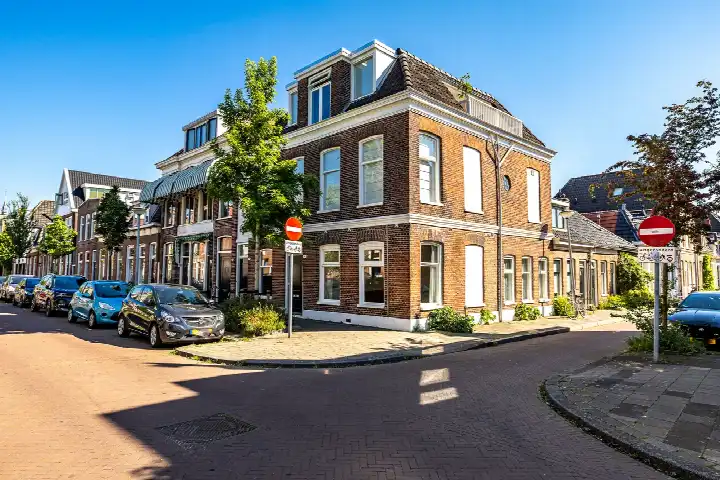
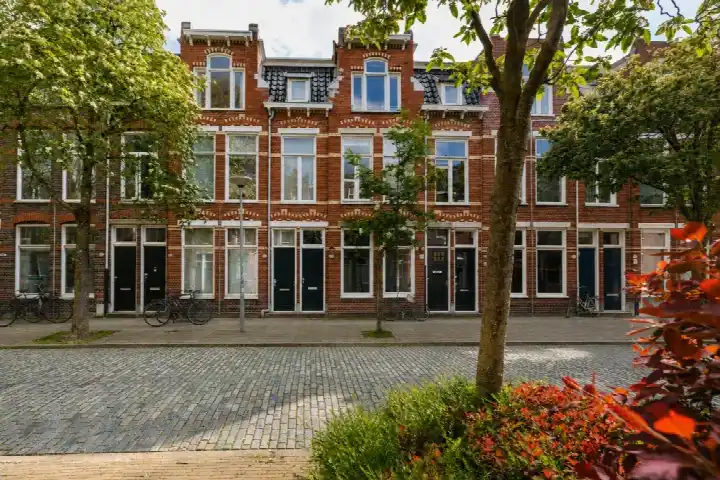
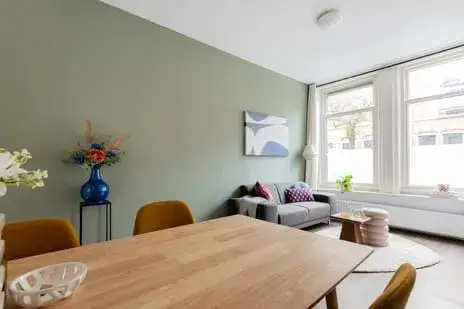
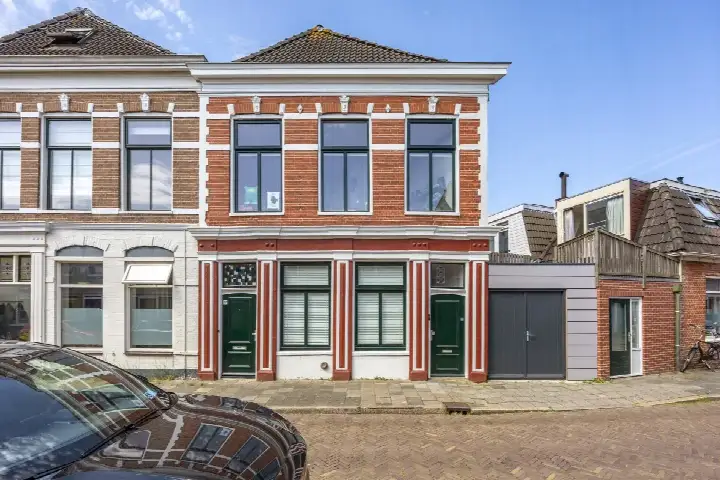
This apartment on Mauritsdwarsstraat 32 sits in Oosterpoort, a lively part of Groningen where students, young families and long-time residents mix easily. The building dates from 1878, so it carries the character of a classic Groningen street. With a living area of 60 m² according to the BAG registration, the asking price of €250,000 is keen compared with the neighbourhood average asking price of €337,654. For context, apartments in Groningen are listed at a range of prices, and this one sits at the lower end.
What the listing tells us
The listing gives the essentials: an apartment built in 1878 with an energy label F. That label is the least efficient label, so expect higher energy costs. The floor area is 60 m² according to the BAG registration, and the price per m² works out at €4,167 based on that figure. The agent does not provide further details on layout, outdoor space or installations, so the picture is limited to these facts.
Life in Oosterpoort
Residents give the neighbourhood an average score of 7.41, based on eight reviews. One resident says: "It is a social neighbourhood of students, young people, families and many single people. People greet each other easily. With the many pubs it is lively, little going on." Another adds: "It's a cosy and, in my opinion, fairly safe neighbourhood. I've never felt uncomfortable, not during the day or late at night." The neighbourhood counts about 5,000 residents, with a high share of single-person households. The Oosterpoort neighbourhood clearly has a social, welcoming feel according to those who live there.
Amenities and getting around
Daily errands are easy from here. A PLUS supermarket is just around the corner, and an Albert Heijn and a Jumbo are a couple of streets away. IKC Borgman Oosterpoort primary school is on your doorstep, and the nearest GP, Huisartsenpraktijk de Vecht, is a five-minute walk. The pharmacy, Service Apotheek Oosterpoort, is also close by. For public transport, bus stop Vechtstraat with lines 50 and 51 is just around the corner, and the main train station in Groningen is a ten-minute walk. The municipality of Groningen offers a full range of services within easy reach. The address does come with area-level risk indications. Road traffic noise is above the norm at 51 dB Lden, while rail, air and industry noise stay below their norms. The foundation risk indication is medium, as the building predates 1970 and the area is a KCAF attention zone. Pluvial flooding at heavy rain is elevated, while flood risk is low now and in 2050. These are indications at area level, not an inspection of this specific home.
Source
At the time of writing the home is offered only via Desegno.
This summary was generated with AI and may contain errors. Always verify the details with the provider.
Features
Details of this home
Transfer
Price
Energy
 Save up to € 400 on your energy billCompare now
Areas and volume
 Insure your home and belongingsGet insured
Layout
Construction
Outdoor space
The WOZ value is set annually by the municipality with 1 January as its reference date, and therefore lags the market by about a year. It is an estimated market value, not a sale price.
Frequently asked questions
About Mauritsdwarsstraat 32, Groningen
How does the asking price compare with other homes in Oosterpoort?
The asking price of €250,000 is 26% below the neighbourhood average asking price of €337,654. The average asking price per m² in the neighbourhood is €4,390, while this home is listed at €4,167 per m² based on the BAG floor area. The price verdict is keen, meaning it is on the low side compared with the local market.
What is the energy label and what does it mean for costs?
The energy label is F, which is the least efficient label. This means you can expect higher energy costs for heating and electricity compared with more efficient homes. The label does not say anything about the condition of the building itself, only about its energy performance. No insulation details are given in the listing.
What is the WOZ value of this apartment?
The WOZ value is the municipal valuation used for property tax, and it is not part of the agent's listing. Without this figure, it is not possible to compare the asking price with the official valuation.
What are the noise levels around this address?
The area-level data shows road traffic noise at 51 dB Lden, which is above the Dutch noise norm. Rail noise is 46 dB Lden, air traffic 19 dB Lden, and industry 46 dB Lden, all below their respective norms. These are indications for the area, not measurements at the property itself.
What is the foundation risk for this home?
The foundation risk indication is medium. This is based on the building being constructed before 1970, and the postcode area being a KCAF attention zone where all properties were built before 1970. In the neighbourhood, 1% of properties have an elevated risk of pile rot according to the Klimaateffectatlas. This is an area-level indication, not an inspection of this specific home.
Which supermarkets and schools are nearby?
A PLUS supermarket is about 240 metres away, with another PLUS at 577 metres and an Albert Heijn at 598 metres. IKC Borgman Oosterpoort primary school is 180 metres away, and Parcival College for secondary education is 766 metres away. The nearest GP is Huisartsenpraktijk de Vecht at 491 metres, and the pharmacy Service Apotheek Oosterpoort is 412 metres away.
How is the public transport from this address?
The nearest bus stop is Groningen, Vechtstraat, about 306 metres away, served by lines 50 and 51. The Hereplein stop at 482 metres offers many more lines, including 1, 3, 4, 5, 6, 7, 8, 9, 10, 11, 19, 61, 63, 65, 76, 165 and 178. The main train station in Groningen is 755 metres away, about a ten-minute walk.
What is the neighbourhood like according to residents?
Residents rate Oosterpoort an average of 7.41 out of 10, based on eight reviews. One resident describes it as a social neighbourhood with students, young people and families, where people greet each other easily and feel safe walking in the evening. Another says it is cosy and fairly safe, with little nuisance. The neighbourhood has about 5,000 residents, with 73% single-person households.