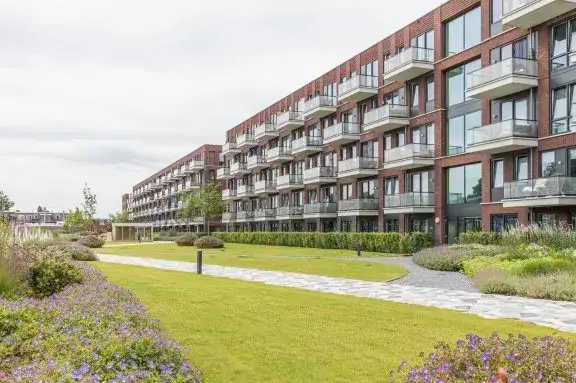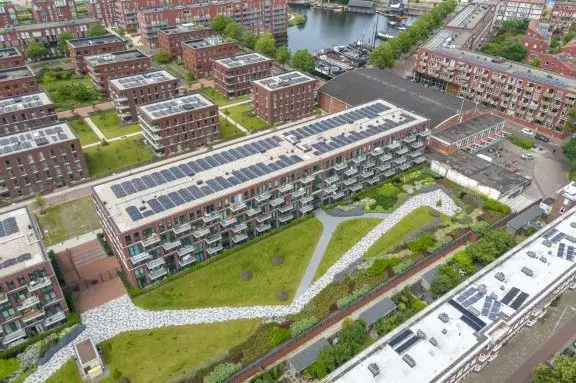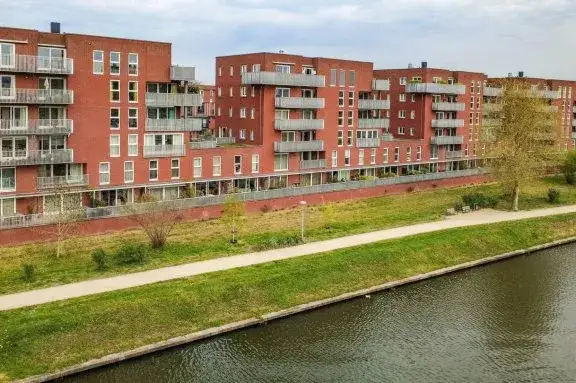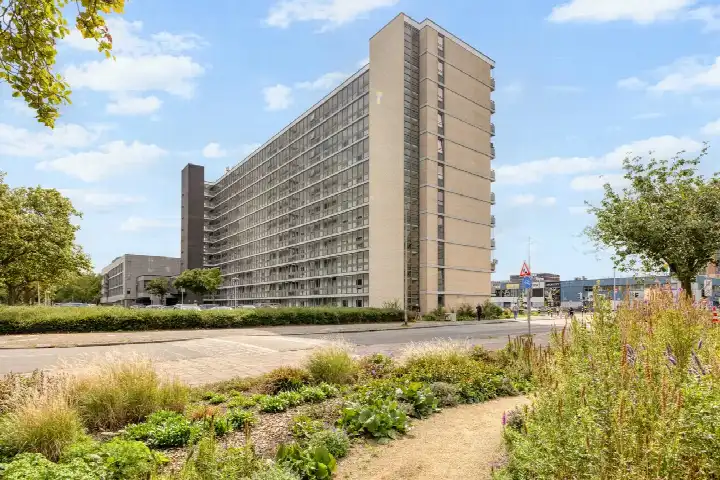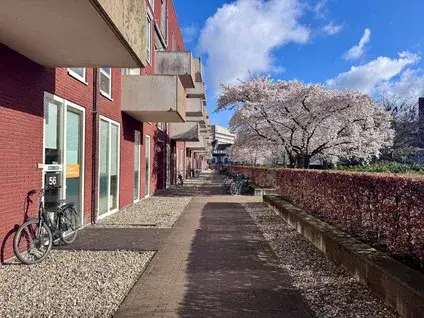





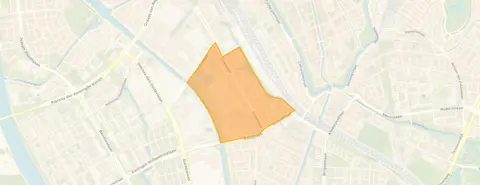
A new-build apartment in Dichterswijk
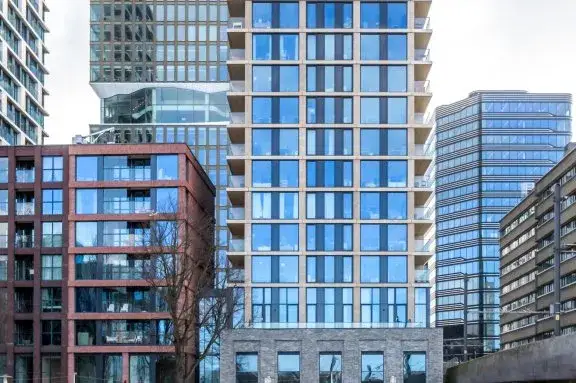
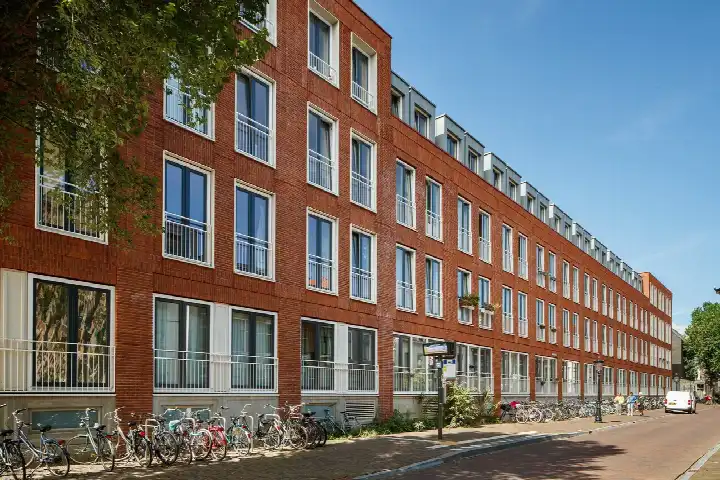
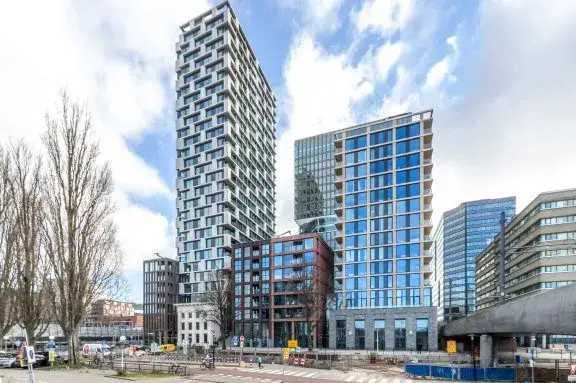
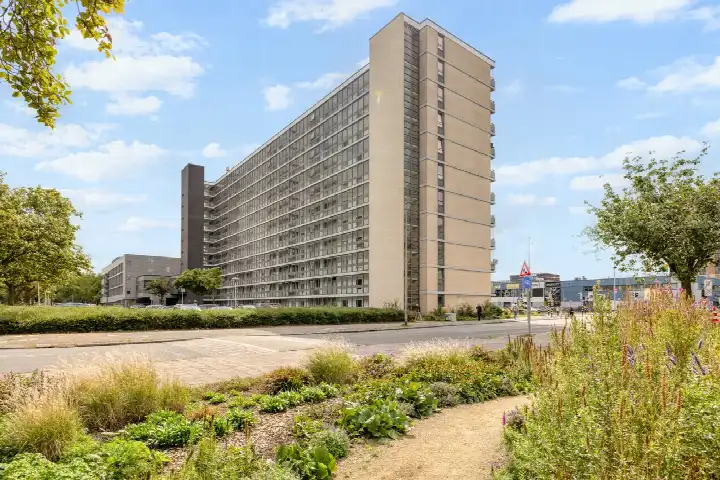
This apartment on Twellosebeeklaan sits in Dichterswijk, a neighbourhood in Utrecht that has seen a lot of new construction in recent years. Built in 2023, the home has an A++ energy label, which means it is very efficient to run. At €1,670 per month, the rent sits about 20% below the neighbourhood average of €2,091, so it is keenly priced for the area. For context, apartments in Utrecht in general tend to command higher rents.
The Dichterswijk neighbourhood
Dichterswijk is a mixed area, and one resident describes it as a place that has been nicely renovated and looks better than before. They note that a lot of new buildings have been built, though they also mention that some problems remain behind the walls of the houses. The same resident says schools have been renovated for the little children. Based on one review, this is a neighbourhood in transition, with visible improvements alongside lingering issues. The area is densely populated, with many single-person households, and the Dichterswijk neighbourhood has a strong urban feel.
Life on the street
For daily errands, the PLUS supermarket is just around the corner, and an Albert Heijn is a ten-minute walk away. There are also several other options within easy reach, including an AH to go and a Coop. For families, the Openbare Basisschool De Kleine Dichter is a couple of streets away, while secondary school Descart is about a ten-minute walk. The neighbourhood has a high address density, so shops and services are close at hand. The municipality of Utrecht offers a wide range of amenities within the city.
Source
At the time of writing, this home is listed only.
This summary was generated with AI and may contain errors. Always verify the details with the provider.
Features
Details of this home
Transfer
Price

Areas and volume
Construction
The WOZ value is set annually by the municipality with 1 January as its reference date, and therefore lags the market by about a year. It is an estimated market value, not a sale price.
Frequently asked questions
About Twellosebeeklaan 150, Utrecht
Is €1,670 a fair rent for this apartment?
The rent is about 20% below the average for rentals in Dichterswijk, which stands at €2,091 per month. The median rent in the neighbourhood is €1,975, so this apartment is priced below both figures. Given the 65 m² floor area and the 2023 build year, the rent appears to be on the low side compared with other listings in the area.
What does the A++ energy label mean for this home?
An A++ label is the most efficient category on the energy scale. It is an official registration, so the home is recognised as having very low energy demand. In practical terms, you can expect heating and electricity costs to be modest, though the exact amount depends on your usage.
How does the floor area compare with other rentals in Dichterswijk?
At 65 m², this apartment is about 28% smaller than the average rental in the neighbourhood, which is 90 m². The rent reflects this difference, as the price per square metre works out to around €25.69, compared with the neighbourhood average of €24.06 per m².
What is the neighbourhood like according to residents?
One resident gives Dichterswijk a score of 7.13 out of 10. They say the area used to be deprived but has been renovated and looks better than before, with many new buildings. They also note that some problems persist behind the house fronts and mention the presence of racists. Schools have been renovated for young children, according to the same review.
How close are the nearest schools and supermarkets?
The PLUS supermarket is 187 metres away, and the Openbare Basisschool De Kleine Dichter is 222 metres away. An Albert Heijn is 608 metres from the home, and the secondary school Descart is 751 metres away. Several other supermarkets and schools are within a kilometre, so daily errands and school runs are short.
How far is the train station from this apartment?
The nearest train station is 1.3 kilometres from the home. That is roughly a fifteen-minute walk, depending on your pace. The neighbourhood has a high address density, so public transport connections are generally well integrated into the urban fabric.