




A canal-side classic in the Haarlemmerbuurt
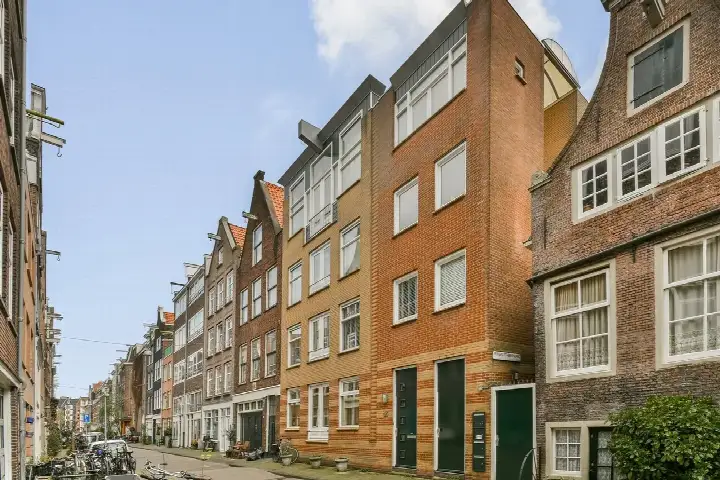
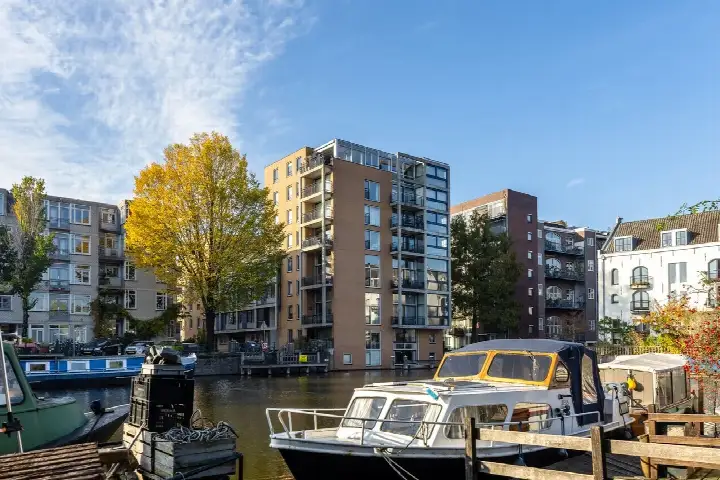
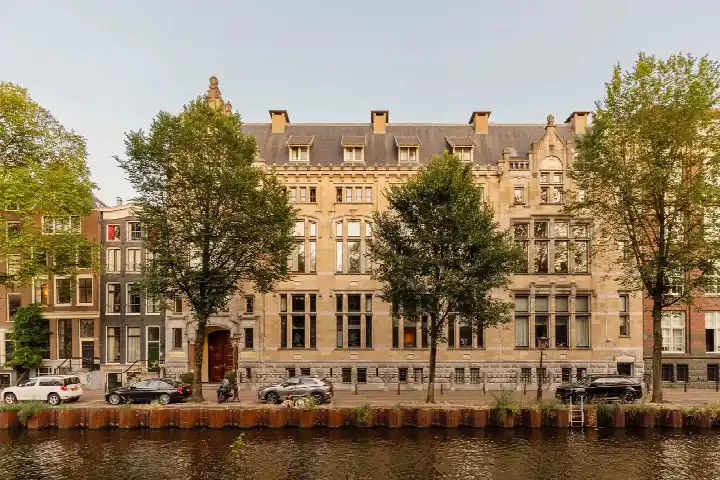
This apartment sits in the Haarlemmerbuurt-West, a corner of Amsterdam where the city centre feels close and the streets hum with life. The home dates from 1905, so it carries the character of a building that has seen over a century of city living. This listing does not state the energy label. As a result, you cannot tell from the listing how energy-efficient the home is. At 785,000 euros, the asking price is on the high side compared with the average for apartments in Amsterdam.
What the listing tells us
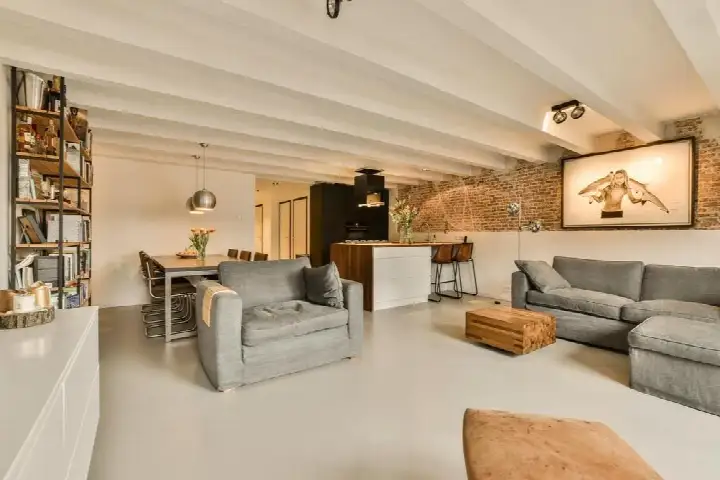
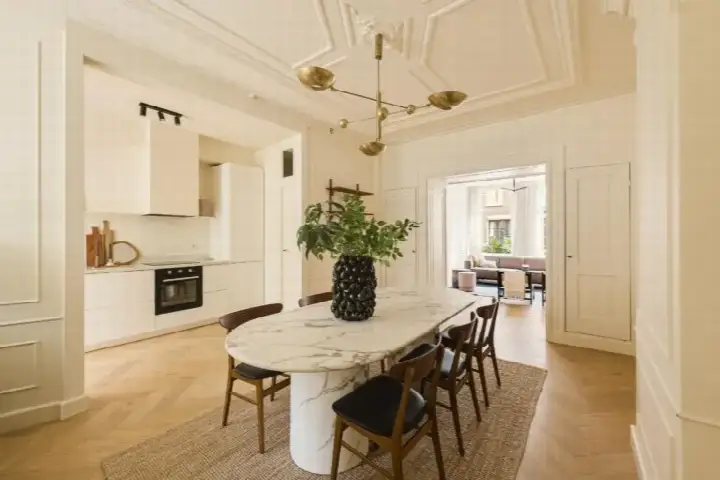
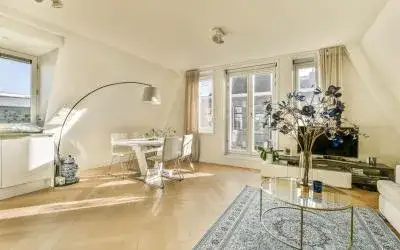
The listing gives a living area of 56 m² according to the BAG registration. The agent does not state a different floor area, so this is the figure to go by. The home is an apartment, and the year of construction is 1905. Beyond that, the listing is thin on detail: no mention of the number of rooms, bedrooms, or bathrooms, and nothing about the garden, balcony, or insulation. What is clear is that this is a compact home in a historic building.
Life in the Haarlemmerbuurt-West
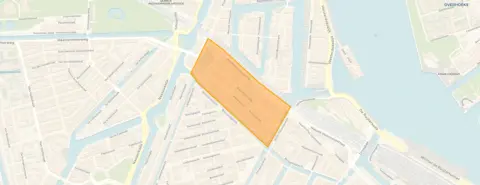
The Haarlemmerbuurt-West is a lively, central part of Amsterdam. Residents of the district give it an average score of 7.03, based on three reviews. One resident says: "everything at hand, it's the centre, centrally located." Another adds: "I find the Haarlemmerbuurt a very pleasant neighbourhood to live in. There is a good atmosphere and there are many amenities. Homeless people and tourists do regularly cause nuisance and the fact that the neighbourhood is unhygienic." The area is densely populated, with 2,410 residents and a very high address density. Most homes here were built before 1945, which fits the 1905 construction of this apartment. For a closer look at what the area offers, see the Haarlemmerbuurt-West neighbourhood.
Amenities and getting around
Daily life here is convenient. The Ekoplaza and an Albert Heijn are just around the corner, with a Jumbo a couple of streets away. For school runs, the Vinse School for secondary education is a five-minute walk, and the Montessori Basisschool de Eilanden is a ten-minute walk. The pharmacy, Service Apotheek Mouw & Kruysse, is on your doorstep, while the nearest GP practice, Medisch Kwartier, is a bit further out. Public transport is well within reach: the Buiten Oranjestraat bus stop is just around the corner with lines 18, 21, 22, and several night buses, and the Haarlemmerplein tram stop is a couple of streets away with line 13 among others. Amsterdam Centraal station is a ten-minute walk. All of this sits within the municipality of Amsterdam. The address does come with some area-level indications worth noting. The noise from road traffic is measured at 54 dB Lden, which is above the noise standard, while railway, aircraft, and industrial noise all stay below their standards. The foundation risk indication is medium, which reflects that the building dates from before 1970. For climate, the indication for pluvial flooding at heavy rain is medium, the current flood risk is low, and heat stress is medium both now and in 2050. These are area-level indications from public data, not an inspection of this specific home.
Source
At the time of writing, the home is offered only via Ouwehand v/d Meijden Makelaars.
This summary was generated with AI and may contain errors. Always verify the details with the provider.
Features
Details of this home
Transfer
Price
Areas and volume
Construction
Frequently asked questions
About Vinkenstraat 81-3+4, Amsterdam
What is the asking price for this apartment?
The asking price is 785,000 euros. The home has a living area of 56 m² according to the BAG registration, which works out to 14,018 euros per m². In the neighbourhood, the average asking price for homes currently for sale is 809,238 euros, with a median of 625,000 euros. The average price per m² in the neighbourhood is 9,410 euros.
What does the listing say about the layout of the home?
The listing is limited on layout details. It states that the home is an apartment with a living area of 56 m² according to the BAG registration. There is also no information about a garden, balcony, or other outdoor space.
Why is there no energy label in this listing?
The agent has not published this field. This means you cannot tell from the listing how energy-efficient the home is. The address itself is complete, so the location and neighbourhood data are accurate, but the energy label is simply missing from the information provided.
What is the WOZ value of this home?
The municipal valuation, which is set on a reference date, is not included in the information provided. As a result, there is no WOZ figure to compare with the asking price of 785,000 euros.
What are the noise levels around this address?
The area-level data shows road traffic noise at 54 dB Lden, which is above the noise standard. Railway noise is 48 dB Lden, aircraft noise is 45 dB Lden, and industrial noise is 45 dB Lden, all of which stay below their respective standards. These are indications at area level from public data, not a measurement taken at the home itself.
What is the foundation risk for this property?
The foundation risk indication for this address is medium. This is based on the fact that the building was constructed before 1970, in 1905. The area-level data also notes that 73% of properties in this postcode area were built before 1970. This is an area-level indication, not an inspection of this specific home.
What are the climate risk indications for this address?
The climate data for this address shows a medium indication for pluvial flooding at heavy rain. The current flood risk is low, and the flood risk for 2050 is also low. Heat stress is indicated as medium both now and in 2050. These are area-level indications from the Klimaateffectatlas, not an assessment of this particular property.
Which supermarkets are near this apartment?
There are several supermarkets within easy reach. The Ekoplaza is just around the corner at about 189 metres, and an Albert Heijn is similarly close at 192 metres. Another Albert Heijn is a couple of streets away at 319 metres, and a Jumbo is at 419 metres. In total, there are 151 supermarkets within five kilometres.
What public transport options are available nearby?
The Buiten Oranjestraat bus stop is just around the corner at 137 metres, serving lines 18, 21, 22, and night buses N81, N82, N83, N84, and N88. The Haarlemmerplein stop, with tram line 13 and several bus lines, is at 334 metres. Amsterdam Centraal train station is about 1.1 kilometres away, a ten-minute walk.
What is the neighbourhood like according to residents?
Residents of the district give it an average score of 7.03, based on three reviews. One resident says: "everything at hand, it's the centre, centrally located." Another describes it as "a very pleasant neighbourhood to live in" with a good atmosphere and many amenities, though they note that homeless people and tourists regularly cause nuisance and that the neighbourhood can be unhygienic. These reviews describe the wider district, not just this specific neighbourhood.
How does the price per m² compare with the neighbourhood average?
The asking price of 785,000 euros for a living area of 56 m² works out to 14,018 euros per m². The average asking price per m² in the neighbourhood is 9,410 euros. The average living area of homes currently for sale in the neighbourhood is 87 m², so this apartment is smaller than the typical home on the market here.