




Jacob van Ruysdaelstraat 75
Kostverloren, Groningen
 Area
AreaA classic end-of-terrace home in Kostverloren
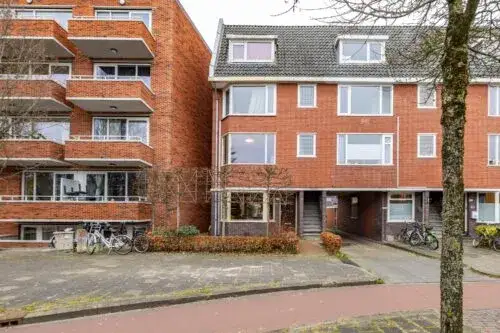
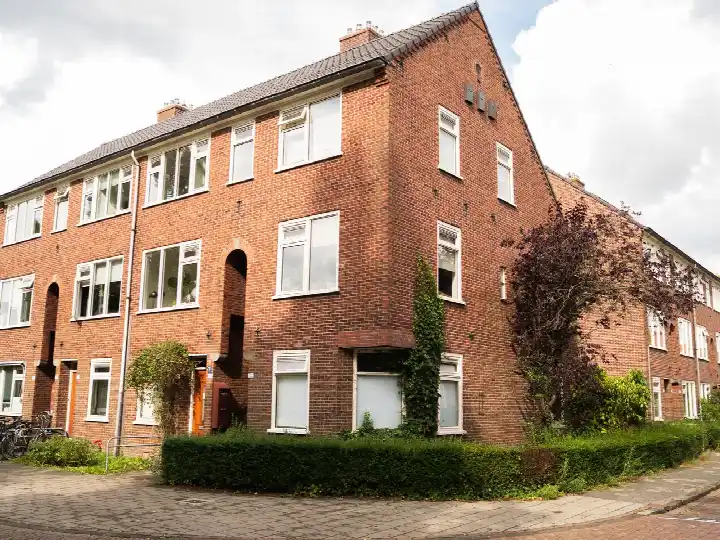
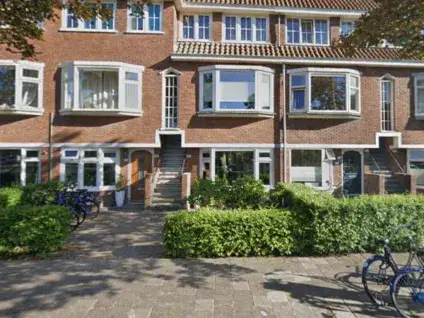
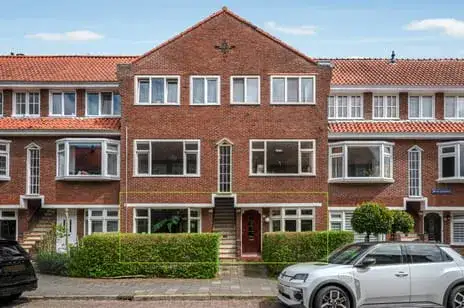
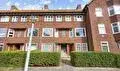
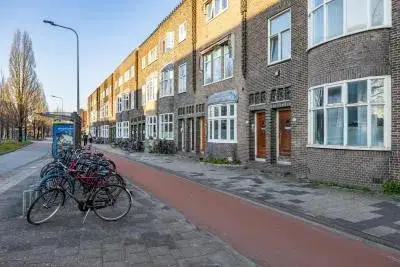
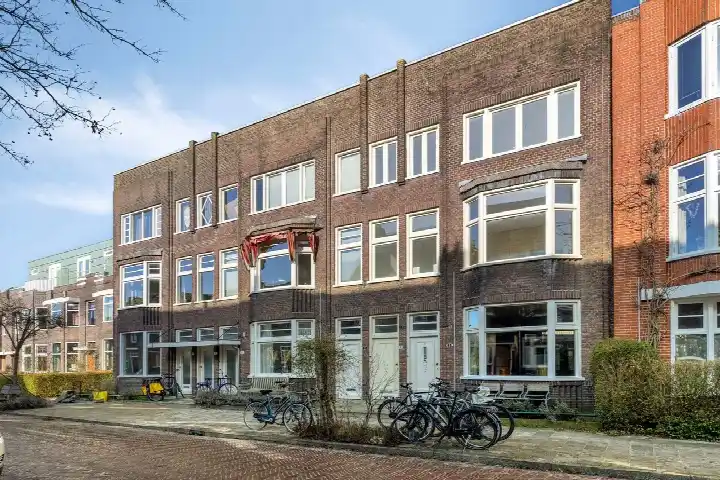
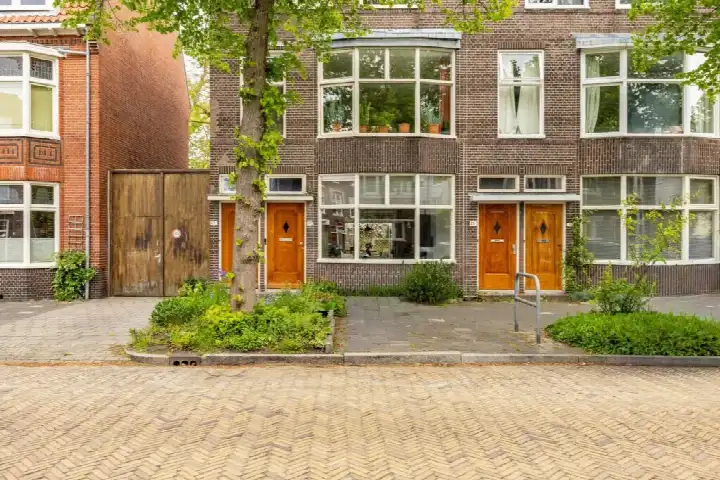
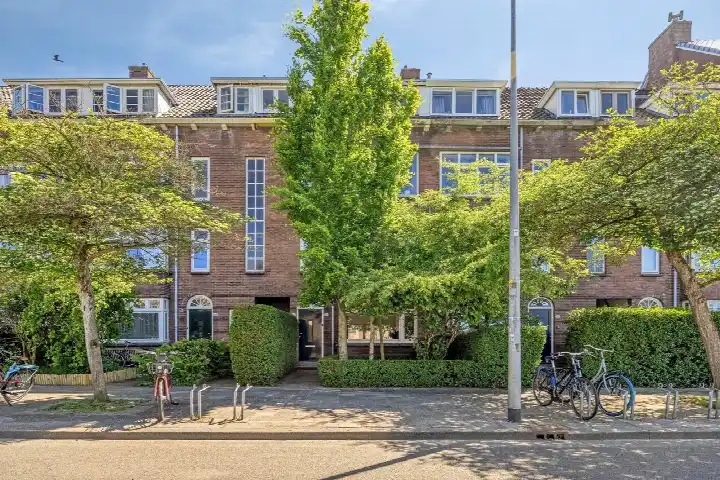
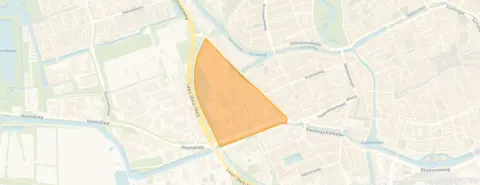
Tucked into the quiet streets of Kostverloren, this 1957 end-of-terrace house sits in a part of Groningen where families, students and older residents mix easily. The neighbourhood feels calm, with a large playground nearby and the city centre just a short bike ride away. At €385,000, the asking price is on the high side compared with the average asking price in the neighbourhood, which comes to €281,077. For context, that average covers all types of homes, while this one is an end-of-terrace house, and the price per square metre here is actually in line with the neighbourhood figure. If you are looking at end-of-terrace houses in Groningen, this one stands out for its size.
The house itself
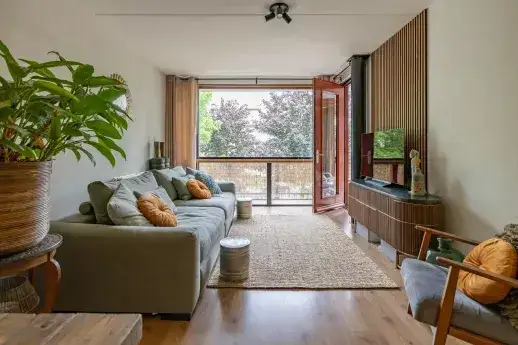
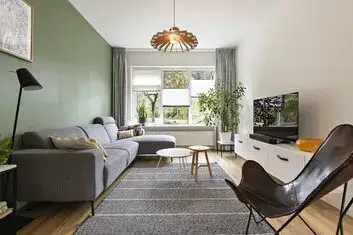
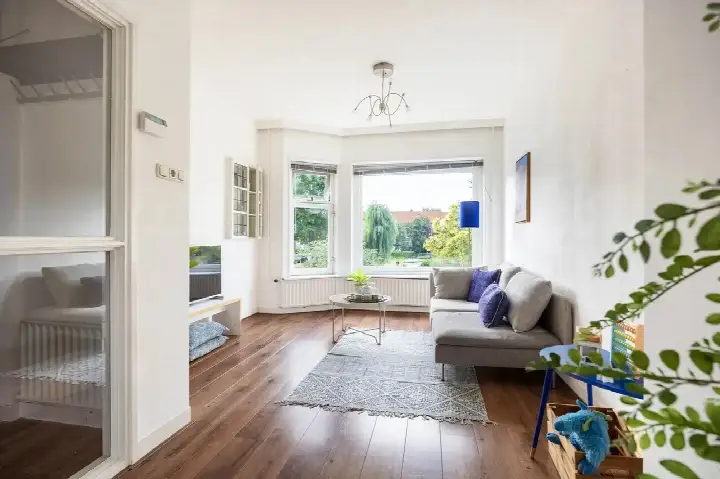
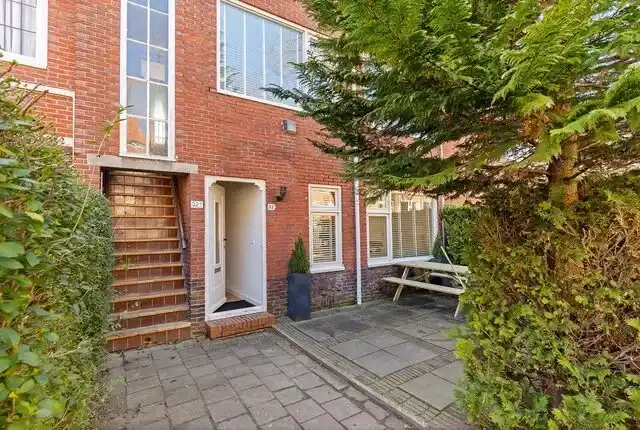
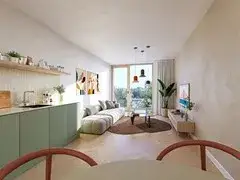
Inside, the house offers four rooms, including three bedrooms and one bathroom, spread over two floors. The living area is listed at 105 m² by the agent, while the BAG registration records 106 m², and the plot measures 250 m² in both. There is a garden at the back of 86 m², facing southeast and accessible via the back alley, plus a front garden and a balcony. The agent notes HR glazing and wall insulation, a central heating boiler, and full ownership. The energy label is C, which means the home sits in the middle of the scale, so heating costs will be moderate rather than minimal.
Life in Kostverloren
Residents give the Kostverloren neighbourhood an average score of 7.4, based on five reviews. One resident describes it as a nice, quiet neighbourhood with many families and people of different ages, adding that a Spar, a cafeteria, a hairdresser, an electronics shop, a bicycle shop, a primary school and after-school childcare are all within a three-minute walk. Another resident says it is pleasant living here, with a mix of students, elderly people and young families, and a nice communal garden, noting that nuisance is rare, countable on one hand per year. A third resident mentions good neighbours and a house of good quality. The neighbourhood counts around 2,365 residents, and most households are single-person, at 68 percent.
Amenities and transport
The daily routine is easy here. The Spar is on your doorstep, with a Jumbo a couple of streets away and a Coop a ten-minute walk further. OJS De Petteflet primary school is right next to the house, and the Erasmusschool is a couple of streets away. The GP practice Gezondheidscentrum Arts en Zorg Hoendiep and the Medsen Apotheek Hoendiep are both just around the corner. For public transport, bus stops at Rembrandt van Rijnstraat and Atoomweg, served by lines 8 and 139, are a couple of streets away, and the J. van Goyenstraat stop with lines 7, 35 and 39 is a five-minute walk. Groningen train station is a ten-minute walk, and the university hospital is a bit further out. All of this sits within the municipality of Groningen.
WOZ and address data
The WOZ value for this home is not stated in the available data, so no comparison with the asking price is possible here. As for the address, the area-level indications show road traffic noise at 57 dB Lden, which is above the noise standard, while railway noise at 49 dB and aircraft noise at 17 dB both stay below their standards. The foundation risk indication is elevated, based on the 1957 construction on clay soil, with the Klimaateffectatlas noting that 2 percent of properties in this postcode area have an elevated risk of pile rot. These are area-level indications from public data, not an inspection of this specific home. For climate, pluvial flooding at heavy rain is rated medium, while flood risk is low now and in 2050, and heat stress is low now but medium by 2050.
Source
At the time of writing, the home is offered via multiple channels, including Hornhuis makelaardij on Funda. The listing has been live since 18 September 2026.
This summary was generated with AI and may contain errors. Always verify the details with the provider.
Features
Details of this home
Transfer
Price
Energy
 Save up to € 400 on your energy billCompare now
Areas and volume
 Insure your home and belongingsGet insured
Layout
Construction
Outdoor space
The WOZ value is set annually by the municipality with 1 January as its reference date, and therefore lags the market by about a year. It is an estimated market value, not a sale price.
Frequently asked questions
About Jacob van Ruysdaelstraat 75, Groningen
How does the asking price compare with other homes in Kostverloren?
The asking price of €385,000 is 37 percent above the neighbourhood average asking price of €281,077. That average covers all property types, though, and this is an end-of-terrace house with a living area of 105 m², which is 33 percent larger than the neighbourhood average of 79 m². The price per square metre of €3,667 is actually 1 percent below the neighbourhood average of €3,697 per m².
What is the layout of this end-of-terrace house?
The house has four rooms in total, including three bedrooms and one bathroom, spread over two floors. The living area is 105 m² according to the agent, while the BAG registration records 106 m². The plot measures 250 m². There is a back garden of 86 m² facing southeast, accessible via the back alley, plus a front garden and a balcony. The agent also notes HR glazing, wall insulation and a central heating boiler.
What is the energy label and what does it mean for costs?
The energy label is C, which sits in the middle of the scale. That means you can expect moderate energy costs, not the lowest possible bills but also not the highest. The agent notes HR glazing and wall insulation, which help keep the home warmer in winter. There is no indication of solar panels or a heat pump in the listing.
What is the WOZ value of this property?
The WOZ value is not stated in the available data for this home. The WOZ is the municipal valuation used for property tax purposes, and it is set on a reference date each year. Without that figure, it is not possible to compare the asking price of €385,000 with the official valuation. The listing does not provide this information.
What are the noise levels around this address?
The area-level data shows road traffic noise at 57 dB Lden, which is above the noise standard. Railway noise is 49 dB Lden, below the standard, and aircraft noise is 17 dB Lden, also below the standard. These figures come from public data at the address level and are indications for the area, not a measurement taken at this specific home.
What is the foundation risk for this house?
The foundation risk indication is elevated, based on the house being built in 1957 on clay soil. The Klimaateffectatlas notes that 2 percent of properties in this postcode area have an elevated risk of pile rot, and 86 percent of buildings in the area were constructed before 1970. This is an area-level indication from public data, not an inspection of this specific home.
What shops and schools are nearby?
The Spar is on your doorstep at 100 metres, with a Jumbo at 546 metres and a Coop at 907 metres. OJS De Petteflet primary school is just 35 metres away, and the Erasmusschool is at 363 metres. For secondary education, CSG Augustinus is at 568 metres and the Willem Lodewijk Gymnasium at 866 metres. The GP practice and pharmacy are both around 450 metres away.
How is the public transport in this area?
Bus stops are close by: Groningen, Rembrandt van Rijnstraat at 279 metres and Groningen, Atoomweg at 298 metres, both served by lines 8 and 139. The J. van Goyenstraat stop at 355 metres has lines 7, 35 and 39. Groningen train station is at 1.5 kilometres, about a ten-minute walk. The university hospital is at 2.4 kilometres.
What do residents say about living in Kostverloren?
Residents give the neighbourhood an average score of 7.4 out of 10, based on five reviews. One resident describes it as a nice, quiet neighbourhood with many families and people of different ages, with shops and a primary school within a three-minute walk. Another says it is pleasant living here with a mix of students, elderly people and young families, and a nice communal garden, with nuisance rare enough to count on one hand per year.
What is the neighbourhood like in terms of demographics?
Kostverloren has around 2,365 residents. Most households are single-person, at 68 percent, while 11 percent are households with children and 20 percent are households without children. The age spread shows 38 percent aged 25 to 45, 25 percent aged 15 to 25, and 17 percent aged 45 to 65. The neighbourhood is very strongly urban, with an address density of 4,033 per square kilometre.