Homes for sale in Province of Utrecht
View the current supply of homes for sale in Utrecht. Compare prices, neighbourhood scores and resident reviews per municipality and find the neighbourhood that suits you.
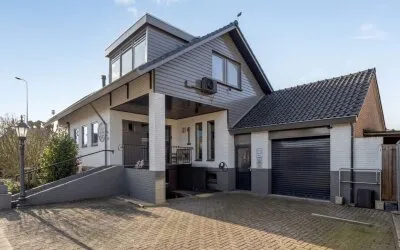
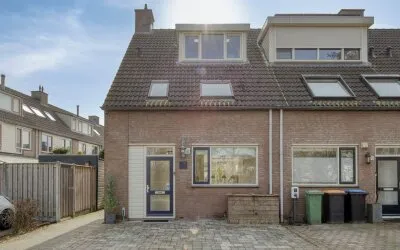

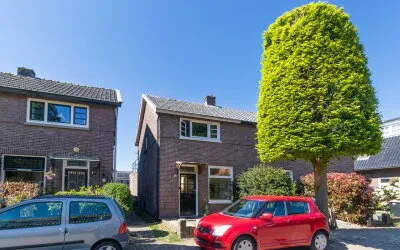
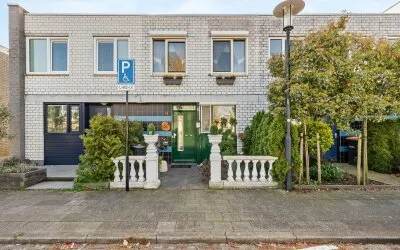

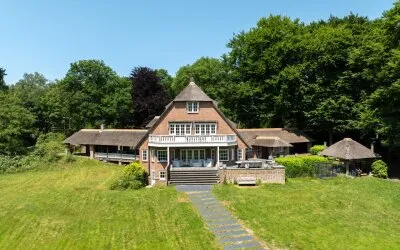
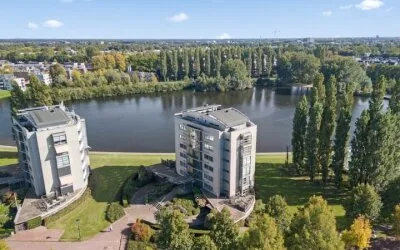
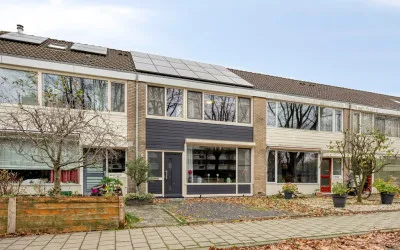
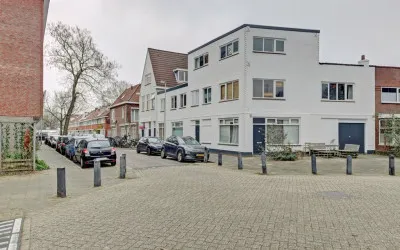
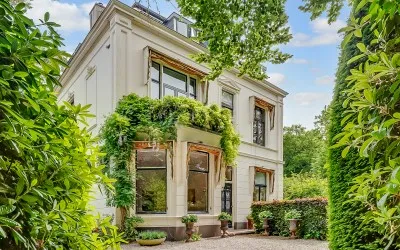
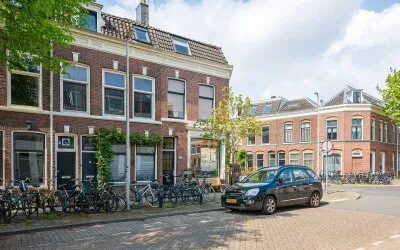
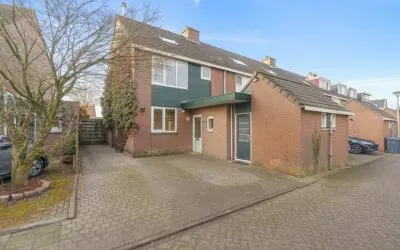
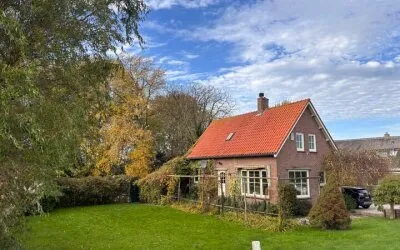
Buying a house in Utrecht: what will it cost in 2026?
The province of Utrecht is the smallest province in the Netherlands, but in terms of the housing market it is one of the most dynamic. With over 1.4 million residents and a housing stock of around 608,000 homes, pressure on the market is high. Approximately 58% of homes are owner-occupied, the remaining 42% are rental. The average purchase price over the past year was €614,930, with a huge range from around €102,000 to over €5.6 million. That spread says a lot: there is a world of difference between a starter apartment in Nieuwegein and a detached villa on the Utrechtse Heuvelrug. The average WOZ value in the province is €448,061, well above the national average.
These high prices are no accident. Utrecht benefits from a central location in the Netherlands, a strong economy with employers such as Utrecht University, UMC Utrecht, Rabobank and numerous tech companies around Utrecht Science Park. Almost every municipality has a station or good bus connections, and the A2, A12, A27 and A28 motorways intersect here. This makes the province attractive for commuters to Amsterdam, The Hague and Eindhoven, keeping demand for owner-occupied homes in Utrecht high.
From the Domstad to the Groene Hart: where do you buy what?
The province of Utrecht is compact but surprisingly diverse. You have urban living in the Domstad, space and greenery in the east, and village living in the Groene Hart. Below is an honest overview of the most important municipalities for buyers.
Utrecht, the vibrant core
The city of Utrecht is the beating heart of the province. With 374,000 residents and a lively city centre, the municipality mainly attracts young professionals and dual-income couples. Expect the highest square metre prices in the region here: buying an apartment in Utrecht city is a significant investment. Residents give the city a 7.4 on Buurtje.nl (115 reviews). That is not a top score, and rightly so: residents regularly mention the crowds, parking problems and noise pollution as downsides. At the same time, they appreciate the cultural offerings, hospitality and cycling infrastructure. If you love city life and are willing to accept a smaller living space, the Domstad is a logical choice.
Amersfoort, the popular alternative
Amersfoort has grown into one of the most popular places to live in the Netherlands in recent years. The historic city centre, good schools and the direct train connection to both Utrecht and Amsterdam make it popular with families and home-movers. With a neighbourhood score of 7.9 (71 reviews), residents rate the city higher than Utrecht city. Purchase prices are slightly below the provincial average, but are rising steadily. Family homes in neighbourhoods such as Vathorst and Nieuwland are in demand. If you are looking for a more spacious home than is possible in Utrecht city, you often get more for your money in Amersfoort.
Zeist, green and sought-after
Zeist is nestled between the forests of the Utrechtse Heuvelrug and the city of Utrecht. The municipality scores an 8.3 from residents (15 reviews) and this is reflected in the streetscape: lots of greenery, spacious plots and a village character with good amenities. Purchase prices here are above the provincial average, especially for detached homes and semi-detached houses. Zeist mainly attracts home-movers and families seeking peace and quiet but not too far from the city. Driebergen-Zeist station offers a fast connection to Utrecht Centraal.
Veenendaal, affordable and well-regarded
On the eastern side of the province lies Veenendaal, a municipality that scores remarkably well with an 8.0 from residents (32 reviews). One resident describes it as "a nice place where you have everything you need, without the hustle and bustle of the big city." Purchase prices here are noticeably lower than in Utrecht city or Zeist, making Veenendaal interesting for first-time buyers and young families. The downside: the train connection is less frequent and you are further from the Randstad.
Further south and west you will find municipalities with very distinct characters. Woerden (neighbourhood score 8.0, 19 reviews) lies on the edge of the Groene Hart and offers a cosy city centre with a cheese market, plus a direct train line to Utrecht and The Hague. Houten (7.8, 18 reviews) is known as a cycling municipality and is popular with families due to its safe, car-free neighbourhood layout. Vijfheerenlanden scores the highest of all municipalities in the province with an 8.5 (9 reviews), although the number of reviews is still limited. Here you will find villages such as Leerdam and Vianen, where purchase prices are clearly below the provincial average.
For those seeking real peace and quiet: the Utrechtse Heuvelrug (8.2, 28 reviews) offers forest, heathland and villages such as Driebergen, Doorn and Amerongen. Homes here are on average more spacious and more expensive. Soest and De Ronde Venen are less well-known, but offer good living quality for those who do not necessarily need to live in a big name. Nieuwegein (7.1, 18 reviews) and Stichtse Vecht (7.1, 14 reviews) score somewhat lower with residents. Nieuwegein is a typical growth centre from the 1970s and 1980s, with affordable apartments but less charm. Stichtse Vecht, with places such as Maarssen and Breukelen, offers a mix of village living and Vinex neighbourhoods along the Vecht.
What should you look out for when buying a home in Utrecht?
To be honest: buying a house in the province of Utrecht is not cheap. With an average purchase price of almost €615,000, as a first-time buyer without existing equity you need a substantial mortgage, especially given the average disposable income of around €41,400. Overbidding is still common in many municipalities, especially for family homes in popular places. Keep that in mind when budgeting.
In addition to the purchase price, there are additional costs: think of transfer tax (2% for your own home, 10.4% for investors), notary fees, valuation costs and possibly a structural survey. For first-time buyers under 35, an exemption from transfer tax applies under certain conditions for homes up to €510,000 (2026). This can make all the difference in cheaper municipalities such as Veenendaal or Vijfheerenlanden. Families looking for more space would do well to also look outside the city of Utrecht. Municipalities such as Houten, Woerden and Amersfoort often offer more living space for the same money. If you are flexible in your housing type, you can also look at rental homes in Utrecht as an intermediate step. The website of the province of Utrecht also provides information about new-build plans and housing programmes that should generate additional supply in the coming years.
Searching for an owner-occupied home in the province of Utrecht
On this page you will see the current supply of homes for sale across the entire province, from starter apartments to detached country houses. Buurtje.nl combines housing supply with neighbourhood scores and resident reviews, so you not only see what a home costs, but also what it is really like to live there. Filter by municipality, price or property type and read what current residents think of their neighbourhood. View the provincial overview page for all reviews and neighbourhood data in one place.
Frequently asked questions
What does a home cost in the province of Utrecht?
The average purchase price in the province of Utrecht was €614,930 last year. Prices vary widely: from around €102,000 for a small apartment to over €5.6 million for the most expensive homes. The average living area is 130 m².
Which municipalities in Utrecht are the most popular to buy a home?
Vijfheerenlanden scores the highest with an 8.5 from residents, followed by Zeist (8.3) and Utrechtse Heuvelrug (8.2). Veenendaal and Woerden both score an 8.0. Utrecht city scores a 7.4, which is lower due to the hustle and bustle and parking issues.
What is the average WOZ value in the province of Utrecht?
The average WOZ value in the province of Utrecht is €448,061. That is well above the national average. In the city of Utrecht and on the Utrechtse Heuvelrug, WOZ values are generally higher, while municipalities such as Vijfheerenlanden and Veenendaal come out lower.
Is the province of Utrecht a good place to buy a home?
The province offers a strong economy, central location and good accessibility by train and car. Residents give the province an average of 7.7 out of 10 (436 reviews). The downside is the high price level and competition on the housing market, which often leads to overbidding.
Where can I buy a home cheapest in Utrecht?
Municipalities such as Vijfheerenlanden (with places like Leerdam and Vianen), Veenendaal and Nieuwegein generally have lower purchase prices than Utrecht city, Zeist or the Utrechtse Heuvelrug. First-time buyers are more likely to find an affordable home there.
What are the additional costs when buying a home in Utrecht?
In addition to the purchase price, you pay transfer tax (2% for owner-occupation), notary costs, valuation costs and possibly a structural survey. First-time buyers under 35 are exempt from transfer tax under certain conditions for homes up to €510,000. Expect around 4-6% extra costs on top of the purchase price.
Can I buy an apartment in the province of Utrecht?
Yes, especially in Utrecht city, Amersfoort and Nieuwegein the supply of apartments is large. In Utrecht city, apartments even make up the largest part of the purchase supply. Prices for apartments are lower than for single-family homes, but the square metre prices are actually higher in the city.
How is the accessibility of the province of Utrecht?
Utrecht is the hub of the Dutch rail network. Almost every municipality has a train station and via Utrecht Centraal you can travel quickly to Amsterdam, The Hague, Rotterdam and Eindhoven. The A2, A12, A27 and A28 motorways intersect in the province, although that also means regular traffic jams during rush hour.
The neighborhood is considered safe, has an active and engaged community, and is well maintained. Neighborhood relations are good. Residents have access to quality housing, reputable schools, and attractive green spaces such as Wilhelminapark, Oosterspoorbaan and Minstroom. The centre is within reach, and Oost offers a nice number of shops.
Auto-translated to English by AIthere is a lot of green in my neighbourhood, but there are also many old people
Auto-translated to English by AIBetter stay away, then you don't have to witness or experience the dull misery. Nobody misses anything!
Auto-translated to English by AII don't feel like filling this in
Auto-translated to English by AIFantastic!!!
Auto-translated to English by AICosy, student-like, park on the doorstep, where people sit when the weather is nice. Pub in the neighbourhood, shopping centre within walking distance and Kanaalstraat nearby.
Auto-translated to English by AILiving in this neighbourhood is a wonderful experience. It's clean, safe, and there are many child-friendly parks where you always see happy children playing. What makes it truly special is the strong sense of community. The neighbours are warm and friendly, I know everyone on my street and there's always a smile or a greeting. When I'm working in my front garden, people often stop to say hello and have a chat. It's a place where you truly feel connected and at home.
Auto-translated to English by AILunetten zuid is a fairly extensive area, but there are common characteristics: There is little traffic on the streets, even the ring road is relatively quiet. Many houses are situated around a shared green space with some play facilities. This quickly creates a bond with the neighbours. Because Lunetten is separated from the city by a park and forts, which are part of the UNESCO heritage, it has some village-like features. If you value your privacy and don't like contact, then Leidsche rijn is more likely a place where you'll feel at home. Lunetten is not a place of high fences, but rather has a scent of granola with a hint of wokeness. If you feel at home with that, you are very welcome, but if you are not willing to do something for the neighbourhood or your neighbours, there are plenty of other places where you will feel at home.
Auto-translated to English by AI