Frederik Hendrikstraat 123-2
Frederik Hendrikbuurt-Zuidoost, Amsterdam
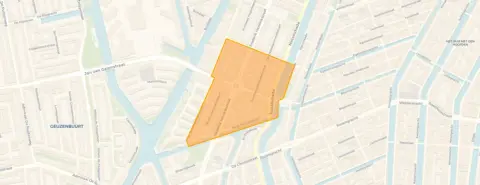 Area
AreaA classic Amsterdam apartment
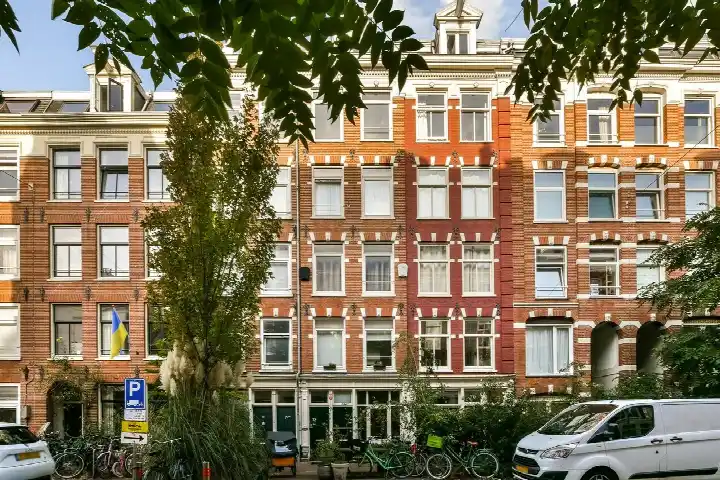
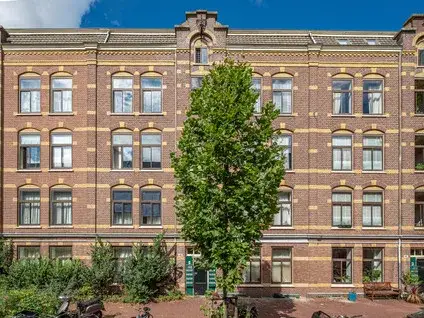
This apartment on Frederik Hendrikstraat 123-2 sits in the Frederik Hendrikbuurt-Zuidoost, a lively part of Amsterdam. Built in 1895, it's a piece of the city's historic housing stock. The asking price of €375,000 is 31% below the average asking price of €545,914 for apartments in Amsterdam, so it's on the sharp side. This listing does not state the energy label, so you'll have to factor that in yourself.
The home itself
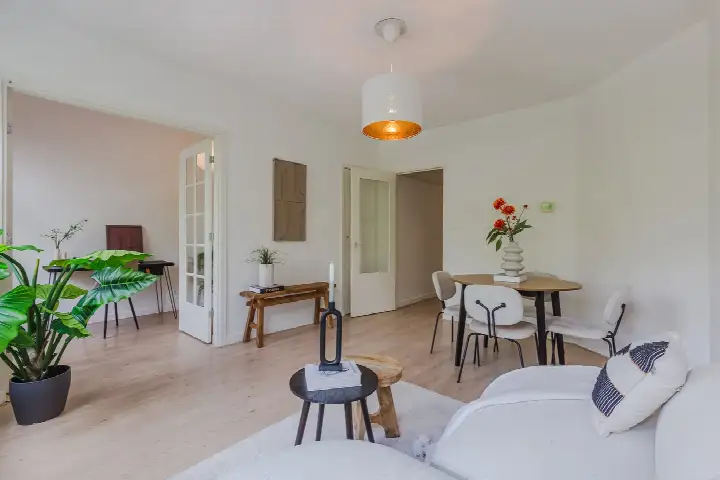
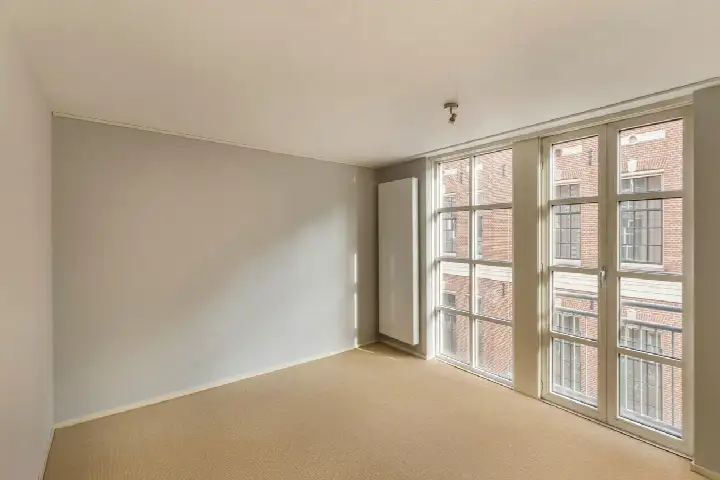
According to the BAG registration, the living area is 45 m². The agent hasn't provided details on the layout, number of rooms, or any outdoor space. The home dates from 1895, a fact that speaks for itself. Without further information, it's hard to say more about the interior.
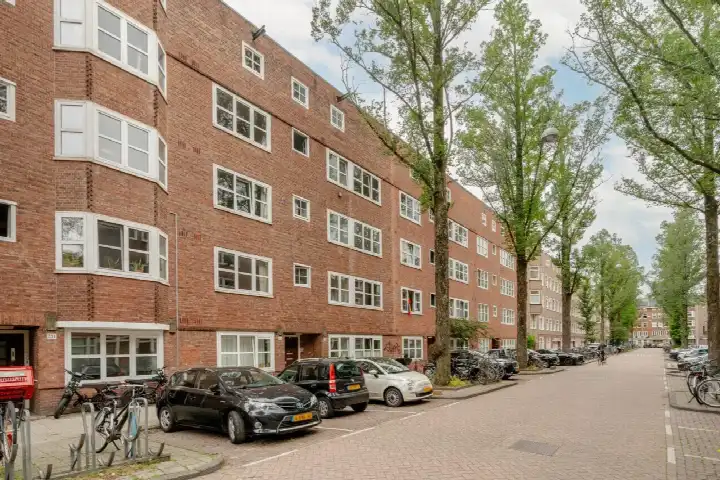
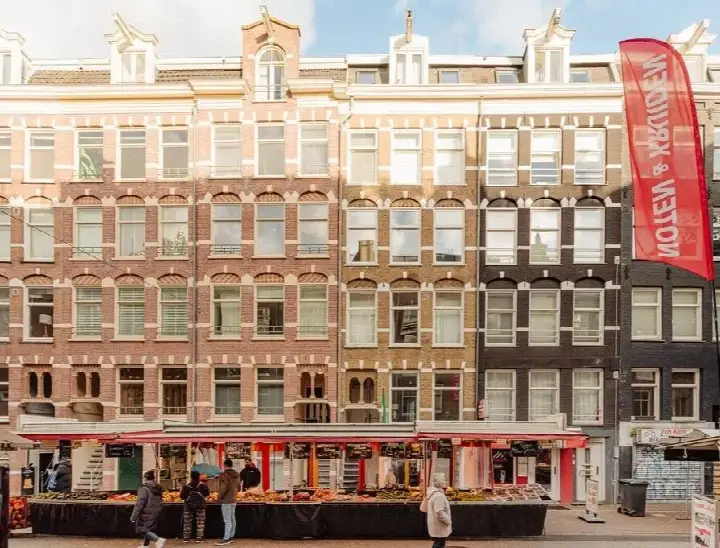
Life in the Frederik Hendrikbuurt-Zuidoost
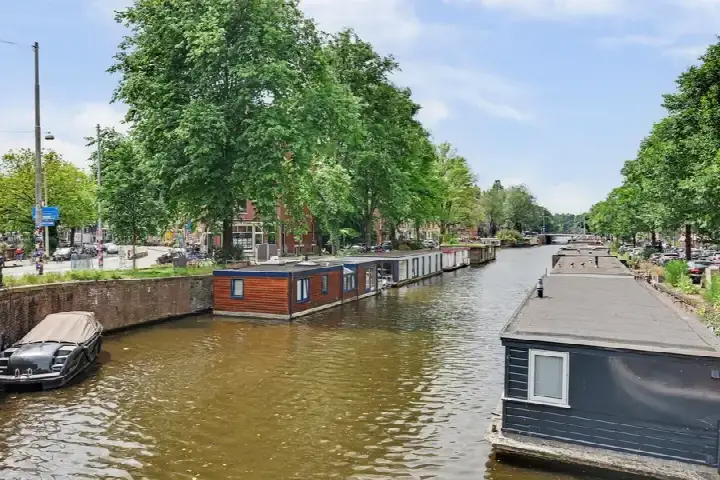
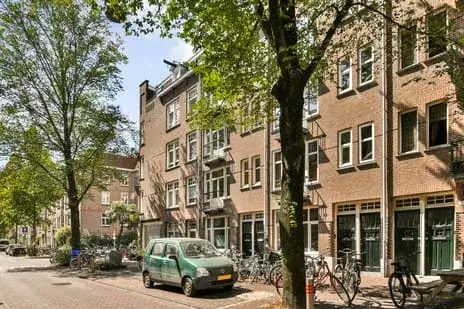
This is a neighbourhood with a mix of characters. Residents of the district give it an average score of 7.32, based on four reviews. One resident says: "Just that everyone is friendly and happy to help." Another notes: "Well, never experienced anything strange, almost everyone is friendly and it is also child-friendly." A third resident, however, mentions "junkies and alcoholics" in the small houses, which shows the area has its challenges. The neighbourhood has about 3,200 residents, many of them young adults. For more on the area, see the Frederik Hendrikbuurt-Zuidoost neighbourhood.
Amenities and transport
Daily life is convenient here. The Albert Heijn is on your doorstep, and the Dirk is just around the corner. Basisschool Dr. Rijk Kramer is also on your doorstep, and Daltonschool De Waterkant is a couple of streets away. The nearest GP, Huisartsenpraktijk de Admiraal, is a ten-minute walk, while the BENU Apotheek Nassau is just around the corner. For public transport, the Hugo de Grootplein tram stop with line 12 is on your doorstep, and bus stops with lines 80, N80, 18, and N82 are just around the corner. Amsterdam Centraal station is a ten-minute walk. All this is part of the municipality of Amsterdam.
WOZ and address data
There is no WOZ value available for this home, so we can't compare it with the asking price. As for the area, the noise level from road traffic is 61 dB Lden, which is above the norm, while rail and air traffic are below. The foundation risk indication is medium, as the building predates 1970. Pluvial flooding risk is medium, and heat stress is currently medium, rising to elevated by 2050. These are area-level indications, not an inspection of this specific home.
Source
At the time of writing, the home is offered only via Thoma Post Makelaars.
This summary was generated with AI and may contain errors. Always verify the details with the provider.
Features
Details of this home
Transfer
Price

Areas and volume
 Insure your home and belongingsGet insured
Layout
Construction
Location
The WOZ value is set annually by the municipality with 1 January as its reference date, and therefore lags the market by about a year. It is an estimated market value, not a sale price.
Frequently asked questions
About Frederik Hendrikstraat 123-2, Amsterdam
How does the asking price compare to other apartments in the neighbourhood?
The asking price of €375,000 is 31% below the average asking price of €545,914 for apartments in the Frederik Hendrikbuurt-Zuidoost. The median asking price in the neighbourhood is €525,000, and prices range from €360,000 to €1,080,000. So this home is priced well below the typical asking price in the area.
What is the living area of this apartment?
According to the BAG registration, the living area is 45 m². The agent has not provided any additional details about the layout, such as the number of rooms or bedrooms. The home was built in 1895, which is typical for this part of Amsterdam.
Why is there no WOZ value mentioned?
This is a municipal valuation that is not always included in property listings. Without it, we cannot compare the asking price to the official valuation or comment on its development over the years.
What is the foundation risk for this home?
The foundation risk indication for this address is medium. This is based on the fact that the building was constructed before 1970, specifically in 1895. The KCAF attention area indicates that 100% of the properties in this postcode area were built before 1970. This is an area-level indication, not an inspection of this specific home.
What public transport options are available nearby?
The Hugo de Grootplein tram stop with line 12 is on your doorstep. Bus stops with lines 80, N80, 18, and N82 are just around the corner. Amsterdam Centraal station is about 2 km away, which is a ten-minute walk. This makes it easy to get around the city.
What is the neighbourhood like according to residents?
Residents of the district give it an average score of 7.32, based on four reviews. One resident says: "Just that everyone is friendly and happy to help." Another notes: "Well, never experienced anything strange, almost everyone is friendly and it is also child-friendly." However, a third resident mentions "junkies and alcoholics" in the small houses, so experiences vary.
Are there supermarkets within walking distance?
Yes, the Albert Heijn is just 114 metres away, and the Dirk is 150 metres away. There are also other options like another Albert Heijn at 351 metres and a Vomar at 674 metres. So you have several choices for your daily groceries.
What schools are near this apartment?
Basisschool Dr. Rijk Kramer is just 95 metres away, and Daltonschool De Waterkant is 383 metres away. For secondary education, Marcanti College is 462 metres away and Het Cartesius Lyceum is 536 metres away. So there are several schools within walking distance.
What is the noise level like in this area?
The road traffic noise is 61 dB Lden, which is above the norm. Rail traffic noise is 36 dB Lden, and air traffic noise is 46 dB Lden, both below the norm. These are area-level indications, not measurements at this specific home.
What is the climate risk for this location?
The pluvial flooding risk is medium, meaning there is a moderate chance of flooding from heavy rain. The flood risk from rivers or the sea is low, both now and in 2050. Heat stress is currently medium, but is expected to become elevated by 2050. These are area-level indications.