Industrieweg 69
Biezen, Nijmegen
 Area
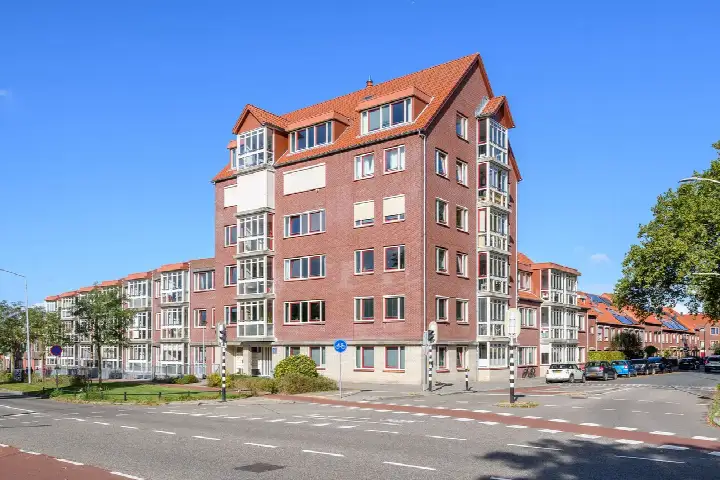
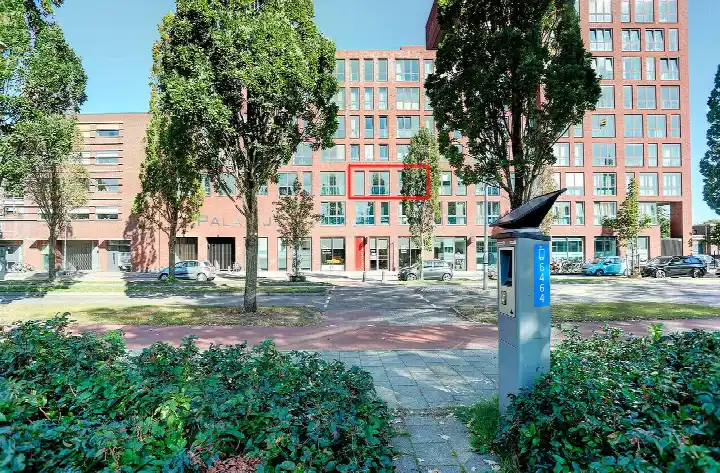
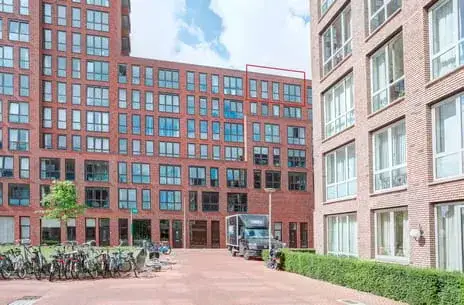
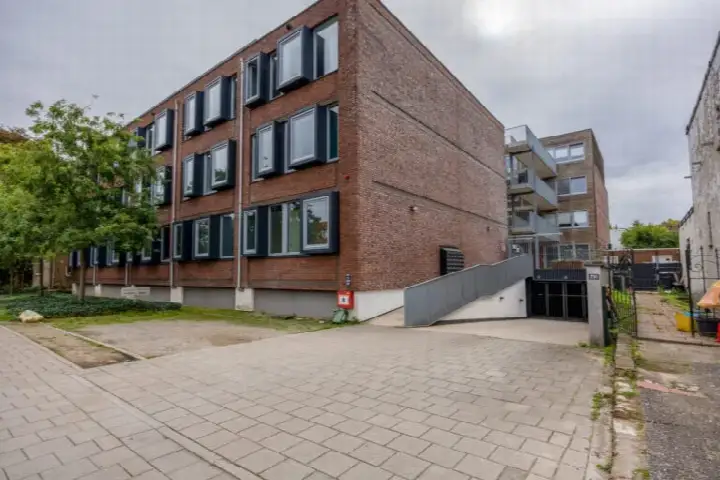
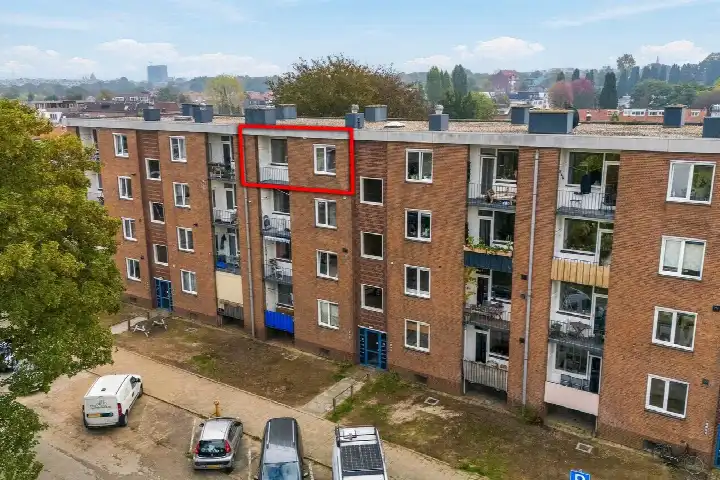
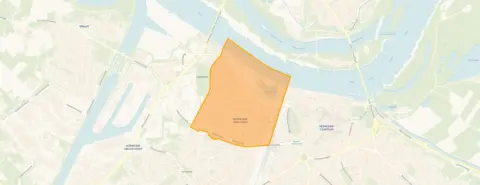
AreaA 1952 apartment on the edge of the Biezen
This apartment on Industrieweg sits in the Biezen, a neighbourhood where the average asking price for homes currently on the market is €615,312. At €385,000, the asking price is 37% below that neighbourhood average, which the data marks as keen. The living area is 73 m² according to the BAG registration, and the price per m² works out to €5,274. For context, the neighbourhood average asking price per m² is €5,724. This is one of the [apartments in Nijmegen]( /koopwoningen/nijmegen/appartementen/) currently for sale.
The home itself
Built in 1952, this apartment carries an energy label E. The listing does not provide further details about the layout, number of rooms, or any outdoor space. The home is offered at €385,000, which is 37% below the neighbourhood average asking price of €615,312. The living area of 73 m² is 42% smaller than the neighbourhood average of 126 m².
The Biezen neighbourhood
Residents give [the Biezen neighbourhood]( /buurt/biezen-nijmegen/) an average score of 7.78, based on six reviews. One resident says: "I think it's a lovely neighbourhood to live in. I feel very safe." Another describes it as "a cosy neighbourhood. Not far from the centre. It has a mixed community. Various cosy eateries in the area. And of course a good school." A third resident is less positive, calling it "not a good neighbourhood." The neighbourhood has around 9,845 inhabitants, with a high share of single-person households at 58%.
Amenities and transport
Daily errands are well covered here. The Jumbo supermarket is just around the corner, with Albert Heijn and Aldi a couple of streets away. Kindcentrum Aquamarijn primary school is a five-minute walk, and the Stedelijk Gymnasium Nijmegen is a ten-minute walk. The GP practice Medisch Centrum Oud-West and the BENU Apotheek Oud-West are both just around the corner. Bus stop Nijmegen, Vlietstraat is on your doorstep with lines 85, 221, 400, 411, 485 and 814. Nijmegen train station is a ten-minute walk. This all sits within [the municipality of Nijmegen]( /gemeente/nijmegen/).
WOZ and address data
The WOZ value is not stated in the available data. According to public risk data at address level, the road traffic noise load is 60 dB Lden, which is above the noise standard, while railway noise is 33 dB Lden, below the standard. The foundation risk indication is low, based on the area-level KCAF data. For climate, the pluvial flooding risk is medium, the current flood risk is medium, and the flood risk for 2050 is also medium. Heat stress is currently low but is expected to be medium by 2050. These are area-level indications, not an inspection of this specific home.
Source
At the time of writing the home is offered only via Kolmeijer Makelaars.
This summary was generated with AI and may contain errors. Always verify the details with the provider.
Features
Details of this home
Transfer
Price
Energy
 Save up to € 400 on your energy billCompare now
Areas and volume
 Insure your home and belongingsGet insured
Layout
Construction
Outdoor space
The WOZ value is set annually by the municipality with 1 January as its reference date, and therefore lags the market by about a year. It is an estimated market value, not a sale price.
Frequently asked questions
About Industrieweg 69, Nijmegen
What is the asking price for this apartment?
The asking price is €385,000. This is 37% below the neighbourhood average asking price of €615,312, which the data marks as keen. The price per m² is €5,274 based on the BAG living area of 73 m², compared to the neighbourhood average of €5,724 per m².
What is the energy label and what does it mean?
The apartment has energy label E. This is a less efficient label, so expect higher energy costs compared to homes with better labels. In the neighbourhood, most of the current sales listings score better, with 33.3% having an A+ label and 30% having an A label. Only 6.7% of listings have a label D or lower.
What is the WOZ value of this property?
The WOZ value is not stated in the available data. The WOZ value is the municipal valuation used for tax purposes, and it is not included in this listing.
What is the foundation risk for this home?
The foundation risk indication is low, according to area-level data from KCAF. The home was built in 1952, and 40% of properties in this postcode area were built before 1970. This is an area-level indication based on public data, not an inspection of this specific property.
What are the flood risks for this area?
The pluvial flooding risk is medium, meaning there is a moderate chance of flooding from heavy rainfall. The current flood risk is also medium, and this is expected to remain medium by 2050. Heat stress is currently low but is expected to become medium by 2050. These are area-level indications from the Klimaateffectatlas.
How noisy is the location?
The road traffic noise load is 60 dB Lden, which is above the noise standard. Railway noise is 33 dB Lden, which is below the standard. These figures come from public data for the address and are area-level indications, not measurements taken at the property itself.
What amenities are nearby?
The Jumbo supermarket is 412 metres away, with Albert Heijn and Aldi at 583 metres. Kindcentrum Aquamarijn primary school is 535 metres away, and the Stedelijk Gymnasium Nijmegen is 1.3 km away. The GP practice and pharmacy are both 278 metres from the home.
How is the public transport connection?
Bus stop Nijmegen, Vlietstraat is 109 metres away with lines 85, 221, 400, 411, 485 and 814. Nijmegen train station is 1.1 km away, about a ten-minute walk. Several other bus stops are within 500 metres.
What do residents say about the Biezen neighbourhood?
Residents give the neighbourhood an average score of 7.78 based on six reviews. One resident says it is a lovely neighbourhood where they feel very safe. Another describes it as cosy with a mixed community and various eateries. A third resident is less positive, rating it 6.38 and calling it "not a good neighbourhood."
Why are there no property details in this listing?
The listing does not state the number of rooms, bedrooms, bathrooms, or any details about the garden, balcony, or insulation. The only property details given are the year of construction (1952), the energy label (E), and the living area of 73 m² according to the BAG registration.