




Onsenoort 52
Buitenveldert-Zuidoost, Amsterdam
 Area
AreaA quiet spot in Buitenveldert-Zuidoost
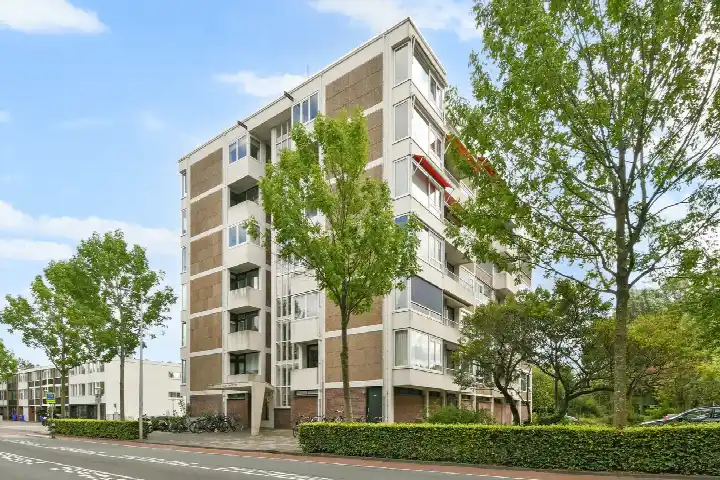
On Onsenoort 52 in Amsterdam, this apartment sits in the Buitenveldert-Zuidoost neighbourhood, part of the Buitenveldert-Oost district. The home was built in 1968 and has an energy label C. At €475,000, the asking price sits 51% below the neighbourhood average asking price of €966,393, which puts it on the sharp side compared with other apartments in Amsterdam.
The apartment itself
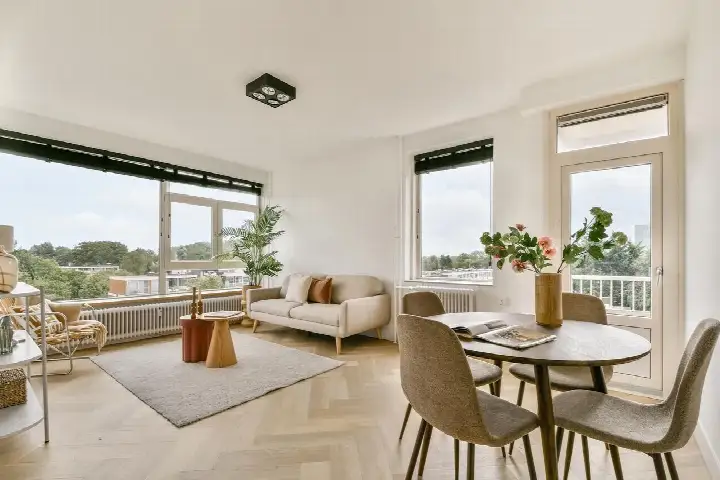
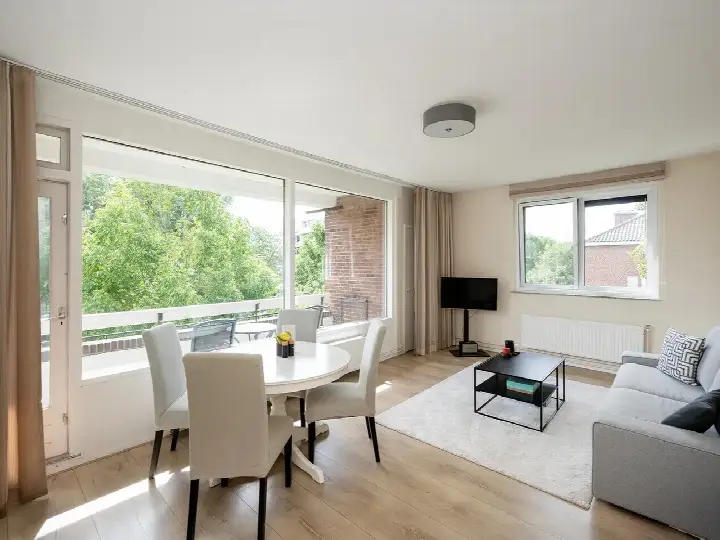
This three-room apartment has two bedrooms and one bathroom, spread over a single floor on the third storey. The agent lists the living area at 80 m², while the BAG registration records 78 m². According to the agent, the home has double glazing and a central heating boiler, and it comes with an unobstructed view. The volume is 254 m³.
Life in Buitenveldert-Zuidoost
Residents across the municipality of Amsterdam give their living environment an average score of 7.35, based on 252 reviews. One resident describes a very pleasant, quiet neighbourhood with lots of green and wonderful trees that offer cooling and relaxation, though they also mention daily mess around the waste containers. Another resident calls it quiet, peaceful, relaxed, green, social and a nice mix of people. The neighbourhood has around 3,980 inhabitants, and about 60% of households are single-person. This paints a picture of the Buitenveldert-Zuidoost neighbourhood as a calm, green part of the city.
Amenities and transport
The Jumbo supermarket is on your doorstep, with an AH XL a couple of streets away. The Buitenveldertse Montessorischool is just around the corner, and the Joodse SGM Maimonides secondary school is a short walk. The nearest GP is Huisartsenpraktijk Kastelenbuurt, a ten-minute walk, and the BENU Apotheek de Buitenveldert is a couple of streets away. Bus stop Van Heenvlietlaan with line 62 is on your doorstep, and Amsterdam RAI train station is a ten-minute walk. All of this sits within the municipality of Amsterdam.
WOZ and address data
No WOZ value is available for this property. The address-level risk data indicates road traffic noise at 49 dB Lden, above the noise standard, and aircraft noise at 52 dB Lden, also above the standard, while railway noise at 32 dB Lden stays below it. The foundation risk indication is medium, with the home built in 1968 on peat soil, and the groundwater level is expected to drop towards 2050. Pluvial flooding risk is low, while flood risk is medium now and in 2050, and heat stress is medium now, rising to elevated by 2050. These are area-level indications, not an inspection of this specific home.
Source
At the time of writing, the home is offered only via Adventus Makelaars.
This summary was generated with AI and may contain errors. Always verify the details with the provider.
Features
Details of this home
Transfer
Price
Energy
 Save up to € 400 on your energy billCompare now
Areas and volume
 Insure your home and belongingsGet insured
Layout
Construction
Frequently asked questions
About Onsenoort 52, Amsterdam
How does the asking price compare with the neighbourhood average?
The asking price of €475,000 is 51% below the neighbourhood average asking price of €966,393. The average price per m² in the neighbourhood is €8,630, while this home is listed at €5,938 per m² based on the agent's floor area of 80 m². The living area is 25% smaller than the neighbourhood average of 107 m².
What is the layout of this apartment?
The apartment has three rooms, including two bedrooms and one bathroom, all on a single floor on the third storey. The agent lists the living area at 80 m², while the BAG registration records 78 m². The volume is 254 m³. According to the agent, the home has double glazing and a central heating boiler.
What is the energy label and what does it mean for costs?
The energy label is C. This label indicates moderate energy efficiency, so heating and electricity costs will be noticeable but not extreme. The agent states the home has double glazing, which helps with insulation. No specific energy cost figures are provided in the listing.
What are the noise levels around this address?
The address-level risk data shows road traffic noise at 49 dB Lden, which is above the noise standard, and aircraft noise at 52 dB Lden, also above the standard. Railway noise is 32 dB Lden, below the standard. These are area-level indications based on public data, not measurements taken at this specific home.
What is the foundation risk for this property?
The foundation risk indication is medium. The home was built in 1968 on peat soil, which may mean wooden piles or a shallow foundation. The groundwater level in the area is expected to drop towards 2050, which can increase risk for wooden foundations. This is an area-level indication, not an inspection of this specific home.
What supermarkets are nearby?
A Jumbo supermarket is just 23 metres away, essentially on your doorstep. An AH XL is 636 metres away, and an Ekoplaza is 917 metres away. Within five kilometres there are 110 supermarkets in total, so grocery shopping is well covered in this part of Amsterdam.
Which schools are close to this apartment?
The Buitenveldertse Montessorischool, a primary school, is 266 metres away. The Joodse SGM Maimonides secondary school is 280 metres away. There are also several other primary and secondary schools within a few hundred metres, including Stichting Joodse Kindergemeenschap Cheider and Basisschool Rosj Pina.
What public transport options are available?
Bus stop Van Heenvlietlaan with line 62 is 102 metres away. Kastelenstraat stop with lines 62 and 463 is 241 metres away, and Bouvigne with night line N84 is 252 metres away. Amsterdam RAI train station is 1.3 kilometres from the home.
What do residents say about living in this area?
Residents across the municipality of Amsterdam give their living environment an average score of 7.35 out of 10, based on 252 reviews. One resident mentions a very pleasant, quiet neighbourhood with lots of green and trees, though they note daily mess around waste containers. Another describes it as quiet, peaceful, relaxed, green and social.
What is the flood risk for this address?
The pluvial flooding risk from heavy rain is low. The flood risk from surrounding water is medium both now and in 2050. Heat stress is medium currently, rising to elevated by 2050. These are area-level indications from the Klimaateffectatlas, not an assessment of this specific property.