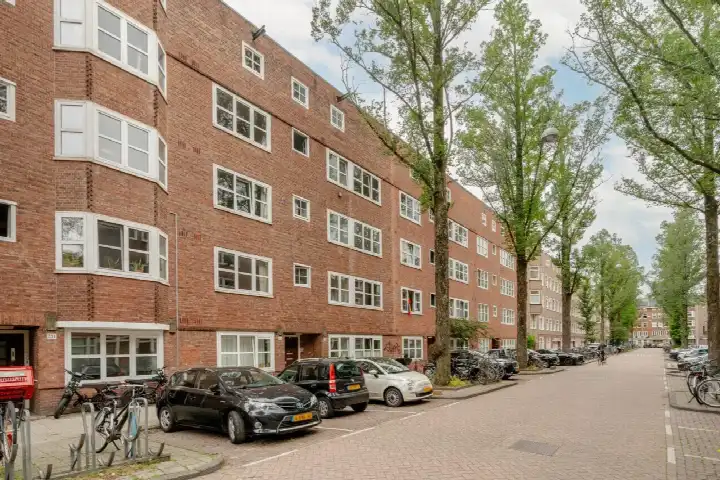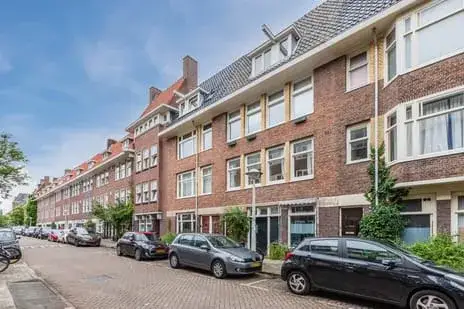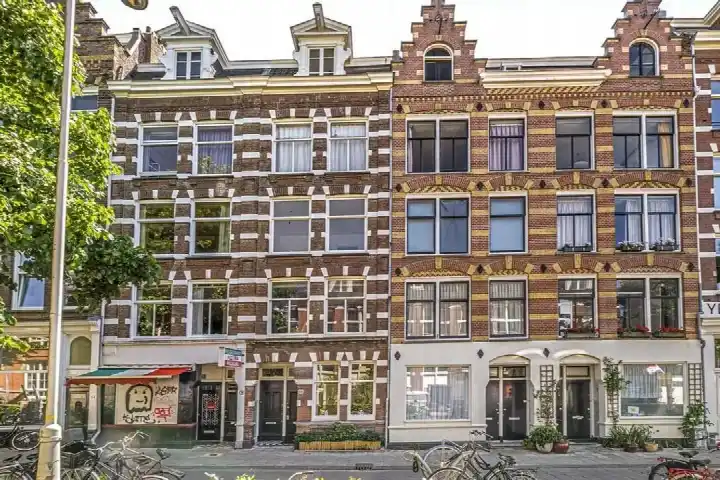
Potgieterstraat 65-2
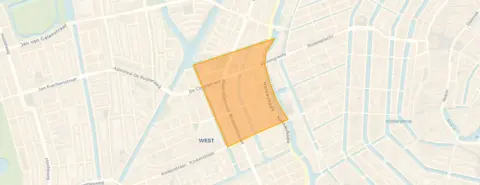
Da Costabuurt-Noord, Amsterdam
 Area
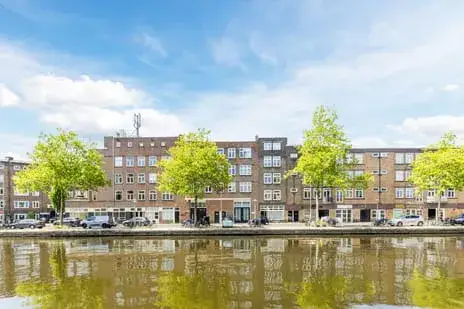
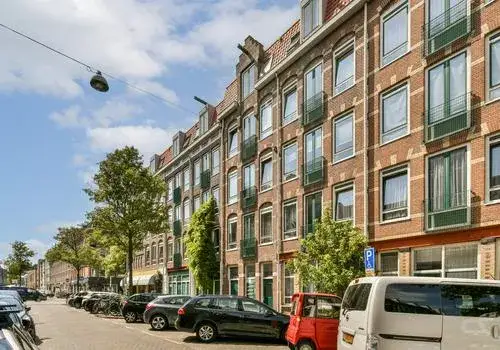
AreaA classic Amsterdam apartment
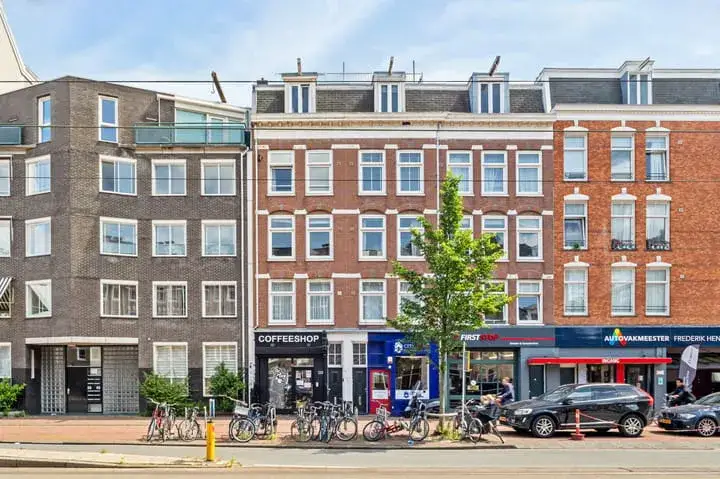
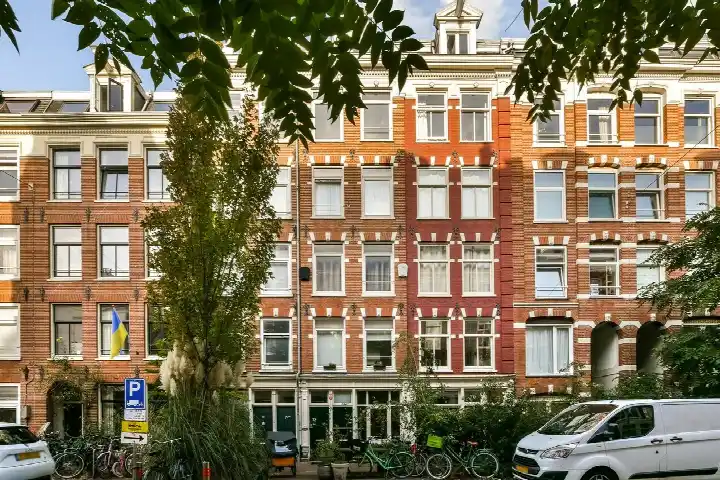
This apartment on Potgieterstraat 65-2 sits in the Da Costabuurt-Noord neighbourhood, a lively corner of Amsterdam where the streets hum with daily life. Built in 1890, it carries the character of a bygone era. The last known asking price of €375,000 was keen compared with the neighbourhood average asking price of €693,700. For context, the apartments in Amsterdam market shows a wide range of options.
This listing did not state the energy label. This home has not been online since 15 October 2026.
What the home offers
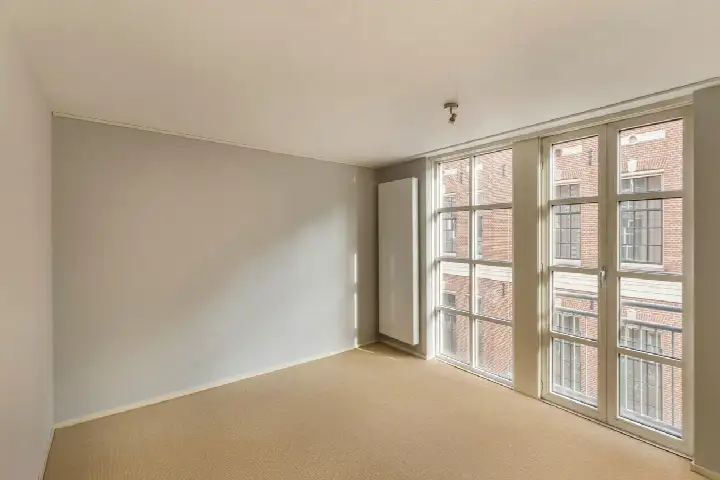
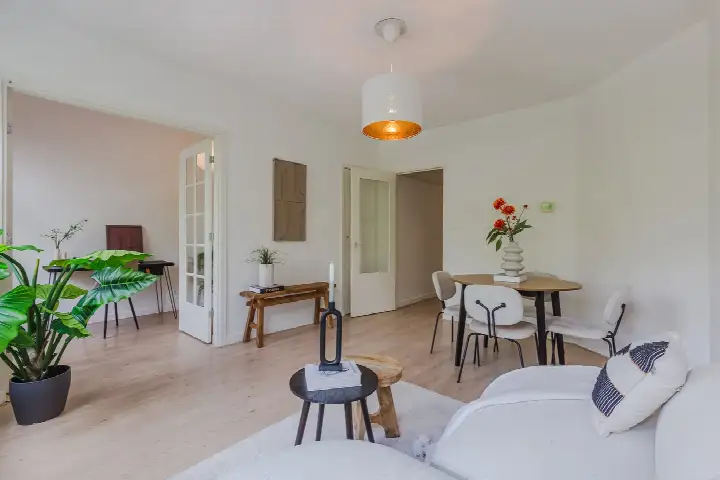
The home has a living area of 47 m² according to the BAG registration. The agent listed the price per square metre at €7,979 based on that BAG figure. The property is a single apartment in a building from 1890, so expect the proportions and details typical of that period.
Life in Da Costabuurt-Noord
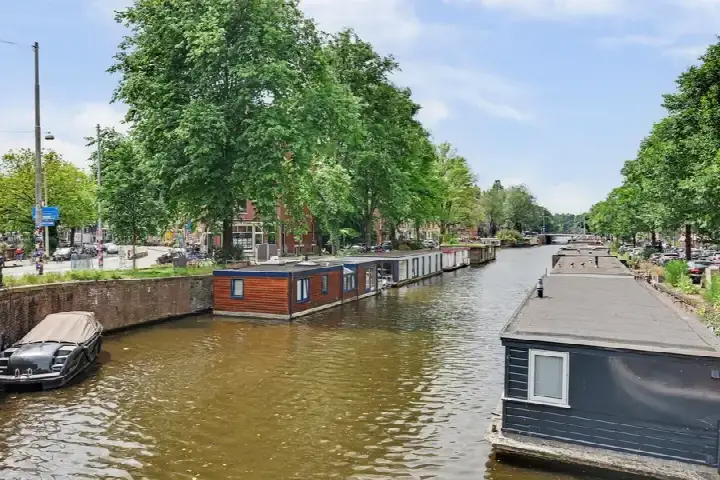
The Da Costabuurt-Noord neighbourhood is home to around 4,805 people, with a high proportion of single-person households at 56%. Across the municipality of Amsterdam, residents give an average score of 7.35 based on 252 reviews. One resident described a "very pleasant, quiet neighbourhood with lots of green and wonderful trees that offer cooling and relaxation," while another noted it was "quiet, peaceful, relaxed, green, social and a nice mix of people." The neighbourhood had 40 homes at the time for sale, with an average asking price of €693,700.
Amenities and getting around
Daily errands are easy from here. Dirk is on your doorstep, Vomar just around the corner, and Albert Heijn a couple of streets away. For primary education, OBS Leonardo da Vinci is a five-minute walk, and Daltonschool De Waterkant is. The nearest GP, SAG Gezondheidscentrum Helmersstraat, is a ten-minute walk, while BENU Apotheek Bilderdijk is just around the corner. Tram stops at Kinkerstraat and Bilderdijkstraat are a couple of streets away, served by lines 1, 12, 13, 17, 19 and N83. Amsterdam Centraal station is about 2.3 km away. The municipality of Amsterdam offers extensive amenities across the city.
WOZ and address data
The WOZ value was not stated in this listing, so no municipal valuation was available for comparison. As for address-level risk data, these are area-level indications rather than an inspection of this specific home. The noise level from road traffic is 60 dB Lden, above the noise standard, while railway noise at 33 dB Lden and aircraft noise at 47 dB Lden are both below their standards. The foundation risk indication is medium, as the building dates from before 1970. Pluvial flooding at heavy rain is elevated, while current flood risk is low. Heat stress is currently medium, rising to elevated by 2050.
Source
When this home was still on the market, it was offered only via Keij & Stefels B.V.
This summary was generated with AI and may contain errors. Always verify the details with the provider.
Features
Details of this home
Transfer
Price

Construction
The WOZ value is set annually by the municipality with 1 January as its reference date, and therefore lags the market by about a year. It is an estimated market value, not a sale price.
Frequently asked questions
About Potgieterstraat 65-2, Amsterdam
What was the asking price for this apartment?
The asking price was €375,000. This was 46% below the neighbourhood average asking price of €693,700, which the data described as keen. The price per square metre was €7,979 based on the BAG living area of 47 m². The neighbourhood average price per square metre was €10,070.
What is the living area of this home?
The living area is 47 m² according to the BAG registration. This is 36% smaller than the neighbourhood average of 73 m². The agent listed the price per square metre at €7,979 based on that BAG figure. The home is an apartment built in 1890.
Why was there no energy label in this listing?
The agent had not published this field. The home was built in 1890, but no inference about its insulation or energy efficiency can be made from the available information.
What is the foundation risk for this address?
The foundation risk indication is medium. This is an area-level indication based on public data, not an inspection of this specific home. The building dates from before 1970, and 100% of properties in this postcode area were built before 1970 according to the KCAF attention area data.
What are the noise levels around this address?
Road traffic noise is 60 dB Lden, which is above the noise standard. Railway noise is 33 dB Lden, below the standard, and aircraft noise is 47 dB Lden, also below the standard. These are area-level indications from public data, not measurements taken at the property itself.
What supermarkets are nearby?
Dirk is at 118 metres, Vomar at 197 metres, and Albert Heijn at 226 metres. Ekoplaza is at 502 metres. These are all within easy walking distance, making daily grocery shopping straightforward from this location.
Which schools are close to this apartment?
OBS Leonardo da Vinci primary school is at 383 metres, and Daltonschool De Waterkant is at 414 metres. Huygens College secondary school is at 455 metres. Basisschool Dr. Rijk Kramer is at 579 metres, and Kindcentrum De Kinkerbuurt is at 585 metres.
What public transport options are available?
Tram stops at Kinkerstraat and Bilderdijkstraat are both around 200 metres away, served by lines 1, 12, 13, 17, 19 and N83. De Clercqstraat stop is at 225 metres with lines 12, 13 and 19. Amsterdam Centraal train station is approximately 2.3 km away.
How do residents rate the municipality of Amsterdam?
Across the municipality of Amsterdam, residents give an average score of 7.35 based on 252 reviews. One resident describes a "very pleasant, quiet neighbourhood with lots of green and wonderful trees," while another calls it "quiet, peaceful, relaxed, green, social and a nice mix of people." These reviews cover the wider municipality, not specifically Da Costabuurt-Noord.
What is the flood risk for this area?
Pluvial flooding at heavy rain is elevated, while current flood risk is low and remains low by 2050. Heat stress is currently medium, rising to elevated by 2050. These are area-level indications from the Klimaateffectatlas, not an assessment of this specific property.