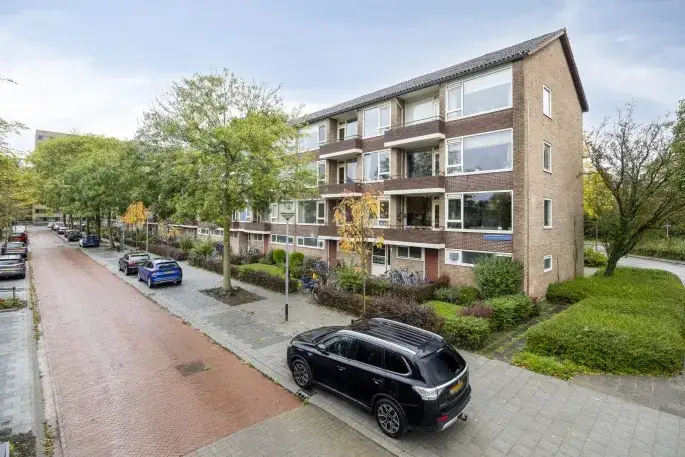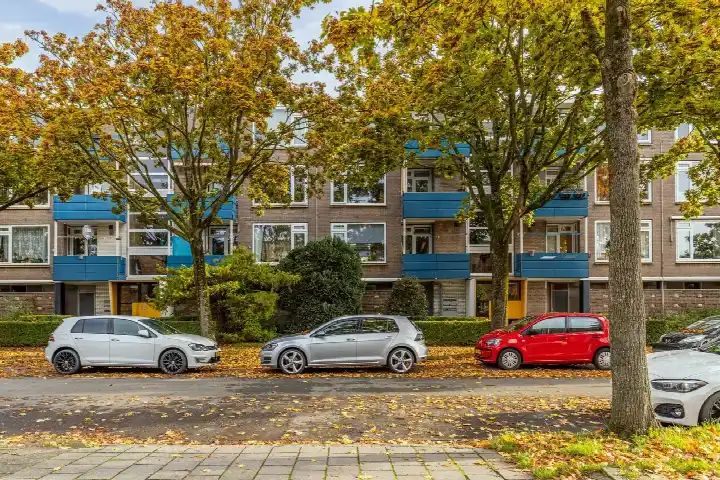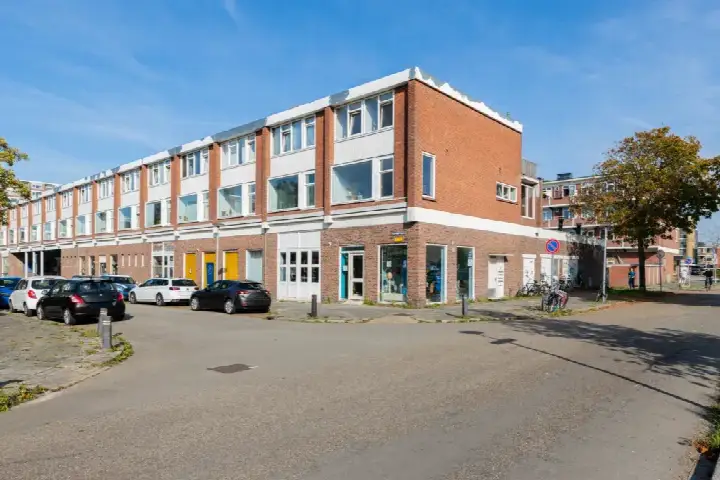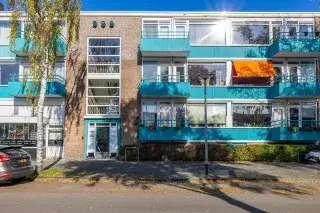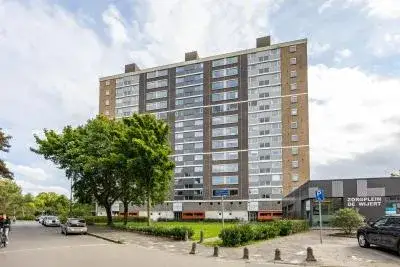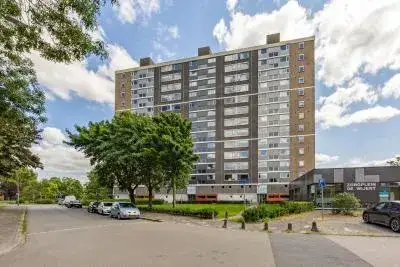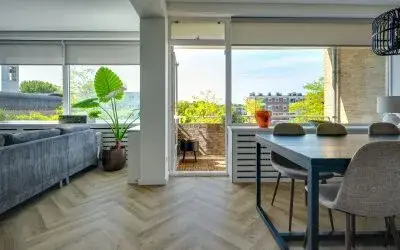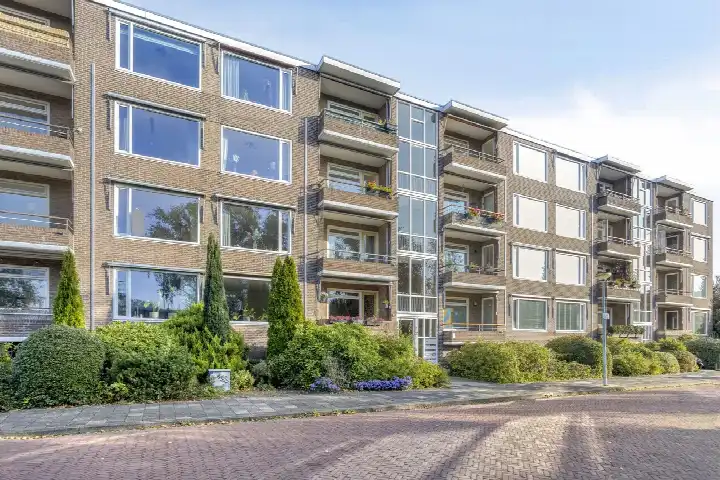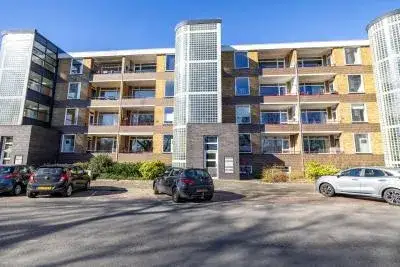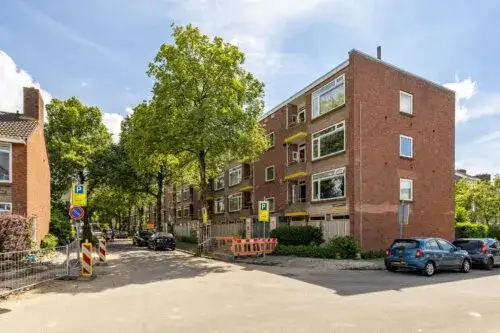





A cosy apartment in a green part of Groningen
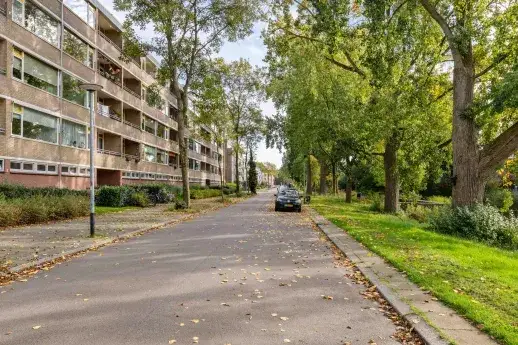
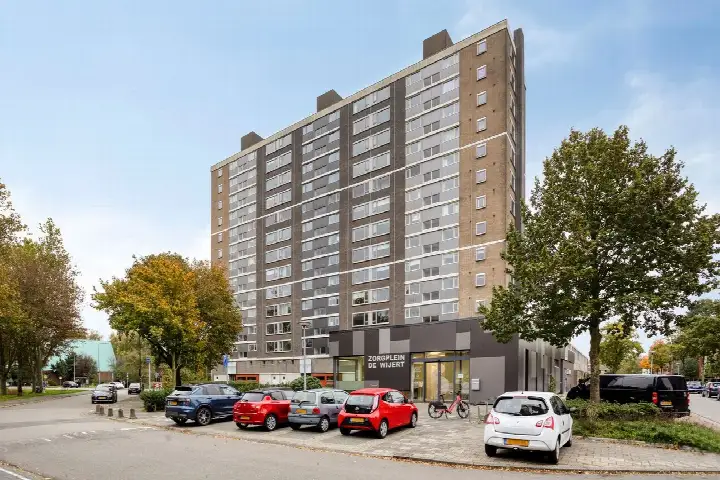
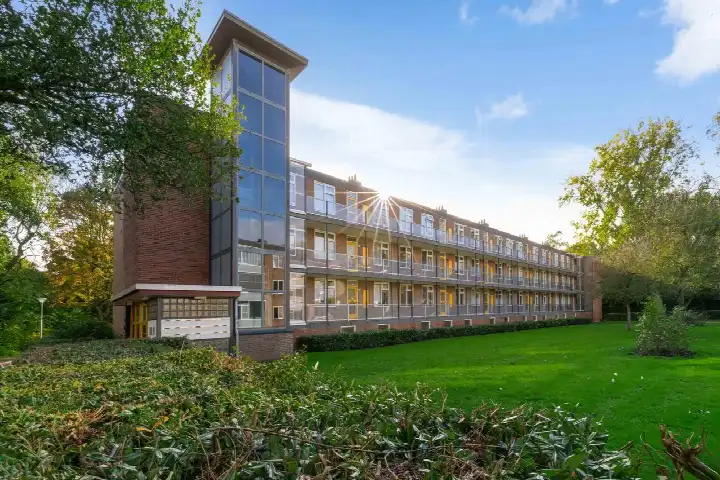
This apartment on Van Iddekingeweg sits in De Wijert, a leafy corner of Groningen where life feels relaxed yet connected. At €265,000 for 80 m², the price was in line with the market, similar apartments in Groningen average around €3,551 per m². The home had an energy label C, which was the most common label in the neighbourhood, so heating costs should be manageable. This home has not been online since 18 September 2026.
The De Wijert neighbourhood
De Wijert is a friendly, green neighbourhood with a mix of residents. Based on four reviews, people appreciate the cosy atmosphere and the greenery. One resident says: "Very good. Lots of friendly people and there's always something to do." Another notes: "It's cosy, the neighbourhood is beautifully green. Shops nearby, public transport nearby and the A28 nearby." The area is mostly built between 1945 and 1970, with many single-person households and a strong urban feel. For more context, have a look at the De Wijert neighbourhood.
Life on the street
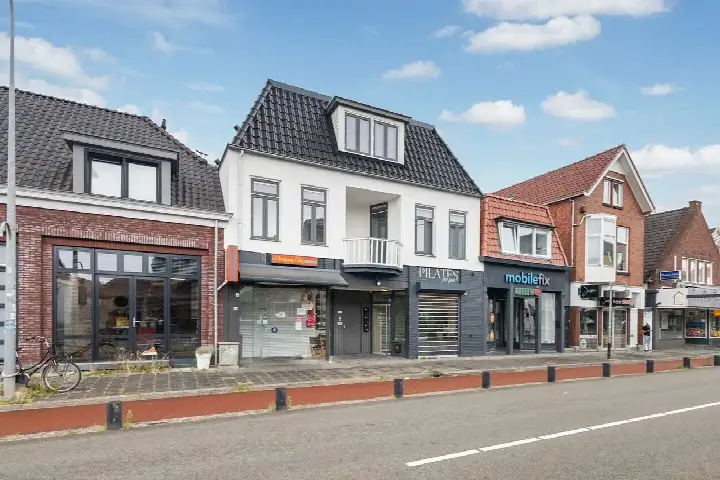
Your daily routine is well served here. For groceries, Albert Heijn and Lidl are just around the corner, and Jumbo is a five-minute walk. Schools are close too: Montessori Vaklyceum is on your doorstep, and De Tamarisk primary school is just around the corner. The neighbourhood also had a park within a couple of streets away, perfect for a stroll. For a wider view of the area, check out the municipality of Groningen.
Source and availability
When this home was still on the market, it was listed through several channels, including Makelaar Idee B.V. Groningen | Winschoten | Assen and Makelaar Idee. The details were current as of the listing date.
This summary was generated with AI and may contain errors. Always verify the details with the provider.
Features
Details of this home
Transfer
Price

Areas and volume
 Insure your home and belongingsGet insured
Layout
Construction
Outdoor space
Frequently asked questions
About Van Iddekingeweg 167, Groningen
Was €265,000 a fair price for this apartment?
The asking price of €265,000 was close to the average sale price in De Wijert, which was €271,780 for similar homes. The average price per m² was €3,551, and this apartment had 80 m², so the price was in line with the market. Homes in this neighbourhood sell quickly, typically within 21 days.
What is the energy label and what does it mean?
The energy label is C. This is the most common label in De Wijert, where 41.4% of homes have label C. The label is an official registration from EP-Online.
How is the public transport in De Wijert?
The nearest train station is 2.2 km away, which is about a 25-minute walk or a short bike ride. Some residents feel the neighbourhood could be better connected by public transport, especially to the north side of the city. However, the area has bus stops nearby, and the city centre is a 10-minute bike ride away.
What shops and amenities are nearby?
There are several supermarkets within walking distance: Albert Heijn and Lidl are just around the corner (about 250 m), and Jumbo is about 575 m away. For daily shopping, you're well covered. There are also restaurants, a library, and a park within a few hundred metres.
What schools are in the area?
There are several schools nearby. Montessori Vaklyceum (secondary) is just 78 m away, and De Tamarisk primary school is 179 m away. Other secondary schools like De Bolster and Gomarus College are within 400 m. The neighbourhood has a good mix of primary and secondary education.
How safe is De Wijert?
Residents generally feel safe in De Wijert. One review mentions the neighbourhood always felt safe, though there can be some nuisance from schoolchildren during breaks, like littering. The total number of crimes recorded in the neighbourhood is 230, which is moderate for an urban area.
What is the neighbourhood like in terms of demographics?
De Wijert has about 4,575 residents, with many single-person households (1,715) and an average household size of 1.6. The largest age group is 25 to 45 years old (1,750), followed by 45 to 65 (925). It's a diverse area with a mix of ages, but relatively few families with children.