Homes for sale in Utrecht
View the current supply of homes for sale in Utrecht. Compare homes by price, area and neighbourhood score and find a house that suits you.

Buying a house in Utrecht: the housing market in 2026
Utrecht is the fourth city of the Netherlands, but in many places it feels surprisingly compact and village-like. With over 374,000 residents, a young population (the largest group is 25 to 45 years old) and a central location in the country, the city has been attracting more people than leaving for years. That makes sense: Utrecht Centraal is the hub of the Dutch rail network, the university and the UMC are major employers, and the city centre with its wharves along the Oudegracht is unique in the Netherlands. That popularity translates directly into the housing market. Of the more than 165,000 homes, 44% are owner-occupied, the rest are rental. The average WOZ value is €458,000 and the average selling price over the past year came to €519,103, with a range from approximately €102,000 to nearly €2.7 million. The average sold home measures 93 m². That makes Utrecht one of the more expensive markets outside the Randstad ring. The market is tight: homes sell quickly and overbidding is more the rule than the exception. At the top of this page, see the current time on market and the current supply. On Buurtje.nl, you will find neighbourhood scores and resident reviews for each home, so you can assess not just the house but also the neighbourhood.
The best districts to buy a house in Utrecht
Utrecht has ten official districts, and the difference between them is large. From the medieval canals in the centre to the new-build in Leidsche Rijn, and from the multicultural flats in Overvecht to the 1930s houses in Oost: each district attracts a different type of buyer. Below are the five most sought-after districts for buyers, with the neighbourhood scores that residents themselves give.
Binnenstad, canal houses and city bustle
The Utrecht city centre is small enough to do everything on foot, but large enough for a complete range of hospitality, shops and culture. Here you mainly buy apartments, often in monumental buildings along the Oudegracht or Nieuwegracht. Prices are well above the city average. Residents give the Binnenstad a 7.6 on Buurtje.nl, with accessibility scoring particularly high. One resident writes: "You have everything within walking distance here, from the market on Vredenburg to Central Station." Parking is a persistent pain point, and space per euro is limited.
Oost, the sought-after residential area behind Wilhelminapark
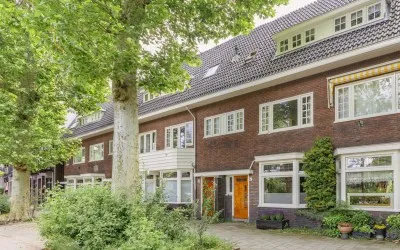
District Oost, with neighbourhoods like Buiten Wittevrouwen, Wilhelminapark and Sterrenwijk, has been one of the most popular residential areas in Utrecht for years. The mix of stately townhouses, 1930s architecture and green avenues attracts mainly movers and dual-income couples. The neighbourhood scores a 7.6 from residents. You are within cycling distance of the centre and the university, with Wilhelminapark and the Botanical Gardens around the corner. Prices are high, comparable to the city centre, but you get more living space for your money. See the supply in Oost for the current situation.
Leidsche Rijn, new-build with space for families
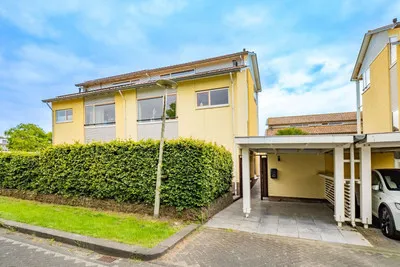
Leidsche Rijn is the largest Vinex location in the Netherlands and is still under development. Here you will find relatively affordable single-family homes with gardens, wide streets and new schools. The district scores a 7.7, the highest neighbourhood score in all of Utrecht. This is due to the combination of space, greenery and modern amenities such as shopping centre Leidsche Rijn Centrum. It is the district where young families end up who cannot find affordable space in the city centre. The downside: the district does not yet have the cosiness of an established neighbourhood everywhere. See homes in Leidsche Rijn.
Zuid, from Lunetten to Hoograven
District Zuid is diverse: from the green and quiet Lunetten to the more urban Hoograven and the popular Rivierenwijk. Residents rate the district a 7.6. Lunetten is popular with families because of its spacious layout, greenery and good schools. Closer to the centre, you will find more affordable apartments in Rivierenwijk, popular with starters. The owner-occupied homes in Zuid therefore offer a wide price range.
Vleuten-De Meern, village living on the edge of the city
On the west side of Utrecht lie the former villages of Vleuten and De Meern, which have now been absorbed by the city but have retained their village character. With a neighbourhood score of 7.5, residents particularly appreciate the greenery and tranquillity. Here you more often buy a terraced house or semi-detached house than an apartment. Prices are slightly below the Utrecht average. See the housing supply in Vleuten-De Meern.
In addition, there are districts that are interesting for specific buyers. Overvecht (neighbourhood score 7.2) is the most affordable district in Utrecht and offers opportunities for starters, although the neighbourhood requires good orientation per street. Noordwest (7.2) has with Zuilen and Ondiep a mix of pre-war workers' houses and new-build. And Zuidwest (7.4) with Kanaleneiland is a district in transition, where much is being renewed in the coming years. Read all ratings and reviews per district on the municipality page of Utrecht.
What to look out for when buying a home in Utrecht?
The Utrecht housing market is competitive. A few concrete tips if you want to buy a house here. First: look beyond the well-known districts. Neighbourhoods like Zuilen-Noord in Noordwest or parts of Zuidwest offer better value for money than Oost or the Binnenstad, and are developing quickly. Second: prepare for overbidding. With an average selling price of over €519,000 and a tight market, it is wise to have your financing in order in advance and to engage a buying agent who knows the local market. Via the website of the municipality of Utrecht you can orient yourself on zoning plans and construction projects in your intended neighbourhood. Third: accessibility varies greatly per district. Leidsche Rijn has its own station, but from Vleuten-De Meern you are a long way by car to the city centre during rush hour. Check per district how public transport and cycling routes are. Finally: use neighbourhood data for your choice. On Buurtje.nl you can compare per district the scores on safety, greenery, amenities and sense of community, so you know what you are buying. Considering renting instead? Then also check rental homes in Utrecht.
What residents say about living in Utrecht
Based on 115 reviews, Utrecht scores a 7.4 out of 10. Accessibility stands out with an 8.3, followed by education (7.7) and amenities (7.6). The beauty of public space (6.6) and sense of community (6.8) score lower, something you often see in a fast-growing city. The best-rated districts are Leidsche Rijn (7.7), Zuid and Oost (both 7.6). A resident of Zuid writes: "Lunetten is wonderfully green and quiet, with the forest and the lakes around the corner. Ideal if you have children." Curious about all experiences? Read the resident reviews on the municipality page.
Owner-occupied homes near Utrecht
Looking beyond the municipal boundary too? The Utrecht region offers interesting alternatives. De Bilt borders directly on the city and offers a greener, more village-like alternative. Bunnik is compact and quiet, a quarter of an hour's cycle from the centre. In Amersfoort you will find a similar urban atmosphere at lower prices. Also De Ronde Venen and Baarn are worth exploring if you want more space. See the province of Utrecht for a complete overview.
View the current supply of homes for sale in Utrecht
At the top of this page you will find the complete, daily updated housing supply from more than 1,500 sources. Use the filters on price, surface area and energy label to search specifically. For each home you will immediately see the neighbourhood score and what residents think of the area, so you can choose an owner-occupied home that really suits you.
Frequently asked questions
How many homes for sale are there in Utrecht?
The current number of homes for sale in Utrecht can be found at the top of this page. The listings are updated daily from more than 1,500 sources, so you always have a complete overview. In the past year, 1,406 homes changed ownership.
What does a home cost in Utrecht?
The average selling price in Utrecht over the past year was €519,103. The cheapest homes sold for around €102,000, the most expensive for nearly €2.7 million. It varies greatly by district: in Overvecht and Zuidwest you pay significantly less than in Oost or the Binnenstad.
What is the average price per square metre in Utrecht?
With an average selling price of €519,103 and an average floor area of 93 m², the price per square metre comes to approximately €5,581. In sought-after districts like Oost and the Binnenstad this is higher, in Overvecht and Zuidwest lower.
How long does a home stay on the market on average in Utrecht?
The current average time on the market can be found at the top of this page. The Utrecht market has been tight for some time: homes sell quickly and overbidding is common. Make sure your financing is in order before you go viewings.
Which districts in Utrecht are the most popular for buying a home?
Based on neighbourhood scores, Leidsche Rijn (7.7), Zuid (7.6) and Oost (7.6) score highest. Leidsche Rijn attracts families with new-build homes and space. Oost is popular with movers due to its stately architecture. Zuid offers a wide range from affordable apartments to spacious family homes.
Is Utrecht a good place to buy a home?
Utrecht has a strong labour market (68% labour participation), a young and highly educated population profile (54% highly educated) and a central location with excellent public transport. The WOZ value has been rising for years. The downside is the high entry price and the tight market, meaning you as a buyer need to be quick and well-prepared.
What are the additional costs when buying a home in Utrecht?
Expect 4 to 6% on top of the purchase price. This includes transfer tax (2%, or 0% with the starter exemption up to €510,000), notary costs, valuation costs and possibly estate agent fees. With an average purchase price of €519,103, this quickly amounts to €20,000 to €30,000 extra.
What about parking when you buy a home in Utrecht?
Parking is a point of attention in many Utrecht districts. In the city centre and Oost you pay high parking permit costs and street parking is limited. In new-build districts like Leidsche Rijn, parking is better arranged, often with a private parking space. Always check the parking situation before making an offer.
Can I search for homes for sale per district in Utrecht?
Yes, you can view the listings per district. Utrecht has ten districts, each with its own page where you can find the current housing supply, neighbourhood score and resident reviews. This allows you to compare which district suits you best.
Is buying an apartment in Utrecht a good idea?
A large part of the Utrecht supply consists of apartments, especially in the city centre, Oost and Overvecht. With an average income of €42,000 in the municipality and high purchase prices, an apartment is the most realistic option for many first-time buyers. Do pay attention to service costs and the state of the homeowners' association.
The neighborhood is considered safe, has an active and engaged community, and is well maintained. Neighborhood relations are good. Residents have access to quality housing, reputable schools, and attractive green spaces such as Wilhelminapark, Oosterspoorbaan and Minstroom. The centre is within reach, and Oost offers a nice number of shops.
Auto-translated to English by AICosy, student-like, park on the doorstep, where people sit when the weather is nice. Pub in the neighbourhood, shopping centre within walking distance and Kanaalstraat nearby.
Auto-translated to English by AILunetten zuid is a fairly extensive area, but there are common characteristics: There is little traffic on the streets, even the ring road is relatively quiet. Many houses are situated around a shared green space with some play facilities. This quickly creates a bond with the neighbours. Because Lunetten is separated from the city by a park and forts, which are part of the UNESCO heritage, it has some village-like features. If you value your privacy and don't like contact, then Leidsche rijn is more likely a place where you'll feel at home. Lunetten is not a place of high fences, but rather has a scent of granola with a hint of wokeness. If you feel at home with that, you are very welcome, but if you are not willing to do something for the neighbourhood or your neighbours, there are plenty of other places where you will feel at home.
Auto-translated to English by AII've lived in Zuilen for 26 years and still consider it one of the best neighbourhoods in Utrecht. With shops, schools, buses and the train station all nearby, everything is within reach. And with the beautiful Julianapark just around the corner, the area also has a lovely place to relax. As far as I'm concerned, an absolute top location.
Auto-translated to English by AIEspecially great that there are so many nice shops in the area. The walks to the Muntkade and Park Oog en Al also often make my day. The house I live in is old and hasn't been properly maintained by the landlord for a long time.
Auto-translated to English by AIThings could be better, like installing cameras so we can see who dumps rubbish, but we also have an app so I have nothing to complain about; we help each other when we can.
Auto-translated to English by AIIt's a good neighbourhood but a lot could also be better in terms of cleanliness, parking, safety.
Auto-translated to English by AIA fascist neighbourhood that claims to be left-wing. Poorly maintained streets. Everywhere there is vomit, glass, and rubbish. Dirty pavements, graffiti everywhere, every street suffers from a huge nuisance of students. Students overpopulate the area. No diversity, too expensive shops. Only rich white people. Social inequality is clearly visible here. 1000 metres away in Overvecht people have nothing, here in abundance. Full of snobs. Social housing is only 6 percent, deliberately sold off, all homes are being split: unliveable, too much noise, and expanded with extra floors. People earn an average of 6-10,000 per month and look like tramps. There is no cohesion, people are focused on themselves, all islands. The atmosphere is gone. It was once a beautiful neighbourhood, but yuppies, damn students and damn expats have turned it into a white enclave of coke-sniffing egotrippers.
Auto-translated to English by AI