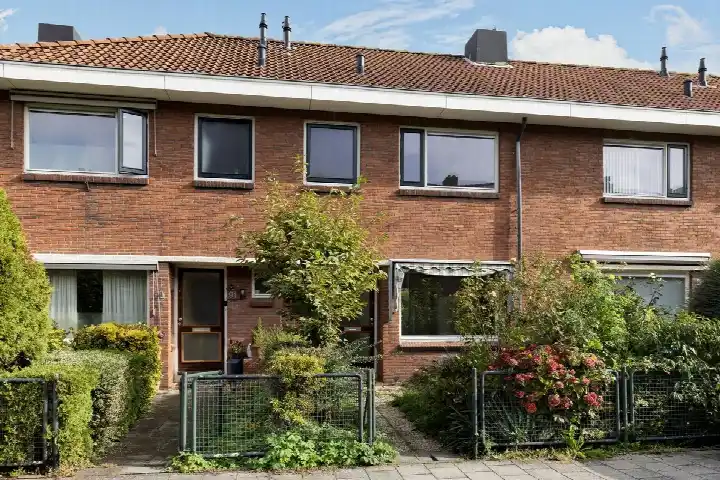
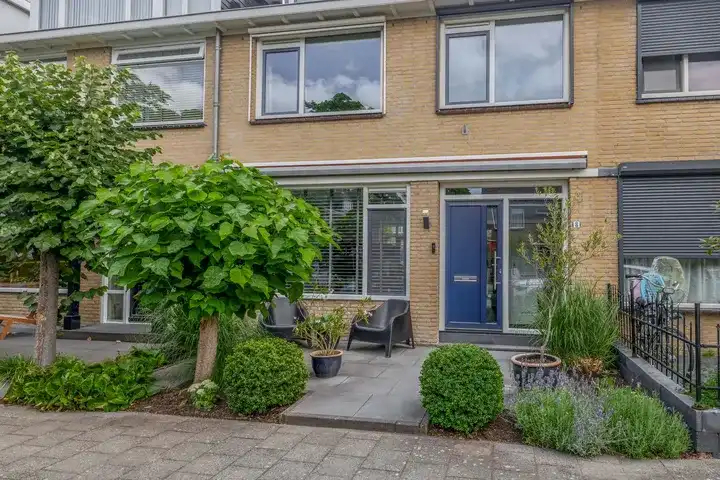
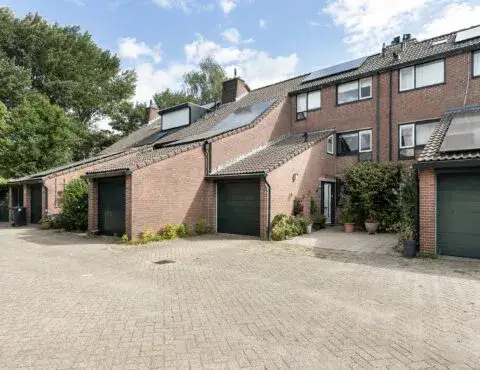
Terbregseweg 117
Terbregge, Rotterdam
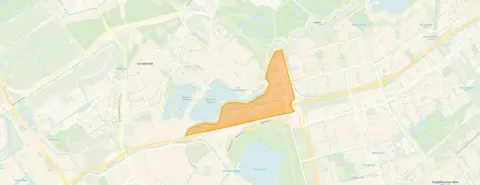 Area
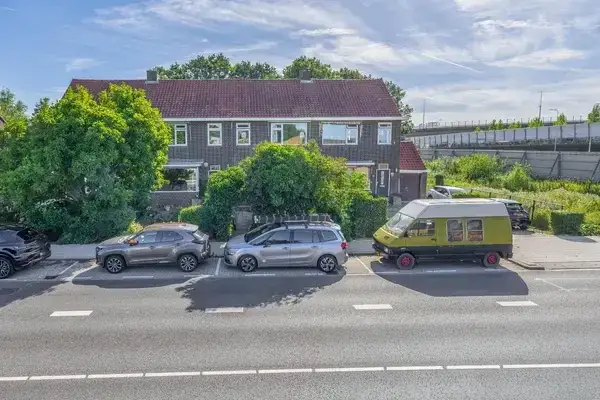
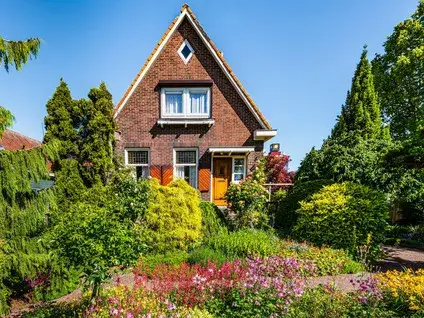
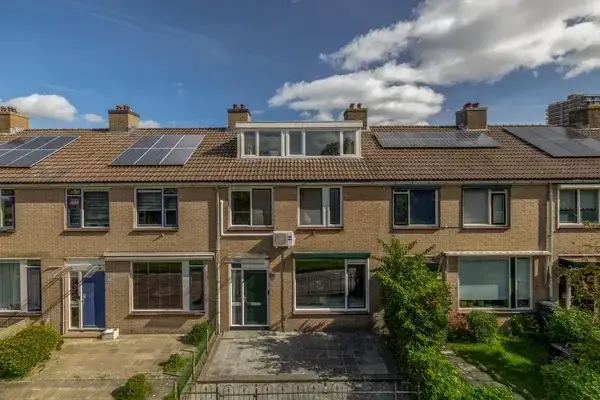
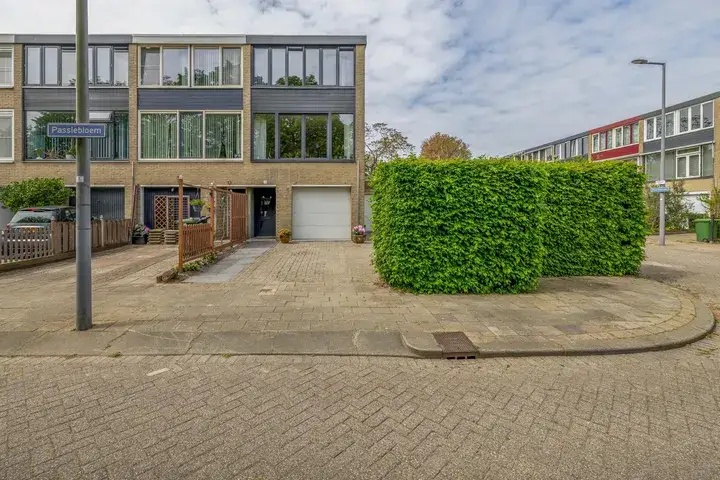
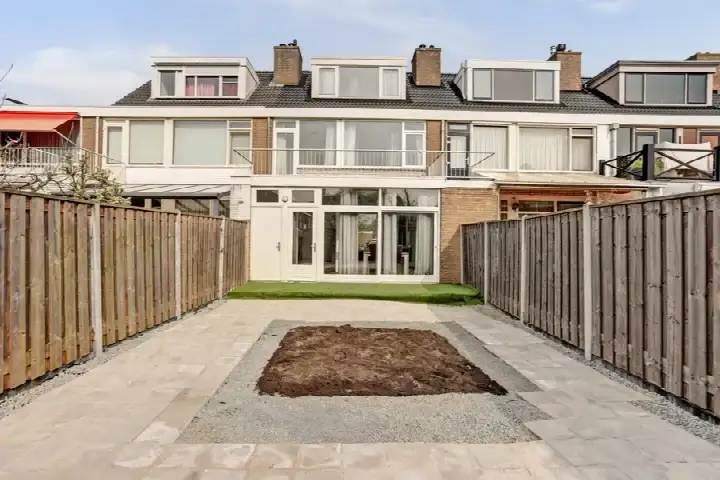
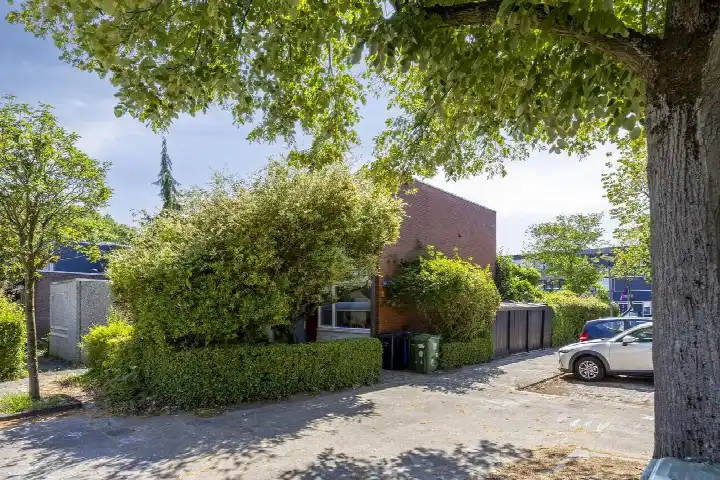
AreaA 1922 semi-detached house in Terbregge
Terbregge is a quiet, village-like pocket of Rotterdam, where the streets feel calm and the greenery is never far away. This semi-detached house from 1922 sits on a 344 m² plot with a living area of 102 m², and is listed for €575,000. That asking price sits 44% below the average asking price of €1,025,833 for semi-detached houses in Rotterdam, which puts it on the low side compared with the local market.
The home itself
The listing gives no details on the layout, number of bedrooms, bathrooms, or any outdoor space. What is known is that the house was built in 1922 and carries an energy label D, which is the second-lowest label on the scale, so expect moderate energy costs. The living area is 102 m² according to the BAG registration, and the asking price works out at €5,637 per m² based on that figure.
Life in Terbregge
Residents of the wider district give their living environment an average score of 7.55 out of 10, based on twenty reviews. One resident describes it as "like a small village, you can cycle or walk everywhere nicely," while another notes it is "a nice neighbourhood to live in with your family," though they find it difficult to reach. A third resident complains about litter and cyclists on the pavement. The district has 3,375 inhabitants, and most homes are owner-occupied. For more context, see the Terbregge neighbourhood.
Amenities and transport
The bus stop Terbregseweg is on your doorstep, with lines 1 and 35. A couple of streets away you will find the Verbazisschool WOW primary school, and a ten-minute walk brings you to the SPAR express supermarket. The nearest GP is Huisartsenpraktijk Bergse Bos, just over a kilometre away, with BENU Apotheek De Binnenhof nearby. Rotterdam Alexander train station is about 1.8 km from the house, and the IJsselland Ziekenhuis is roughly 3 km away in Capelle aan den IJssel. All of this sits within the municipality of Rotterdam.
WOZ value and address data
The WOZ value was set at €606,000 on 1 January 2025, and the asking price is 5% below that value. The WOZ has not been tracked over the past five years in the available data. As for address-level risks, these are area-level indications rather than an inspection of this specific home. Road traffic noise is measured at 69 dB Lden, which is above the noise standard, while railway and aircraft noise stay below their standards. The foundation risk indication is medium, with the home built in 1922 on peat soil, and pluvial flooding at heavy rain is elevated, with a medium current flood risk that drops to low by 2050.
Source
At the time of writing, the home is offered via two channels, including De Rotterdamsche Vastgoed Makelaardij and De Rotterdamsche Vastgoed Makelaardij.
This summary was generated with AI and may contain errors. Always verify the details with the provider.
Features
Details of this home
Transfer
Price
Energy
 Save up to € 400 on your energy billCompare now
Areas and volume
 Insure your home and belongingsGet insured
Layout
Construction
Outdoor space
The WOZ value is set annually by the municipality with 1 January as its reference date, and therefore lags the market by about a year. It is an estimated market value, not a sale price.
Frequently asked questions
About Terbregseweg 117, Rotterdam
How does the asking price compare with the WOZ value?
The asking price of €575,000 is 5% below the WOZ value of €606,000, which was set on 1 January 2025. The WOZ value is the municipal valuation for tax purposes, not the current market value. The asking price also sits 44% below the average asking price of €1,025,833 for semi-detached houses in Rotterdam, though the living area of 102 m² is smaller than the neighbourhood average of 170 m².
What is the energy label and what does it mean for costs?
The home has an energy label D. This is not the least efficient label, but it is on the lower end of the scale, so you can expect moderate energy costs for heating and electricity. The label reflects the official registration and does not say anything about the condition of the building itself. No insulation details are given in the listing.
What is the foundation risk for this home?
The foundation risk indication for this address is medium, based on area-level data from the Klimaateffectatlas. The home was built in 1922 on peat soil, which may mean wooden piles or a shallow foundation. In this area, 1% of properties have an elevated risk of pile rot. This is an indication at area level, not an inspection of this specific home.
How noisy is the location?
Road traffic noise at this address is measured at 69 dB Lden, which is above the Dutch noise standard. Railway noise is 41 dB Lden and aircraft noise is 38 dB Lden, both below their respective standards. These figures come from public data at address level and are indications, not measurements taken at the property itself.
What are the flooding risks for this property?
The pluvial flooding risk at heavy rain is elevated, meaning there is a higher chance of surface water accumulation. The current flood risk from rivers or the sea is medium, dropping to low by 2050. Heat stress is currently low but is expected to become medium by 2050. These are area-level indications from the Klimaateffectatlas, not an assessment of this specific home.
What public transport options are nearby?
The bus stop Terbregseweg is right on your doorstep, served by lines 1 and 35. A couple of streets away, the Nico van der Valkweg stop offers line 35, and the Prinses Irenebrug stop is about 600 metres away with the same line. Rotterdam Alexander train station is approximately 1.8 km from the home.
Which schools are close to this home?
The Verbazisschool WOW primary school is just around the corner at about 300 metres. A ten-minute walk brings you to IKC Albert Plesmanschool voor Protestants Christelijk Basisonderwijs, and Kindcentrum De Heijberg is roughly a kilometre away. For secondary education, the nearest option is about 2.6 km from the home.
What do residents say about living in this area?
Residents of the wider district give their living environment an average score of 7.55 out of 10, based on twenty reviews. One resident says it is "like a small village, you can cycle or walk everywhere nicely," while another finds it "a nice neighbourhood to live in with your family" but difficult to reach. A third resident complains about litter and cyclists on the pavement.
How does the living area compare with other homes in the neighbourhood?
The living area of this home is 102 m² according to the BAG registration, which is 40% smaller than the neighbourhood average of 170 m². The asking price of €575,000 works out at €5,637 per m² based on the BAG area. The neighbourhood average asking price per m² is €5,593, so this home is priced close to that figure.
What is the asking price per square metre?
Based on the BAG living area of 102 m², the asking price of €575,000 works out at €5,637 per m². The neighbourhood average asking price per m² is €5,593, so this home is priced slightly above that average. The listing does not state a separate living area from the agent, so the BAG figure is used.