




Goudsbloemstraat 70-1
Driehoekbuurt, Amsterdam
 Area
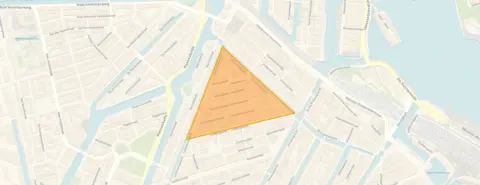
AreaA studio in the heart of the Jordaan
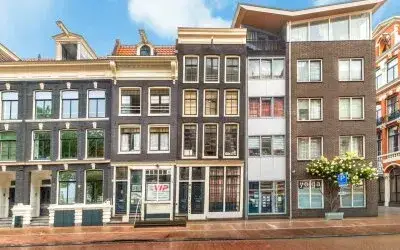
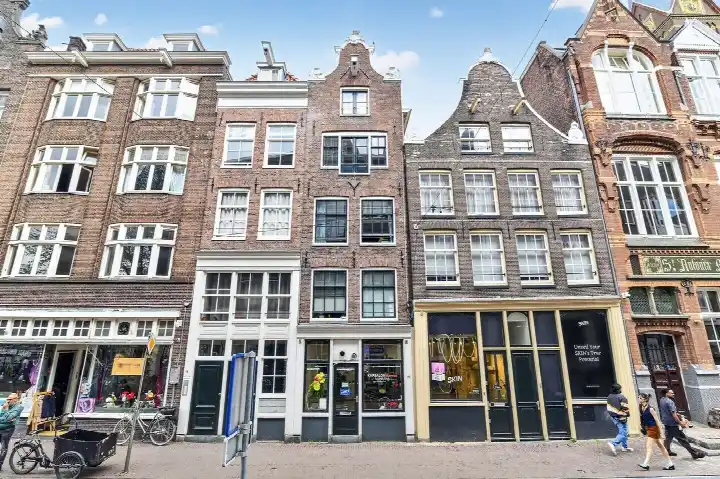
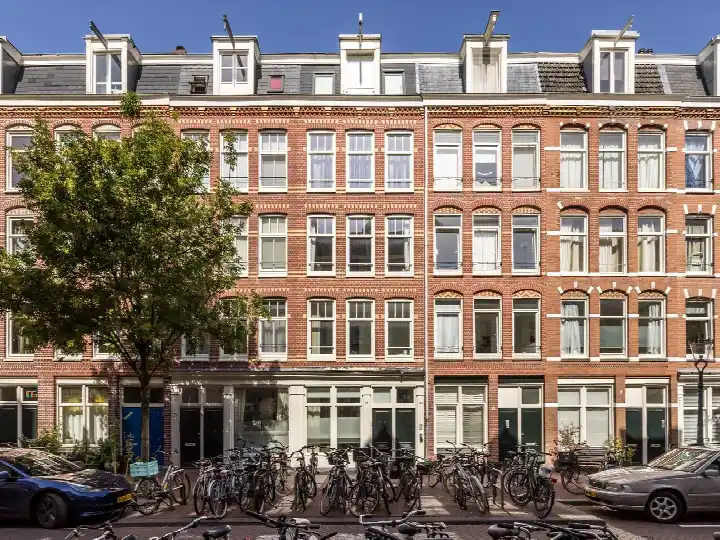
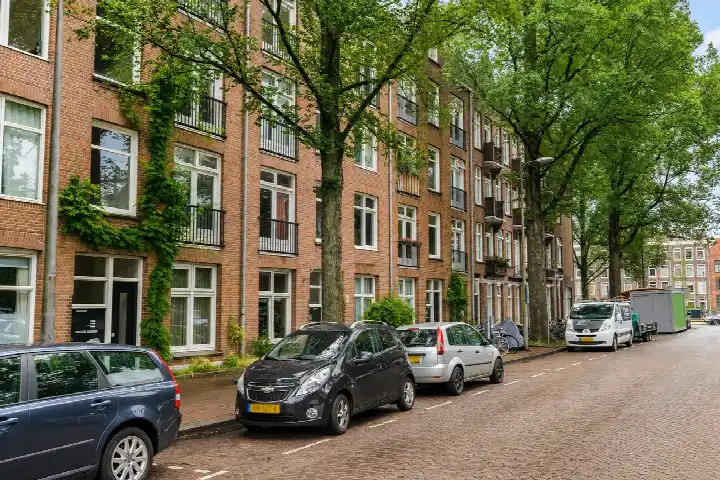
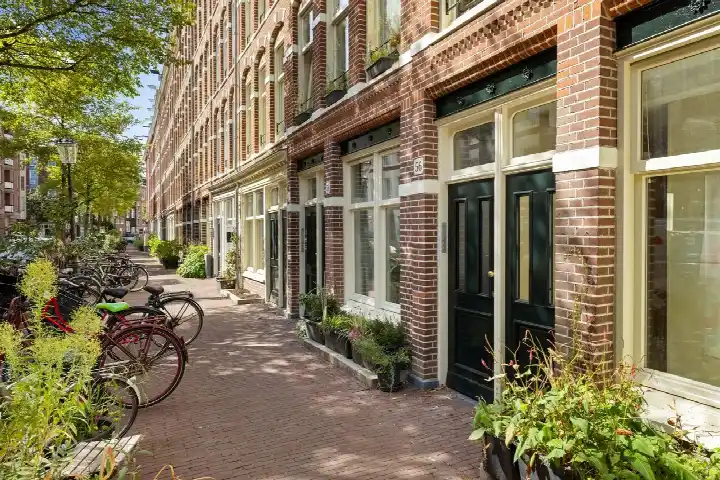
This studio on Goudsbloemstraat in the Driehoekbuurt sits right in the middle of the Jordaan, one of Amsterdam's most beloved districts. The building dates from 1934, and the home offers 42 square metres of living space according to the BAG registration. The asking price of €450,000 is keen compared with the average asking price in the neighbourhood. This listing does not state the energy label, so that information is missing from the agent's publication. For more context, you can compare it with other studios in Amsterdam.
What the agent tells us
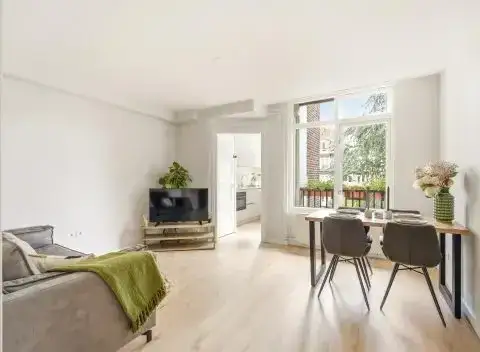
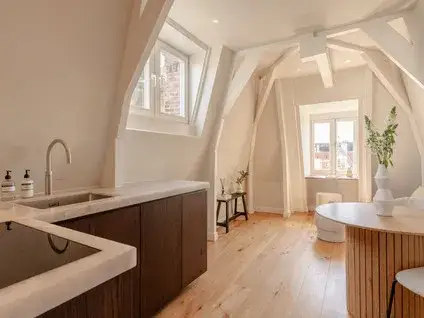
The agent provides no further details about the layout, outdoor space or installations. What we do know is that this is a studio, which typically means a single open living space. The home was built in 1934, a fact that tells you about its age but says nothing about its condition. Without more information from the agent, there is little more to say about the interior.
Life in the Driehoekbuurt
Residents of the wider Jordaan district give their area an average score of 8.82, based on six reviews. One resident says: "There's only one Jordaan! I was born and raised in this neighbourhood. I wouldn't want to swap this neighbourhood for any other district in Amsterdam." Another adds: "In this neighbourhood you will find a mixed population. Old and young, rich and less rich." The district has around 2,730 inhabitants, and 68% of households are single-person. The reviews describe a place where people help each other out and where there is always something going on. This is the character of the Driehoekbuurt neighbourhood, as described by those who live there.
Daily life and getting around
Your daily errands are well covered here. The Jumbo supermarket is just around the corner, with an Albert Heijn a couple of streets away. The Service Apotheek Jordaan pharmacy is also just around the corner, while the nearest GP practice is a ten-minute walk. For schools, the Theo Thijssenschool Amsterdam is a five-minute walk away. Public transport is close by: the Nieuwe Willemsstraat stop with tram lines 13, 18 and 21 is just around the corner, and Amsterdam Centraal station is a ten-minute walk. All of this sits within the municipality of Amsterdam.
WOZ value and address data
The WOZ value for this home is €457,000, as assessed on 1 January 2025. The asking price sits 2% below this municipal valuation. Between 2020 and 2025, the WOZ value rose by 27%, from €359,000 to €457,000. As for the area around the address, the noise levels from road, rail and air traffic all stay below the relevant standards. The foundation risk indication is medium, which is an area-level indication based on the fact that the building dates from before 1970. The climate indications for this address include a medium risk of pluvial flooding during heavy rain and a medium heat stress level at present, rising to elevated by 2050. These are area-level indications from public data, not an inspection of this specific home.
About the listing
At the time of writing, the home is offered only via DAMSTAD. The listing is incomplete, with the energy label not stated by the agent.
This summary was generated with AI and may contain errors. Always verify the details with the provider.
Features
Details of this home
Transfer
Price

Construction
The WOZ value is set annually by the municipality with 1 January as its reference date, and therefore lags the market by about a year. It is an estimated market value, not a sale price.
Frequently asked questions
About Goudsbloemstraat 70-1, Amsterdam
How does the asking price compare with the WOZ value?
The asking price of €450,000 is 2% below the WOZ value of €457,000, which was assessed on 1 January 2025. The WOZ value is the municipal valuation, not the current market value. Between 2020 and 2025, the WOZ value rose by 27%, from €359,000 to €457,000.
What is the living area of this studio?
According to the BAG registration, the living area is 42 square metres. The asking price works out at €10,714 per square metre based on this figure. The agent has not provided an alternative floor area, so the BAG registration is the only source for the size of this home.
Why is there no energy label in the listing?
The agent has not published this information. As a result, it is not possible to say anything about the energy performance of this home or what the energy costs might be.
What is the foundation risk for this address?
The foundation risk indication for this address is medium. This is an area-level indication based on public data, not an inspection of this specific home. The building dates from 1934, and 77% of properties in this postcode area were built before 1970, which is a factor in the medium indication.
What are the noise levels like at this address?
The noise levels at this address are all below the relevant standards. Road traffic noise is measured at 48 dB Lden, rail traffic at 44 dB Lden and air traffic at 46 dB Lden. These figures come from public data for the area around the address.
Which supermarkets are closest to this studio?
The nearest supermarket is a Jumbo at about 200 metres, which is just around the corner. An Albert Heijn is at about 310 metres, and another Albert Heijn at about 340 metres. An Ekoplaza is at about 360 metres. All are within easy walking distance.
What public transport options are nearby?
The Nieuwe Willemsstraat stop is about 240 metres away and serves tram lines 13, 18 and 21. The Nassaukade stop with tram line 5 is at about 360 metres. Amsterdam Centraal station is about 1.1 kilometres away, roughly a ten-minute walk.
How do residents rate the wider area?
Residents of the Jordaan district, which includes this neighbourhood, give their area an average score of 8.82 out of 10, based on six reviews. One resident describes it as a place where people give each other a helping hand, while another mentions the mixed population and the social contacts.
What is the climate risk for this address?
The climate indications for this address include a medium risk of pluvial flooding during heavy rain and a low risk of flooding from rivers or the sea, both now and in 2050. Heat stress is currently medium and is expected to rise to elevated by 2050. These are area-level indications from public data.