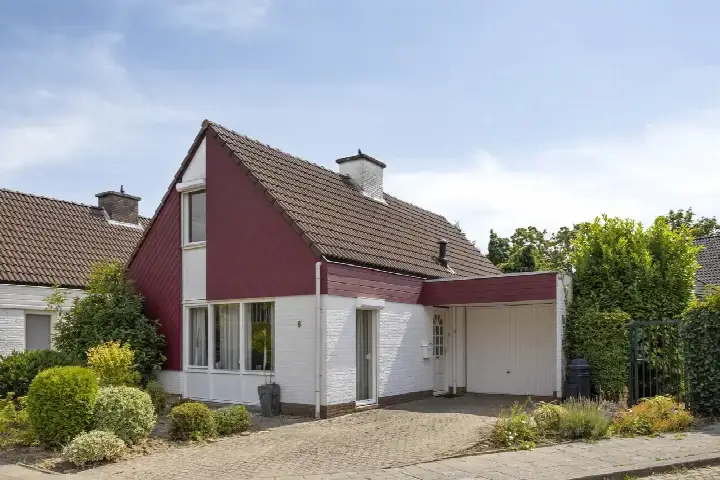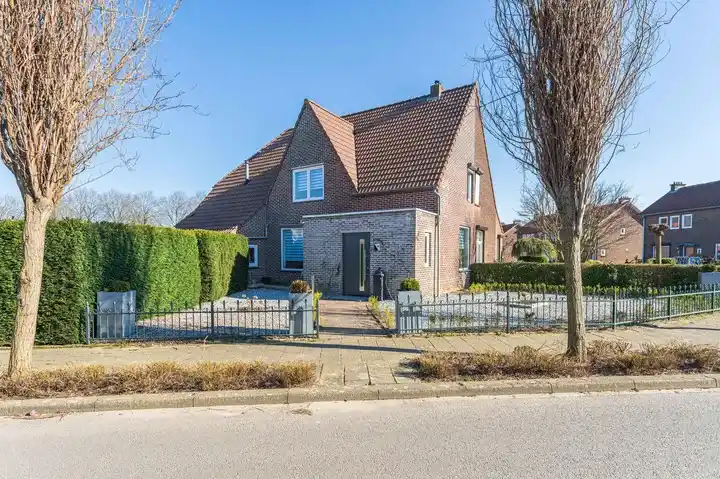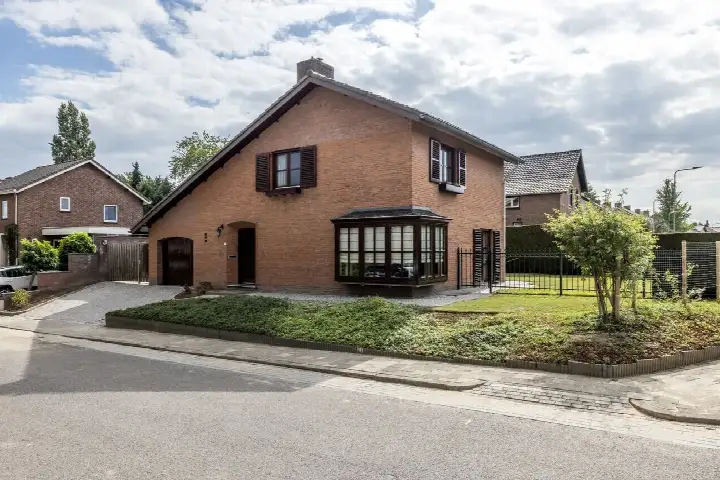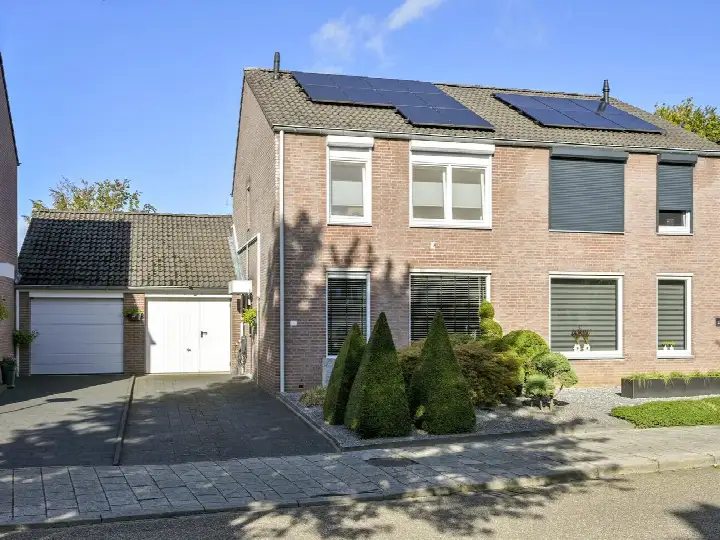





Fattenbergstraat 46
Neerbeek, Beek
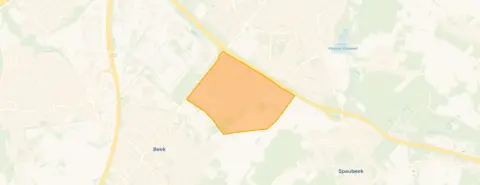 Area
AreaA spacious family home in Neerbeek
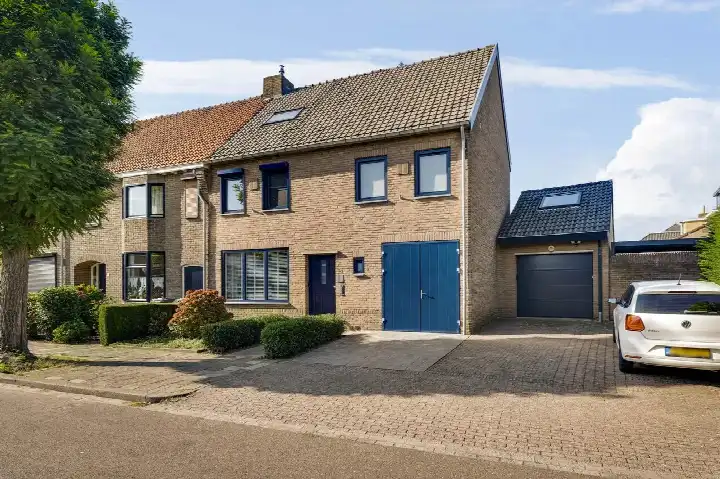
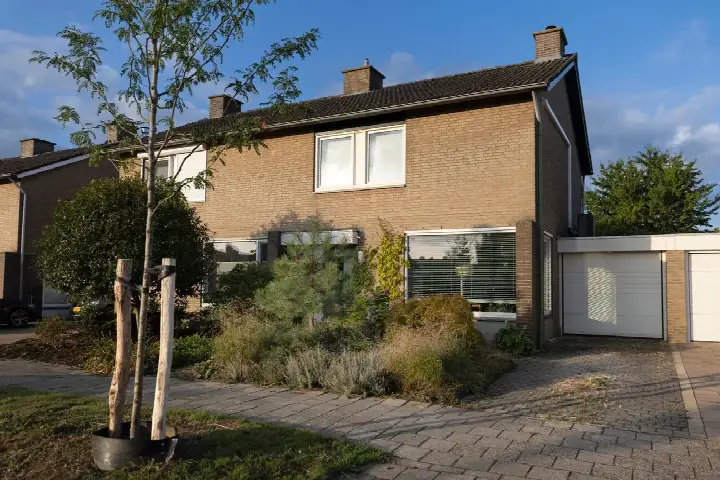
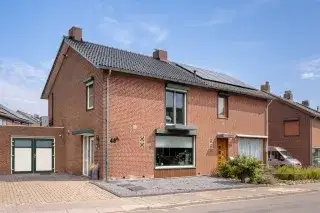
Fattenbergstraat 46 sits in Neerbeek, a village within the municipality of Beek where life moves at a relaxed pace. This terraced house from 1973 offers a generous 174 square metres of living space according to the BAG registration, while the agent lists it at 176 square metres. With an asking price of €445,000, that works out to €2,528 per square metre based on the agent's figures, which is in line with what similar [terraced houses in Beek] typically go for.
Inside the home
The house has seven rooms in total, including four bedrooms and one bathroom. The living space is spread over a volume of 631 cubic metres, giving the home a roomy feel. The energy label is A, which is an efficient label, so you can expect relatively modest energy costs. The property was built in 1973, a fact that stands on its own without any assumptions about its condition.
The Neerbeek neighbourhood
Neerbeek is home to around 2,360 residents, and the village has a distinct character. Residents of the wider district of Beek - Spaubeek give their living environment an average score of 7.88 out of 10, based on five reviews. One resident describes the area as "helpful and attentive to each other," while another notes it is "a real village" where newcomers may find it hard to settle in. The reviews reflect a community that is close-knit, though not everyone finds it easy to break into. For a fuller picture of what life here is like, [the Neerbeek neighbourhood] page has more detail.
Amenities and transport
The daily essentials are within easy reach. The nearest pharmacy, Apotheek GC Neerbeek, is just around the corner, and the GP practice Huisartsenpraktijk Sanders in Geleen is a ten-minute walk away. For groceries, Albert Heijn is a ten-minute walk, with PLUS and SPAR express a couple of streets further. The bus stop at Prins Mauritslaan is on your doorstep, with lines 30, 32, 33 and 321, and Beek-Elsloo train station is a ten-minute walk in the other direction. Schools are close too, with Graaf Huyn College for secondary education and Basisschool Reuzepas for primary, both within walking distance. [The municipality of Beek] covers the wider area.
WOZ and address data
The address-level risk data from public sources gives an indication of the surroundings rather than an inspection of this specific home. Road traffic noise is measured at 52 dB Lden, above the norm, and industrial noise at 55 dB Lden, also above the norm. Aircraft noise is at 49 dB Lden, above the norm, while railway noise at 30 dB Lden stays within limits. The foundation risk indication is low, with sandy soil, and the climate indications are mostly low, though heat stress is expected to become medium by 2050.
Source
At the time of writing, the home is offered only via Huispedia. The listing is available through a single channel, so this is the sole source for this property.
This summary was generated with AI and may contain errors. Always verify the details with the provider.
Features
Details of this home
Transfer
Price

Areas and volume
 Insure your home and belongingsGet insured
Layout
Construction
The WOZ value is set annually by the municipality with 1 January as its reference date, and therefore lags the market by about a year. It is an estimated market value, not a sale price.
Frequently asked questions
About Fattenbergstraat 46, Beek
What is the asking price for this terraced house in Neerbeek?
The asking price is €445,000. Based on the agent's floor area of 176 square metres, that comes to €2,528 per square metre. This is in line with what other terraced houses in Beek are listed for, so the price sits at a market-consistent level.
How many bedrooms and rooms does this home have?
The house has seven rooms in total, including four bedrooms and one bathroom. The living space is 174 square metres according to the BAG registration, while the agent lists it at 176 square metres. The volume of the home is 631 cubic metres.
What is the energy label and what does it mean for costs?
The energy label is A, which is an efficient label. This means you can expect relatively modest energy costs compared to less efficient labels. The label does not say anything about the condition of the home itself, only about its energy performance.
What are the noise levels around this address?
The address-level risk data shows road traffic noise at 52 dB Lden, above the norm, and industrial noise at 55 dB Lden, also above the norm. Aircraft noise is at 49 dB Lden, above the norm, while railway noise at 30 dB Lden stays within limits. These are area-level indications, not an inspection of this specific home.
What is the foundation risk for this property?
The foundation risk indication for this address is low, with sandy soil. This is based on area-level data from public sources and does not constitute an inspection of this particular home. It gives a general indication of the ground conditions in the vicinity.
What supermarkets are nearby?
Albert Heijn is about a ten-minute walk away, and PLUS and SPAR express are a couple of streets further. There are 20 supermarkets within five kilometres, so you have plenty of options for daily groceries.
Which schools are close to this home?
Graaf Huyn College for secondary education is about a ten-minute walk away, and Basisschool Reuzepas for primary education is a bit further. There are 19 schools within five kilometres, covering both primary and secondary levels.
How is the public transport connection from this address?
The bus stop at Prins Mauritslaan is on your doorstep, with lines 30, 32, 33 and 321. Beek-Elsloo train station is about a ten-minute walk away, giving you access to the rail network.
What is the neighbourhood like according to residents?
Residents of the wider district of Beek - Spaubeek give their living environment an average score of 7.88 out of 10, based on five reviews. One resident describes the area as "helpful and attentive to each other," while another calls it "a real village" where outsiders may find it hard to settle in.
What is the climate risk for this address?
The climate indications for this address are mostly low. Pluvial flooding, current flood risk and flood risk in 2050 are all low, as is heat stress currently. Heat stress is expected to become medium by 2050. These are area-level indications from the Klimaateffectatlas.











-95271bac.webp)