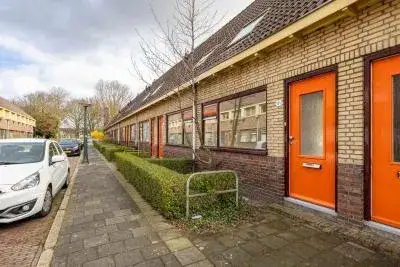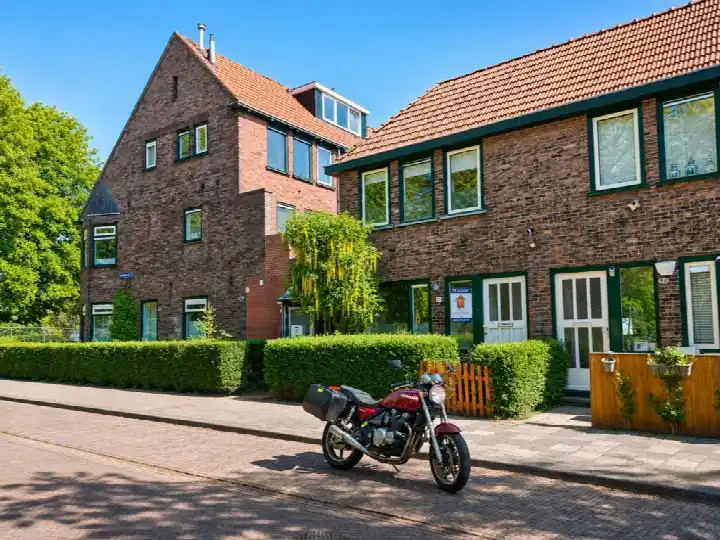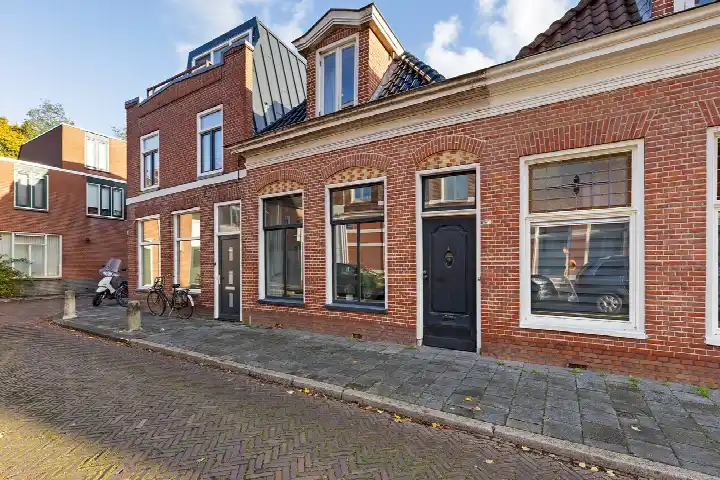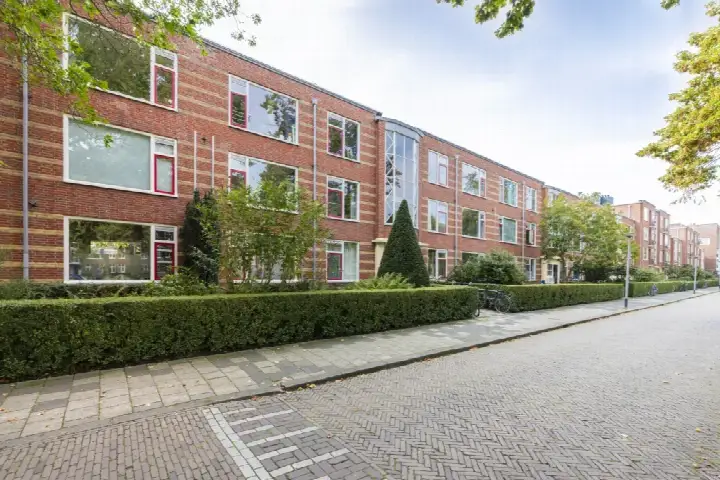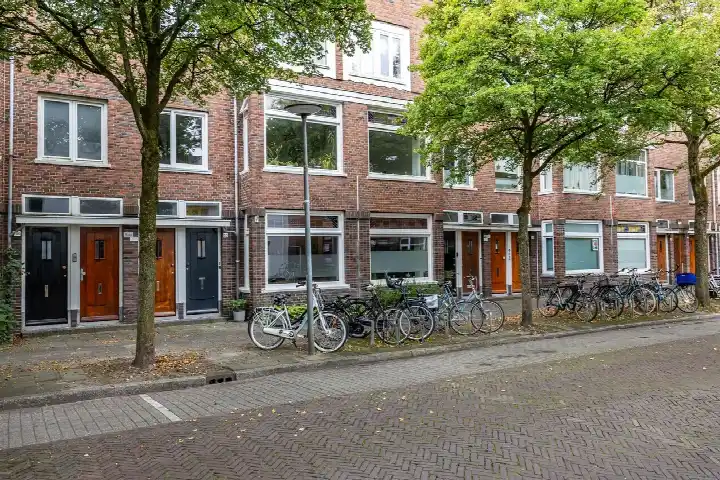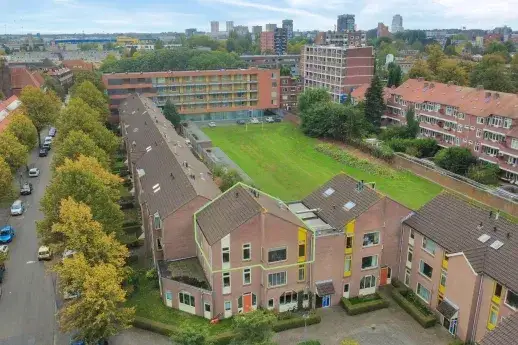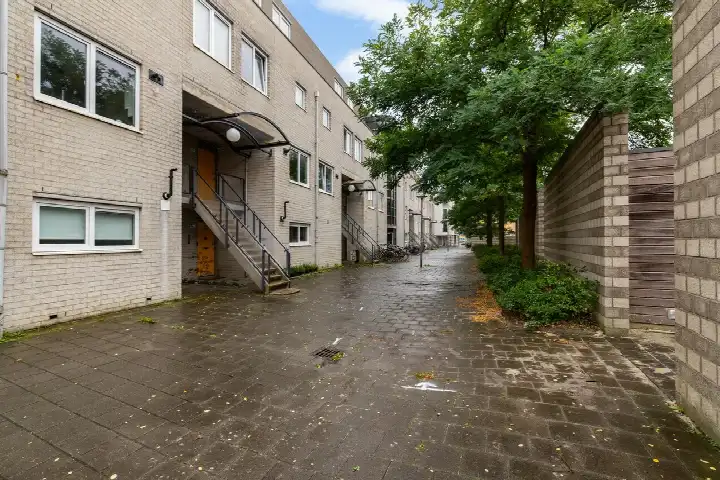





A 1930s terraced house in Groningen's Bloemenbuurt
Tucked into the leafy Bloemenbuurt, part of the Oud-Oost district, this 1932 terraced house sits on a quiet street where the city feels a world away yet is never far. With 79 square metres of living space according to the BAG registration (the agent lists 76), it is a compact home with three floors and a private garden. The asking price of €300,000 is keen, which is precomputed against the neighbourhood average. For context, that price sits alongside other [terraced houses in Groningen].
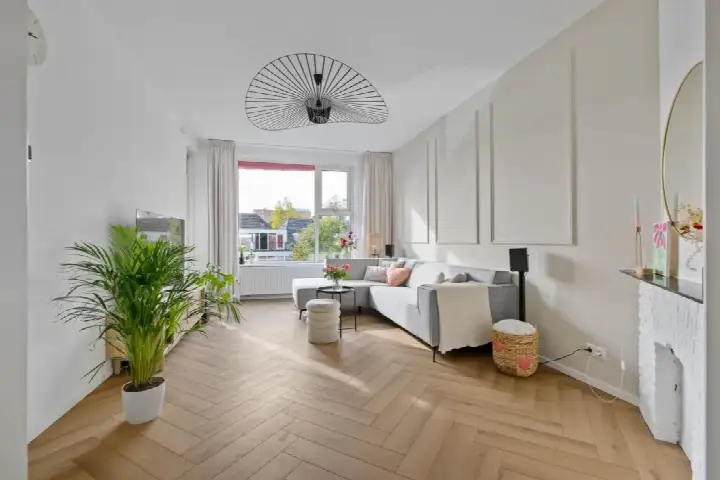
Inside the home
The agent describes a four-room layout with three bedrooms and one bathroom spread over three floors, totalling 298 cubic metres. The garden, a 10 square metre rear plot facing south, is accessible via the back alley. The home is freehold, has roof insulation and a central heating boiler. Built in 1932, it carries an energy label B, which is an efficient label, so heating costs should be manageable.
Life in the Bloemenbuurt
Residents across the Oud-Oost district give their area a 7.36 out of 10, based on twelve reviews. One resident calls it a "neat friendly neighbourhood", while another says it is a "great spot, lots of amenities and close to the centre of Groningen". The district is home to around 2,765 people, with a high share of single-person households at 64 percent. It is a mixed, lively part of town where the city centre is within easy reach. For more on the area, see [the Bloemenbuurt neighbourhood].
Amenities and getting around
Daily errands are simple from here. The Jumbo supermarket is just around the corner, with an AH to go and a Lidl a couple of streets away. IKC Borgman Oosterpark primary school is on your doorstep, and the Praedinius Gymnasium is a ten-minute walk. The GP practice and pharmacy are both just around the corner, and the university hospital is a five-minute walk. Bus stops on the Klaprooslaan, with lines 61, 63, 65 and 165, are on your doorstep, and Groningen Noord train station is a ten-minute walk. All within [the municipality of Groningen].
WOZ value and address data
The WOZ value on 1 January 2025 was €300,000, and the asking price is virtually equal to that valuation. Between 2020 and 2025 the WOZ rose 60 percent, from €187,000 to €300,000. As for the area, road traffic noise is 48 dB, rail noise 26 dB and aircraft noise 18 dB, all below the relevant standards. The foundation risk indication is elevated, and pluvial flooding at heavy rain is elevated, with a medium flood risk now and in 2050. These are area-level indications from public data, not an inspection of this specific home.
Source
At the time of writing the home is offered via multiple channels, including Unistee Makelaars on Funda.
This summary was generated with AI and may contain errors. Always verify the details with the provider.
Features
Details of this home
Transfer
Price
Energy
 Save up to € 400 on your energy billCompare now
Areas and volume
Layout
Construction
Outdoor space
The WOZ value is set annually by the municipality with 1 January as its reference date, and therefore lags the market by about a year. It is an estimated market value, not a sale price.
Frequently asked questions
About Seringenhof 10, Groningen
How does the asking price compare to the WOZ value?
The asking price of €300,000 is virtually equal to the WOZ value, which was set at €300,000 on 1 January 2025. The WOZ is the municipal valuation for tax purposes, not the current market value. Between 2020 and 2025 the WOZ rose 60 percent, from €187,000 to €300,000, so the valuation has climbed substantially over five years.
What is the layout of this terraced house?
According to the agent, the home has four rooms including three bedrooms and one bathroom, spread over three floors with a total volume of 298 cubic metres. The living area is 79 square metres per the BAG registration, while the agent lists 76 square metres. There is a 10 square metre rear garden facing south, accessible via the back alley.
What energy label does the home have and what does it mean?
The home has energy label B, which is an efficient label. The agent also notes roof insulation and a central heating boiler. The label reflects the official registration, and with a B label you can expect relatively moderate energy costs compared to less efficient homes, though actual usage will depend on your own habits.
What is the foundation risk in this area?
The foundation risk indication for this address is elevated, based on area-level public data. The home was built in 1932 on clay soil, and the data notes that 3 percent of properties in this neighbourhood have an elevated risk of pile rot. Groundwater levels are projected to drop towards 2050, which can increase risk for wooden foundations. This is an area-level indication, not an inspection of this specific home.
What are the flood and climate risks for this address?
The pluvial flooding risk at heavy rain is elevated, and the current flood risk is medium, remaining medium in 2050. Heat stress is currently low but rises to medium by 2050. These are area-level indications from public climate data, not a property-specific assessment. They describe the broader area around the address rather than this particular home.
What amenities are within walking distance?
The Jumbo supermarket is just around the corner at 335 metres, with an AH to go and a Lidl within 600 metres. IKC Borgman Oosterpark primary school is 116 metres away, and the Praedinius Gymnasium secondary school is 829 metres. The GP practice is 348 metres and the pharmacy 334 metres, while the university hospital is 571 metres away.
How is the public transport in this area?
The nearest bus stop, Groningen Klaprooslaan, is 115 metres away and serves lines 61, 63, 65 and 165. Two further stops on the same lines are within 414 metres. Groningen Noord train station is 1.8 kilometres away, which is about a ten-minute walk. The stops connect to the wider city network, though specific destinations are not listed.
What do residents say about living in this district?
Residents of the Oud-Oost district, which includes this neighbourhood, give their area an average score of 7.36 out of 10 based on twelve reviews. One resident describes it as a "neat friendly neighbourhood", while another calls it a "great spot, lots of amenities and close to the centre of Groningen". These reviews reflect the wider district rather than the Bloemenbuurt specifically.