Dusartstraat 25H
Cornelis Troostbuurt, Amsterdam
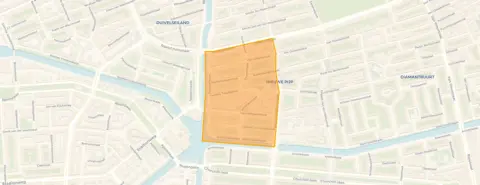 Area
AreaA ground-floor apartment in the heart of the Pijp
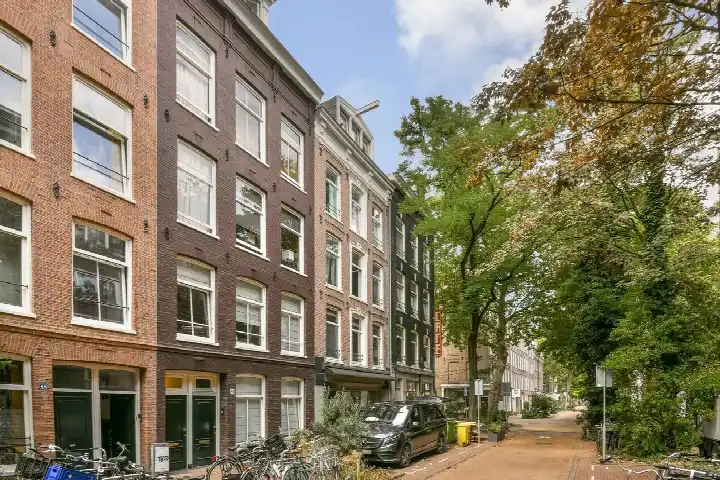
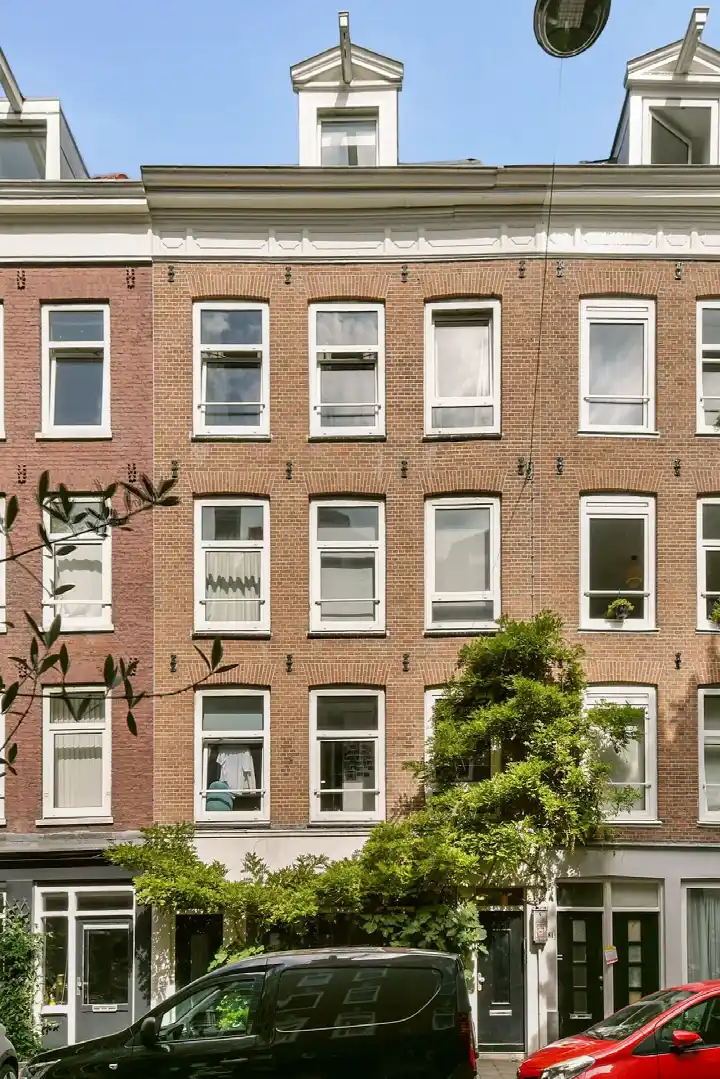
This ground-floor apartment on Dusartstraat sits in the lively Cornelis Troostbuurt, part of the Nieuwe Pijp district in Amsterdam. It is a benedenwoning, a ground-floor apartment, built in 1899, and it comes with an energy label B. The asking price of €500,000 is keen compared with the neighbourhood average asking price of €683,565. For context, the average asking price for apartments in Amsterdam reflects the wider market in the municipality.
Inside the home
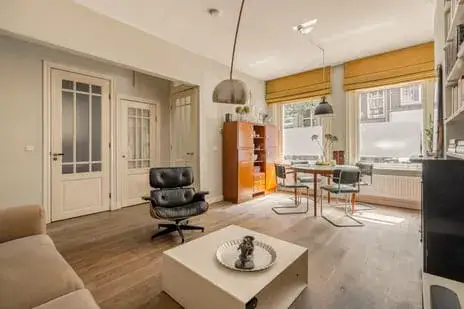
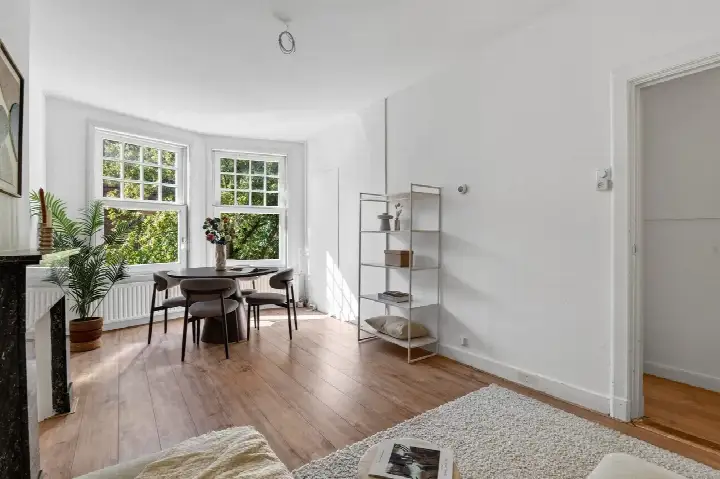
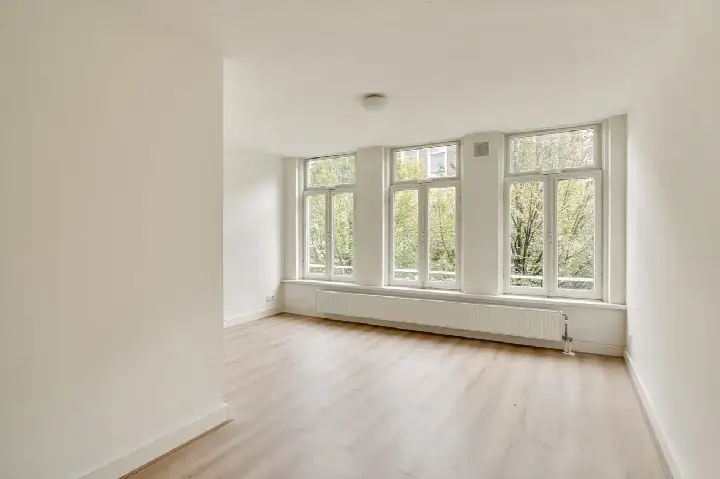
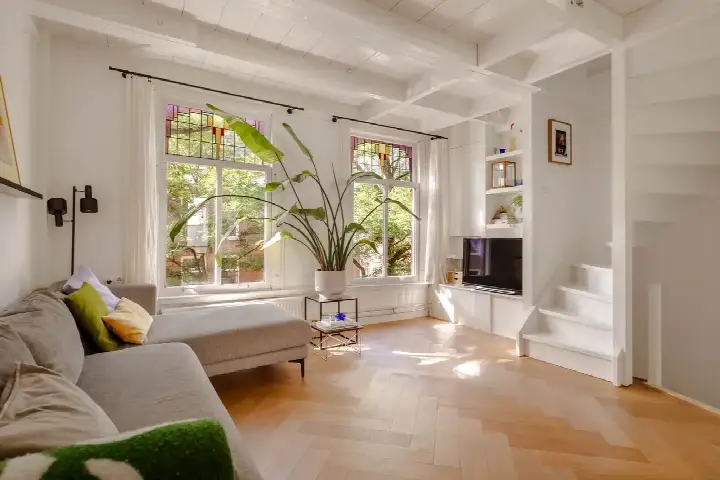
The apartment has three rooms, one bedroom and one bathroom, all on a single floor. The living area is listed as 63 m² by the agent, while the BAG registration records 68 m². The home has double glazing and a central heating boiler, and it is offered in full ownership. The monthly homeowners' association contribution is €72.50.
The Cornelis Troostbuurt
Residents of the wider district give it an average score of 7.47, based on four reviews. One resident describes it as a lively neighbourhood, with a tram stop right outside and the North-South line station across the street, plus the Albert Cuyp Market within walking distance. Another resident calls it the best neighbourhood, easily accessible by metro and tram, with parks and trees, and many shops, bakeries and eateries. A third review is more mixed, mentioning messiness and little greenery. The district is very strongly urban, with an address density of 9,705 per square kilometre. Around 61% of households in the Cornelis Troostbuurt neighbourhood are single-person households.
Amenities and transport
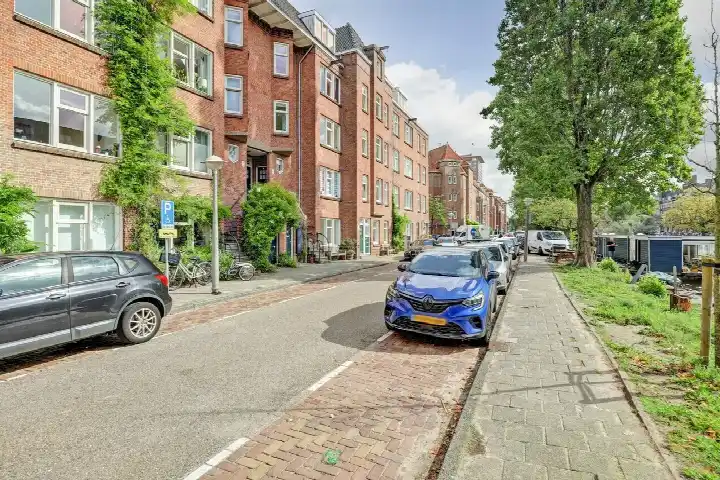
Daily errands are easy from here. The Albert Heijn is just around the corner, with the Coop and Aldi a couple of streets away. The Service Apotheek Ferdinand Bol pharmacy is on your doorstep, and the nearest GP practice, Huisartsen Van Baerle, is a ten-minute walk. For schools, College ZUYD is a couple of streets away, and the Montessori Lyceum Amsterdam on Van Ostadestraat is just around the corner. Metro, bus and tram stop De Pijp is on your doorstep, with lines 12, 25, 52 and N84. Amsterdam RAI train station is a ten-minute walk. The municipality of Amsterdam offers all this and more. The address-level risk data from public sources indicates a medium foundation risk, as the building dates from before 1970 and 71% of properties in this postcode area were built before that year. Road traffic noise is measured at 60 dB Lden, above the noise standard, while railway and aircraft noise are below their standards. Pluvial flooding risk is medium, and heat stress is currently medium, rising to elevated by 2050. These are area-level indications, not an inspection of this specific home.
Source
At the time of writing, the home is offered via multiple channels, including Heeren Makelaars.
This summary was generated with AI and may contain errors. Always verify the details with the provider.
Features
Details of this home
Transfer
Price
Energy
 Save up to € 400 on your energy billCompare now
Areas and volume
 Insure your home and belongingsGet insured
Layout
Construction
Frequently asked questions
About Dusartstraat 25H, Amsterdam
How does the asking price compare with other homes in the neighbourhood?
The asking price of €500,000 is 27% below the average asking price of €683,565 for homes in the Cornelis Troostbuurt. On a per-square-metre basis, the price is 18% below the neighbourhood average. The price verdict is described as keen, which means it is on the low side compared with the local market.
What is the layout of this apartment?
This is a ground-floor apartment with three rooms, one bedroom and one bathroom, all on a single floor. The agent lists the living area as 63 m², while the BAG registration records 68 m². The home has double glazing and a central heating boiler, and it is offered in full ownership. The monthly homeowners' association contribution is €72.50.
What is the energy label and what does it mean for costs?
The home has an energy label B, which is an efficient label. This means the energy costs are likely to be relatively moderate compared with less efficient labels. The home also has double glazing, which helps with insulation.
What is the foundation risk for this property?
The address-level risk data indicates a medium foundation risk. This is because the building dates from 1899, before 1970, and 71% of properties in this postcode area were built before that year. This is an area-level indication based on public data, not an inspection of this specific home.
What is the noise situation around this address?
Road traffic noise is measured at 60 dB Lden, which is above the noise standard. Railway noise is 32 dB Lden and aircraft noise is 44 dB Lden, both below their respective standards. These figures come from public data at the address level and are indications for the area, not measurements inside the home.
What amenities are within walking distance?
The Albert Heijn supermarket is just around the corner, with the Coop and Aldi a couple of streets away. The Service Apotheek Ferdinand Bol pharmacy is on your doorstep, and the nearest GP practice is a ten-minute walk. Several schools are nearby, including College ZUYD and the Montessori Lyceum Amsterdam on Van Ostadestraat.
How is the public transport connection from this home?
Metro, bus and tram stop De Pijp is on your doorstep, with lines 12, 25, 52 and N84. Tram stop Van Hilligaertstraat is a couple of streets away, serving line 12. Amsterdam RAI train station is a ten-minute walk. The North-South line metro station is across the street, according to a resident review.
What do residents say about living in this area?
Residents of the wider district give it an average score of 7.47, based on four reviews. One resident describes it as lively, with a tram stop right outside and the Albert Cuyp Market within walking distance. Another calls it the best neighbourhood, easily accessible by metro and tram, with many shops and eateries. A third review is more mixed, mentioning messiness and little greenery.
What is the neighbourhood like in terms of demographics?
The Cornelis Troostbuurt has 3,595 residents, with 61% of households being single-person households. The average household size is 1.6 people. The neighbourhood is very strongly urban, with an address density of 9,705 per square kilometre. Around 48% of residents are between 25 and 45 years old.